
 English
 中文简体
中文简体 русский
 Español
 عربى
عربى


Why Are Sawtooth Paper Bags the Preferred Packaging Choice for Heavy-Duty Industrial Products?
Content
- 1 What Are Sawtooth Paper Bags and Where Does the Name Come From?
- 2 Construction and Layer Composition of Sawtooth Paper Bags
- 3 Sawtooth vs. Pinch Bottom vs. Sewn Open Mouth: Key Differences
- 4 Primary Industries and Products That Use Sawtooth Paper Bags
- 5 Key Specifications to Define When Ordering Sawtooth Paper Bags
- 6 Sustainability Profile of Sawtooth Paper Bags Compared to Plastic Alternatives
What Are Sawtooth Paper Bags and Where Does the Name Come From?
Sawtooth paper bags are a category of heavy-duty industrial paper sack distinguished by the zigzag, serrated edge pattern formed at the bottom closure of the bag during the manufacturing process. This characteristic sawtooth or stepped edge is a direct result of the interleaved folding technique used to seal the bag's bottom gusset, where alternating layers of kraft paper are folded in opposing directions to create a mechanically interlocked seam without the need for adhesive alone. The resulting profile resembles the teeth of a saw blade when viewed from the bottom or side of the finished bag, which is how the style acquired its widely used trade name across the packaging industry in Asia, Europe, and other global markets.
Beyond its distinctive appearance, the sawtooth bottom construction serves a critical structural function. The interlocked fold distributes tensile and compressive stress along the entire bottom seam rather than concentrating it at a single glue line, which dramatically increases the bag's resistance to burst failure when filled with heavy granular or powder materials and stacked during storage and transportation. This makes sawtooth paper bags a preferred packaging format for products such as Portland cement, dry mortar, construction adhesives, animal feed, flour, rice, chemical fertilizers, and other bulk commodities that are packaged in quantities ranging from 10 kg to 50 kg per bag.
Construction and Layer Composition of Sawtooth Paper Bags
The structural performance of a sawtooth paper bag is determined by both the quality of its constituent materials and the precision of its manufacturing process. Unlike simple single-layer paper bags used for light retail packaging, industrial sawtooth bags are engineered composite structures where each layer contributes a specific functional property to the overall package performance.
Kraft Paper Plies
The primary structural element of a sawtooth paper bag is kraft paper — a strong, fibrous paper produced from wood pulp using the kraft pulping process, which preserves the long cellulose fibers that give the material its characteristic high tensile and tear strength. Sawtooth bags used for heavy industrial packaging are typically constructed with two to six plies of kraft paper, with each ply contributing incrementally to the bag's wall strength and puncture resistance. The outer ply is usually a higher-grade, smoother kraft paper that provides a clean printable surface for product branding and regulatory information, while inner plies may use a slightly coarser, more absorbent grade that helps contain fine powder particles and prevents them from sifting through the bag wall.
Functional Inner Liners
For products that require moisture protection, airtight sealing, or barrier properties against oils and volatile chemicals, an inner liner is incorporated between the kraft paper plies or on the innermost surface of the bag. Polyethylene (PE) film liners are the most commonly specified option, providing an effective moisture vapor barrier that prevents hygroscopic products such as cement, dry mortar, and food ingredients from absorbing atmospheric moisture during storage. The PE liner may be a separate tubular insert or laminated directly to the innermost kraft ply during bag manufacturing. For products requiring antistatic properties — such as certain chemical powders and agricultural inputs — antistatic PE liners treated with surface-active agents are available. Aluminum foil laminate liners represent the highest barrier specification, used for products with extreme sensitivity to moisture, oxygen, or UV light.
The Sawtooth Bottom Seal Construction
The defining structural feature of these bags is the bottom seam assembly. In the sawtooth closure, each paper ply is cut with a stepped or notched edge profile, and successive plies are folded in alternating directions so that their cut edges interlock in a staggered pattern. Hot-melt adhesive or dextrin-based glue is applied at each fold interface to bond the layers, and the entire assembled bottom is pressed under heat and pressure to activate the adhesive and form a consolidated, multi-layer seal. The staggered fold pattern means that no single adhesive bond line spans the full width of the bag — instead, loads applied to the bottom are transferred progressively across multiple shorter bond segments, which collectively provide far greater resistance to peeling or delamination failure than a single full-width glue seam would deliver.
Sawtooth vs. Pinch Bottom vs. Sewn Open Mouth: Key Differences
Industrial paper sacks are available in several bottom construction styles, and understanding the functional differences between them clarifies why sawtooth construction is selected for specific applications. The table below compares the three most widely used industrial paper bag closure types across key performance and application criteria.
| Feature | Sawtooth Bottom | Pinch Bottom | Sewn Open Mouth |
| Bottom Seal Method | Interlocked stepped fold + adhesive | Glued flat fold | Sewn thread seam |
| Burst Strength | Very High | High | High |
| Dust Tightness | Excellent with liner | Good | Poor — needle holes allow sifting |
| Print Area | Full surface including bottom | Full surface | Body only |
| Filling Method | Valve fill or open top | Open top | Open mouth, sewn after filling |
| Pallet Stack Stability | Excellent — flat base | Good | Moderate — seam creates ridge |
| Typical Application | Cement, feed, chemicals, flour | Food retail, pet food | Grain, sugar, fertilizer |
Primary Industries and Products That Use Sawtooth Paper Bags
Sawtooth paper bags serve as the standard bulk packaging format across a wide range of heavy industrial and food processing sectors. Their combination of high structural integrity, moisture barrier capability, and efficient palletization makes them the logical choice wherever powdered or granular products need to be packaged in quantities above 10 kg per unit and handled through mechanized filling, palletizing, and warehouse logistics systems.
- Construction Materials: Portland cement, dry mortar, tile adhesive, gypsum plaster, and concrete repair compounds are among the highest-volume products packaged in sawtooth paper bags globally. These materials are highly abrasive, generate fine airborne dust during handling, and are severely damaged by moisture absorption — requirements that make the multi-ply sawtooth bag with PE liner the industry-standard packaging solution. Cement bags typically specify 25 kg or 50 kg capacities with three to four kraft plies and a polyethylene inner liner.
- Animal Feed and Agriculture: Compound animal feeds, premix supplements, poultry feed, aquaculture feed, and agricultural lime are commonly packaged in sawtooth bags ranging from 20 kg to 50 kg. Feed products require packaging that controls moisture ingress to prevent mold growth and mycotoxin development, while also providing sufficient ventilation in some product categories to prevent heat buildup from microbial activity. Perforated sawtooth bags with microporous inner liners address both requirements simultaneously.

- Food Processing: Wheat flour, rice flour, starch, sugar, salt, and dried milk powder are packaged in food-grade sawtooth bags manufactured from virgin kraft paper with food-contact certified PE inner liners. Food-grade specifications require that all adhesives, inks, and liner materials comply with applicable food safety regulations such as EU Regulation No. 1935/2004 or FDA 21 CFR standards, ensuring that no harmful substances migrate into the packaged food product.
- Chemical and Industrial Products: Chemical fertilizers, industrial salts, calcium carbide, sodium carbonate, silica powder, and carbon black represent a broad category of chemical products packaged in sawtooth bags with specifications tailored to each product's specific hazard profile. Products with high moisture reactivity require premium barrier liners; products with oxidizing properties may require antistatic specifications; and chemically corrosive products may require inner liners with enhanced chemical resistance beyond standard PE film.
Key Specifications to Define When Ordering Sawtooth Paper Bags
Sourcing sawtooth paper bags for industrial packaging requires precise specification of multiple technical parameters. Vague purchasing orders — specifying only bag dimensions and capacity — invariably result in delivered products that underperform in one or more critical areas. The following specification parameters should be explicitly defined in any procurement inquiry or purchase order.
- Number of Plies and Paper Grammage: Specify the total number of kraft paper plies and the grammage (g/m²) of each ply. Common configurations for 25 kg cement bags, for example, include 3-ply constructions using 80–90 g/m² kraft paper per ply, delivering a combined wall weight of approximately 250–270 g/m². Higher-demand applications or heavier fill weights may require 4-ply or 5-ply constructions with heavier individual ply grammages.
- Inner Liner Specification: Define whether a PE liner is required, its thickness in microns (typically 50–100 microns for standard moisture barrier applications), and whether the liner should be a separate tubular insert or laminated to the inner kraft ply. For specialty applications, specify whether antistatic, anti-block, or co-extruded barrier film grades are required.
- Bag Dimensions: Specify the lay-flat width, gusset depth (if applicable), and bag length in millimeters. For valve-fill bags, additionally specify the valve position (typically top corner or top center) and valve tube dimensions to ensure compatibility with the filling machine's spout diameter and insertion geometry.
- Printing Specification: Define the number of print colors, the printing process (flexographic printing is standard for kraft paper bags), the color references using Pantone or RAL codes, and whether UV-resistant inks are required for bags stored or displayed in outdoor environments. Confirm whether the supplier's printing registration accuracy and color consistency meet the brand's visual standards by requesting printed samples before committing to full production volume.
- Performance Test Requirements: Specify the minimum performance values that bags must achieve in drop testing, burst strength testing (Mullen burst test), and moisture barrier testing. For cement and construction product applications, reference EN 770 or equivalent national standards for paper sack performance requirements to ensure that the specified bags will withstand the mechanical stresses of filling, palletizing, transportation, and distribution without seal failure or wall rupture.
Sustainability Profile of Sawtooth Paper Bags Compared to Plastic Alternatives
The growing pressure on industrial packaging users to reduce plastic consumption and improve end-of-life recyclability has focused significant attention on the environmental credentials of paper-based industrial sacks, including sawtooth bags. Kraft paper bags offer a fundamentally more favorable end-of-life profile than woven polypropylene (PP) or PE film bulk bags in most waste management systems. Paper bags are accepted in standard paper recycling streams in most countries, and unlined multi-ply kraft bags — particularly those used for food and agricultural products — can be composted in industrial composting facilities. The high cellulose fiber content of kraft paper bags contributes positively to recycled paper feedstock quality, and the paper industry's well-established fiber recovery infrastructure means that a high proportion of paper bag material is genuinely diverted from landfill in markets with effective collection systems.
The inclusion of PE inner liners creates a composite material that complicates recyclability, as the paper and plastic components must be separated before either can be effectively recycled. Some bag manufacturers now offer water-soluble or thermoplastic starch-based barrier coatings as alternatives to PE film liners for moisture-sensitive products, enabling the entire bag to be recycled as paper without a separation step. These alternative barrier systems are not yet equivalent to PE film in barrier performance for the most demanding applications, but they represent a meaningful advance for products with moderate moisture sensitivity where the environmental benefit of full recyclability justifies the performance trade-off. As regulation and consumer expectations continue to drive demand for genuinely recyclable industrial packaging, investment in barrier coating technology for paper sacks is likely to accelerate significantly over the coming years.
LATEST POST
Let’s create something amazing together
contact usFeatured Products
-

16oz(500ml)PLA Biodegradable Single-Wall Paper Cup
-
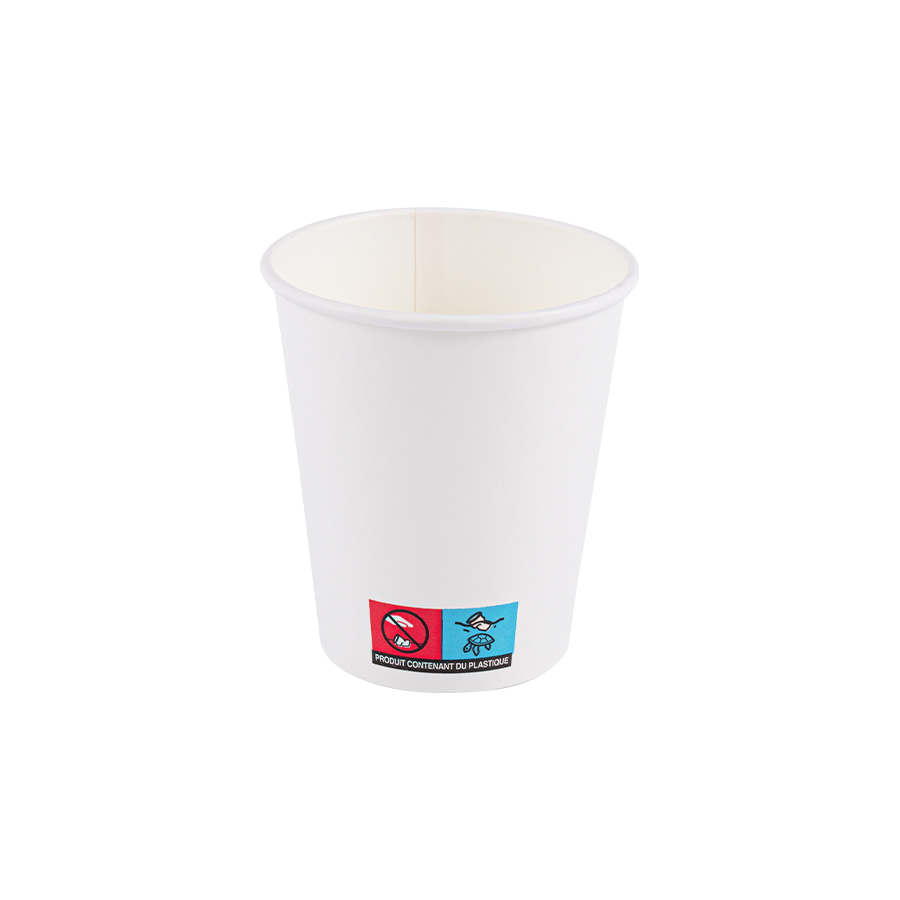
7.5oz Disposable Single-Wall Paper Cup for Automatic Vending Cup
-
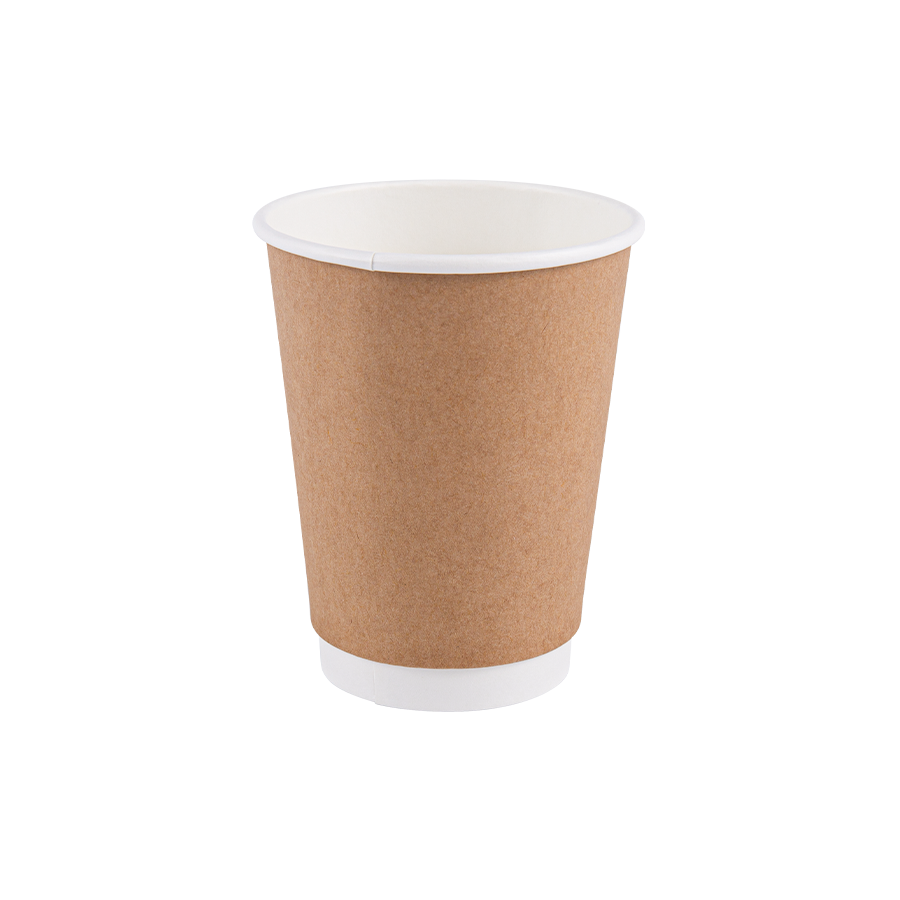
8oz Double-Wall Kraft Paper Cup with Home-Compostable Plastic-Free Coating & Thermal Insulation
-
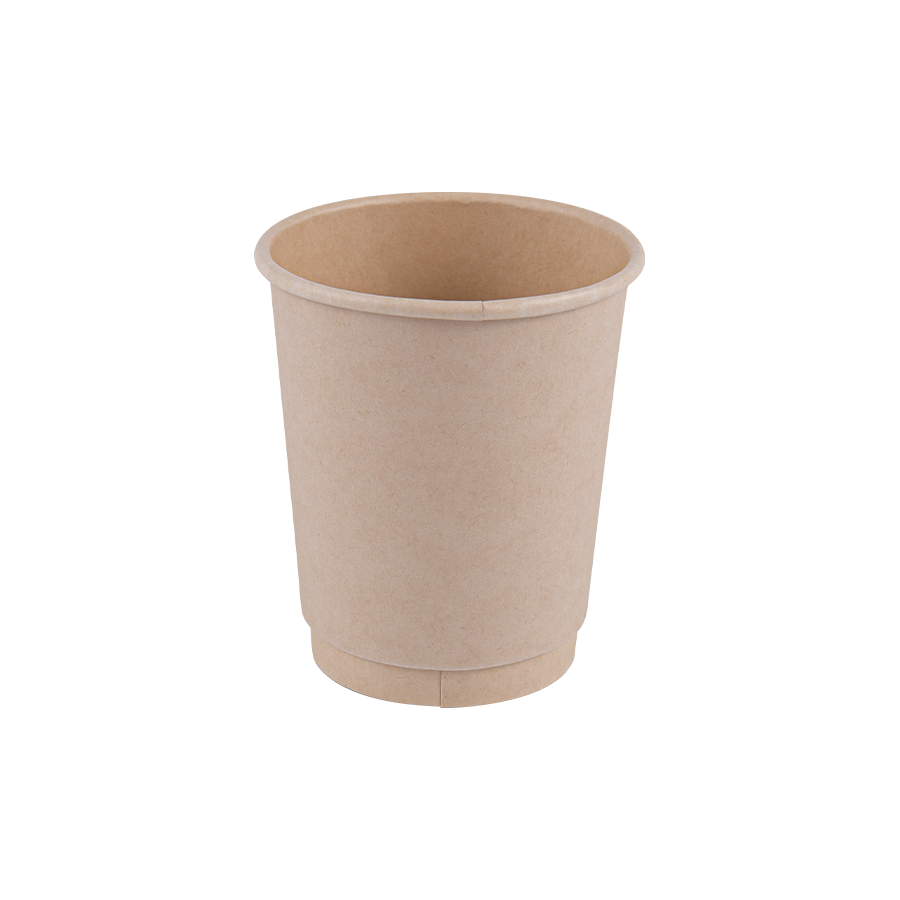
12oz (420ml) Bamboo Pulp Fiber Paper Cup with PLA Coating
-
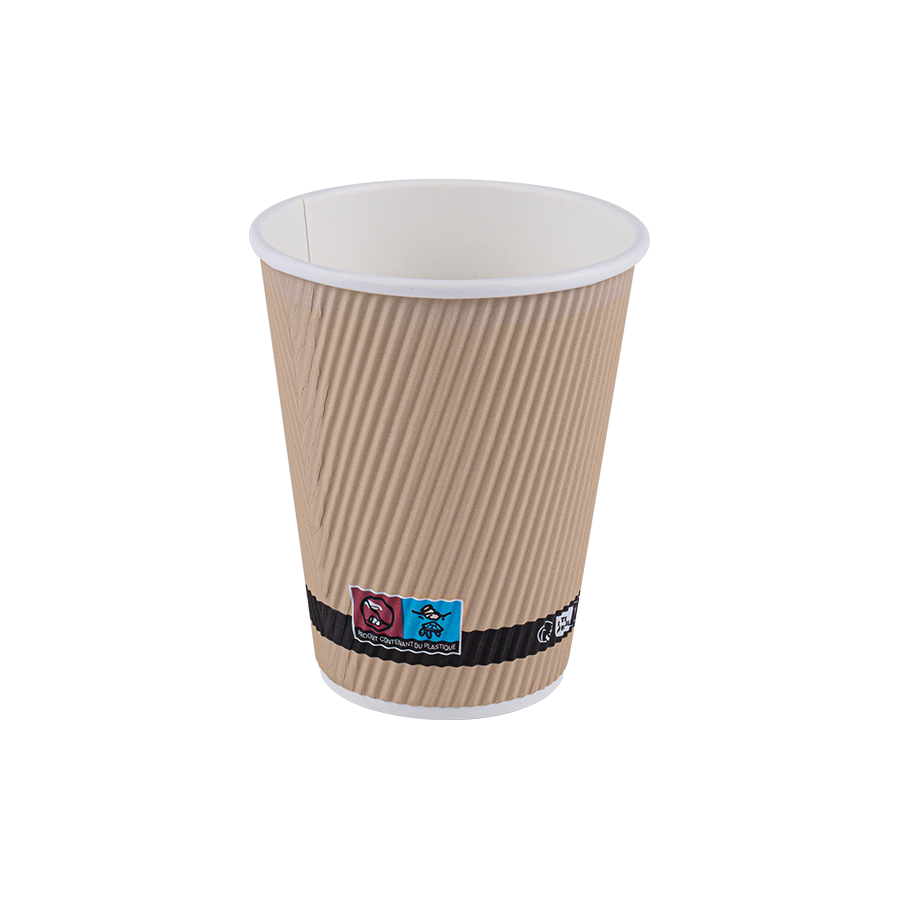
4oz Ripple Wall Paper Cup
-
8oz 'S' Ripple Wall Paper Cup

- No. 9 Qilidian Road, Honglan Industrial Park, Lishui District, Nanjing Ctiy. China
- [email protected]
- ( +86 ) - 13327730591
Copyright © 2025 Nanjing smilepacking co., Ltd.
All Rights Reserved.

-
+86-15727116558
