
 English
 中文简体
中文简体 русский
 Español
 عربى
عربى


What Type Of Environmentally Friendly Coffee Cup Should You Choose?
Content
Why Eco-Friendly Coffee Cups Matter
Billions of disposable coffee cups are thrown away every year, and most traditional paper cups are lined with a thin plastic coating that makes them nearly impossible to recycle through standard municipal programs. This means the majority end up in landfills, where they can take decades to break down. As consumers and businesses become more conscious of their environmental footprint, choosing the right eco-friendly coffee cup has become an important decision, whether for a coffee shop serving hundreds of customers a day or a household looking to reduce daily waste.
Not all "eco-friendly" cups are created equal, however. Some are compostable but require industrial facilities to break down properly, while others are reusable and built to last for years. Understanding the differences between materials, certifications, and use cases helps buyers make a choice that actually reduces environmental impact rather than simply appearing sustainable on the surface.
Types of Environmentally Friendly Coffee Cups
There are several categories of sustainable coffee cups on the market, each with different environmental tradeoffs and practical benefits.
Compostable Paper Cups
These cups replace the standard plastic lining with a plant-based lining, usually made from PLA (polylactic acid) derived from corn starch. They look and function like traditional paper cups but can break down in industrial composting facilities. The catch is that they typically will not compost in a backyard bin and require access to commercial composting infrastructure, which is not available everywhere.
Reusable Cups
Reusable cups, made from materials like stainless steel, glass, bamboo fiber, or BPA-free plastic, offer the most significant environmental benefit over time because they eliminate single-use waste entirely. A single reusable cup can replace hundreds or even thousands of disposable cups over its lifespan, making it the top choice for anyone looking to minimize their long-term footprint.
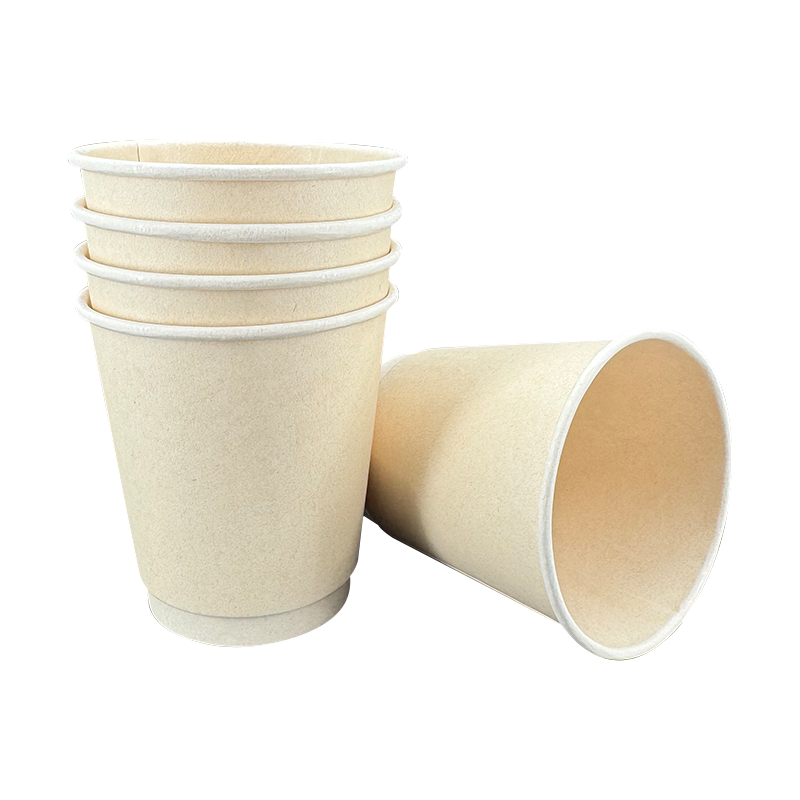
Recycled Content Cups
Some disposable cups are made from post-consumer recycled paper or plastic. While they still contribute to single-use waste, using recycled materials reduces the demand for virgin resources and lowers the overall carbon footprint of production compared to cups made from new materials.
Comparing Common Cup Materials
The table below breaks down the most common materials used in eco-friendly coffee cups, along with their key characteristics.
| Material | Reusable? | End-of-Life | Best For |
| Stainless Steel | Yes | Fully recyclable, long-lasting | Daily commuters |
| Glass | Yes | Fully recyclable | Home or office use |
| Bamboo Fiber | Yes | Biodegradable | Lightweight, casual use |
| PLA-Lined Paper | No | Industrially compostable | Cafes and events |
| Recycled Paperboard | No | Recyclable where facilities allow | High-volume takeout |
Certifications and Labels Worth Looking For
Because sustainability claims can be vague or misleading, checking for recognized third-party certifications helps confirm that a coffee cup meets real environmental standards rather than relying on marketing language alone.
- BPI Certified Compostable: confirms the cup meets industrial composting standards
- FSC Certified: indicates paper materials come from responsibly managed forests
- USDA Certified Biobased: verifies the product contains renewable plant-based materials
- Cradle to Cradle Certified: evaluates a product's full lifecycle environmental impact
Cups carrying these labels have typically undergone independent testing, giving buyers more confidence that the environmental claims are accurate and verifiable.
Choosing the Right Cup for Your Needs
For coffee shops and cafes serving high volumes of customers, the most practical approach often combines a few strategies: offering discounts to customers who bring reusable cups, switching to compostable or recycled-content cups for takeout orders, and partnering with local composting or recycling services when possible. This layered approach reduces waste without requiring a complete overhaul of daily operations.
For individual consumers, investing in a durable reusable cup made from stainless steel or glass offers the greatest long-term environmental benefit. Choosing a cup with a secure lid and comfortable insulation also encourages more consistent daily use, which is ultimately what makes the biggest difference in reducing single-use cup waste.
Common Mistakes to Avoid
One common mistake is assuming that all compostable cups can be thrown into a home compost bin or recycling stream. Without access to an industrial composting facility, these cups often end up in landfills just like conventional ones, providing little environmental benefit. Another mistake is purchasing reusable cups made from low-quality materials that wear out quickly, which undermines the sustainability advantage since the cup needs to be used many times to offset its higher production footprint.
It also helps to check local waste management guidelines before choosing a cup type, since composting and recycling infrastructure varies significantly by region. A cup that is genuinely eco-friendly in one city might simply end up as landfill waste in another, so matching the cup choice to local disposal capabilities is just as important as the material itself.
LATEST POST
Let’s create something amazing together
contact usFeatured Products
-

16oz(500ml)PLA Biodegradable Single-Wall Paper Cup
-
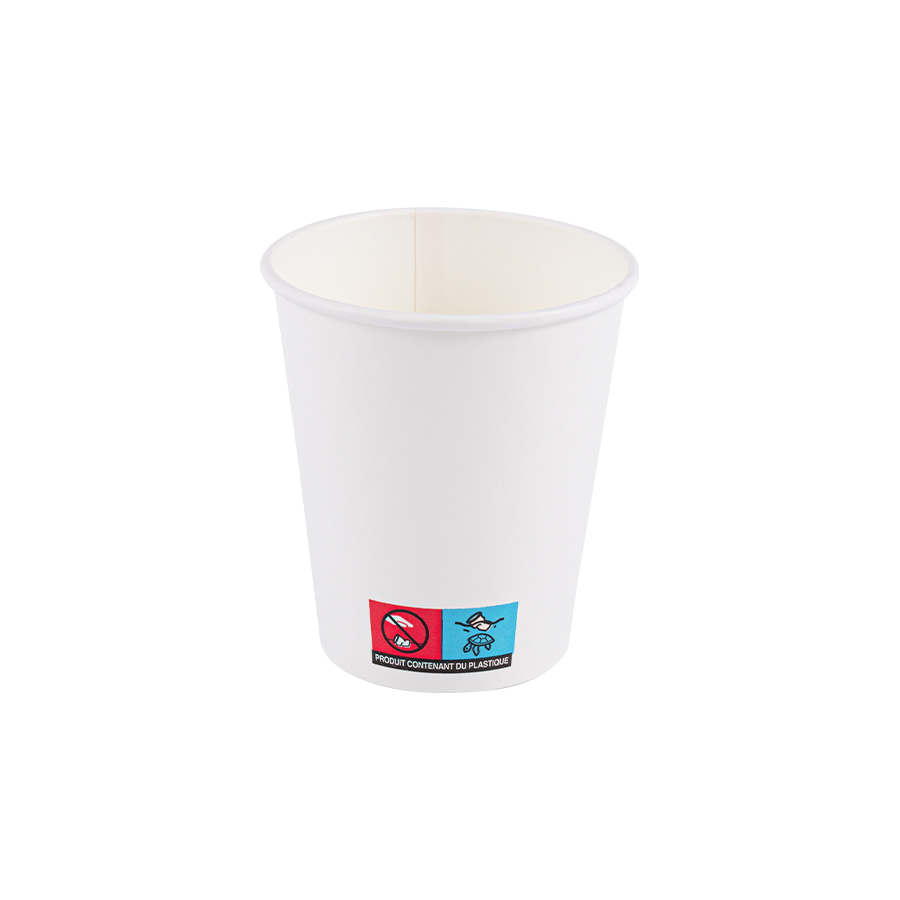
7.5oz Disposable Single-Wall Paper Cup for Automatic Vending Cup
-
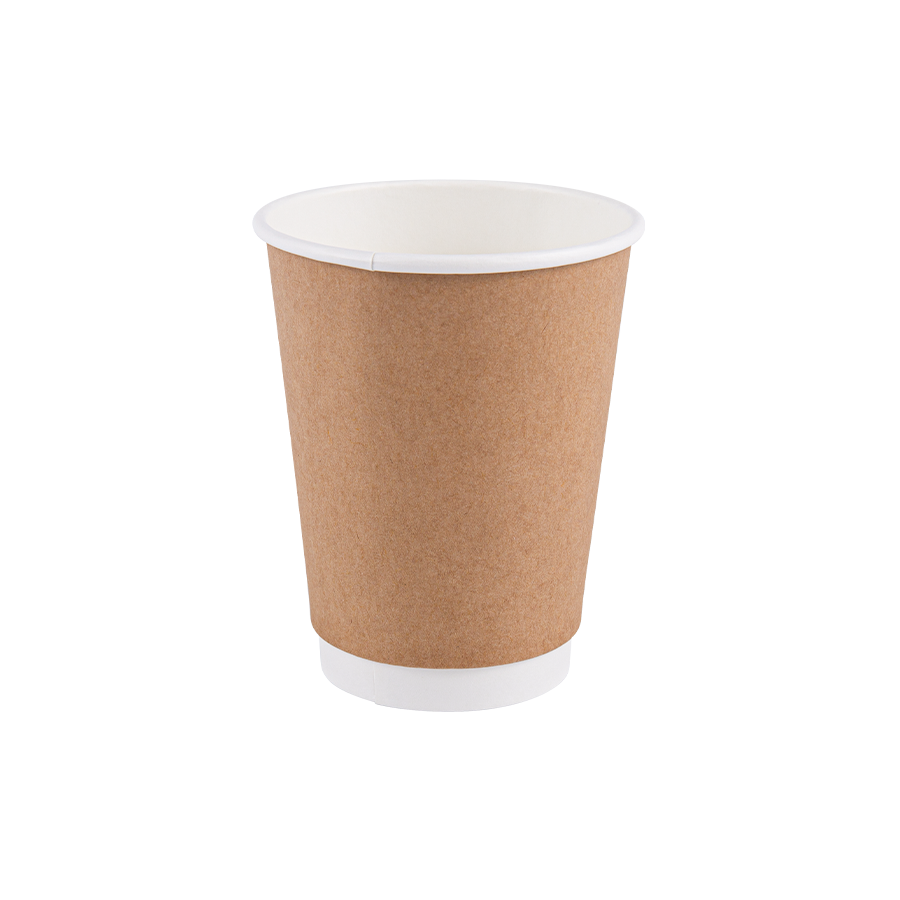
8oz Double-Wall Kraft Paper Cup with Home-Compostable Plastic-Free Coating & Thermal Insulation
-
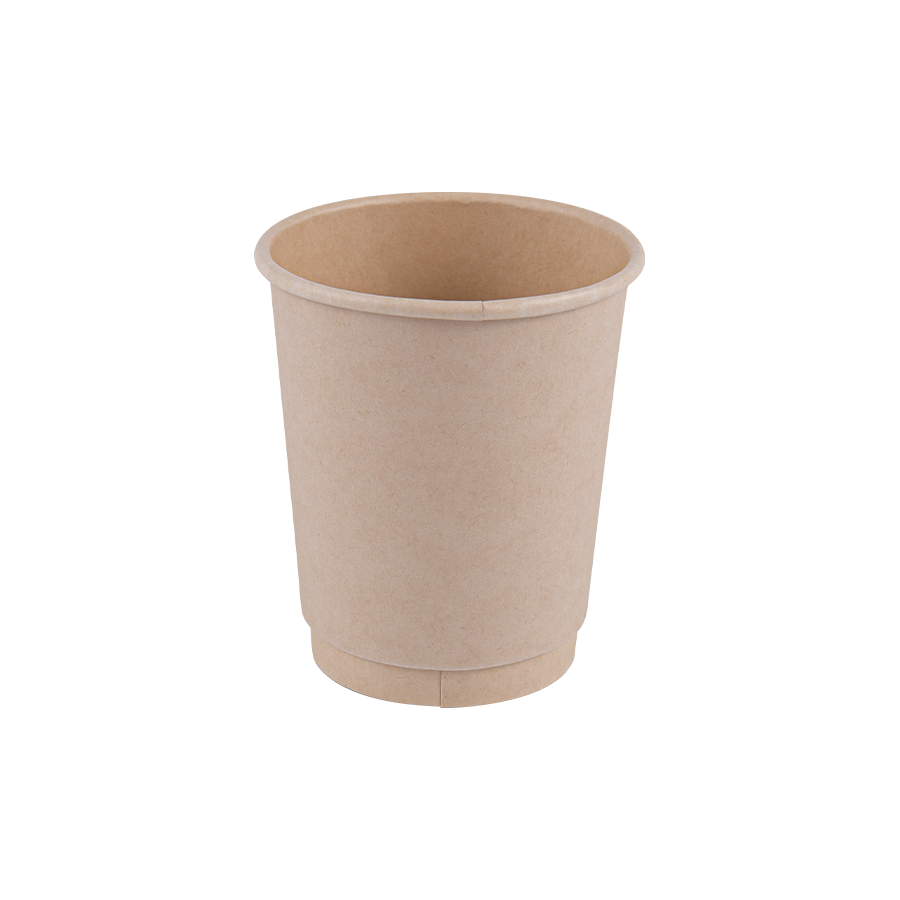
12oz (420ml) Bamboo Pulp Fiber Paper Cup with PLA Coating
-
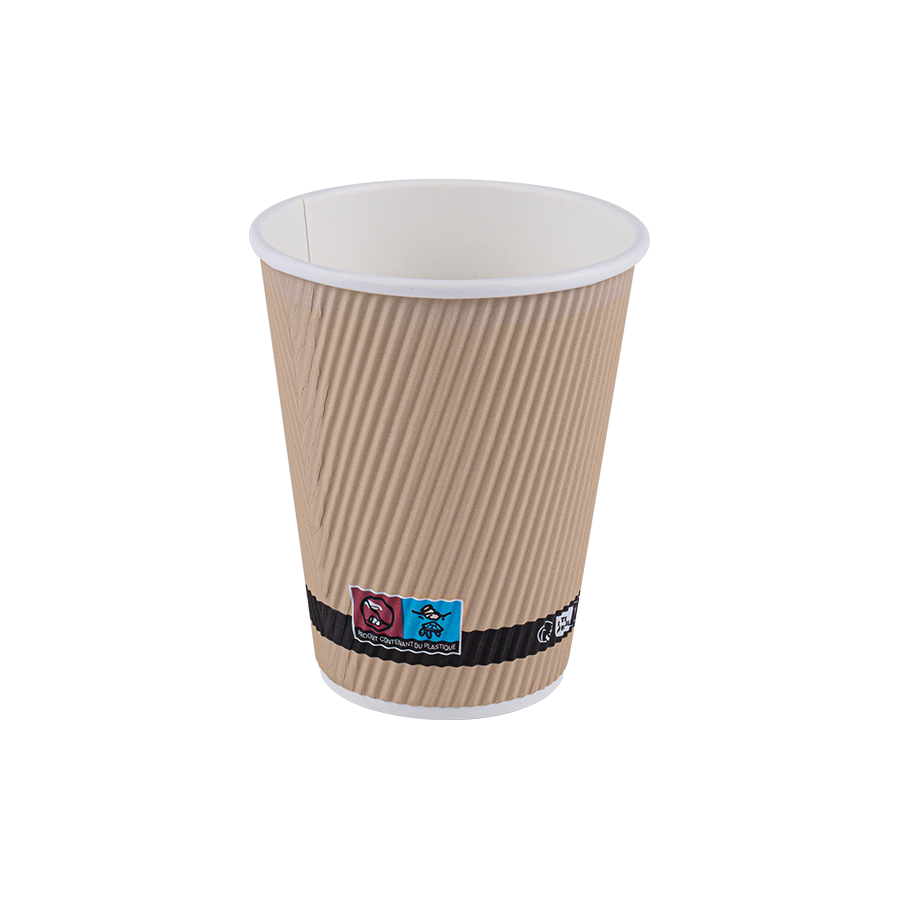
4oz Ripple Wall Paper Cup
-
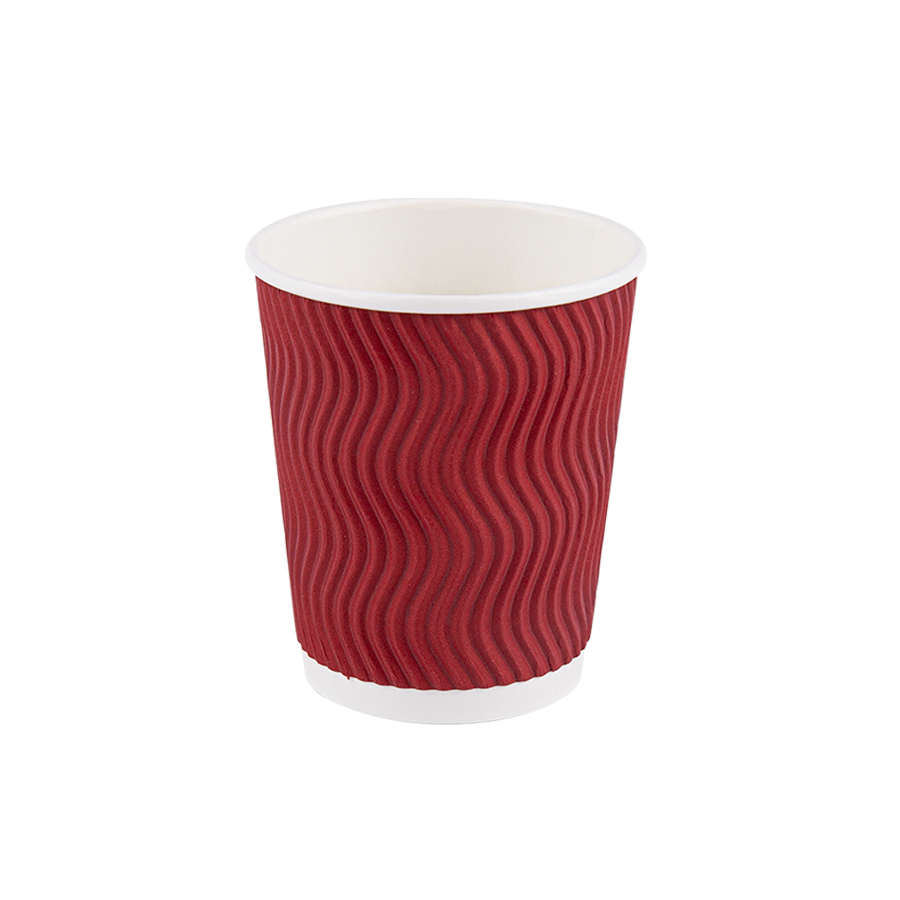
8oz 'S' Ripple Wall Paper Cup

- No. 9 Qilidian Road, Honglan Industrial Park, Lishui District, Nanjing Ctiy. China
- [email protected]
- ( +86 ) - 13327730591
Copyright © 2025 Nanjing smilepacking co., Ltd.
All Rights Reserved.

-
+86-15727116558
