
 English
 中文简体
中文简体 русский
 Español
 عربى
عربى


Why Is the 8oz Double-Wall Kraft Paper Cup the Smarter Choice for Hot Beverage Service?
Content
- 1 What Is an 8oz Double-Wall Kraft Paper Cup and How Does It Work
- 2 The Practical Advantages of Double-Wall Construction
- 3 Why 8oz Is Such a Widely Used Size
- 4 Environmental Considerations and Sustainability Profile
- 5 Comparing 8oz Double-Wall Kraft Cups to Other Cup Types
- 6 Lid Compatibility and Accessory Considerations
- 7 Key Factors to Evaluate When Buying in Bulk
- 8 Who Benefits Most From Using 8oz Double-Wall Kraft Paper Cups
What Is an 8oz Double-Wall Kraft Paper Cup and How Does It Work
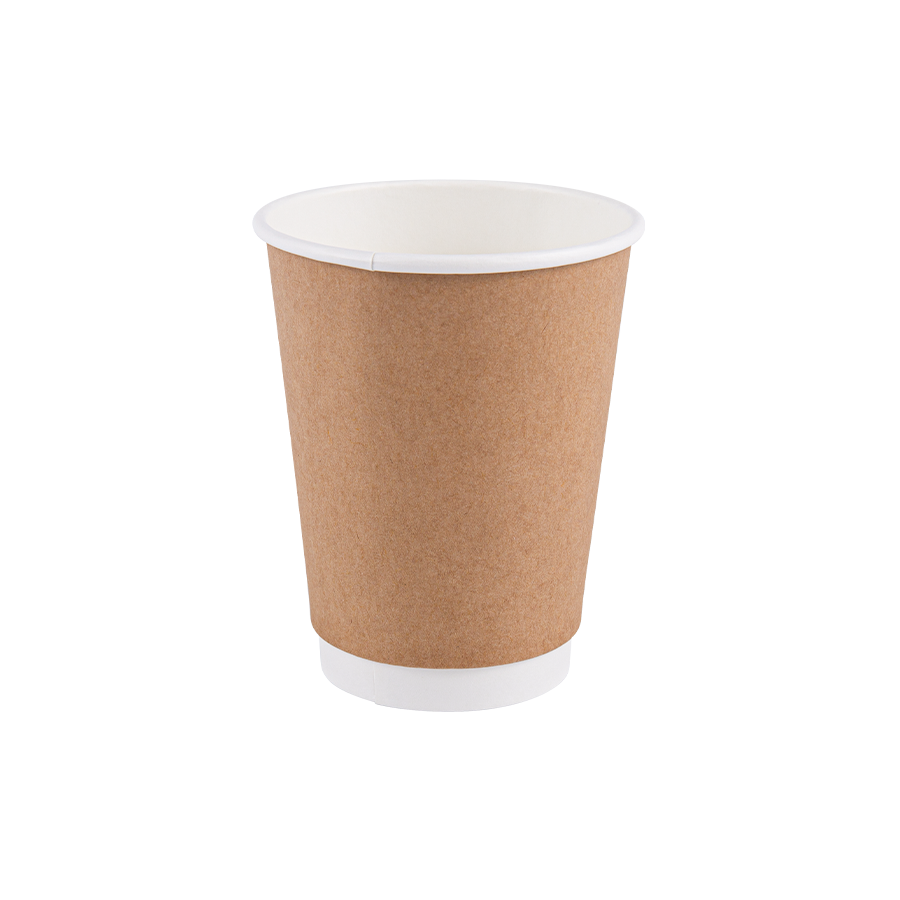
The 8oz double-wall kraft paper cup is a purpose-built beverage container designed to hold approximately 240ml of hot liquid comfortably and safely. Unlike standard single-wall paper cups, this style features two separate layers of paperboard bonded together with a small air gap between them. That gap acts as a natural insulating barrier, slowing the transfer of heat from the liquid inside to the outer surface that your hand touches. The result is a cup that stays cooler on the outside even when filled with a freshly brewed coffee, tea, or hot chocolate.
The kraft paper construction refers to the unbleached, brown paperboard used to form the cup walls. Kraft paper is produced using the kraft pulping process, which retains more of the wood fiber's natural strength compared to bleached alternatives. This gives the cup a sturdy, rigid feel that resists deformation under the weight of liquid and the pressure of a firm grip. The natural brown aesthetic has also become strongly associated with artisan coffee culture and environmentally conscious branding, making these cups a popular choice far beyond their purely functional purpose.
The Practical Advantages of Double-Wall Construction
Understanding why double-wall construction matters requires thinking about what happens during a typical hot drink experience. A single-wall cup filled with coffee at 85°C transfers heat almost instantly to the outer surface, making it uncomfortable or even painful to hold without a sleeve. The double-wall design eliminates this problem structurally, without requiring any additional accessories.
- No cup sleeve needed: The built-in insulation replaces the need for a separate corrugated sleeve, reducing material waste and serving time at the counter.
- Better drink temperature retention: The insulating air layer slows heat loss from the liquid itself, helping beverages stay hotter for longer compared to single-wall alternatives.
- Reduced condensation risk: For iced drinks served in these cups, the double wall also minimizes exterior condensation, keeping hands dry and surfaces clean.
- Structural rigidity: The two-layer wall adds significant stiffness to the cup, making it less likely to buckle or collapse when gripped firmly — a common complaint with thin single-wall cups.
- Improved customer experience: Holding a cup comfortably without needing a sleeve or extra napkin contributes to a smoother, more professional service interaction.
For busy coffee shops, food trucks, catering operations, and office kitchens, these practical benefits translate directly into operational efficiency and customer satisfaction. Fewer complaints about hot cups, less time spent fitting sleeves, and a cleaner serving experience all add up over the course of a high-volume service day.
Why 8oz Is Such a Widely Used Size
The 8oz capacity sits at a particularly useful point in the range of hot beverage cup sizes. It is large enough to hold a standard espresso-based drink with milk — such as a flat white, a cortado with extra volume, or a small latte — while remaining compact enough for customers who prefer a smaller, more concentrated coffee experience. In many European coffee traditions, 8oz is actually considered a generous size rather than a small one, reflecting just how well it aligns with proper espresso ratios.
From an operational perspective, 8oz cups also stack and store efficiently. Their moderate dimensions mean more cups fit on a shelf or in a storage area compared to 12oz or 16oz alternatives, which matters for businesses managing limited back-of-house space. They are also lighter to handle in bulk, reducing fatigue for staff who restock frequently during a busy shift.
Environmental Considerations and Sustainability Profile
The sustainability story of the 8oz double-wall kraft paper cup is nuanced and worth understanding clearly rather than accepting marketing claims at face value. Kraft paper cups are made from a renewable resource — wood pulp — and the natural brown finish typically means fewer bleaching chemicals are used in manufacturing. However, the recyclability and compostability of any paper cup depends significantly on the type of inner lining used.
PE-Lined vs. PLA-Lined Cups
Most paper cups require an inner waterproof lining to prevent liquid from soaking through the paperboard. Traditional cups use a polyethylene (PE) plastic lining, which makes the cup moisture-resistant but also prevents it from being recycled in standard paper streams. PE-lined cups must go to specialist facilities, and in many regions, they end up in landfill. PLA (polylactic acid) lined cups use a plant-derived bioplastic instead. PLA cups are certified compostable under industrial composting conditions, though they do not break down effectively in home compost bins or general recycling.
Aqueous-Coated Cups
A newer category uses an aqueous or water-based coating instead of a plastic film. These cups offer improved recyclability because the coating does not interfere with paper recycling processes in the same way plastic linings do. If environmental performance is a priority for your business, seeking out 8oz double-wall kraft cups with aqueous coating or verified compostable certification is worth the additional investment.
Comparing 8oz Double-Wall Kraft Cups to Other Cup Types
| Cup Type | Insulation | Sleeve Needed | Eco Profile | Cost Level |
| Single-Wall Paper Cup | Low | Yes | Moderate | Low |
| Double-Wall Kraft Paper Cup | High | No | Good (PLA/aqueous) | Medium |
| Ripple-Wall Paper Cup | High | No | Moderate | Medium-High |
| Polystyrene Foam Cup | Very High | No | Poor | Low |
| Reusable Ceramic Cup | Medium | No | Excellent | High (upfront) |
As the table illustrates, the double-wall kraft paper cup strikes a strong balance across all key performance areas. It outperforms single-wall cups on insulation and comfort without the environmental drawbacks of foam, and it costs significantly less than reusable options on a per-unit basis for high-volume disposable service needs.
Lid Compatibility and Accessory Considerations
One practical detail that buyers frequently overlook is lid compatibility. Not all lids fit all cups, and this is especially relevant with double-wall cups because the additional outer wall layer slightly increases the overall cup diameter compared to a standard single-wall cup of the same capacity. When sourcing 8oz double-wall kraft paper cups, always verify the rim diameter and confirm that your existing lid stock is compatible, or source lids from the same supplier to guarantee fit.
Common lid options for 8oz double-wall cups include:
- Sip-through lids with a small drinking aperture — the standard for coffee service, available in flat or domed profiles.
- Tear-back lids that open with a folding tab, popular in office and institutional settings where spill resistance is a priority.
- Strawless sip lids with a contoured drinking edge, increasingly popular as an alternative to plastic straws for cold beverages served in hot cups.
- Compostable PLA lids, which pair well with PLA-lined cups for businesses aiming to offer a fully compostable service solution.
Key Factors to Evaluate When Buying in Bulk
For businesses purchasing 8oz double-wall kraft paper cups at volume, several factors beyond the base unit price deserve careful evaluation. Making the right choice upfront avoids costly issues with customer experience, staff workflow, and supplier reliability down the line.
GSM Rating of the Paperboard
GSM (grams per square meter) indicates the weight and thickness of the paperboard. For double-wall cups, the outer wall typically ranges from 150 to 190 GSM while the inner wall ranges from 200 to 260 GSM. Higher GSM inner walls provide better rigidity and reduce the risk of leaking or deformation, particularly important for longer-hold scenarios like delivery or commuter use.
Custom Printing Options
The kraft surface of these cups takes print exceptionally well, particularly with flexographic and digital printing methods. The natural brown background creates a warm, artisan aesthetic that complements minimalist or organic branding styles. Many suppliers offer custom printed runs starting from as low as 1,000 units, making branded cups accessible even for smaller independent operators. Consider whether your supplier can offer spot color printing, full-wrap designs, or food-safe ink certification based on your specific branding needs.
Minimum Order Quantities and Lead Times
Standard blank double-wall kraft cups are typically available with low minimum order quantities and short lead times from wholesale distributors. Custom printed orders require longer production windows — usually two to four weeks for domestic printing and six to ten weeks for overseas manufacturing. Planning your inventory cycles around these timelines prevents service disruptions during high-demand periods.
Who Benefits Most From Using 8oz Double-Wall Kraft Paper Cups
While these cups have broad applicability, certain business types and use cases benefit from them most directly. Specialty coffee shops that emphasize quality and craft find the natural kraft aesthetic aligns perfectly with their brand positioning. Food trucks and mobile caterers appreciate the sleeve-free convenience during fast-paced service. Corporate offices and hospitality venues value the professional presentation and reduced setup time. Event caterers managing large-format service benefit from the efficient stacking and storage profile of the cups.
Even for individual consumers purchasing for home use, a sleeve of 8oz double-wall kraft paper cups offers a practical solution for hosting gatherings, outdoor events, or situations where washing up glassware is impractical. The combination of performance, appearance, and growing availability through retail and online channels makes them a versatile choice well beyond the commercial foodservice sector.
Ultimately, the 8oz double-wall kraft paper cup earns its widespread adoption not through any single standout feature but through a well-rounded combination of thermal performance, structural quality, aesthetic appeal, and improving environmental credentials. For anyone serious about the details of hot beverage service — whether running a café or simply hosting guests at home — it represents a genuinely considered, practical choice.
LATEST POST
Let’s create something amazing together
contact usFeatured Products
-

16oz(500ml)PLA Biodegradable Single-Wall Paper Cup
-
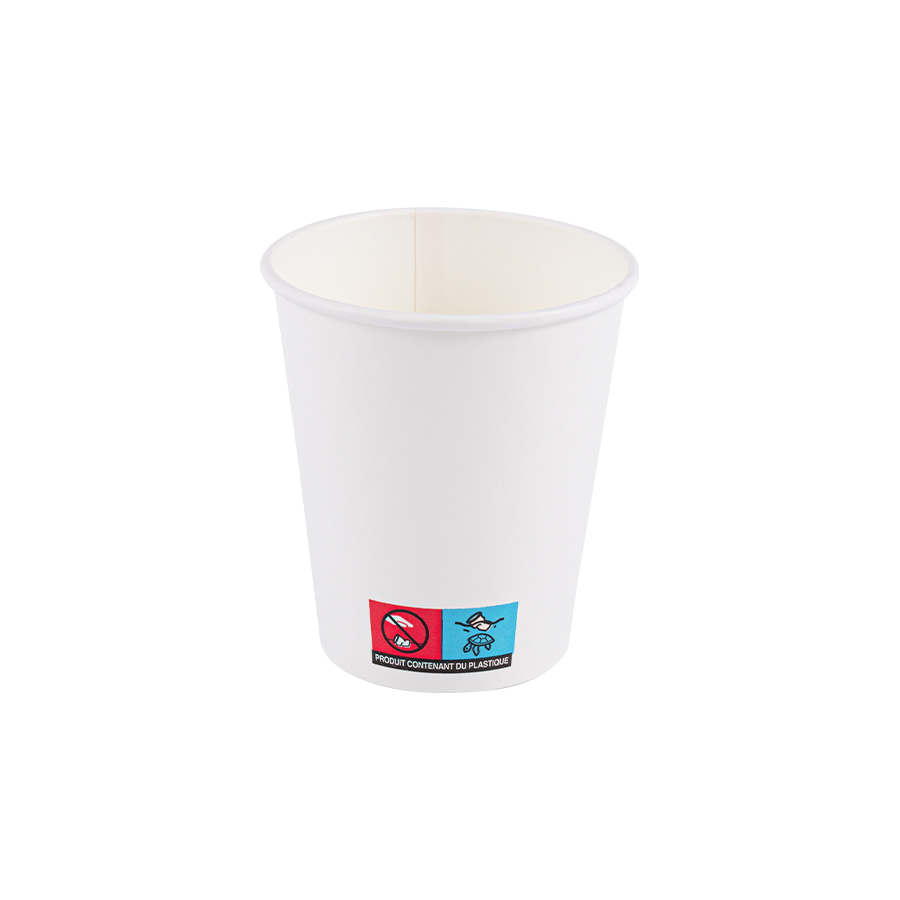
7.5oz Disposable Single-Wall Paper Cup for Automatic Vending Cup
-

8oz Double-Wall Kraft Paper Cup with Home-Compostable Plastic-Free Coating & Thermal Insulation
-
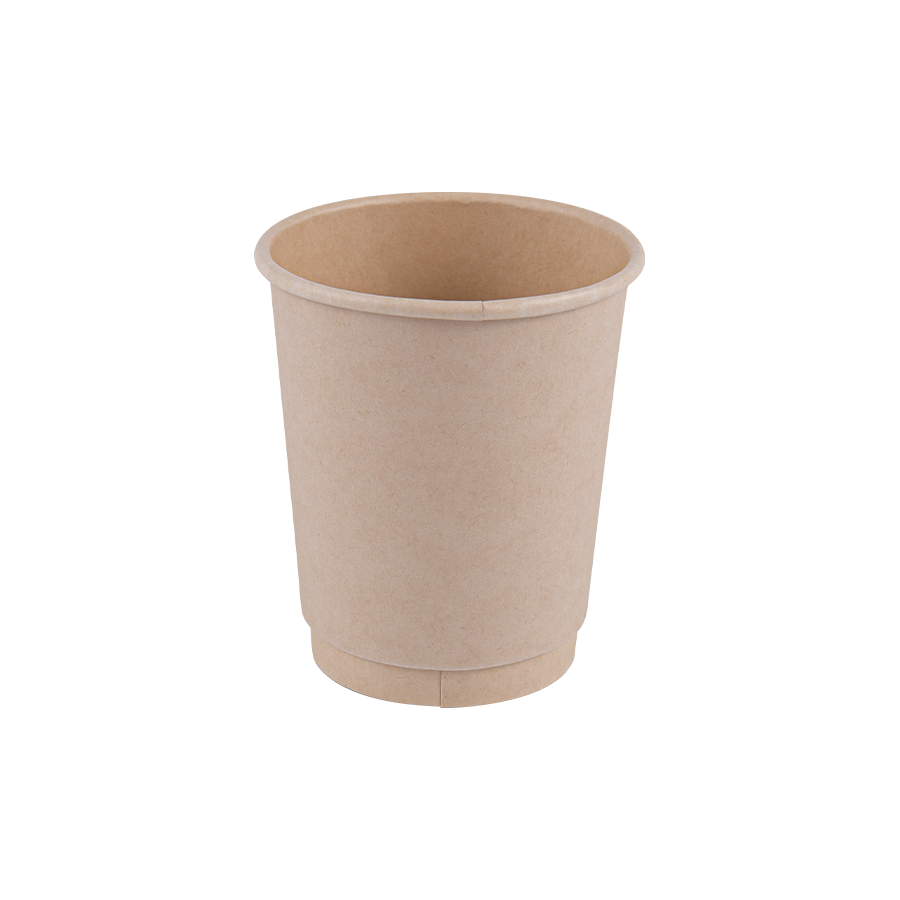
12oz (420ml) Bamboo Pulp Fiber Paper Cup with PLA Coating
-
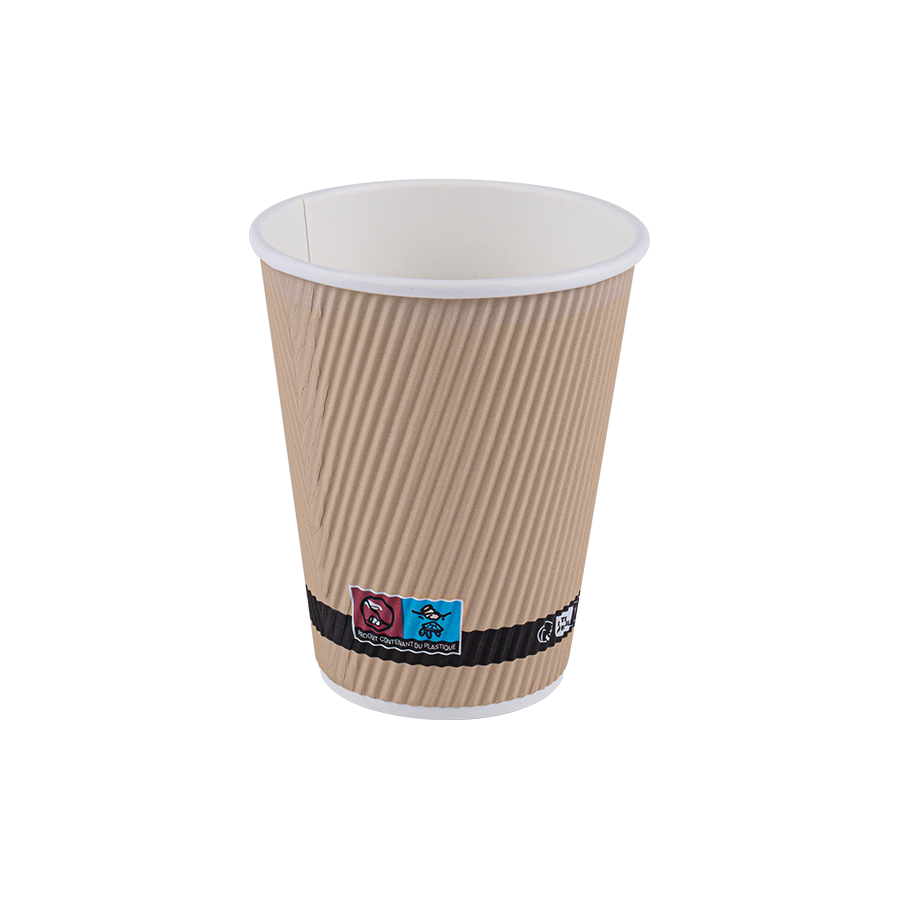
4oz Ripple Wall Paper Cup
-
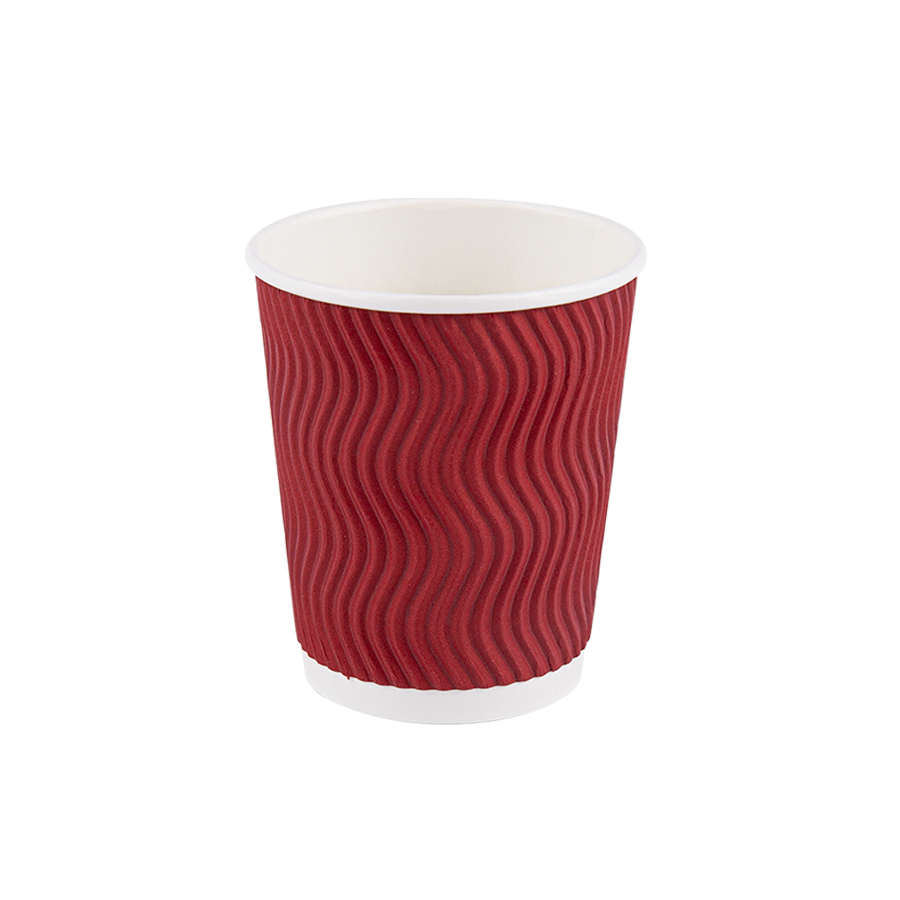
8oz 'S' Ripple Wall Paper Cup

- No. 9 Qilidian Road, Honglan Industrial Park, Lishui District, Nanjing Ctiy. China
- [email protected]
- ( +86 ) - 13327730591
Copyright © 2025 Nanjing smilepacking co., Ltd.
All Rights Reserved.

-
+86-15727116558
