
 English
 中文简体
中文简体 русский
 Español
 عربى
عربى


What is a 12oz bamboo pulp fiber PLA coated paper cup? Is it really more environmentally friendly than a regular paper cup?
Content
- 1 What Is a 12oz Bamboo Pulp Fiber Paper Cup with PLA Coating?
- 2 Why Bamboo Pulp Instead of Wood Pulp?
- 3 Understanding PLA Coating: How It Works and Why It Matters
- 4 Key Performance Specifications of the 12oz Format
- 5 Single Wall vs Double Wall Construction
- 6 Environmental Benefits and Honest Limitations
- 7 Printing, Branding, and Customization Options
- 8 Certifications to Look for When Sourcing
- 9 How to Select the Right Supplier
- 10 Conclusion
What Is a 12oz Bamboo Pulp Fiber Paper Cup with PLA Coating?
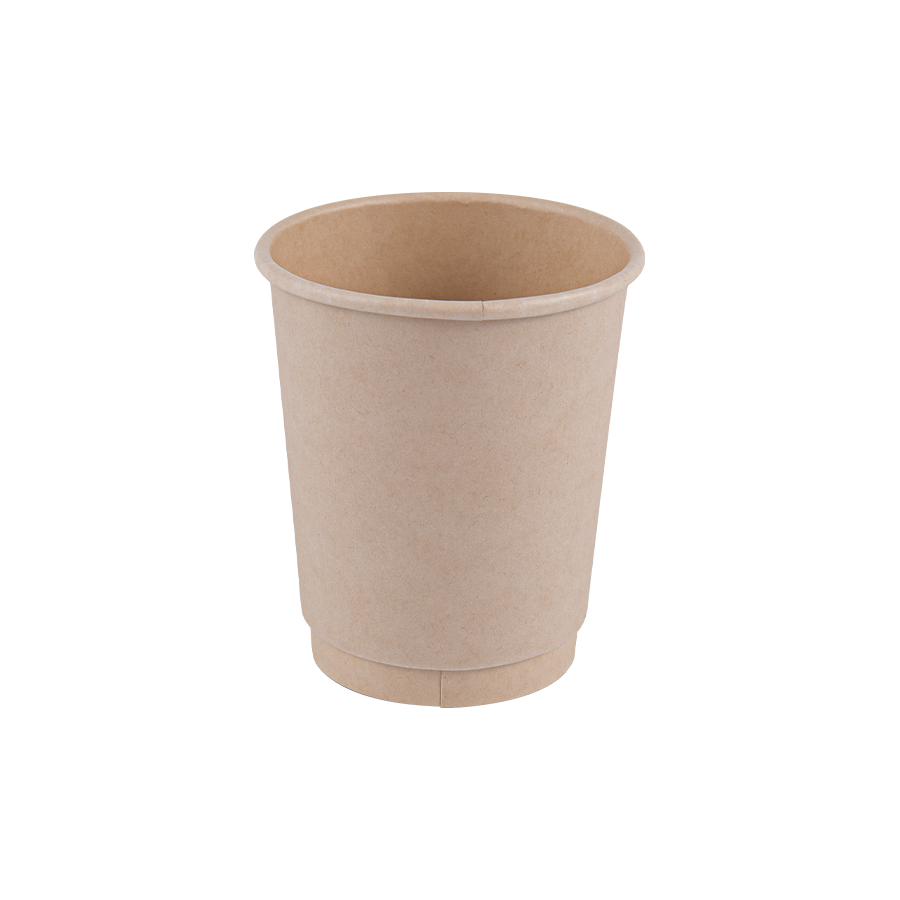
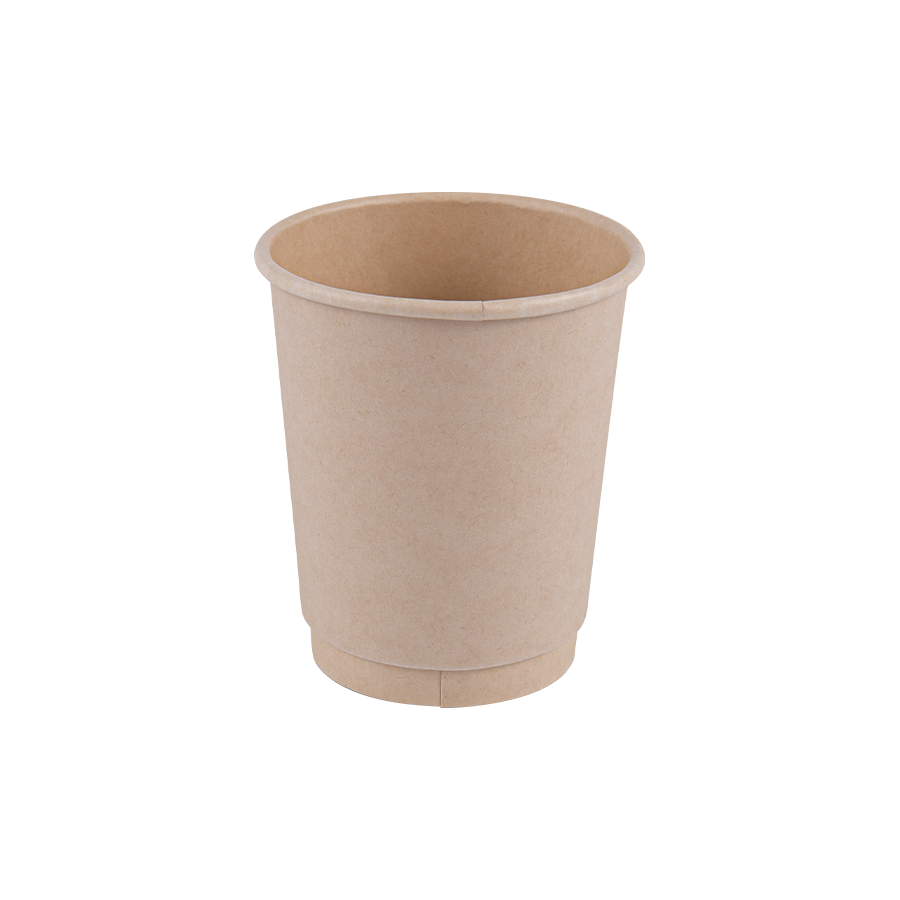
A 12oz (420ml) bamboo pulp fiber paper cup with PLA coating is a single-use beverage cup constructed from paper derived from bamboo plant fibers and lined on the interior with a thin layer of PLA (polylactic acid) — a bioplastic produced from renewable plant-based feedstocks such as corn starch or sugarcane. This cup format has emerged as one of the most commercially significant eco-friendly alternatives to conventional petroleum-based PE (polyethylene) coated paper cups in the foodservice industry. The 12oz size is particularly important because it corresponds directly to the standard serving size for hot beverages in cafés, coffee shops, quick-service restaurants, and office catering — making it the benchmark format for sustainable cup transition programs worldwide.
The combination of bamboo pulp as the structural material and PLA as the liquid barrier coating creates a cup that addresses two of the primary environmental criticisms leveled at conventional paper cups: the use of virgin wood pulp from slow-growing forests, and the use of fossil-fuel-derived polyethylene coatings that prevent the cup from being recycled through standard paper streams or composted at end of life. Understanding how these two material components work together — and where the performance trade-offs lie — is essential for foodservice operators, procurement managers, and sustainability teams evaluating cup transitions.
Why Bamboo Pulp Instead of Wood Pulp?
Bamboo is one of the fastest-growing plants on Earth, with certain species capable of growing up to 90 centimeters per day and reaching harvestable maturity in three to five years — compared to 25 to 70 years for the softwood and hardwood trees traditionally used in paper pulp production. This extraordinary growth rate makes bamboo a highly renewable raw material that can be harvested repeatedly from the same root system without replanting, significantly reducing land use intensity compared to conventional forestry operations. Bamboo forests also generate approximately 35% more oxygen and sequester more carbon dioxide per hectare than equivalent areas of timber forest, contributing positively to carbon cycle metrics that are increasingly important in corporate sustainability reporting.
From a paper manufacturing perspective, bamboo fibers are longer and stronger than many wood pulp fibers, which translates into paper with good tensile strength and stiffness properties suitable for formed cup applications. Bamboo pulp paper also has a naturally slightly off-white color and subtle texture that many brands find aesthetically appealing as a visual signal of natural, sustainable product positioning. The pulping process for bamboo is broadly similar to wood pulping and can be carried out using kraft or sulfite chemical processes, though bamboo's lower lignin content compared to hardwoods means it generally requires less chemical processing to achieve equivalent pulp brightness.
Understanding PLA Coating: How It Works and Why It Matters
PLA (polylactic acid) is a thermoplastic polyester derived from the fermentation of plant sugars — most commonly dextrose extracted from corn starch, though sugarcane and cassava are also used as feedstocks in different regional supply chains. The lactic acid produced by fermentation is polymerized into PLA resin pellets, which can then be processed using conventional plastics extrusion equipment to produce films, coatings, and formed articles. In the context of paper cups, PLA is applied as a thin extrusion coating — typically 15 to 25 microns thick — to the interior surface of the cup blank before it is formed into the final cup shape.
The PLA coating serves the same functional role as the PE coating in a conventional paper cup: it creates a moisture and liquid barrier that prevents hot beverages from saturating and weakening the paper structure, stops liquid from leaking through the cup wall or base, and provides a smooth, food-safe interior surface. The critical difference between PLA and PE coatings lies in their end-of-life behavior. PE is a persistent petroleum-derived polymer that cannot be separated from the paper fiber in standard paper recycling streams (requiring specialized equipment that most paper mills do not operate) and does not biodegrade in composting environments within any meaningful timeframe. PLA, by contrast, is certified compostable under industrial composting conditions to standards including EN 13432 in Europe and ASTM D6400 in North America, meaning it will break down completely into carbon dioxide, water, and biomass within 90 to 180 days in a properly managed industrial composting facility.
Key Performance Specifications of the 12oz Format
The 12oz (420ml) bamboo pulp PLA cup is designed to meet the performance demands of hot beverage service — primarily coffee and tea — while delivering the environmental credentials expected by sustainability-focused operators and consumers. The following table summarizes the key technical specifications typically associated with this cup format:
| Specification | Typical Value |
| Capacity | 12oz / 420ml |
| Cup height | Approx. 137–142mm |
| Top diameter | Approx. 90mm (fits standard 90mm lids) |
| Paper basis weight | 210–300 gsm (single wall); 170–200 gsm per layer (double wall) |
| PLA coating thickness | 15–25 microns (interior); optional exterior coating |
| Maximum liquid temperature | Up to 85–90°C (single wall); higher with double wall or sleeve |
| Compostability certification | EN 13432 / ASTM D6400 / OK Compost Industrial |
| Food safety compliance | EU Regulation 10/2011; FDA food contact standards |
| Bamboo pulp content | Typically 80–100% bamboo fiber (some blends include wood pulp) |
Single Wall vs Double Wall Construction
The 12oz bamboo PLA cup is available in both single wall and double wall construction formats, each suited to different service contexts and consumer experience priorities.
Single Wall Cups
Single wall cups consist of a single layer of bamboo pulp paperboard with interior PLA coating and are the standard, lower-cost format. They are lighter, more compact for storage and shipping, and use less material per cup. The primary limitation of single wall construction in the hot beverage context is heat transfer — the outer surface of the cup can become uncomfortably warm when filled with coffee or tea at serving temperature, necessitating the use of a corrugated cardboard sleeve or double-cupping to provide a comfortable grip. Single wall cups are suitable for operations where cup sleeves are already standard practice or where beverages are served at slightly lower temperatures.
Double Wall Cups
Double wall cups incorporate an outer layer of bamboo pulp paperboard separated from the inner cup wall by an air gap created during the cup-forming process, providing built-in thermal insulation that keeps the outer surface significantly cooler than the beverage temperature inside. This construction eliminates the need for a separate cup sleeve in most hot beverage applications, reducing material use at the point of service and improving the cup's tactile comfort for the consumer. Double wall bamboo PLA cups are somewhat heavier and more expensive per unit than their single wall equivalents, but the elimination of sleeve costs and the improved consumer experience make them the preferred format for premium café and specialty coffee operations where the cup is a direct expression of brand quality.
Environmental Benefits and Honest Limitations
The environmental case for 12oz bamboo pulp PLA cups is genuine but requires honest qualification to avoid greenwashing claims that undermine consumer trust and brand credibility.
Genuine Environmental Advantages
- Renewable raw materials: Both bamboo fiber and PLA are derived from rapidly renewable biological sources rather than finite petroleum reserves, reducing dependence on fossil fuel extraction for cup production.
- Industrial compostability: When correctly disposed of through industrial composting infrastructure, the entire cup — bamboo paper and PLA coating together — will break down into compost within 90 to 180 days, returning organic matter to the soil without leaving persistent microplastic residue.
- Reduced carbon footprint: Life cycle assessment studies consistently show that bamboo pulp PLA cups generate lower greenhouse gas emissions per cup compared to virgin wood pulp PE cups, primarily due to bamboo's rapid carbon sequestration and PLA's lower embodied carbon compared to PE.
- No PFAS or harmful coatings: PLA coatings contain no per- and polyfluoroalkyl substances (PFAS) — the "forever chemicals" that have been identified in some alternative grease-resistant paper coatings and are increasingly subject to regulatory restriction globally.
Limitations to Communicate Clearly
- Industrial composting dependency: PLA does not break down effectively in home compost bins, landfill conditions, or the natural environment at meaningful rates. Compostability benefits are only realized if the used cups are collected and sent to industrial composting facilities — infrastructure that remains limited in many geographies.
- Not recyclable in standard paper streams: Like PE-coated cups, PLA-coated cups cannot be processed in standard paper recycling mills without specialized separation equipment. Operators should not communicate these cups as "recyclable" without confirming access to a compatible collection and processing facility.
- Temperature limitations: PLA has a lower heat distortion temperature than PE, meaning that if cups are stored in very hot environments (such as delivery vehicles in summer or near commercial kitchen equipment), the PLA coating may soften before use. Most reputable suppliers formulate their PLA to withstand beverage temperatures up to 85–90°C in normal service, but this should be confirmed with specific product documentation.
Printing, Branding, and Customization Options
The exterior surface of bamboo pulp PLA cups is printable using water-based or UV-cured inks compatible with food contact paper packaging. The natural off-white or light tan color of unbleached bamboo pulp paper provides a warm, organic backdrop that many sustainability-focused brands find visually aligned with their brand identity — complementing earthy color palettes and natural design aesthetics. Fully bleached bamboo pulp paper is also available for brands requiring a bright white exterior surface for maximum print color accuracy and contrast.
Custom printing is available from most manufacturers through offset lithography (for high-volume orders where plate costs are amortized across large quantities) or digital printing (for shorter runs, multiple design variants, or test market quantities). Minimum order quantities for custom printed bamboo PLA cups vary by supplier and print method, typically ranging from 10,000 to 50,000 cups for offset-printed orders and from 2,000 to 10,000 cups for digitally printed runs. Full-wrap printing covering the entire cup exterior, spot color designs, and Pantone color matching are all available within standard cup manufacturing capabilities.
Certifications to Look for When Sourcing
When evaluating suppliers of 12oz bamboo pulp PLA cups, the following certifications provide meaningful assurance of environmental claims and food safety compliance:
- EN 13432 / ASTM D6400: The primary European and North American standards for industrial compostability of packaging materials. Both the cup paper and PLA coating should be covered by a valid certification from an accredited certification body such as TÜV Austria (OK Compost), DIN CERTCO, or BPI.
- FSC or PEFC certification: Even where bamboo rather than wood pulp is used, forest and land management certification from FSC (Forest Stewardship Council) or PEFC confirms that the bamboo raw material is sourced from responsibly managed plantations with verified environmental and social standards.
- FDA food contact compliance: For the US market, the PLA coating and printing inks must comply with FDA 21 CFR regulations for food contact materials. Suppliers should be able to provide a Declaration of Compliance (DoC) document for the specific cup construction.
- EU Regulation 10/2011: For the European market, food contact materials must comply with this regulation governing plastic materials and articles in contact with food, including specific migration limits for PLA components.
- ISO 9001 manufacturing certification: Confirms that the manufacturing facility operates a documented quality management system, providing assurance of consistent product quality, dimensional accuracy, and process control across production runs.
How to Select the Right Supplier
The market for bamboo pulp PLA cups has expanded rapidly in recent years, bringing with it significant variation in product quality, certification authenticity, and supplier reliability. The following criteria help procurement teams identify credible, high-quality supply partners:
- Request copies of all relevant certifications directly from the issuing certification body's database rather than accepting supplier-provided copies alone — certificate fraud is a documented issue in the sustainable packaging market.
- Ask for production samples and conduct independent leak testing, stack compression testing, and heat resistance evaluation before committing to a bulk order — critical performance parameters vary significantly between manufacturers even for nominally identical specifications.
- Verify the actual bamboo pulp content percentage — some products marketed as "bamboo cups" contain only a small fraction of bamboo fiber blended with conventional wood pulp. Request pulp composition documentation from the paperboard mill.
- Confirm the supplier's capacity to maintain consistent supply at your required volume, including during peak demand periods, and establish clear lead time expectations for both standard stock and custom-printed orders.
Conclusion
The 12oz bamboo pulp fiber paper cup with PLA coating represents a substantive and well-engineered step forward from conventional PE-coated paper cups in terms of raw material renewability, end-of-life compostability, and overall environmental footprint. For foodservice operators committed to transitioning away from fossil-fuel-derived packaging materials, it offers a format that meets the practical demands of hot beverage service — leak resistance, thermal performance, printability, and lid compatibility — while delivering credible sustainability credentials that resonate with increasingly environmentally aware consumers. Success with this cup format depends on honest communication about its compostability requirements, investment in appropriate waste collection infrastructure, and rigorous supplier qualification to ensure that the environmental claims made on the cup are backed by verified, audited certification.
LATEST POST
Let’s create something amazing together
contact usFeatured Products
-

16oz(500ml)PLA Biodegradable Single-Wall Paper Cup
-
7.5oz Disposable Single-Wall Paper Cup for Automatic Vending Cup
-
8oz Double-Wall Kraft Paper Cup with Home-Compostable Plastic-Free Coating & Thermal Insulation
-
12oz (420ml) Bamboo Pulp Fiber Paper Cup with PLA Coating
-
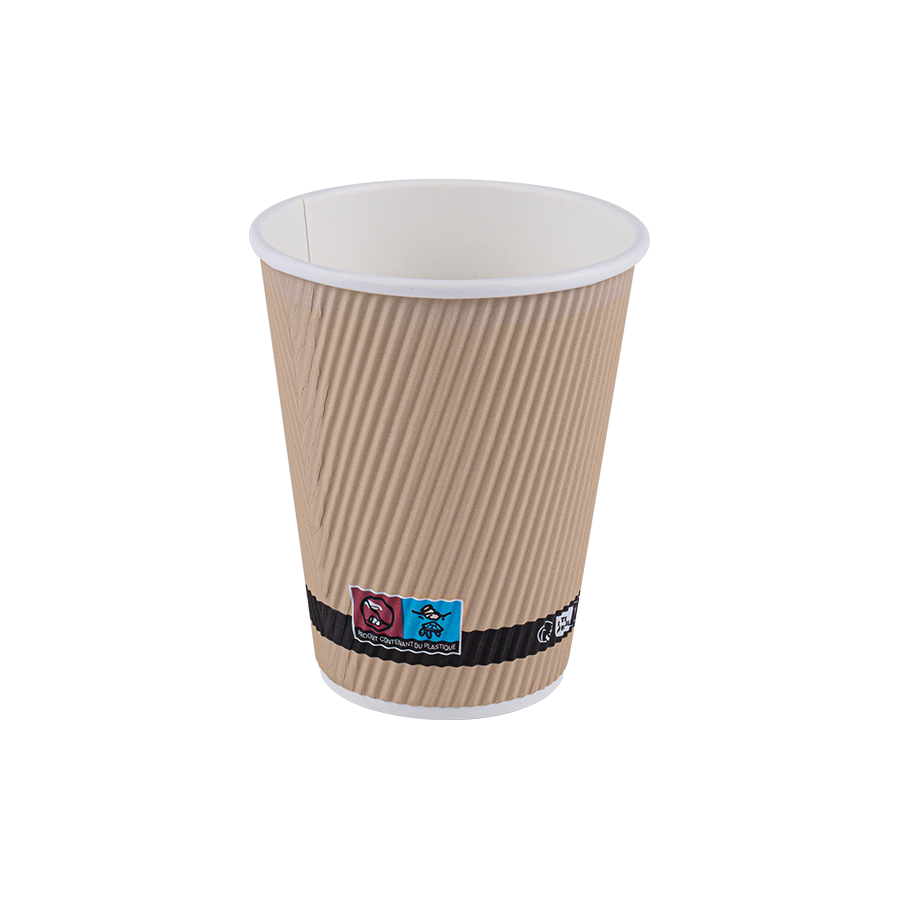
4oz Ripple Wall Paper Cup
-
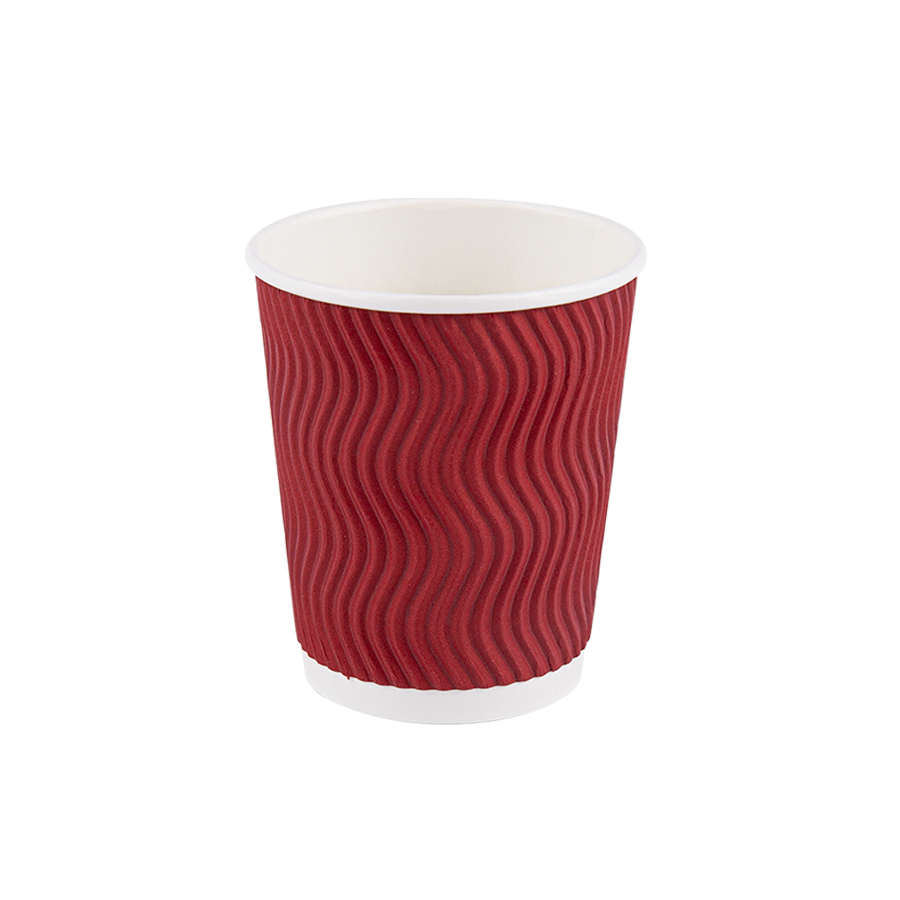
8oz 'S' Ripple Wall Paper Cup

- No. 9 Qilidian Road, Honglan Industrial Park, Lishui District, Nanjing Ctiy. China
- [email protected]
- ( +86 ) - 13327730591
Copyright © 2025 Nanjing smilepacking co., Ltd.
All Rights Reserved.

-
+86-15727116558
