
 English
 中文简体
中文简体 русский
 Español
 عربى
عربى


Why Are Double Wall Paper Cups a Smarter Choice for Hot Beverages?
Content
What Are Double Wall Paper Cups
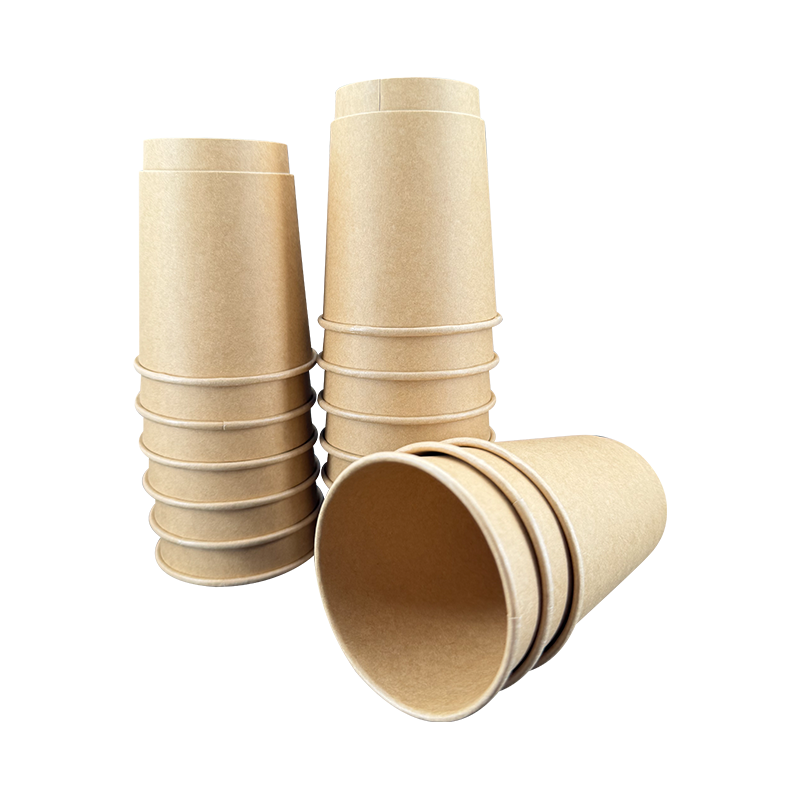
Double wall paper cups are disposable drink containers constructed with two layers of paperboard rather than a single layer, creating an insulating air gap between the inner and outer walls. This design is specifically engineered to keep hot beverages such as coffee, tea, and hot chocolate at a comfortable serving temperature while preventing heat from transferring directly to the hand holding the cup. Unlike single-wall cups, which often require an additional cardboard sleeve to make handling safe, double wall cups eliminate the need for a separate sleeve entirely, streamlining both the customer experience and the operational process for cafes and food service businesses.
The two-layer construction also adds structural rigidity to the cup, making it less prone to crushing or collapsing under normal handling pressure. This combination of insulation and durability has made double wall paper cups a preferred choice for coffee shops, restaurants, offices, and event venues where hot beverage service is a regular part of daily operations.
How Double Wall Construction Provides Insulation
The insulating effect of a double wall cup comes primarily from the trapped air layer between the inner and outer paperboard walls. Air is a poor conductor of heat, so this gap significantly slows the rate at which heat from the beverage transfers outward to the cup's exterior surface. As a result, the outer wall remains noticeably cooler to the touch compared to a single-wall cup holding the same hot liquid.
During manufacturing, the two paperboard layers are formed and bonded together in a way that maintains this air gap consistently around the cup's circumference, rather than allowing the layers to press flat against one another. Precision in this forming process is essential, since inconsistent gaps can lead to uneven insulation performance and potential weak points in the cup's structure.
Key Benefits of Double Wall Paper Cups
Businesses and consumers alike benefit from several practical advantages that double wall paper cups offer over single-wall alternatives:
- Reduced risk of burns from handling hot beverages without an additional sleeve
- Improved heat retention, keeping beverages warmer for longer periods
- Greater structural strength, reducing the likelihood of cup collapse or spills
- Elimination of separate cup sleeves, reducing overall packaging waste and cost
- Enhanced surface area for branding and design, improving customer-facing presentation
These combined benefits explain why many coffee shops and quick-service restaurants have shifted toward double wall cups despite their generally higher per-unit cost compared to single-wall options.
Common Sizes and Their Typical Uses
Double wall paper cups are produced in a range of standard sizes to accommodate different beverage types and serving preferences. The table below outlines common sizing options used across the food service industry.
Cup SizeVolumeCommon UseSmall6-8 ozEspresso-based drinks, teaMedium10-12 ozStandard coffee, hot chocolateLarge16 ozLarge coffee, specialty beveragesExtra Large20 oz and aboveBulk servings, extended-stay events
Choosing the correct size for a given menu offering helps businesses control portioning consistency while also managing material costs across high-volume service periods.
Material Considerations and Environmental Impact
Coating Types
Most paper cups require an interior coating to prevent liquid from soaking through the paperboard. Traditional polyethylene coatings have long been the industry standard, but they complicate recycling since the plastic and paper components must be separated during processing. Increasingly, manufacturers offer cups coated with compostable materials such as PLA, a plant-based plastic alternative, which allows the cup to break down more readily in industrial composting facilities.
Sourcing and Certification
Environmentally conscious buyers often look for paperboard sourced from responsibly managed forests, indicated by certifications from recognized forestry stewardship organizations. This certification confirms that the raw material was harvested using sustainable practices that support long-term forest health rather than contributing to deforestation.
How to Choose the Right Supplier
When selecting a double wall paper cup supplier, businesses should request product samples to evaluate insulation performance, print quality, and overall cup rigidity under typical handling conditions. Confirming the supplier's production capacity and lead times is also important, particularly for businesses with seasonal demand fluctuations or plans to scale operations across multiple locations.
It is worth asking suppliers about available customization options, including printed branding, size variations, and coating types, since these details can significantly affect both customer perception and long-term operating costs. Reviewing compliance documentation related to food safety standards is equally important to ensure the cups meet regulatory requirements for direct food and beverage contact.
Best Practices for Storage and Handling
Proper storage helps maintain the structural integrity of double wall paper cups before use. Cups should be kept in a dry, temperature-controlled environment, since excessive humidity can weaken the paperboard and affect the cup's ability to hold its shape once filled with liquid. Stacking cups according to the manufacturer's recommended maximum stack height also prevents unnecessary pressure on lower cups, which could otherwise lead to deformation or a compromised insulating air gap.
Training staff on proper handling procedures, such as avoiding overfilling and ensuring lids are securely fitted, further reduces the risk of spills and helps maintain a consistent, professional presentation for customers receiving hot beverages in these cups.
Featured Products
-

16oz(500ml)PLA Biodegradable Single-Wall Paper Cup
-
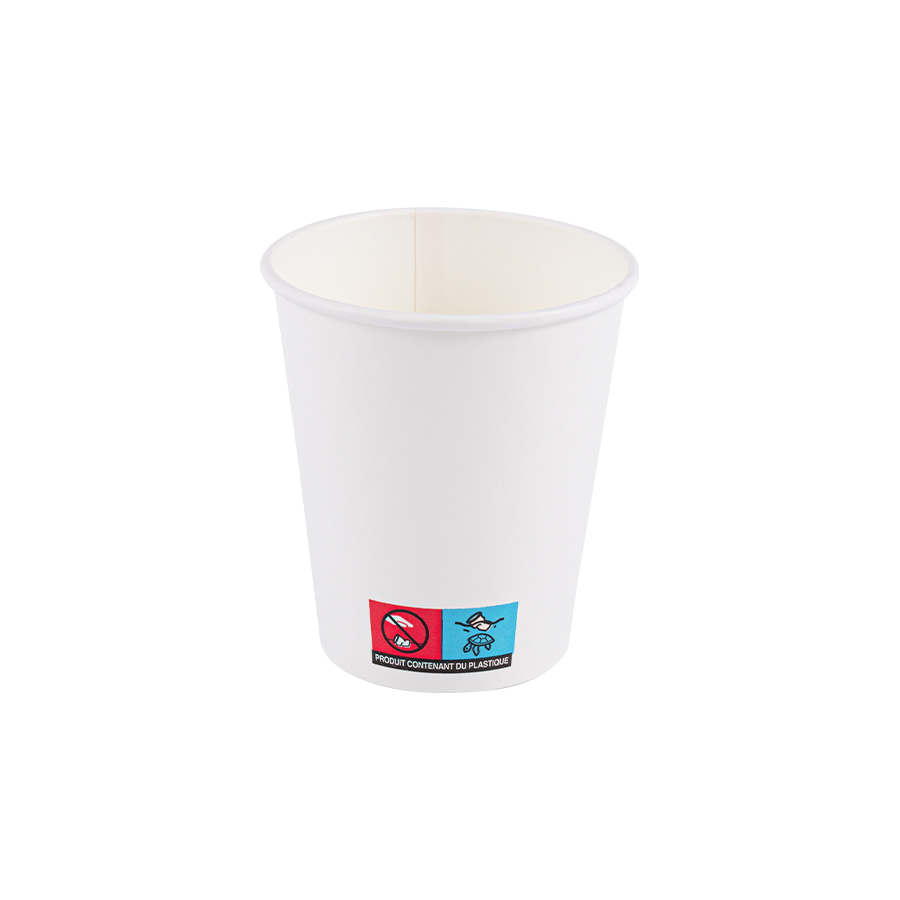
7.5oz Disposable Single-Wall Paper Cup for Automatic Vending Cup
-
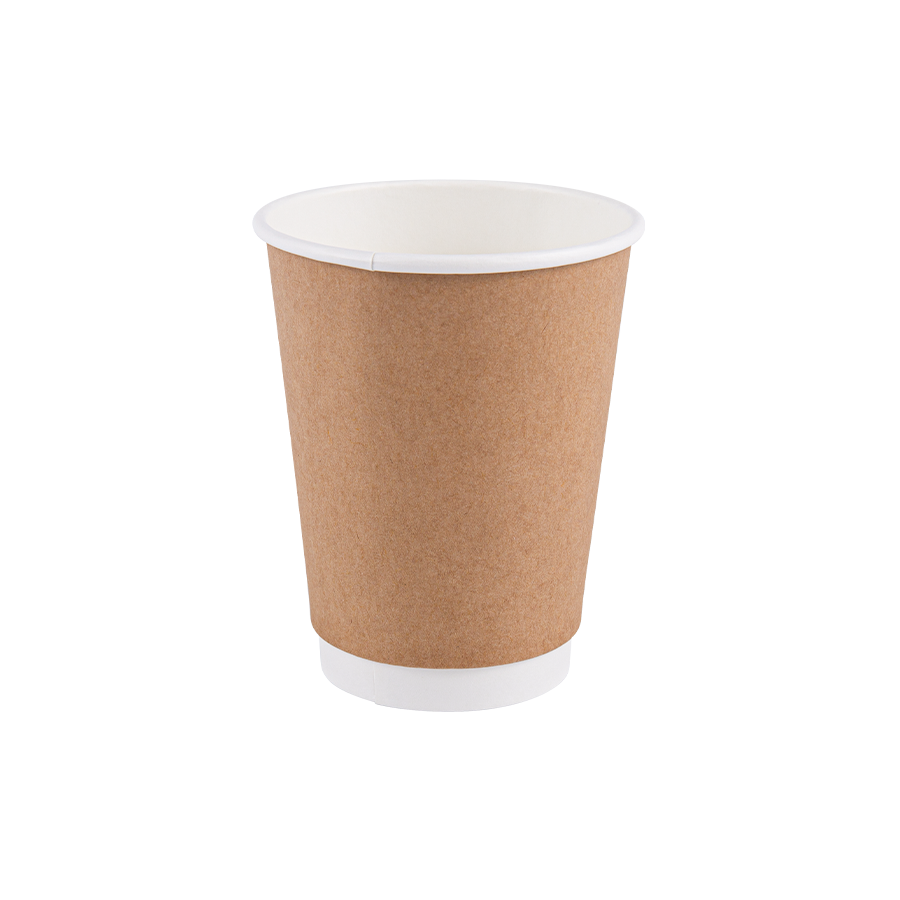
8oz Double-Wall Kraft Paper Cup with Home-Compostable Plastic-Free Coating & Thermal Insulation
-
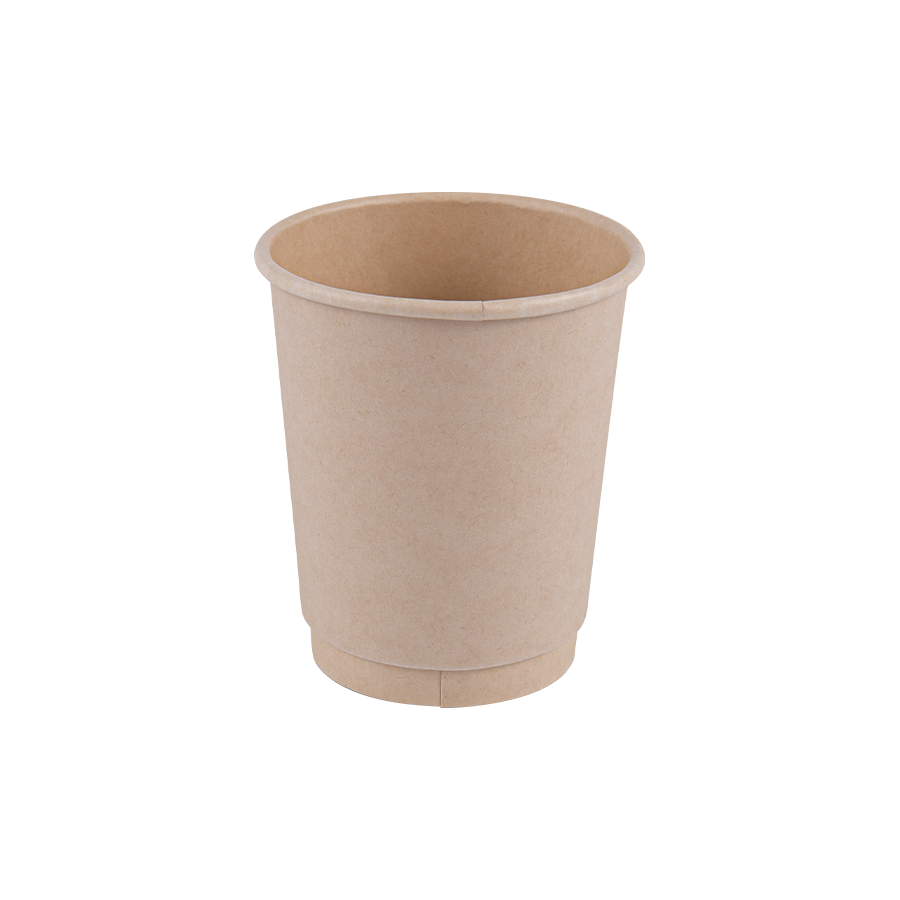
12oz (420ml) Bamboo Pulp Fiber Paper Cup with PLA Coating
-
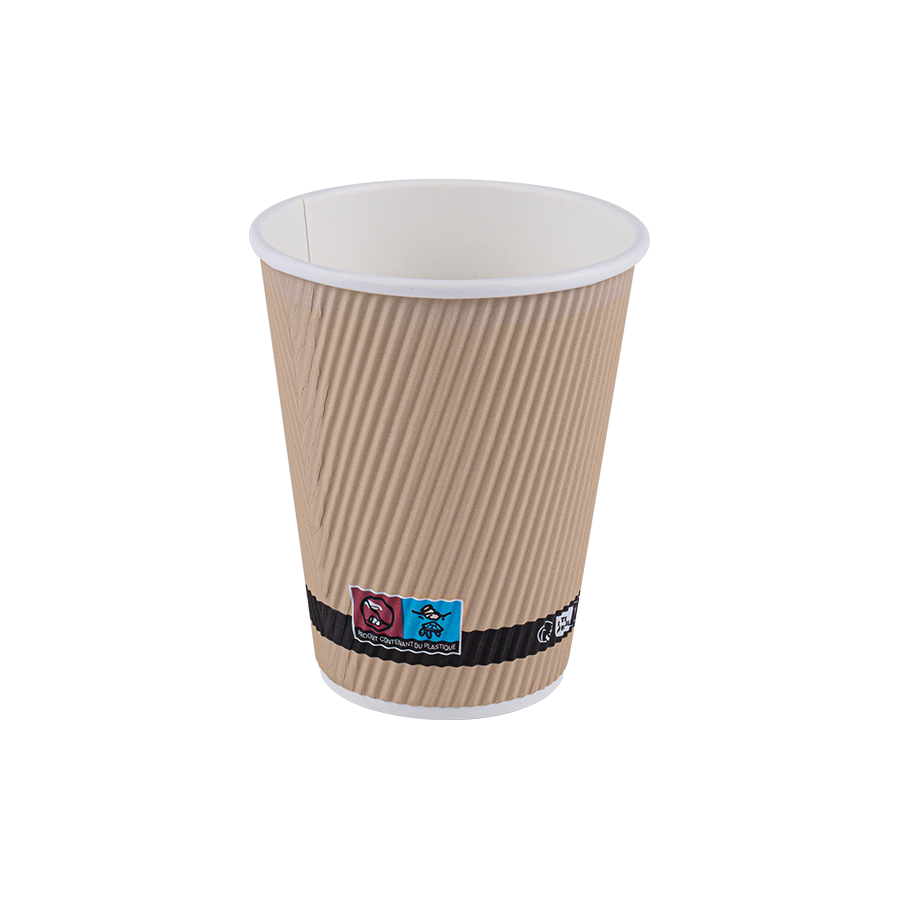
4oz Ripple Wall Paper Cup
-
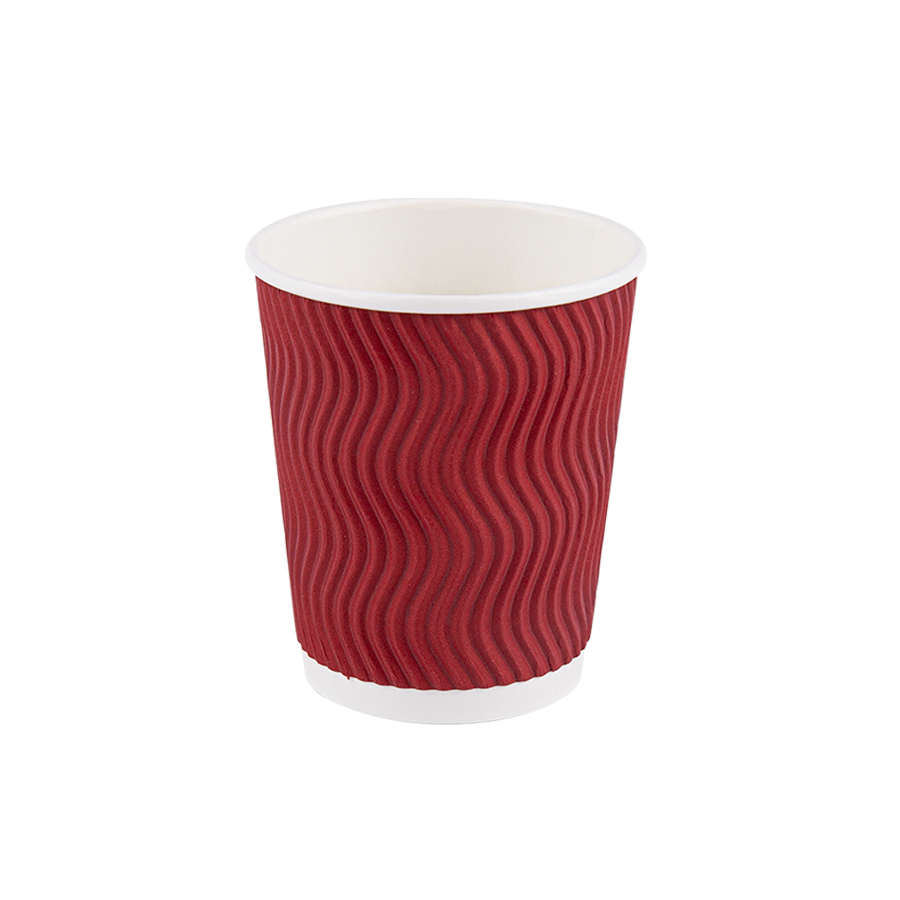
8oz 'S' Ripple Wall Paper Cup

- No. 9 Qilidian Road, Honglan Industrial Park, Lishui District, Nanjing Ctiy. China
- [email protected]
- ( +86 ) - 13327730591
Copyright © 2025 Nanjing smilepacking co., Ltd.
All Rights Reserved.

-
+86-15727116558
