
 English
 中文简体
中文简体 русский
 Español
 عربى
عربى


What Size Disposable Paper Bowl Do You Actually Need?
Content
- 1 Why Bowl Size Matters More Than Most People Realize
- 2 Standard Soup Bowl Size Chart: Capacity by Use Case
- 3 How Disposable Paper Bowls Are Sized and Constructed
- 4 Matching Paper Bowl Size to Common Food Service Applications
- 5 Key Specifications to Check When Ordering Disposable Paper Bowls in Bulk
- 6 Comparing Disposable Paper Bowl Options: Single-Wall vs. Double-Wall vs. Compostable
Why Bowl Size Matters More Than Most People Realize
Choosing the wrong bowl size is one of the most common and costly mistakes in food service, catering, and even everyday home use. A bowl that is too small forces customers to request refills, creates overflow spills during transport, and leaves a poor impression. A bowl that is too large makes portions look inadequate, wastes packaging material, increases per-unit cost, and adds unnecessary weight to delivery orders. For disposable paper bowls specifically — where you are purchasing in bulk quantities of 500, 1,000, or more units — getting the size wrong from the outset means absorbing a significant material cost before the mistake becomes apparent in actual service.
Bowl sizing is also directly tied to consumer psychology around value perception. Research in food service consistently shows that a filled or nearly filled bowl signals generosity and satisfaction, while the same quantity of food in an oversized bowl reads as a small portion. Matching bowl capacity to typical serving size is therefore not just a logistical decision but a presentation decision that affects customer satisfaction and repeat business.
Standard Soup Bowl Size Chart: Capacity by Use Case
Bowl sizes are measured in fluid ounces (fl oz) in the United States and milliliters (ml) in most of the rest of the world. The following chart covers the standard size range for soup bowls — both reusable ceramic and disposable paper formats — and maps each size to its most appropriate food service application:
| Capacity (fl oz) | Capacity (ml) | Common Name | Typical Applications |
| 8 fl oz | 237 ml | Cup / side bowl | Side soup, dipping sauces, kids' servings |
| 12 fl oz | 355 ml | Small soup bowl | Cup of soup, appetizer portions, oatmeal |
| 16 fl oz | 473 ml | Standard soup bowl | Entrée soup, ramen, pho, chili, stew |
| 20 fl oz | 591 ml | Large soup bowl | Large entrée portions, noodle soups, gumbo |
| 24 fl oz | 710 ml | Extra-large / meal bowl | Grain bowls, rice bowls, hearty stews, poke bowls |
| 32 fl oz | 946 ml | Quart / family bowl | Family-style portions, catering, bulk service |
It is important to note that the stated capacity of a bowl is its total volume to the brim — not a recommended fill level. In practice, soup bowls are filled to approximately 75–80% of their rated capacity to allow safe transport and prevent spills. A bowl labeled 16 fl oz therefore holds a practical serving of approximately 12–13 fl oz of liquid. When converting customer serving expectations ("we serve a full pint of soup") to bowl size, always add 20–25% to the serving size to arrive at the appropriate bowl capacity.
How Disposable Paper Bowls Are Sized and Constructed
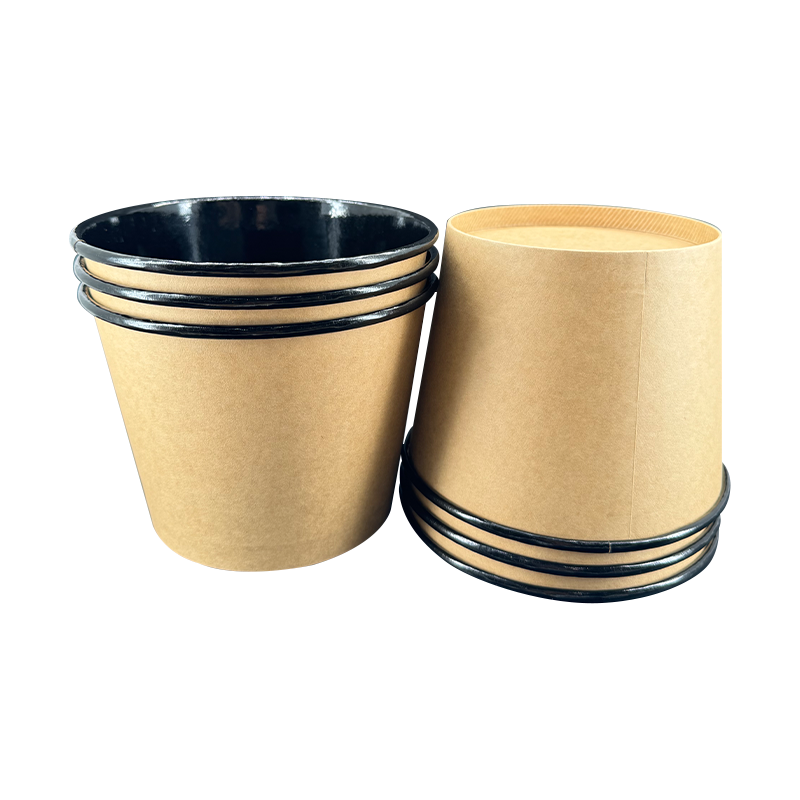
Disposable paper bowls follow the same capacity sizing conventions as reusable bowls, but their physical dimensions — diameter, height, and wall angle — differ from ceramic or melamine bowls of the same stated capacity. Paper bowls are typically wider and shallower than ceramic counterparts of equivalent volume, because a flatter profile stacks more efficiently and is more stable when filled with liquid. Understanding these dimensional differences matters when estimating how a food product will look in a paper bowl versus a ceramic presentation, or when selecting lids that must seal correctly to the bowl rim.
Paper Bowl Wall Construction and Heat Resistance
Standard single-wall paper bowls are constructed from a food-grade paperboard substrate coated on the interior with a thin film of polyethylene (PE) that provides moisture resistance and prevents the paper from absorbing liquid and collapsing. Single-wall bowls are adequate for room-temperature foods, cold items, and short-hold warm applications, but they conduct heat readily — a bowl of hot soup in a single-wall paper bowl will feel uncomfortably warm to hold within 30–60 seconds of filling.
Double-wall paper bowls address this problem by bonding two layers of paperboard together with an air gap between them, creating insulation that keeps the outer surface at a manageable temperature even when the interior holds liquid at 80–90°C. Double-wall construction adds cost — typically 20–40% more per unit than equivalent single-wall bowls — but is strongly recommended for hot soups, ramen, pho, and any application where customers will hold the bowl in their hands rather than setting it on a table immediately.
PE-Coated vs. PLA-Coated Paper Bowls
The interior lining of a paper bowl determines both its heat resistance and its environmental profile. Traditional PE (polyethylene) lined bowls are highly effective moisture barriers but are not compostable — the PE film prevents the paperboard from breaking down in commercial composting facilities. PLA (polylactic acid) lined bowls use a bio-based plastic derived from corn starch that is certified compostable in commercial composting conditions (ASTM D6400 or EN 13432 standard). PLA-lined bowls are an increasingly popular choice for food businesses with sustainability commitments and for municipalities that operate commercial composting programs. The trade-off is that PLA has a lower heat tolerance than PE — PLA linings can soften and lose integrity above approximately 49°C (120°F), making them unsuitable for very hot soups unless specifically rated for hot-fill applications by the manufacturer.
Matching Paper Bowl Size to Common Food Service Applications
Different food service formats have distinct bowl size requirements based on portion standards, menu positioning, and the physical characteristics of the food being served. The following guidelines cover the most common applications:
- Soup bars and deli counters: The 12 fl oz (355 ml) size is the standard "cup of soup" in most North American deli and soup bar contexts, paired with a 16 fl oz or 20 fl oz "bowl" option. Having both sizes available allows customers to self-select based on appetite and price sensitivity. For chunky soups with solid ingredients (vegetables, beans, noodles), the 16 fl oz bowl is the minimum practical size — smaller bowls become difficult to eat from with a spoon when filled with solid components.
- Asian noodle soups (ramen, pho, udon): These dishes require the 20–24 fl oz range at minimum. The broth volume alone in a standard restaurant serving of pho is typically 12–14 fl oz, with noodles and toppings filling the remainder of the bowl. A 16 fl oz paper bowl is undersized for these formats and will result in an unsatisfying presentation with noodles piled above the rim. Purpose-designed ramen paper bowls in the 26–32 fl oz range with straight sides and fitted lids are available from specialty foodservice packaging suppliers for dedicated noodle soup operations.
- Grain bowls, poke bowls, and Buddha bowls: These formats are built around a base of rice, quinoa, or greens topped with proteins and sauces, and require a wide-mouth bowl with sufficient volume to accommodate layering without mixing. The 24–32 fl oz range in a wide, shallow profile is ideal. The wide mouth also allows customers to see the toppings arrangement, which is important for the visual appeal that drives social media sharing and repeat orders in this format.
- Catering and event service: For buffet-style soup service at events, 8–12 fl oz bowls allow guests to sample soups without committing to a full portion, reducing food waste and allowing the same guest to try multiple soup options. For sit-down catered meals with a soup course, 12–16 fl oz is the appropriate range — generous enough to satisfy as a course but not so large that it creates a full-meal portion before the entrée arrives.
- Meal prep and takeout delivery: For delivery orders where soup or stew travels in a sealed container, a bowl with a secure-fitting lid is essential. Standard paper bowls in the 16–24 fl oz range pair with dome or flat lids that press-lock onto the rim. For delivery applications, double-wall construction is strongly recommended — single-wall bowls soften more rapidly when filled with hot liquid and subjected to the movement of transport, increasing the risk of structural failure during delivery.
Key Specifications to Check When Ordering Disposable Paper Bowls in Bulk
When purchasing paper bowls in bulk for food service use, the product listing description often omits or obscures specifications that materially affect suitability for the intended application. Verifying the following specifications before placing a bulk order prevents costly mismatches between product performance and operational requirements:
- Actual vs. nominal capacity: Some manufacturers list nominal (brim-full) capacity while others list a "working capacity" at 75–80% fill. Confirm which measurement standard applies to the product you are evaluating. A bowl listed as "16 oz working capacity" may have a brim-full volume of 20 oz — significantly larger and taller than a true 16 oz brim-full bowl, which affects lid compatibility and stacking.
- Top rim diameter: The rim diameter determines lid compatibility. Standard bowl rim diameters for common sizes are approximately 4.5 inches for 12 oz, 5 inches for 16 oz, and 5.5–6 inches for 20–24 oz bowls, but these are not universal — always confirm rim diameter matches the lid you plan to use before ordering in bulk.
- Maximum temperature rating: Confirm the bowl's rated maximum temperature for hot-fill applications. PE-lined bowls are typically rated to 93°C (200°F); PLA-lined bowls may be rated only to 49°C (120°F) unless specifically designed for hot use. Using a bowl beyond its rated temperature causes liner softening and potential leaching of the lining material into the food.
- Food safety certification: Verify that the bowls carry relevant food contact certifications for your market — FDA food contact compliance in the United States, EU Regulation 10/2011 in Europe, or equivalent national standards. This documentation should be available from the supplier on request and is required for commercial food service operations in most regulatory jurisdictions.
- Grease resistance: For bowls used with oily foods — chili with high fat content, curries, or grain bowls with dressings — verify that the bowl carries a grease resistance rating (typically expressed as a Kit Rating from 1–12 per TAPPI T 559 standard). A minimum Kit Rating of 6 is recommended for moderately fatty foods; heavily oily applications require Kit Rating 10–12 to prevent grease strike-through that weakens the bowl structure and creates an unsanitary exterior surface.
Comparing Disposable Paper Bowl Options: Single-Wall vs. Double-Wall vs. Compostable
The three main categories of disposable paper bowls each serve different operational needs, and many food service operations use more than one type for different menu items or service formats. The table below summarizes the key trade-offs to guide selection:
| Bowl Type | Heat Retention | Compostable | Cost per Unit | Best For |
| Single-wall PE-lined | Low | No | Lowest | Cold / ambient foods, set-down service |
| Double-wall PE-lined | High | No | Medium | Hot soups, hand-held service, delivery |
| Single-wall PLA-lined | Low | Yes (commercial) | Medium–High | Cold / warm foods, sustainability programs |
| Double-wall PLA-lined | High | Yes (commercial) | Highest | Hot soups + sustainability, premium service |
For most general-purpose food service operations serving hot soups and stews as a core menu item, double-wall PE-lined bowls in the 16–20 fl oz range represent the best balance of performance, cost, and operational reliability. Operations with active composting programs or strong sustainability branding should evaluate double-wall PLA-lined options in the same capacity range, verifying that their waste stream actually routes to a commercial composting facility — PLA products offer no environmental benefit over PE if they end up in landfill, where neither material decomposes meaningfully.
LATEST POST
Let’s create something amazing together
contact usFeatured Products
-

16oz(500ml)PLA Biodegradable Single-Wall Paper Cup
-
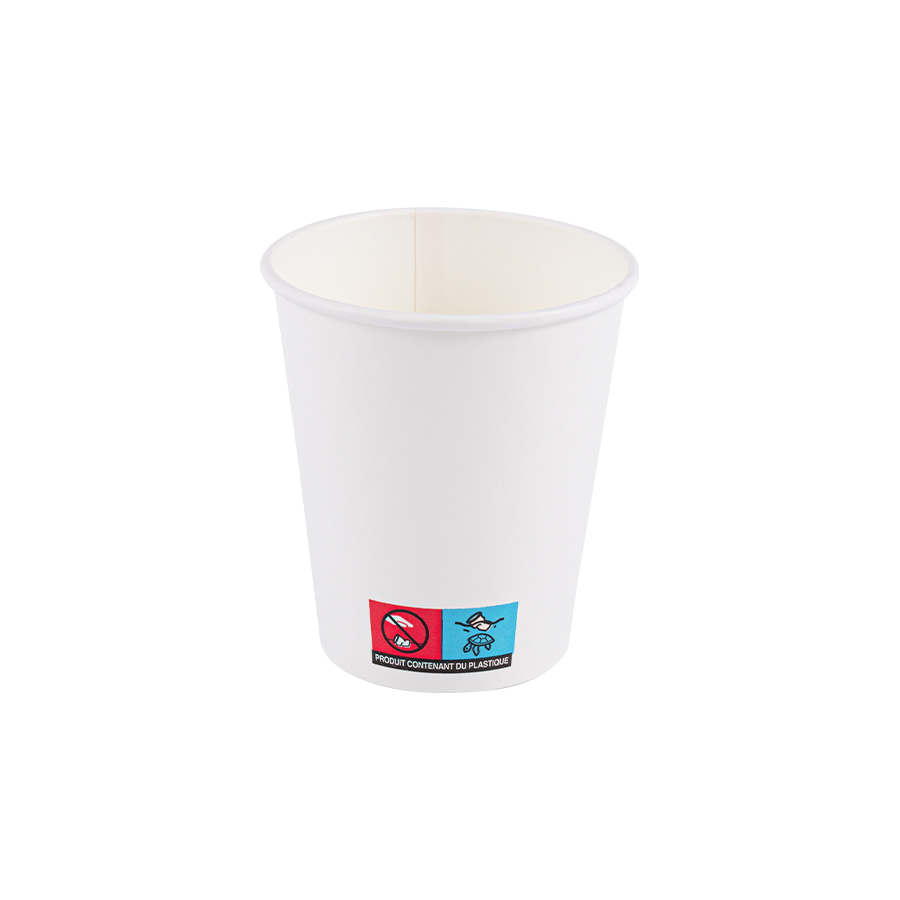
7.5oz Disposable Single-Wall Paper Cup for Automatic Vending Cup
-
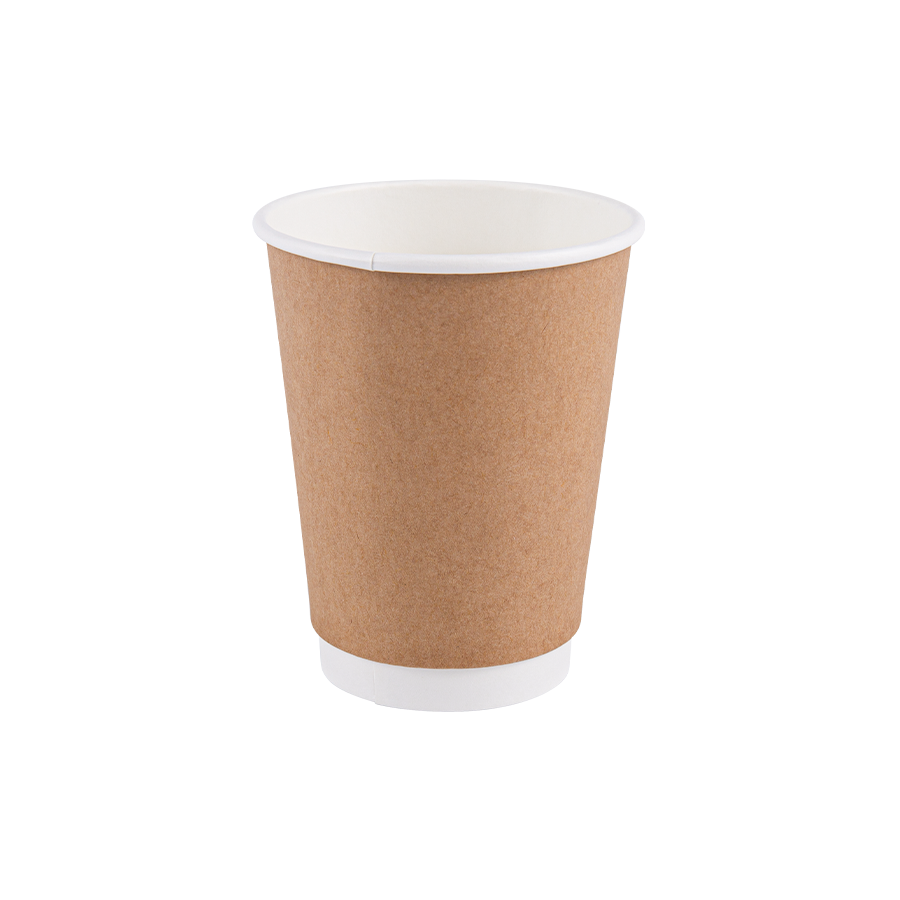
8oz Double-Wall Kraft Paper Cup with Home-Compostable Plastic-Free Coating & Thermal Insulation
-
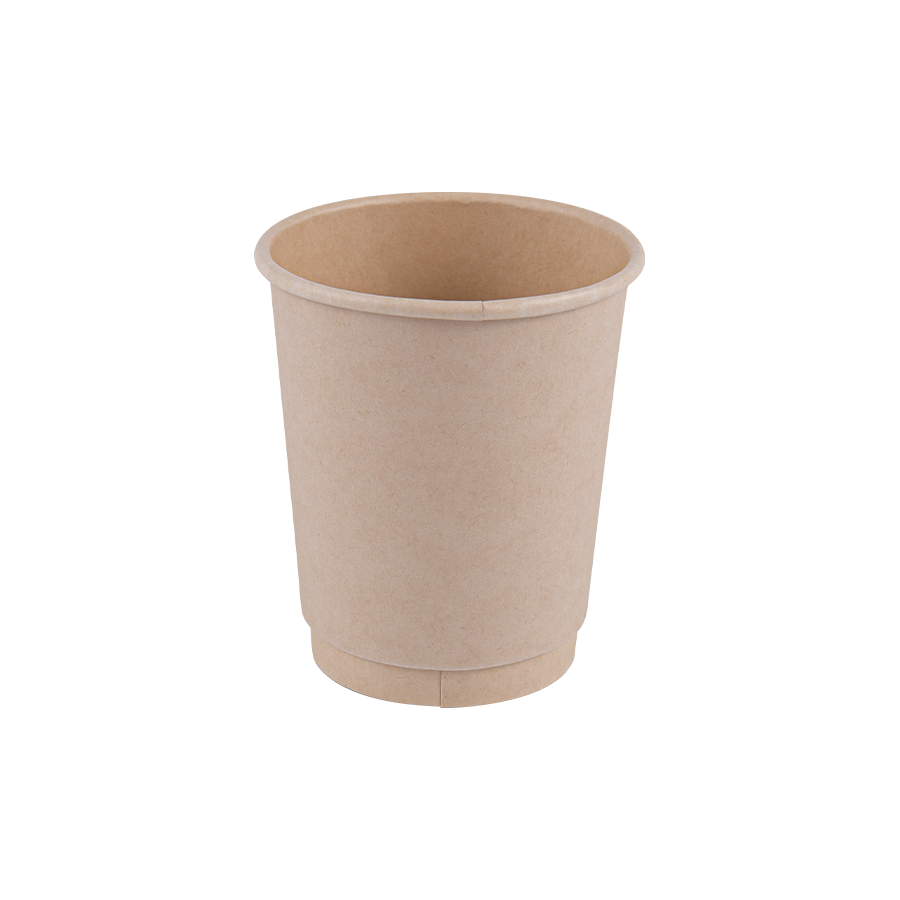
12oz (420ml) Bamboo Pulp Fiber Paper Cup with PLA Coating
-
4oz Ripple Wall Paper Cup
-
8oz 'S' Ripple Wall Paper Cup

- No. 9 Qilidian Road, Honglan Industrial Park, Lishui District, Nanjing Ctiy. China
- [email protected]
- ( +86 ) - 13327730591
Copyright © 2025 Nanjing smilepacking co., Ltd.
All Rights Reserved.

-
+86-15727116558
