
 English
 中文简体
中文简体 русский
 Español
 عربى
عربى


How to Choose the Best Compostable Cups for Your Business?
Content
- 1 Why Compostable Cups Are Not All Created Equal
- 2 The Core Materials Used in Compostable Coffee Cups
- 3 Certifications That Actually Verify Compostability Claims
- 4 Performance Specifications: What to Measure Before You Commit
- 5 Matching Cup Choice to Your Waste Infrastructure
- 6 Cost Comparison and Volume Considerations
- 7 Practical Checklist for Choosing the Best Compostable Cups
Why Compostable Cups Are Not All Created Equal
The term "compostable cup" covers a surprisingly wide range of products with very different materials, performance characteristics, and end-of-life pathways. A cup labeled compostable at a coffee shop may require industrial composting infrastructure to break down — meaning it will persist in a landfill just as long as a conventional plastic cup if it ends up in general waste. Understanding these distinctions is the single most important step in choosing the best compostable cups for your specific use case, whether you are running a café, catering operation, office kitchen, or large-scale event.
The global disposable cup market generates an estimated 500 billion cups per year, the vast majority of which are not recycled or composted. Switching to genuinely compostable alternatives can meaningfully reduce the environmental footprint of food service operations — but only when the cups are matched to the correct waste infrastructure and selected based on verified performance data rather than marketing language.
The Core Materials Used in Compostable Coffee Cups
Most compostable cups are built around one or more of four primary material platforms. Each has distinct advantages, limitations, and composting requirements that directly affect which option is best suited to your operation.
PLA (Polylactic Acid) Lined Paperboard
The most widely sold compostable hot cup format combines a paperboard outer wall with a thin interior lining made from PLA — a bioplastic derived from fermented plant starch, typically corn or sugarcane. PLA provides the moisture and heat barrier needed to prevent liquid from saturating the paper wall. These cups look and feel almost identical to conventional plastic-lined cups, making them easy to integrate into existing service setups. However, PLA only breaks down under industrial composting conditions — sustained temperatures above 55–60°C for 90 to 180 days. In a home compost bin or landfill, a PLA-lined cup will not meaningfully degrade within any reasonable timeframe.
CPLA (Crystallized PLA)
CPLA is a heat-treated, crystallized form of PLA used primarily for lids, stirrers, and cutlery. It tolerates temperatures up to approximately 85–90°C without deforming — a significant improvement over standard PLA, which softens around 55°C and is therefore unsuitable for hot drink lids. CPLA lids paired with PLA-lined paperboard cups create a fully compostable hot beverage system, provided the entire assembly ends up in a certified industrial composting stream.
Bagasse (Sugarcane Fiber)
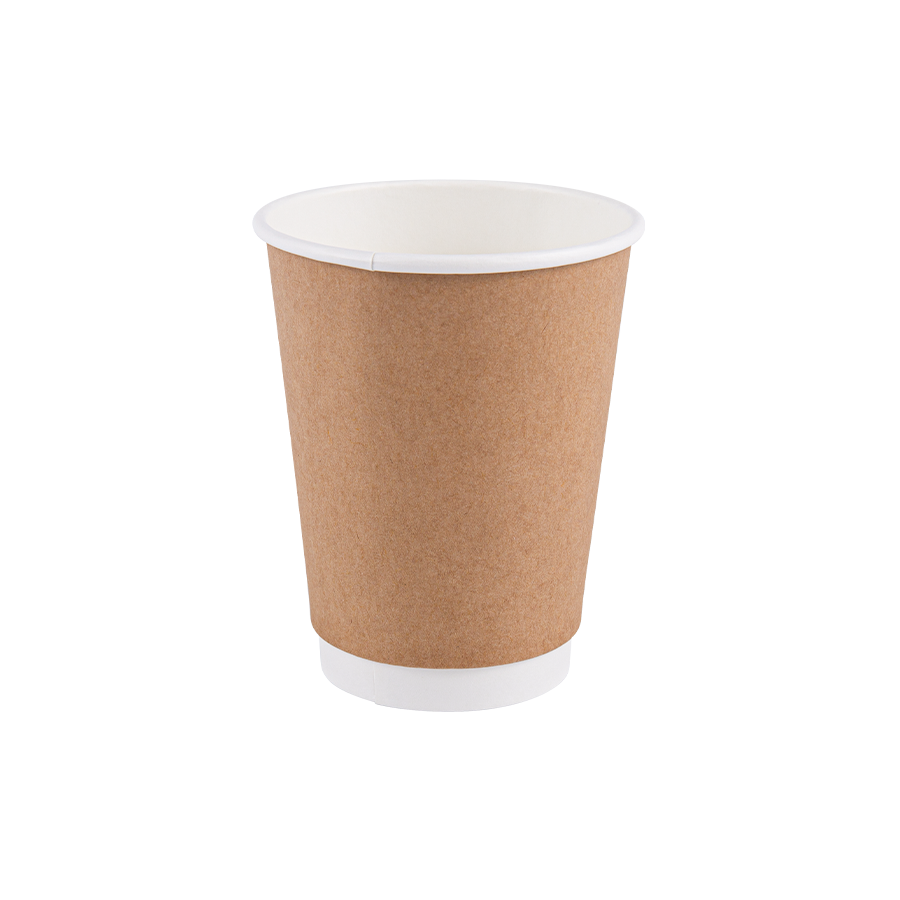
Bagasse cups are molded from the fibrous pulp remaining after sugarcane juice extraction — an agricultural byproduct that would otherwise be burned or landfilled. Bagasse is naturally moisture-resistant and handles both hot and cold beverages effectively without requiring a plastic or bioplastic lining in many formulations. It is one of the few cup materials that can break down in home composting environments within 60 to 90 days under favorable conditions, making it considerably more accessible from an end-of-life perspective than PLA. The trade-off is that bagasse cups are typically heavier, slightly less uniform in appearance, and often more expensive per unit than PLA-lined paper alternatives.
Aqueous or Water-Based Barrier Coatings on Paper
An emerging alternative to PLA linings uses water-based dispersion coatings — typically derived from plant-based or mineral sources — to create the liquid barrier in paperboard cups. These coatings disperse during industrial composting and pulping processes more readily than PLA films, making cups with aqueous coatings genuinely recyclable in paper streams in some markets, in addition to being compostable. Brands such as Transcend Packaging and Frugalpac have commercialized this approach. Water-based coated cups currently carry a cost premium but are gaining traction in markets where paper recycling infrastructure is stronger than industrial composting access.
Certifications That Actually Verify Compostability Claims
Without third-party certification, a "compostable" claim on packaging is meaningless. Multiple credible certification bodies test and certify compostable food service products against defined standards for biodegradation rate, disintegration, ecotoxicity, and heavy metal content. The most widely recognized certifications to look for are:
- BPI (Biodegradable Products Institute) — North America: BPI certification requires products to meet ASTM D6400 or D6868 standards, confirming industrial compostability. BPI is the most recognized mark for commercial composting operations in the US and Canada.
- TÜV Austria OK Compost INDUSTRIAL — Europe and global: Based on EN 13432, this certification verifies industrial compostability. The same body issues an OK Compost HOME mark for products verified to break down in home composting conditions — a significantly higher bar that relatively few cup products currently meet.
- DIN CERTCO (Seedling logo) — Europe: Also based on EN 13432, the Seedling certification mark is co-owned by European Bioplastics and is widely recognized across EU markets. Products bearing the Seedling logo are verified for industrial composting only unless additionally marked for home composting.
- ASTM D6400 / EN 13432: These are the underlying testing standards rather than consumer-facing marks. When a supplier references compliance with these standards without a third-party certification mark, ask for test reports — self-declared compliance without independent verification carries no guarantee.
When evaluating suppliers, request certification documentation that covers the complete cup assembly — body, lining, lid, and any print inks — not just the primary material. Print inks and adhesives that do not meet compostability standards can disqualify an otherwise certified cup from acceptance at composting facilities.
Performance Specifications: What to Measure Before You Commit
Compostable credentials matter only if the cup performs reliably in service. A cup that leaks, softens, or distorts within the first ten minutes of use creates a poor customer experience and generates waste regardless of its environmental profile. Evaluate the following performance criteria before finalizing a compostable cup selection:
| Performance Factor | Recommended Minimum | Notes |
|---|---|---|
| Hot liquid hold time (no leaking or softening) | 30 minutes at 85°C+ | Critical for coffee, tea, hot chocolate |
| Cold liquid / condensation resistance | No softening within 60 minutes at 4°C | Important for iced drinks and smoothies |
| Stack stability | No jamming in standard dispensers | Test with your specific dispenser models |
| Lid seal compatibility | Secure fit with zero liquid escape when tilted | Test with matching compostable lids only |
| Print quality retention | No smearing or bleeding when wet | Relevant for branded or custom-printed cups |
Always request physical samples before placing a first bulk order and run real-world tests with your actual beverages and service conditions. Supplier-provided laboratory test data is useful context, but field performance under your specific operating temperatures, humidity levels, and handling conditions is the definitive measure.
Matching Cup Choice to Your Waste Infrastructure
The best compostable cup is the one that can actually be composted in your location. Choosing a certified industrial-compostable cup without access to a composting collection service creates no environmental benefit over a conventional cup — and in some cases, compostable cups that enter recycling streams can contaminate paper recycling batches, creating an active negative outcome.
Before selecting a compostable cup format, audit your waste pathway by answering these questions:
- Does your local authority or waste contractor offer an industrial food and compostable packaging collection service? If yes, confirm that they accept PLA-lined cups specifically — some facilities reject PLA due to processing speed requirements.
- If no industrial composting collection is available, can you partner with a specialist commercial composting service such as those operated by TerraCycle, Compost Now, or regional food waste processors?
- If your only realistic waste pathway is general waste or landfill, prioritize cups with home compostable certification (OK Compost HOME or equivalent), or consider whether reusable cups with a deposit scheme better serve your sustainability goals.
- For high-footfall venues where waste segregation is difficult to enforce, bagasse cups that tolerate a wider range of composting conditions — including some home compost setups — reduce the risk of certified compostable cups ending up in the wrong waste stream.
Cost Comparison and Volume Considerations
Compostable cups carry a price premium over conventional polyethylene-lined paper cups, but the gap has narrowed significantly as production volumes have scaled. For businesses evaluating the switch, a realistic cost picture requires comparing total cost per serving — including lids, sleeves, and waste disposal — rather than cup unit cost alone.
At typical retail and food service volumes, approximate unit cost ranges per cup are:
- Conventional PE-lined 12 oz paper cup: $0.04 – $0.08 per unit at volume
- PLA-lined compostable 12 oz paper cup: $0.09 – $0.18 per unit at volume
- Bagasse 12 oz cup: $0.12 – $0.22 per unit at volume
- Aqueous-coated compostable paper cup: $0.14 – $0.25 per unit at volume
For operations serving 200 to 500 cups per day, the incremental cost of switching to compostable cups represents $15 to $40 of additional daily expenditure at current pricing — an amount many operators offset through a modest surcharge or by negotiating volume pricing with suppliers. Businesses purchasing above 50,000 units per order typically unlock pricing that brings compostable cups within 20 to 30% of conventional cup costs, making the switch financially viable without significant price increases to end customers.
Practical Checklist for Choosing the Best Compostable Cups
Pulling together the material, certification, performance, infrastructure, and cost factors, the following checklist provides a structured decision framework for any business evaluating a compostable cup transition:
- Confirm your waste pathway first — industrial composting, home composting, or general waste — and select a cup certified to match that pathway.
- Verify third-party certification (BPI, TÜV OK Compost, or Seedling) on the complete cup assembly including lid, and request documentation that covers inks and adhesives.
- Request samples and run a minimum two-week service trial before committing to bulk stock, testing specifically with your hottest and coldest beverages.
- Confirm lid-to-cup compatibility within the same compostable product family to ensure both components enter the same waste stream.
- Brief your front-of-house staff on proper disposal — clear bin labeling and staff education are essential to prevent compostable cups from contaminating recycling streams.
- Reassess your cup choice annually as material technology and composting infrastructure in your region continue to evolve rapidly.
Selecting the best compostable cups is ultimately an exercise in matching product specification to real-world conditions rather than choosing the option with the most prominent environmental claims on the packaging. Businesses that approach the decision with this level of rigor not only reduce their environmental impact more effectively — they also avoid the reputational risk of greenwashing accusations that arise when compostable cups end up in landfill through mismatched infrastructure or unverified certifications.
LATEST POST
Let’s create something amazing together
contact usFeatured Products
-

16oz(500ml)PLA Biodegradable Single-Wall Paper Cup
-
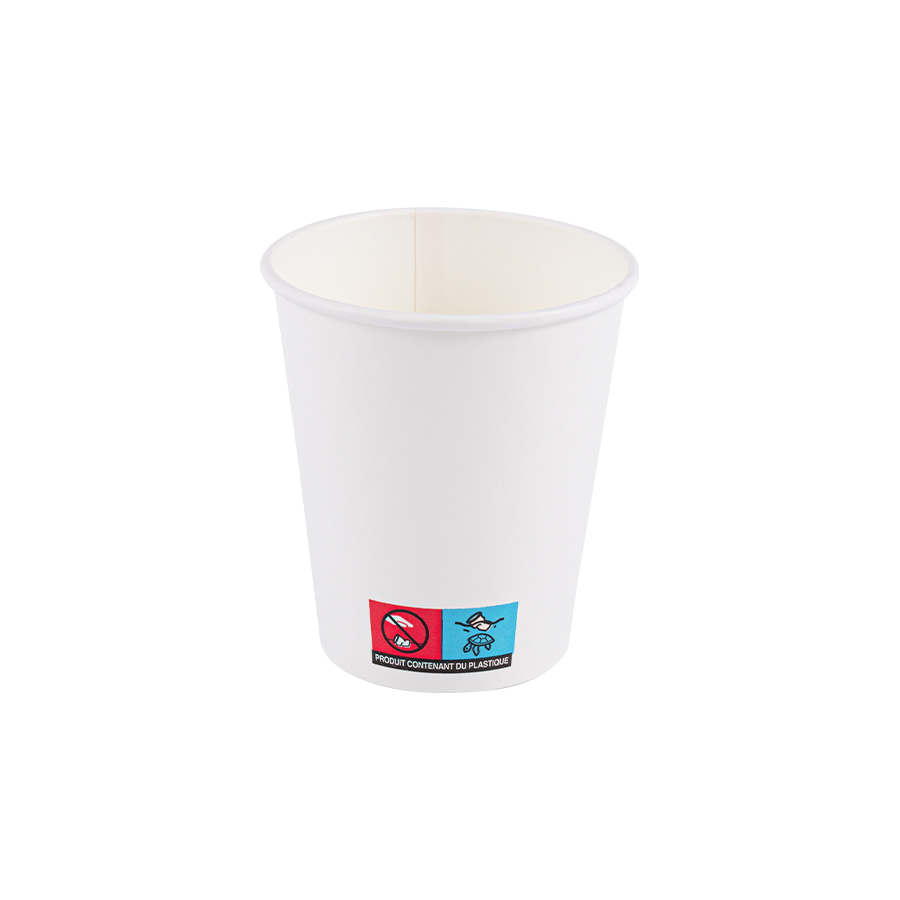
7.5oz Disposable Single-Wall Paper Cup for Automatic Vending Cup
-

8oz Double-Wall Kraft Paper Cup with Home-Compostable Plastic-Free Coating & Thermal Insulation
-
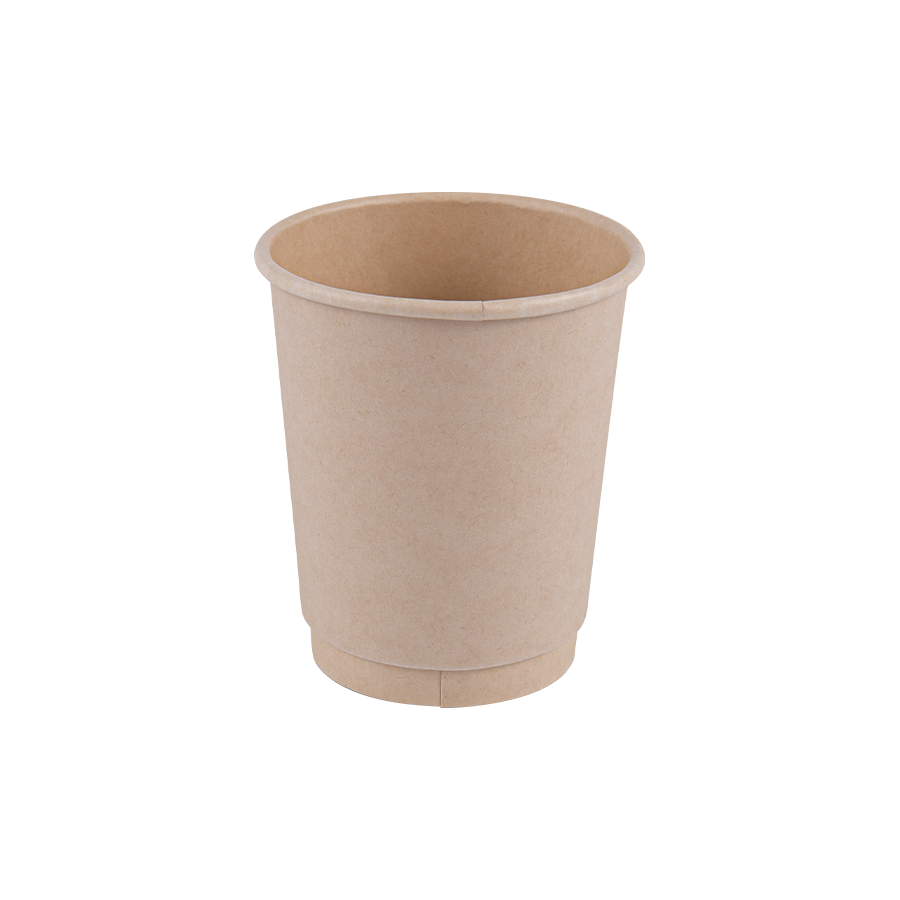
12oz (420ml) Bamboo Pulp Fiber Paper Cup with PLA Coating
-
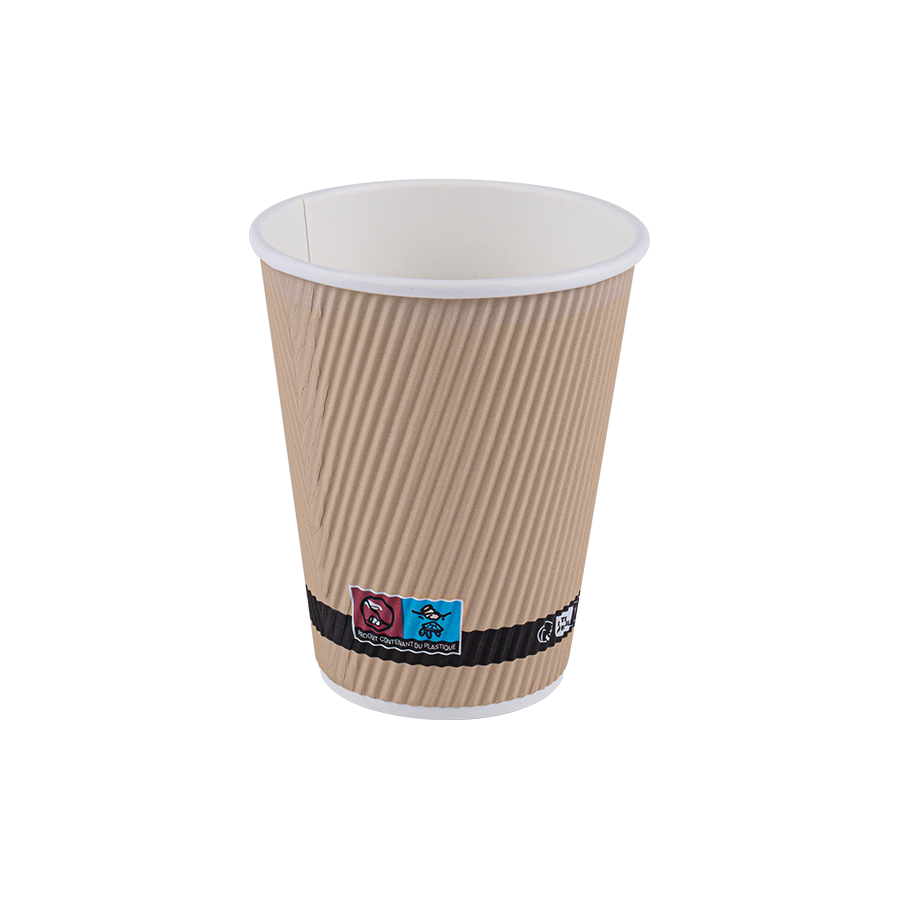
4oz Ripple Wall Paper Cup
-
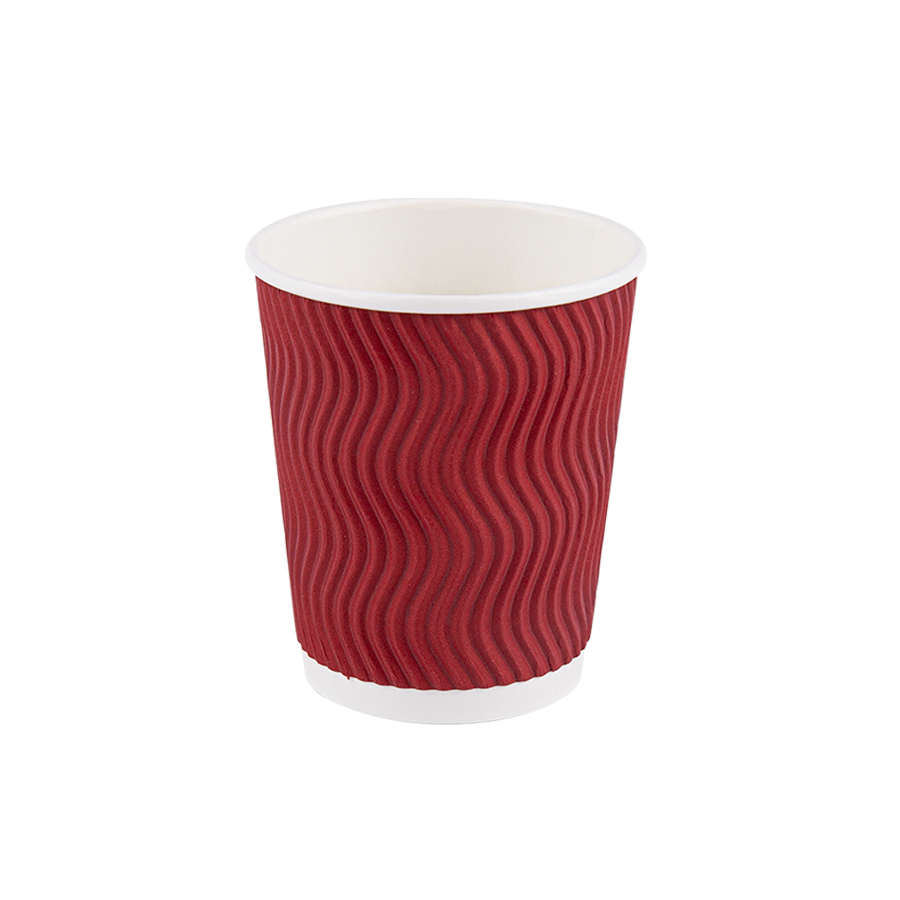
8oz 'S' Ripple Wall Paper Cup

- No. 9 Qilidian Road, Honglan Industrial Park, Lishui District, Nanjing Ctiy. China
- [email protected]
- ( +86 ) - 13327730591
Copyright © 2025 Nanjing smilepacking co., Ltd.
All Rights Reserved.

-
+86-15727116558
