
 English
 中文简体
中文简体 русский
 Español
 عربى
عربى


How Long Does Paper Cup Take to Biodegrade?
Content
- 1 Why Biodegradation Time Matters When Buying Cups Wholesale
- 2 How Long Does Plain Paper Take to Biodegrade
- 3 How Paper Cup Construction Changes the Biodegradation Timeline
- 4 Biodegradation Timeframes Across Cup Materials: A Practical Comparison
- 5 Certifications to Look for When Sourcing Biodegradable Cups Wholesale
- 6 Factors That Accelerate or Slow Paper Cup Biodegradation in Practice
- 7 Practical Advice for Businesses Buying Biodegradable Cups Wholesale
Why Biodegradation Time Matters When Buying Cups Wholesale
For businesses sourcing biodegradable cups wholesale — whether for cafes, corporate events, food service operations, or hospitality venues — understanding how long different cup materials actually take to biodegrade is far more than an academic exercise. It directly affects the environmental credibility of your purchasing decision, determines compliance with green procurement standards, and influences which disposal infrastructure your cups are compatible with. A cup labeled "biodegradable" or "eco-friendly" on its wholesale listing may break down in weeks under the right conditions or persist in a landfill for years if the disposal environment does not support active decomposition. Getting clear on the science behind biodegradation times allows buyers to make genuinely informed decisions rather than relying on marketing language alone.
Paper is the foundational material in the majority of cups sold as biodegradable alternatives to single-use plastic. But paper is not a single, uniform material — it comes in many grades, treatments, and composite constructions, each with a different biodegradation profile. A plain sheet of newsprint biodegrades in a very different timeframe from a wax-coated paper coffee cup, a PLA-lined paper cup, or an unlined kraft paper cup. Understanding these distinctions is the starting point for evaluating biodegradable cup claims and identifying the wholesale products that will genuinely deliver the environmental outcomes your business is committing to.
How Long Does Plain Paper Take to Biodegrade
Uncoated, untreated paper — such as plain kraft paper, newspaper, or office paper — biodegrades relatively quickly compared to most other packaging materials when disposed of in conditions that support microbial activity. In an active composting environment with adequate moisture, oxygen, and microbial populations, plain paper typically breaks down within 2 to 6 weeks. In a home composting setup with moderate turning and moisture management, the timeframe extends to 1 to 3 months. In a landfill, where anaerobic conditions, compaction, and lack of moisture significantly slow biological activity, the same paper may persist for 2 to 6 years before breaking down substantially — a stark contrast to the composting scenario.
The key variables that govern how fast plain paper biodegrades are moisture availability, oxygen access, temperature, and the presence of active microbial communities. Paper is primarily composed of cellulose — a polysaccharide that soil bacteria and fungi can break down efficiently when conditions are favorable. Higher temperatures (55–65°C in industrial composting) accelerate enzymatic activity, which is why industrial composting facilities can process paper products in a fraction of the time required in a cold, dry landfill. In a marine environment — one of the most critical disposal scenarios given the scale of ocean plastic pollution — plain paper degrades within a few weeks to months depending on water temperature and salinity, making it one of the least harmful materials that could enter waterways.
How Paper Cup Construction Changes the Biodegradation Timeline
The biodegradation timeline changes substantially when paper is constructed into a functional cup, because cups must be liquid-resistant — a property that plain paper does not possess. The methods used to achieve liquid resistance have very different environmental implications, and this is where the biodegradable cup wholesale market becomes genuinely complex for buyers to navigate.
Polyethylene (PE) Lined Paper Cups
The vast majority of conventional paper cups — hot drink cups, cold drink cups, and paper soup containers — are lined with a thin layer of polyethylene plastic on the interior surface. This PE lining prevents liquid from penetrating the paper and causing the cup to soften and leak, but it creates a composite material that cannot be separated and composted as paper alone. The PE lining does not biodegrade on any practically meaningful timescale — it persists in the environment for 400 to 500 years, similar to other polyethylene plastics. In a landfill, the PE-lined paper cup will not decompose as paper because the plastic barrier prevents moisture and microbial access to the cellulose. These cups are neither industrially compostable nor home compostable in their composite form, and they are difficult to recycle because separating the plastic from the paper requires specialized processing not available at most recycling facilities. Despite often being perceived as "paper" products, conventional PE-lined cups are functionally plastic-composite waste.
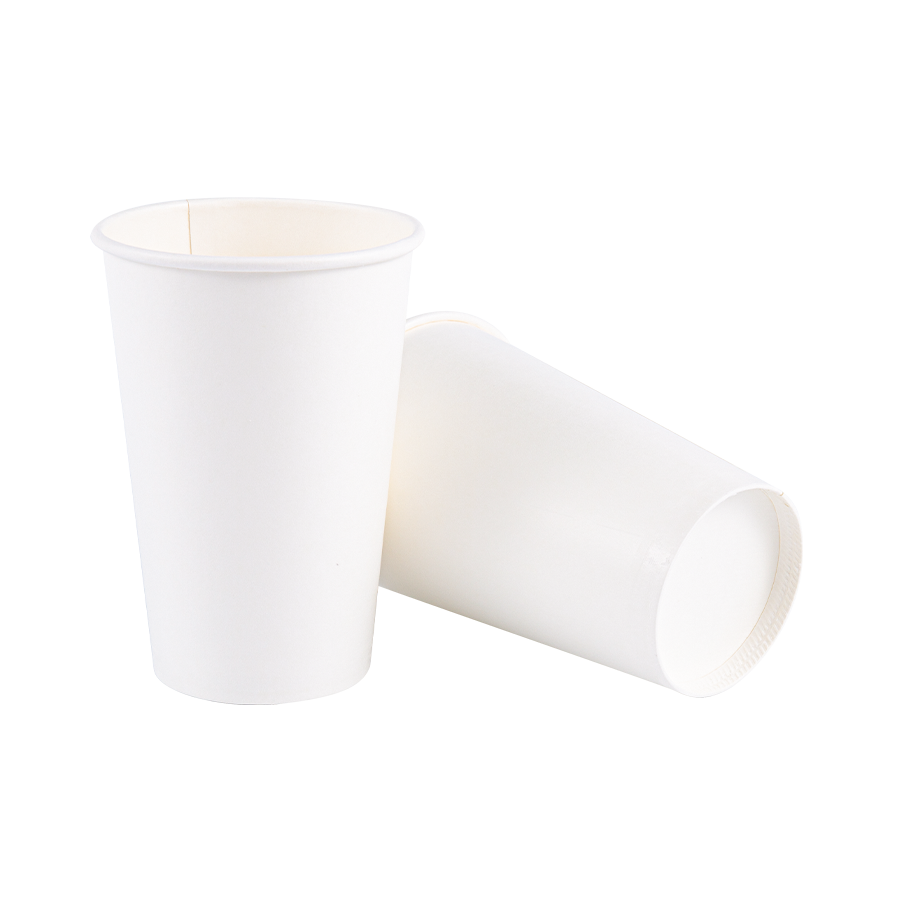
PLA-Lined Paper Cups
PLA (polylactic acid) lined paper cups are the most common category sold as biodegradable cups in the wholesale market. PLA is a bioplastic derived from fermented plant sugars — most commonly corn starch — and it can be certified as industrially compostable under standards such as EN 13432 (Europe) or ASTM D6400 (USA), meaning it breaks down within 90 to 180 days in an industrial composting facility operating at temperatures above 55°C with controlled moisture and aeration. In these conditions, both the paper body and the PLA lining decompose fully, leaving no toxic residue. However, PLA does not biodegrade in home composting conditions, landfill conditions, or in the marine environment — it requires the elevated temperature of industrial composting to initiate breakdown. If a PLA-lined cup ends up in a landfill, it will persist for decades to centuries, performing no better than a conventional PE-lined cup from a decomposition standpoint.
Aqueous and Mineral Coated Paper Cups
A newer category of biodegradable cup construction uses aqueous dispersion coatings or mineral-based barrier layers applied to the paper surface, replacing the plastic lining with a water-based or clay-mineral compound that provides liquid resistance without introducing non-biodegradable polymers. Cups produced with these barrier technologies are typically certified for both industrial and home composting, and they biodegrade in home composting conditions within 3 to 6 months. In industrial composting, breakdown occurs within 12 weeks. This construction represents the strongest environmental credentials available in paper cups for wholesale buyers seeking genuine end-of-life biodegradability across a wider range of disposal routes.
Biodegradation Timeframes Across Cup Materials: A Practical Comparison
The following table summarizes the biodegradation performance of the main cup material categories relevant to wholesale buyers, across the three most practically relevant disposal environments:
| Cup Material | Industrial Composting | Home Composting | Landfill |
| Plain uncoated paper | 2–6 weeks | 1–3 months | 2–6 years |
| PE-lined paper cup | Not compostable | Not compostable | 400–500 years (PE lining) |
| PLA-lined paper cup | 90–180 days | Not compostable | Decades to centuries |
| Aqueous/mineral coated paper cup | 6–12 weeks | 3–6 months | 1–3 years |
| Bagasse (sugarcane) cup | 45–60 days | 2–4 months | 1–2 years |
| PLA cup (solid bioplastic) | 90–180 days | Not compostable | Decades to centuries |
| Conventional plastic cup (PP/PS) | Not compostable | Not compostable | 450–500+ years |
This comparison makes clear that the disposal route available at your venue or event is as important as the cup material itself in determining the real-world environmental outcome. A PLA-lined cup that goes to landfill because no industrial composting collection is in place delivers essentially no environmental benefit over a conventional plastic cup in terms of biodegradation. Matching cup material to the actual waste stream available at the point of use is a critical step in converting a wholesale biodegradable cup purchase into a genuine sustainability outcome.
Certifications to Look for When Sourcing Biodegradable Cups Wholesale
The wholesale biodegradable cup market is crowded with products carrying environmental claims of varying credibility. Third-party certifications provide the most reliable basis for evaluating biodegradability and compostability claims, because they require independent testing against defined standards rather than relying on manufacturer self-declaration. When evaluating wholesale suppliers, the following certifications are the most meaningful indicators of genuine biodegradation performance.
- EN 13432 (Europe): The European standard for industrially compostable packaging. Products certified to EN 13432 must biodegrade at least 90% within 180 days in industrial composting conditions, disintegrate such that no more than 10% of the original material remains after 12 weeks when sieved through a 2mm mesh, leave no toxic residue, and meet heavy metal content limits. This is the benchmark certification for wholesale buyers supplying the European market or venues with access to industrial composting collection.
- ASTM D6400 (USA): The equivalent North American standard for industrially compostable plastics and packaging, used as the basis for certification by the Biodegradable Products Institute (BPI). BPI-certified cups are recognized by composting facilities across the USA and Canada and are the standard requirement for venues participating in commercial composting diversion programs.
- OK Compost HOME (TÜV Austria): This certification specifically verifies that a product is compostable in home composting conditions — lower temperatures, without the controlled aeration of industrial facilities. OK Compost HOME certification is significantly more demanding to achieve than industrial composting certification and is the appropriate standard for buyers whose customers will dispose of cups through home composting bins rather than commercial collection.
- FSC certification (Forest Stewardship Council): While not a biodegradability certification, FSC certification on the paper component of a cup confirms that the wood fiber used in its manufacture comes from responsibly managed forests. For wholesale buyers committed to comprehensive sustainability credentials, FSC-certified paper combined with an industrial composting certification provides a strong dual-standard environmental positioning.
- Din CERTCO / Seedling logo: The European Seedling logo — administered by Din CERTCO and European Bioplastics — is applied to products certified as industrially compostable to EN 13432. It is widely recognized by European composting facilities and consumers as an authentic biodegradability marker, making it valuable for on-cup branding that supports customer disposal behavior.
Factors That Accelerate or Slow Paper Cup Biodegradation in Practice
Even within a defined disposal environment, multiple practical factors influence how quickly a paper cup actually biodegrades. Understanding these variables helps businesses set realistic expectations and design waste management programs that maximize the environmental benefit of their biodegradable cup procurement.
- Contamination with food residue: Cups containing liquid residue — coffee, juice, milk — when composted actually biodegrade faster than clean, dry cups, because the organic matter provides additional substrate for microbial activity. However, cups contaminated with non-compostable substances such as synthetic cream, artificial sweeteners in large quantities, or chemical cleaning agents may inhibit microbial populations in composting systems and slow overall breakdown.
- Cup thickness and grammage: Heavier paper cups with higher grammage take longer to biodegrade than thin-walled cups, because the greater mass of cellulose material requires more microbial processing time. Double-walled paper cups — which use two layers of paper separated by an air gap for insulation — take proportionally longer to break down than single-walled equivalents of the same paper grade.
- Seasonal and climate effects on home composting: Home composting biodegradation times are strongly seasonal in temperate climates. A paper cup placed in a home compost bin in summer may break down within 2 to 3 months; the same cup added in winter may show minimal degradation for 4 to 5 months until spring temperatures reactivate microbial communities. Buyers advising customers on home composting of biodegradable cups should communicate this seasonal variability to prevent frustration when winter compost piles appear to show no progress.
- Shredding or crushing before composting: Reducing cup size by shredding, tearing, or crushing before placing in a compost bin significantly accelerates biodegradation by increasing the surface area available for microbial colonization. A shredded paper cup in a home compost bin can break down 30 to 50% faster than an intact cup, a simple practical measure that event organizers or venue operators can communicate to customers using on-site composting disposal.
Practical Advice for Businesses Buying Biodegradable Cups Wholesale
For businesses ready to commit to biodegradable cups as part of a genuine sustainability program — rather than as a marketing gesture — the following practical guidance translates the biodegradation science above into actionable wholesale procurement decisions.
Start by mapping your actual waste disposal infrastructure before selecting a cup specification. If your venue, event, or delivery operation has access to an industrial composting collection service — either municipal organics collection or a private commercial composting contractor — then PLA-lined or aqueous-coated paper cups certified to EN 13432 or ASTM D6400 will deliver genuine end-of-life biodegradation and are the appropriate wholesale specification. If industrial composting is not accessible and cups will primarily enter landfill or general waste, then aqueous or mineral-coated cups with home compostability certification, or bagasse cups, will perform better in realistic disposal conditions than PLA-lined alternatives that require high-temperature composting to break down.
When requesting wholesale quotes, ask suppliers specifically for third-party certification documentation — not just marketing descriptions — and verify that the certification covers the complete cup as manufactured, including the lining and any printing inks applied to the exterior, rather than just the paper substrate in isolation. Request batch test reports if ordering at significant scale, as certification to a standard does not guarantee that every production batch meets the same specification. Finally, factor in the full lifecycle cost comparison between conventional and biodegradable cups: while biodegradable cups wholesale typically carry a 15 to 40% price premium over PE-lined conventional cups, this gap has narrowed considerably as production volumes have increased, and the reputational, regulatory compliance, and waste disposal cost benefits increasingly offset the unit price difference for businesses operating in sustainability-conscious markets.
LATEST POST
Let’s create something amazing together
contact usFeatured Products
-

16oz(500ml)PLA Biodegradable Single-Wall Paper Cup
-
7.5oz Disposable Single-Wall Paper Cup for Automatic Vending Cup
-
8oz Double-Wall Kraft Paper Cup with Home-Compostable Plastic-Free Coating & Thermal Insulation
-
12oz (420ml) Bamboo Pulp Fiber Paper Cup with PLA Coating
-
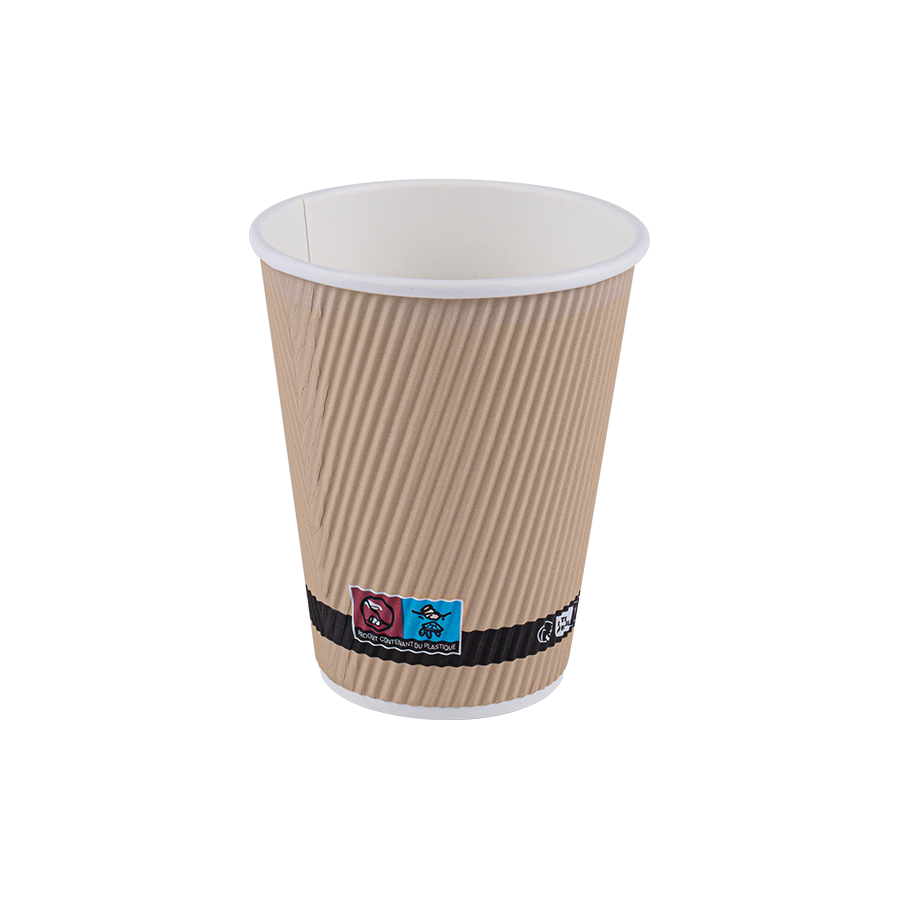
4oz Ripple Wall Paper Cup
-
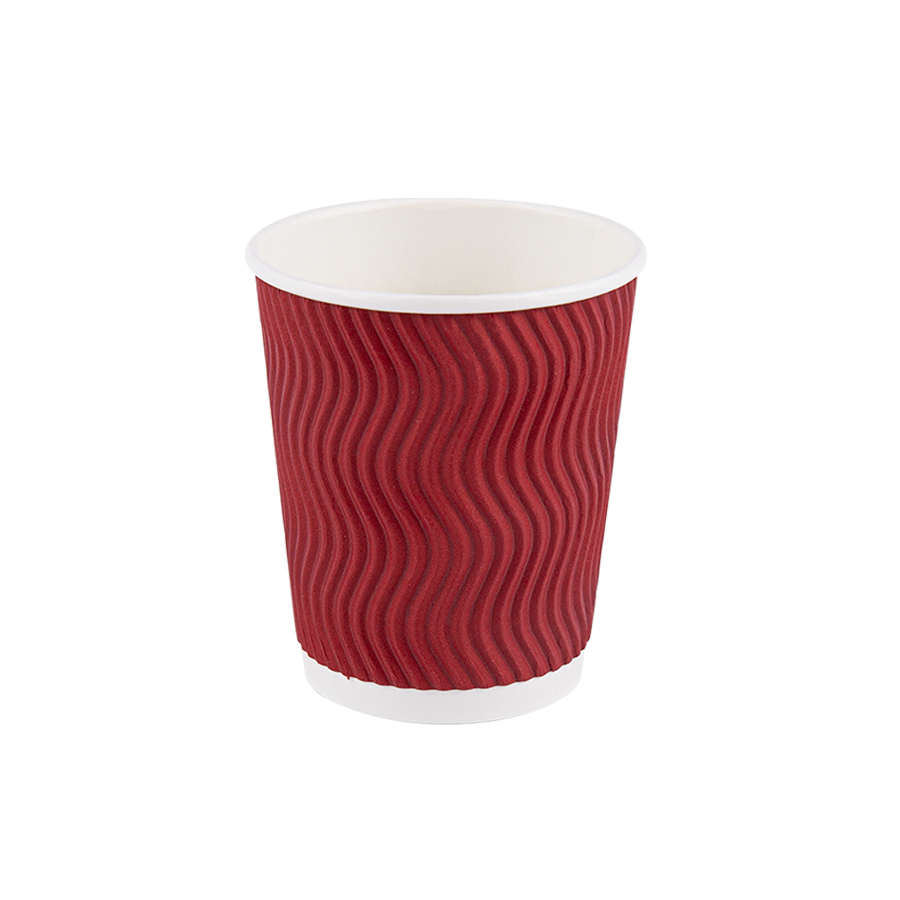
8oz 'S' Ripple Wall Paper Cup

- No. 9 Qilidian Road, Honglan Industrial Park, Lishui District, Nanjing Ctiy. China
- [email protected]
- ( +86 ) - 13327730591
Copyright © 2025 Nanjing smilepacking co., Ltd.
All Rights Reserved.

-
+86-15727116558
