
 English
 中文简体
中文简体 русский
 Español
 عربى
عربى


What Do You Really Need to Know Before Buying Takeout Paper Cups for Your Business?
Content
- 1 Why Takeout Paper Cups Matter More Than Most Businesses Realize
- 2 The Main Types of Takeout Paper Cups and Their Uses
- 3 Understanding Cup Coatings and Liner Materials
- 4 Standard Sizes and Capacity Guide for Food Service Operations
- 5 Lid Compatibility and Leak Prevention
- 6 Custom Printing and Branding on Takeout Paper Cups
- 7 Sustainability Considerations When Sourcing Takeout Paper Cups
Why Takeout Paper Cups Matter More Than Most Businesses Realize
Takeout paper cups are one of the most frequently used consumables in the food and beverage industry, yet they are often selected without much thought beyond price and basic size. In reality, the paper cup you hand to a customer carries your brand, affects the customer's experience, and directly impacts how beverages stay hot or cold during transport. A cup that leaks, loses structural integrity when wet, or fails to retain heat properly reflects poorly on your business — regardless of how good the drink inside tastes. For coffee shops, bubble tea chains, fast food restaurants, food trucks, and catering operations, choosing the right takeout paper cup is a practical business decision with real consequences for cost, sustainability, and customer satisfaction.
The market for takeout paper cups has also become significantly more complex in recent years. Growing environmental regulations, consumer demand for eco-friendly packaging, and advances in cup coating technology have expanded the range of available options well beyond the basic wax-coated cup of the past. Understanding what differentiates one type of takeout paper cup from another — and knowing which features matter for your specific application — is the starting point for making an informed purchasing decision.
The Main Types of Takeout Paper Cups and Their Uses
Not all takeout paper cups are built the same way, and each type is engineered for a specific category of beverage. Using the wrong cup type for a given drink can result in leaks, heat loss, condensation damage, or structural failure — all of which create problems for both the customer and the business.
Single-Wall Hot Cups
Single-wall paper cups are the most common format used for hot beverages in takeout settings. They consist of a single layer of paperboard with an interior coating that prevents liquid absorption. These cups are lightweight, cost-effective, and suitable for coffee, tea, and other hot drinks. However, the outer surface can become uncomfortably warm to hold, which is why they are nearly always paired with a corrugated cardboard sleeve or a separate insulating sleeve. Single-wall cups are available in sizes ranging from 4 oz (small espresso) to 20 oz or larger for big-format drinks.
Double-Wall Hot Cups
Double-wall cups feature two layers of paperboard with a small air gap between them, which provides natural insulation without the need for a separate sleeve. This design keeps the outer surface cool enough to hold comfortably while maintaining the beverage's temperature longer. Double-wall cups are preferred by premium coffee brands and specialty cafes because they eliminate the cost and waste of disposable sleeves and give a more polished, upscale appearance. They are typically more expensive per unit than single-wall equivalents, but the sleeve savings can partially offset the difference at scale.
Ripple-Wall Cups
Ripple-wall cups have a distinctive corrugated outer layer bonded to a smooth inner cup. This construction provides excellent heat insulation while also giving the cup a tactile, premium feel. The ridged surface is visually distinctive and often used by artisan coffee shops and boutique beverage brands that want their packaging to stand out. Ripple cups offer similar insulation performance to double-wall cups but with a different aesthetic and slightly different structural properties.
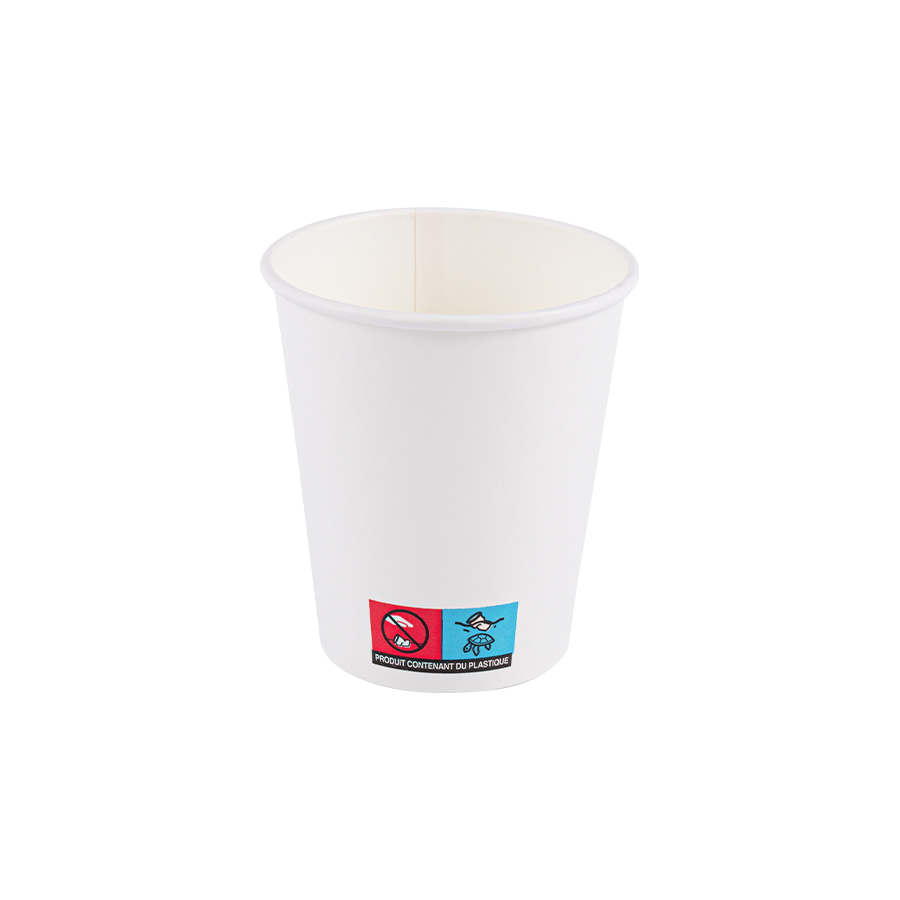
Cold Drink Paper Cups
Cold drink paper cups are specifically designed to handle iced beverages, smoothies, bubble tea, and cold brew coffee. They feature a heavier interior coating — typically PE (polyethylene) or a water-based barrier — that prevents condensation from weakening the cup walls. Cold cups are generally wider at the mouth to accommodate domed lids and large-format straws. They are also treated to resist the exterior moisture that forms when cold liquid meets warm ambient air, which can cause standard hot cups to become soft and lose their grip.
Understanding Cup Coatings and Liner Materials
The interior coating of a takeout paper cup is arguably its most important technical feature. It determines whether the cup is waterproof, how it handles heat, whether it is recyclable or compostable, and how it interacts with the beverage. In recent years, the shift away from traditional plastic-based coatings has accelerated dramatically, driven by legislation and sustainability goals.
| Coating Type | Material | Recyclable | Compostable | Best For |
| PE Coating | Polyethylene plastic film | Difficult | No | Standard hot & cold drinks |
| PLA Coating | Polylactic acid (plant-based) | Limited | Yes (industrial) | Eco-conscious brands, cold drinks |
| Aqueous / Water-Based | Water-based dispersion barrier | Yes | Yes | Sustainable packaging goals |
| Double PE Coating | PE on both sides | No | No | High-moisture cold beverages |
PLA-coated cups have become popular as a green alternative, but it is important to note that they require industrial composting facilities to break down properly — home composting is generally insufficient. Water-based barrier coatings represent the most genuinely recyclable option and are becoming increasingly available as coating technology improves. If environmental compliance or green certifications are priorities for your business, verifying the specific coating type with your supplier is essential.
Standard Sizes and Capacity Guide for Food Service Operations
Takeout paper cups are manufactured in a standardized range of sizes that correspond to common beverage portions served in food service environments. Knowing which sizes to stock — and in what ratios — helps reduce waste and simplifies inventory management. The right size cup also improves the presentation of your beverages and prevents overfilling or underfilling issues that affect customer perception.
- 4 oz – 6 oz: Used for espresso, small cortados, and tasting portions. Common in specialty coffee environments and sampling stations.
- 8 oz: The standard short or small coffee size. Suitable for cappuccinos, flat whites, and small hot teas. Also used for small cold drinks.
- 12 oz: The most popular size globally, covering medium coffees, lattes, and standard cold brew servings. This is the go-to size for most takeout coffee operations.
- 16 oz: Large format hot and cold drinks. Common in American-style coffee chains and fast casual restaurants for sodas and iced coffee.
- 20 oz – 24 oz: Extra-large sizes used for meal deal drinks, large bubble teas, and premium specialty beverages. These require wide-diameter lids and are most common in quick service restaurant (QSR) settings.
Lid Compatibility and Leak Prevention
A takeout paper cup is only as effective as the lid paired with it. Lid compatibility is determined by the cup's rim diameter, which varies by manufacturer and cup series. Before ordering cups in bulk, always confirm that your preferred lid fits the specific cup model — a mismatch of even 1–2mm can result in lids that pop off during transport or fail to seal properly, leading to spills and customer complaints.
For hot beverages, the most common lid types are the sipper lid (with a small drinking opening) and the flat fold-back lid used widely in Europe. Both are designed to minimize heat loss and prevent spills while allowing the customer to drink without removing the lid entirely. For cold drinks, dome lids with a central hole for straws are standard, and they must be deep enough to accommodate the cup's fill line without compressing the drink. Lids made from recyclable PP (polypropylene) or compostable PLA are available and increasingly preferred by businesses targeting sustainability-conscious consumers.
Custom Printing and Branding on Takeout Paper Cups
Custom-printed takeout paper cups are one of the most cost-effective branding tools available to food and beverage businesses. Every cup that leaves your shop is a mobile advertisement — it travels with the customer through streets, offices, and public spaces, putting your logo and brand identity in front of countless potential customers. The minimum order quantity (MOQ) for custom-printed cups varies by supplier, but typically starts between 1,000 and 5,000 units for single-color designs, with larger MOQs for full-color photographic printing.
Flexographic printing is the most widely used method for high-volume paper cup production, delivering sharp, consistent results across large runs. Digital printing is available for shorter runs and allows for variable designs — useful for seasonal promotions or limited-edition cup artwork. When commissioning custom cups, provide your artwork in vector format (AI or EPS) to ensure clean scaling and accurate color reproduction. Always request a physical sample or print proof before approving a full production run, as colors can shift between screen previews and the final printed cup surface.
Sustainability Considerations When Sourcing Takeout Paper Cups
Sustainability is no longer optional for businesses that sell takeout beverages. Municipal regulations in many countries and cities have introduced restrictions on non-recyclable single-use packaging, and consumers increasingly make purchasing decisions based on a brand's environmental credentials. When evaluating takeout paper cups for sustainability, look beyond the marketing language and examine specific, verifiable attributes.
- FSC Certification: Ensures the paperboard used in the cup comes from responsibly managed forests. This is a baseline sustainability standard that most reputable suppliers can provide documentation for.
- Recyclability: Verify whether the cup — with its specific coating — is accepted by local recycling programs. PE-coated cups are often rejected by standard paper recycling streams, while water-based barrier cups are more widely accepted.
- Compostability Certification: If offering compostable cups, look for certifications such as EN 13432 (Europe), ASTM D6400 (USA), or AS 4736 (Australia) to ensure the claim is verified by a recognized standards body.
- Recycled Content: Some manufacturers now offer cups made with a percentage of post-consumer recycled (PCR) paperboard, which reduces reliance on virgin fiber and lowers the product's overall carbon footprint.
Pairing sustainable cups with a customer incentive program — such as a discount for bringing a reusable cup — can further reduce single-use cup consumption while strengthening customer loyalty. Many businesses find that a visible commitment to sustainable packaging attracts and retains environmentally aware customers who are willing to pay a premium for that alignment in values.
LATEST POST
Let’s create something amazing together
contact usFeatured Products
-

16oz(500ml)PLA Biodegradable Single-Wall Paper Cup
-

7.5oz Disposable Single-Wall Paper Cup for Automatic Vending Cup
-
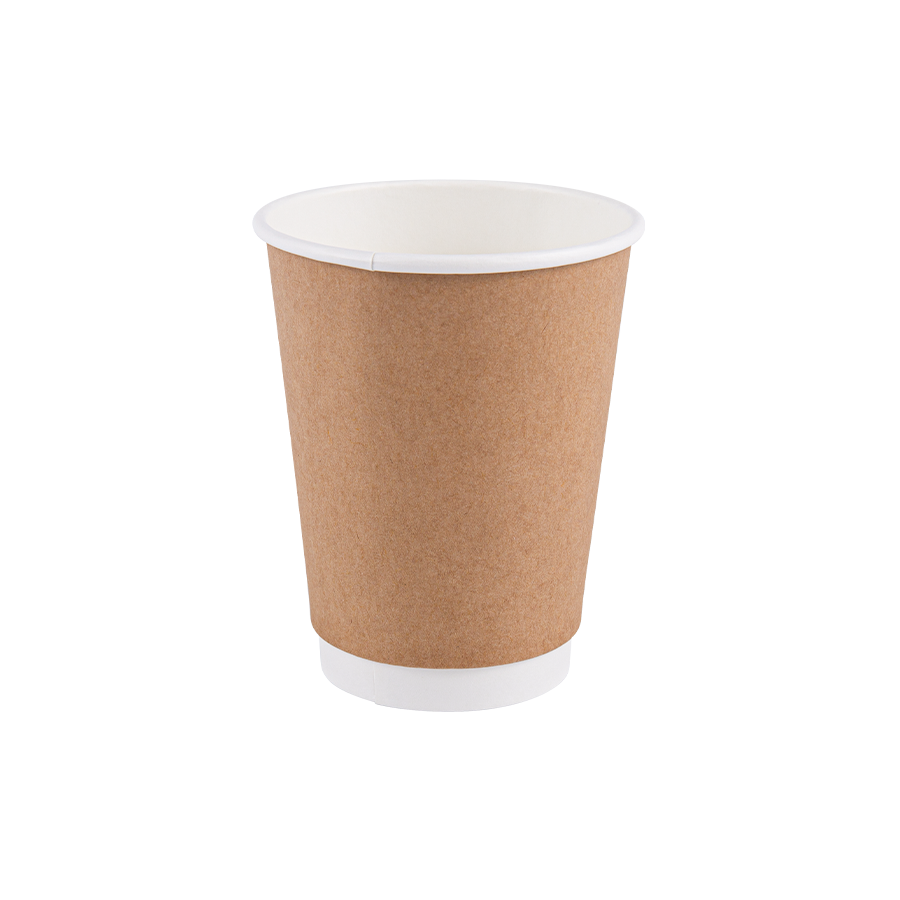
8oz Double-Wall Kraft Paper Cup with Home-Compostable Plastic-Free Coating & Thermal Insulation
-
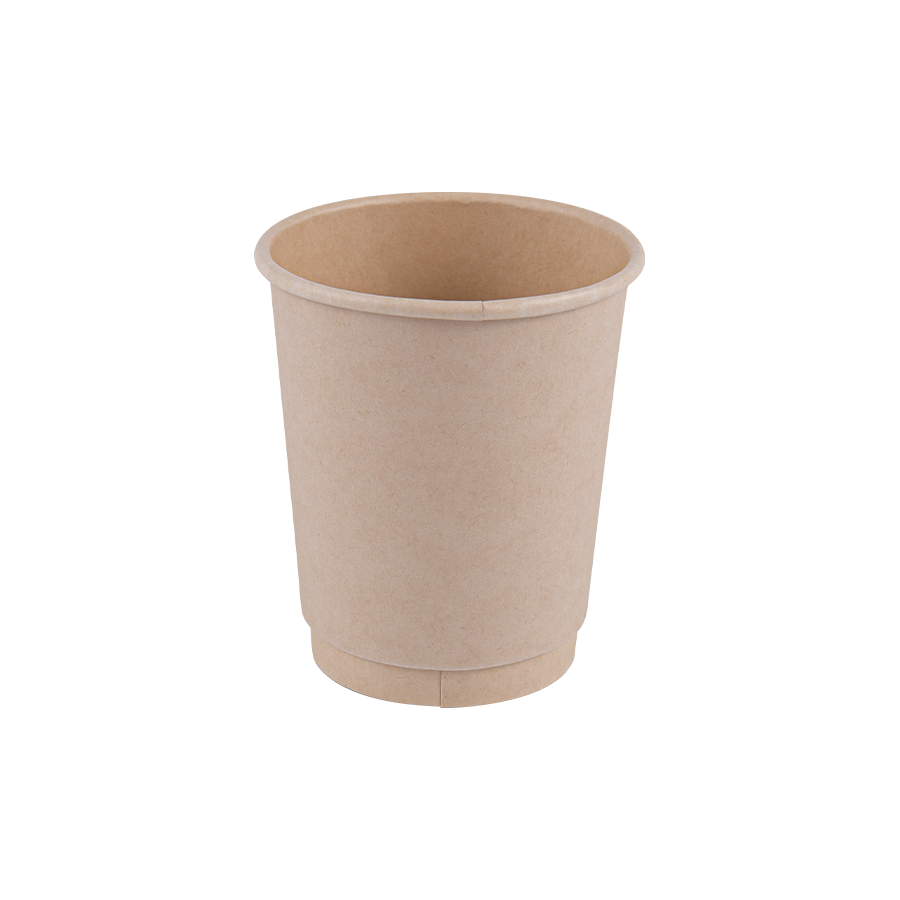
12oz (420ml) Bamboo Pulp Fiber Paper Cup with PLA Coating
-
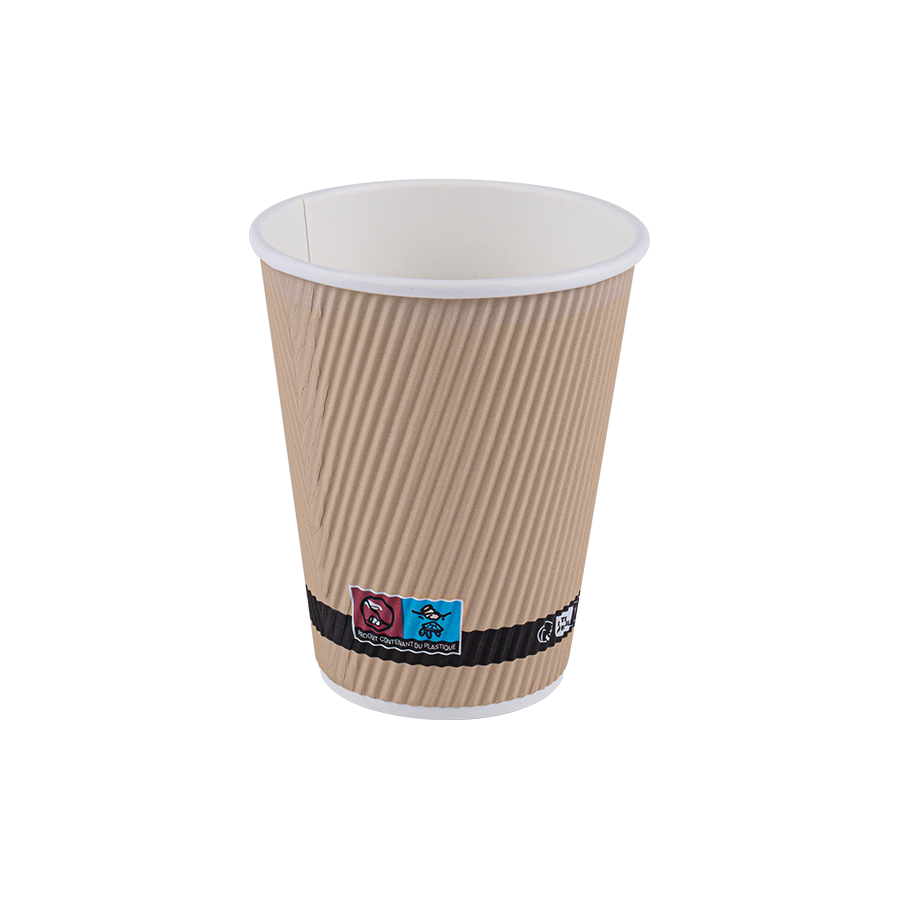
4oz Ripple Wall Paper Cup
-
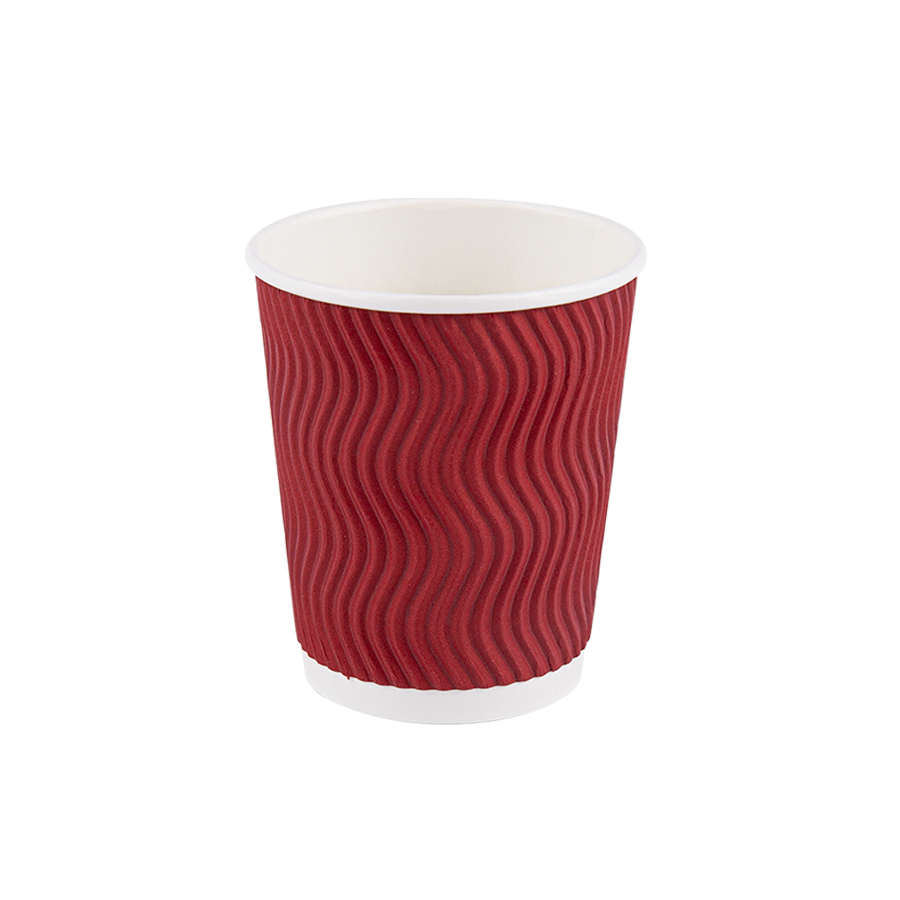
8oz 'S' Ripple Wall Paper Cup

- No. 9 Qilidian Road, Honglan Industrial Park, Lishui District, Nanjing Ctiy. China
- [email protected]
- ( +86 ) - 13327730591
Copyright © 2025 Nanjing smilepacking co., Ltd.
All Rights Reserved.

-
+86-15727116558
