
 English
 中文简体
中文简体 русский
 Español
 عربى
عربى


What Environmental Benefits Do Double Wall Paper Cups Offer Compared to Plastic or Styrofoam Cups?
Content
- 1 1. Understanding Double Wall Paper Cups
- 2 2. Reduced Plastic Usage
- 3 3. Biodegradability and Compostability
- 4 4. Lower Carbon Footprint
- 5 5. Recycling and Waste Management
- 6 6. Renewable Material Usage
- 7 7. Reduced Environmental Toxins
- 8 8. Supporting Sustainable Consumer Behavior
- 9 9. Limitations and Considerations
- 10 10. Conclusion
In today’s world, environmental sustainability has become a central concern for businesses, consumers, and policymakers alike. The food and beverage industry, in particular, faces increasing scrutiny due to the widespread use of disposable cups made from plastic, Styrofoam, and other non-biodegradable materials. Double wall paper cups have emerged as a popular alternative, offering both functional benefits and reduced environmental impact. These cups are commonly used for hot beverages like coffee and tea, providing insulation and convenience while supporting eco-friendly initiatives.
This article explores the environmental benefits of double wall paper cups, comparing them with plastic and Styrofoam cups across aspects such as material composition, biodegradability, energy use, waste reduction, and overall sustainability.
1. Understanding Double Wall Paper Cups
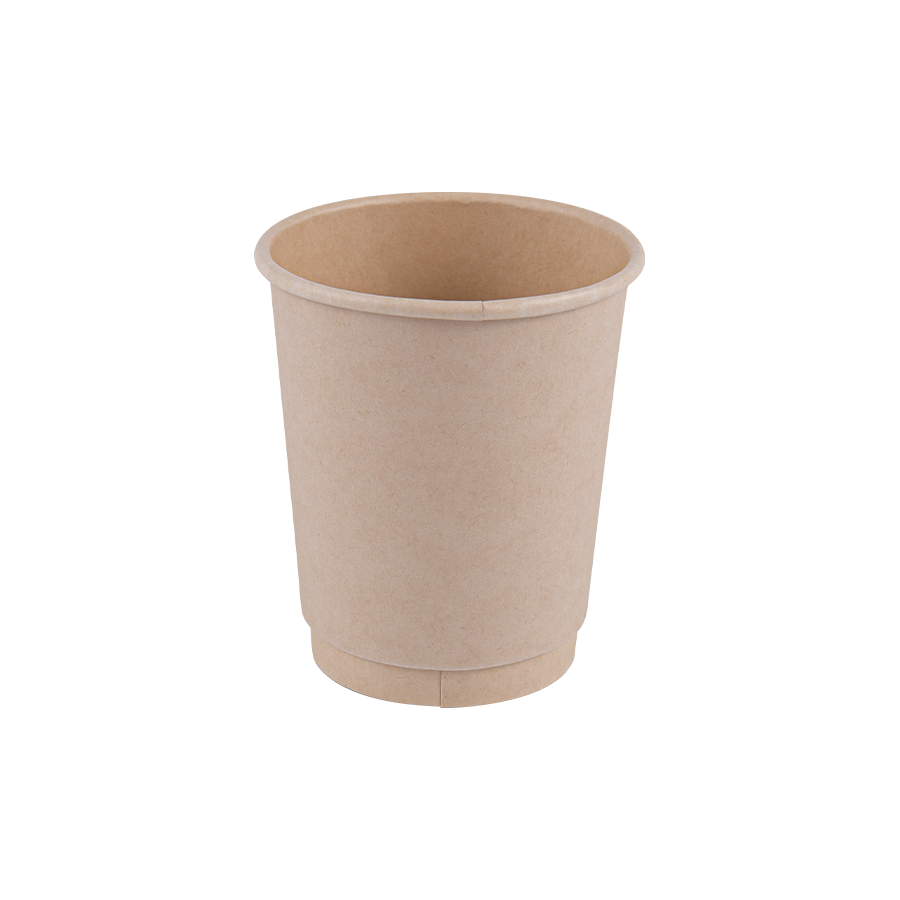
Double wall paper cups are designed with two layers of paperboard, often separated by an insulating air pocket. This structure provides thermal insulation, allowing users to hold hot beverages comfortably without a separate sleeve.
a. Structure and Composition
- Inner Layer: Typically coated with a thin layer of polyethylene (PE) or polylactic acid (PLA) to make the cup waterproof.
- Outer Layer: Uncoated or lightly coated paper that provides structural strength and insulation.
- Air Pocket/Double Wall: The gap between the two layers improves heat retention and protects hands from heat.
b. Functional Advantages
- Keeps beverages hot for longer periods.
- Eliminates the need for additional cardboard sleeves.
- Provides a tactile, aesthetically pleasing surface for branding and printing.
While these functional advantages are notable, the environmental benefits are a primary reason for their growing adoption.
2. Reduced Plastic Usage
One of the most significant environmental advantages of double wall paper cups is the reduction in plastic content.
a. Comparison with Plastic Cups
- Traditional plastic cups are typically made from polystyrene (PS) or polypropylene (PP).
- Plastic cups are entirely non-biodegradable and contribute heavily to plastic pollution in oceans and landfills.
b. Paper Cup Benefits
- Double wall paper cups primarily use renewable paper fibers instead of non-renewable fossil fuels.
- The thin inner coating (PE or PLA) uses significantly less plastic than a fully plastic cup.
- The reduction in plastic content minimizes non-degradable waste, lowering environmental impact over the product lifecycle.
By reducing the reliance on conventional plastics, double wall paper cups contribute to less ocean pollution and landfill accumulation.
3. Biodegradability and Compostability
a. Styrofoam Cups
Styrofoam cups, made from expanded polystyrene (EPS), are highly resistant to biodegradation, often persisting in the environment for hundreds of years. They are difficult to recycle and rarely accepted by municipal recycling programs.
b. Paper Cups
- Paper fibers in double wall cups are biodegradable, breaking down naturally in soil or compost conditions.
- When coated with PLA instead of PE, cups become compostable, fully decomposing into organic matter under industrial composting conditions.
c. Environmental Impact
- Biodegradable or compostable cups reduce the burden on landfills, preventing long-term soil and water contamination.
- They support circular economy practices, allowing materials to return to the environment safely after disposal.
Thus, double wall paper cups present a sustainable alternative to Styrofoam, significantly reducing long-term environmental hazards.
4. Lower Carbon Footprint
The carbon footprint of a product includes emissions from raw material extraction, manufacturing, transportation, and disposal.
a. Plastic and Styrofoam Production
- Manufacturing plastic cups requires petroleum extraction, refining, and polymerization, all of which are energy-intensive processes.
- Styrofoam production emits greenhouse gases and toxic chemicals like styrene, contributing to climate change and air pollution.
b. Paper Cup Production
- Paper cups are derived from renewable wood pulp, often sourced from sustainably managed forests.
- Modern manufacturing processes focus on energy efficiency and reduced emissions, particularly when using recycled paper fibers.
- Some double wall cups use PLA coatings, derived from corn starch or sugarcane, which have a lower carbon footprint compared to petroleum-based plastics.
Overall, double wall paper cups offer a lower lifecycle carbon footprint, making them a more environmentally responsible choice.
5. Recycling and Waste Management
Proper waste management is essential for minimizing environmental impact. Double wall paper cups provide benefits in this area:
a. Challenges with Plastic and Styrofoam
- Plastic cups can be recycled but often require specialized facilities and must be sorted carefully.
- Styrofoam cups are almost impossible to recycle economically, ending up in landfills or as litter.
b. Paper Cup Advantages
- Some facilities can recycle paper cups if they have a PE-free inner layer.
- PLA-coated cups are industrially compostable, allowing integration into organic waste streams.
- Even when recycling is not possible, the biodegradability of paper fibers ensures reduced long-term environmental harm compared to plastics.
By supporting composting and recycling initiatives, double wall paper cups promote sustainable waste management practices.
6. Renewable Material Usage
Double wall paper cups rely primarily on renewable resources:
- Paperboard: Derived from sustainably harvested trees or recycled fibers.
- PLA Coatings: Made from plant-based sources like corn starch.
- Renewable materials reduce reliance on finite fossil fuels and contribute to forest management and agricultural economies.
In contrast, plastic and Styrofoam cups depend on petroleum, a non-renewable resource, whose extraction and processing contribute to environmental degradation.
7. Reduced Environmental Toxins
a. Styrene and Microplastics
- Styrofoam and plastic cups can release styrene monomers and microplastics into the environment, affecting water, soil, and wildlife.
- These toxins accumulate in ecosystems and enter food chains, posing long-term ecological risks.
b. Paper Cup Benefits
- Double wall paper cups, particularly with PLA coatings, do not release harmful microplastics.
- Even if disposed of improperly, the organic composition of paper cups reduces environmental toxicity compared to plastics.
Reducing chemical pollution is a major ecological advantage of adopting paper-based disposable cups.
8. Supporting Sustainable Consumer Behavior
Using double wall paper cups encourages eco-conscious habits among consumers:
- Businesses that adopt paper cups demonstrate commitment to sustainability, appealing to environmentally aware customers.
- The visible environmental friendliness of paper cups can encourage consumers to choose other eco-friendly practices, such as recycling and composting.
- Promotes awareness about the impact of disposable products on ecosystems.
The behavioral impact complements the material benefits, creating a culture of sustainability.
9. Limitations and Considerations
While double wall paper cups offer numerous environmental benefits, some limitations exist:
- Recycling Complexity: PE-coated cups require specialized recycling facilities.
- Industrial Composting Required: PLA-coated cups may not decompose fully in home compost.
- Water and Energy Usage: Paper cup production uses water and energy, so sourcing from certified sustainable suppliers is essential.
- Cost: Paper cups can be more expensive than Styrofoam in some markets, although the environmental benefits justify the investment.
Despite these limitations, double wall paper cups remain superior to plastic and Styrofoam in terms of ecological impact.
10. Conclusion
Double wall paper cups offer a sustainable alternative to traditional plastic and Styrofoam cups. Their renewable material composition, biodegradability, compostability, lower carbon footprint, and reduced environmental toxicity make them an environmentally responsible choice for businesses and consumers.
Key environmental benefits include:
- Reduced plastic usage, minimizing non-degradable waste.
- Biodegradability and compostability, preventing long-term landfill accumulation.
- Lower carbon footprint, thanks to renewable materials and energy-efficient production.
- Improved waste management, supporting recycling and composting initiatives.
- Reduced environmental toxins, preventing microplastics and chemical pollution.
Adopting double wall paper cups not only protects the environment but also promotes sustainable consumer habits and strengthens corporate responsibility initiatives. While there are some limitations related to recycling and composting, the overall environmental advantages make double wall paper cups a practical and eco-friendly choice for serving hot beverages, supporting both human convenience and ecological stewardship.
LATEST POST
Let’s create something amazing together
contact usFeatured Products
-

16oz(500ml)PLA Biodegradable Single-Wall Paper Cup
-
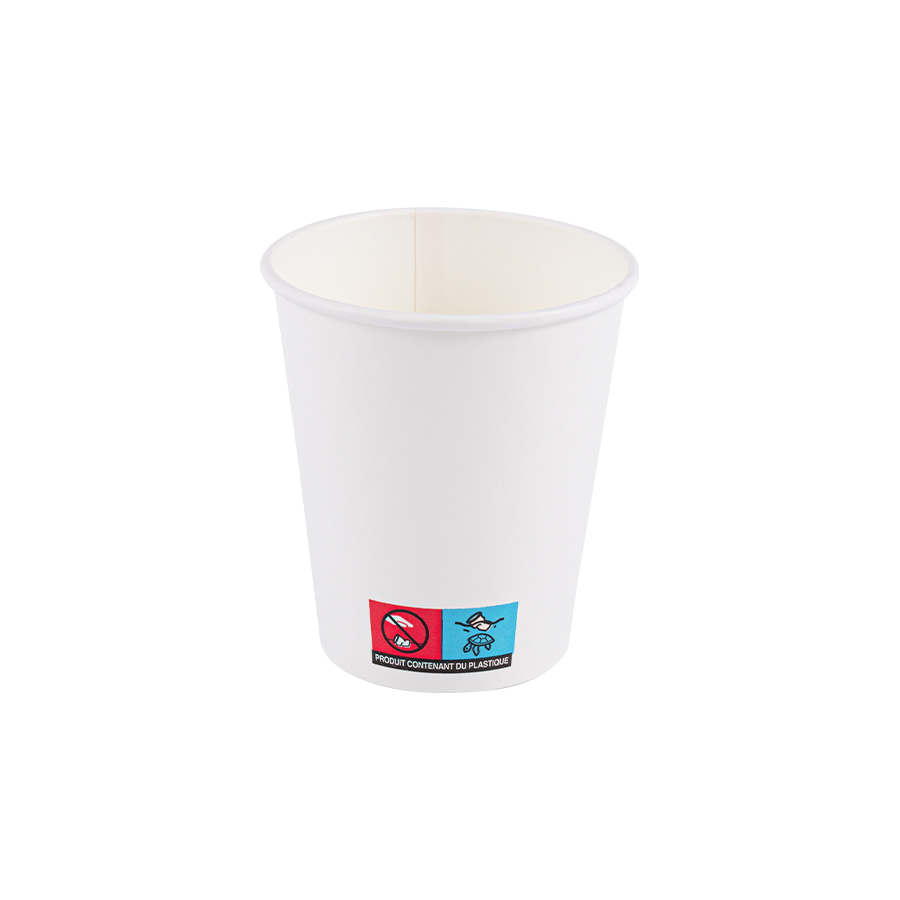
7.5oz Disposable Single-Wall Paper Cup for Automatic Vending Cup
-
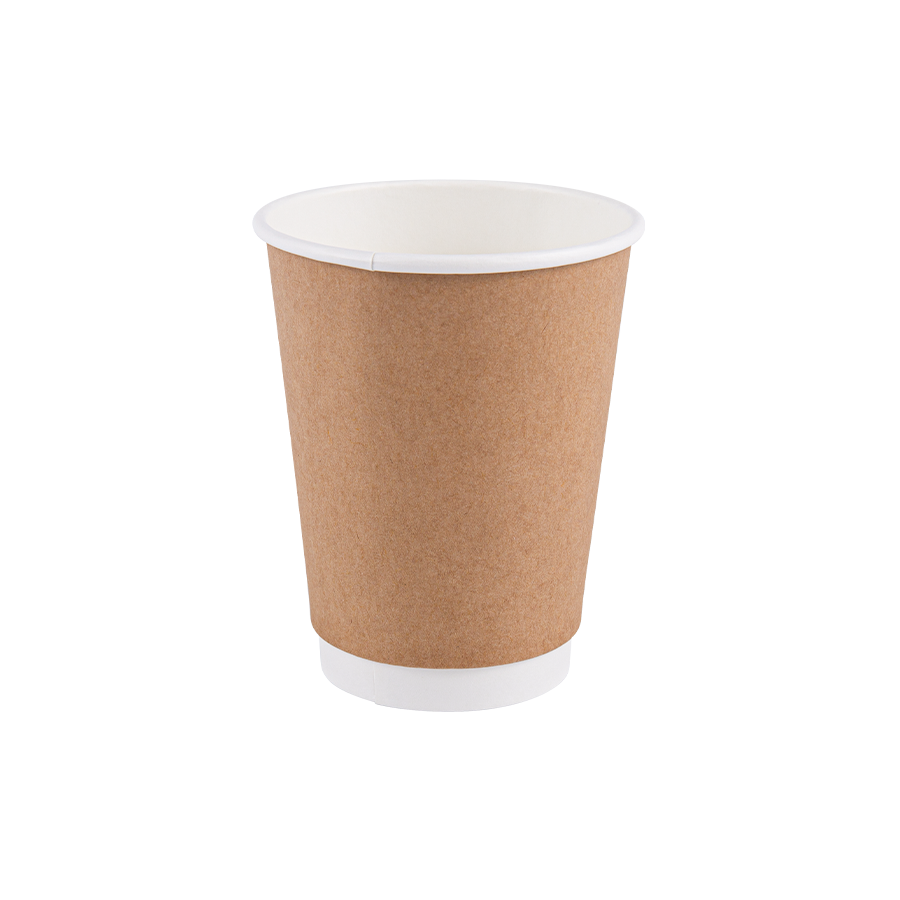
8oz Double-Wall Kraft Paper Cup with Home-Compostable Plastic-Free Coating & Thermal Insulation
-

12oz (420ml) Bamboo Pulp Fiber Paper Cup with PLA Coating
-
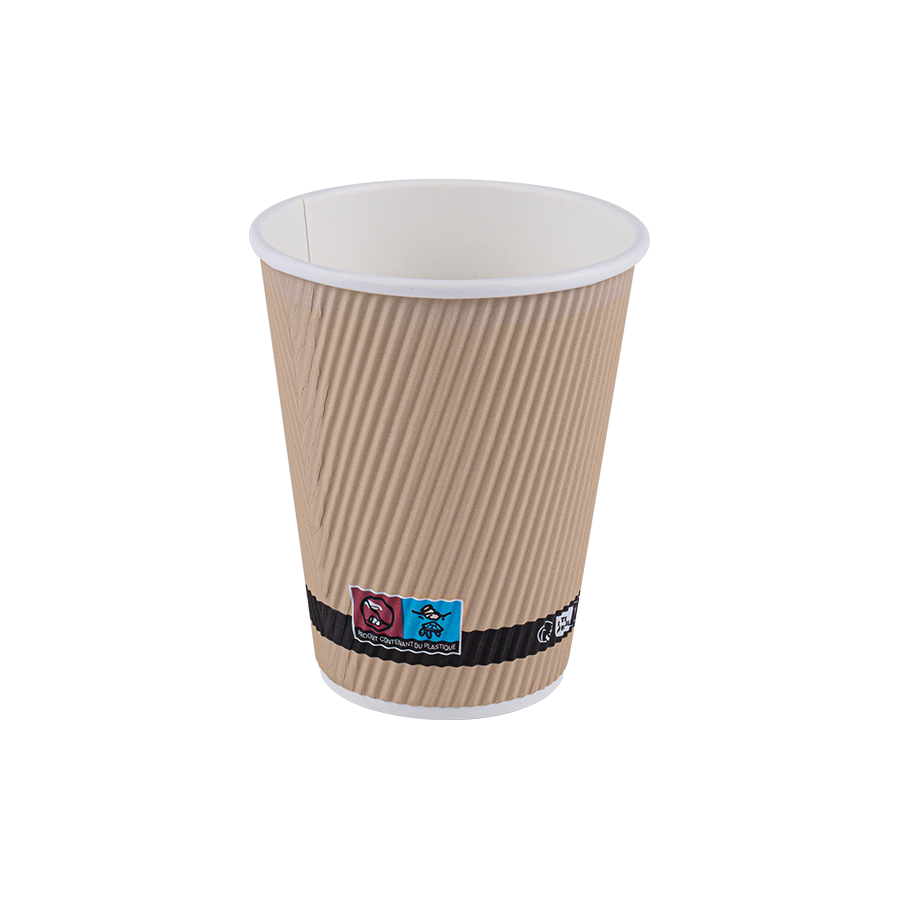
4oz Ripple Wall Paper Cup
-
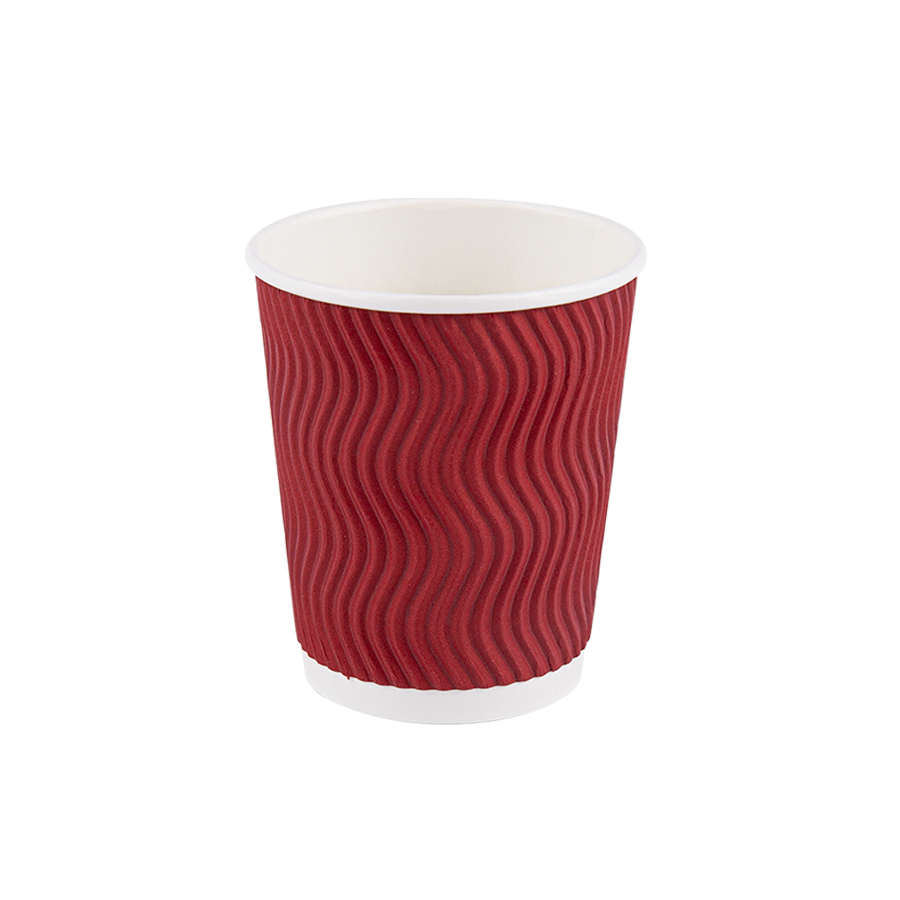
8oz 'S' Ripple Wall Paper Cup

- No. 9 Qilidian Road, Honglan Industrial Park, Lishui District, Nanjing Ctiy. China
- [email protected]
- ( +86 ) - 13327730591
Copyright © 2025 Nanjing smilepacking co., Ltd.
All Rights Reserved.

-
+86-15727116558
