
 English
 中文简体
中文简体 русский
 Español
 عربى
عربى


How Eco-Friendly Are Square Paper Bowls Compared to Plastic or Styrofoam Bowls?
Content
In recent years, the global food service industry has undergone a significant shift toward sustainable packaging solutions. With growing environmental awareness and regulatory pressures, businesses and consumers are moving away from single-use plastic and Styrofoam products. Among the emerging alternatives, square paper bowls have gained popularity, not only for their aesthetic appeal and functionality but also for their eco-friendly attributes.
But how do square paper bowls truly compare to traditional plastic or Styrofoam bowls when it comes to environmental impact? This article examines the differences in raw materials, manufacturing processes, biodegradability, recyclability, and overall sustainability to understand the eco-friendliness of square paper bowls.
Materials and Production Processes
Square Paper Bowls
Square paper bowls are typically made from renewable resources, primarily wood pulp sourced from trees. Some versions are coated with food-safe biodegradable films (such as PLA – polylactic acid derived from corn starch) to provide water and grease resistance.
-
Advantages:
- Derived from renewable and biodegradable sources.
- Lower carbon footprint when sustainably managed forestry is used.
- Can incorporate recycled paper content.
-
Challenges:
- Requires water and energy in pulping and production.
- Coatings (like PE plastic lining) can complicate recycling if not eco-friendly.
Plastic Bowls
Plastic bowls are usually made from polypropylene (PP) or polyethylene terephthalate (PET), both petroleum-based.
-
Advantages:
- Durable and lightweight.
- Relatively inexpensive due to mass production.
-
Challenges:
- Dependence on non-renewable fossil fuels.
- Long degradation time (hundreds of years).
- Significant contribution to microplastic pollution.
Styrofoam Bowls
Styrofoam, or expanded polystyrene (EPS), is a petroleum-based plastic foam.
-
Advantages:
- Extremely lightweight and insulating.
- Inexpensive to produce.
-
Challenges:
- Non-biodegradable, persisting for centuries in landfills.
- Difficult and costly to recycle.
- Known to leach harmful chemicals into food and the environment.
Verdict: Square paper bowls are clearly more eco-friendly in terms of raw materials, especially when responsibly sourced and lined with biodegradable coatings.
Biodegradability and Compostability
Square Paper Bowls
- Can biodegrade within 2–6 months under proper composting conditions.
- If lined with PLA, they remain compostable in industrial facilities.
- If lined with traditional PE, composting becomes more challenging but still less harmful than plastic or Styrofoam.
Plastic Bowls
- Do not biodegrade. Instead, they break down into microplastics, which pollute soil and oceans.
- Estimated degradation period: 400–500 years or more.
Styrofoam Bowls
- Non-biodegradable and resistant to natural breakdown.
- Can fragment into small toxic particles that persist indefinitely in ecosystems.
Verdict: Square paper bowls are significantly more eco-friendly because they are biodegradable and compostable, while plastic and Styrofoam bowls persist for centuries.

Recyclability and Waste Management
Square Paper Bowls
- Can be recycled if free from heavy contamination.
- Coatings (PLA or PE) may require specialized facilities.
- Still more manageable in recycling streams than plastics.
Plastic Bowls
- Technically recyclable, but rates remain low.
- Food contamination often prevents effective recycling.
- Much plastic waste still ends up in landfills or oceans.
Styrofoam Bowls
- Rarely recyclable due to bulkiness, contamination, and lack of facilities.
- Collection and processing are uneconomical.
- Commonly banned in many regions for environmental reasons.
Verdict: Square paper bowls offer greater potential for recycling and waste management compared to plastic and Styrofoam.
Environmental Footprint
Square Paper Bowls
- Lower carbon footprint if sourced from sustainable forestry.
- Minimal long-term pollution since they biodegrade.
- Can be part of a circular economy with recycling and composting.
Plastic Bowls
- High carbon footprint due to petroleum extraction and refining.
- Generates persistent waste and microplastics.
- Contributes significantly to ocean pollution.
Styrofoam Bowls
- Extremely harmful to the environment.
- Lightweight, making them prone to litter and ocean dispersion.
- Major contributor to marine wildlife deaths from ingestion.
Verdict: Square paper bowls are much more eco-friendly, as they reduce long-term environmental harm.
Consumer Health and Safety
Square Paper Bowls
- Generally safe and food-grade.
- PLA or plant-based coatings avoid harmful chemical leaching.
Plastic Bowls
- May release harmful chemicals when exposed to high heat.
- Concerns about BPA and phthalates in some plastics.
Styrofoam Bowls
- Can leach styrene, a possible human carcinogen, into hot or oily foods.
- Increasingly restricted in food service due to health risks.
Verdict: Square paper bowls are safer for both consumers and the environment.
Aesthetic and Functional Benefits
Square paper bowls also bring unique design advantages:
- Modern Appearance: The square shape offers a stylish, premium look compared to traditional round bowls.
- Stackability: Square bowls stack efficiently, saving storage space.
- Customizability: They can be printed with eco-friendly inks for branding or event personalization.
- Practical Functionality: Sturdy enough for salads, noodles, soups, desserts, and take-out meals.
Unlike Styrofoam or plastic, which are often associated with cheap or disposable perceptions, square paper bowls align with eco-conscious branding and consumer values.
Challenges and Limitations of Square Paper Bowls
While more eco-friendly, square paper bowls are not without limitations:
- Water and Grease Resistance: Without coatings, paper bowls absorb liquids. Eco-friendly coatings can be costlier.
- Durability: Less sturdy than plastic or Styrofoam for very hot or oily foods.
- Cost: Typically higher than Styrofoam or low-grade plastics, which may impact budget-conscious businesses.
- Composting Infrastructure: Industrial composting facilities are required in some regions to process PLA-coated bowls effectively.
Despite these challenges, ongoing innovations in biodegradable coatings and recycled paper technology are making square paper bowls increasingly competitive.
Global Trends and Regulations
Governments worldwide are introducing bans and restrictions on single-use plastics and Styrofoam. Examples include:
- European Union: Directive banning single-use plastics and EPS foam containers.
- United States: Several states and cities (e.g., New York, California) have banned Styrofoam food containers.
- Asia: Countries like India and China are implementing stricter plastic regulations.
These regulations create opportunities for eco-friendly alternatives like square paper bowls to dominate the food packaging market.
Conclusion
When comparing square paper bowls to plastic and Styrofoam bowls, the eco-friendly advantages of paper are clear:
- Renewable and biodegradable materials.
- Compostable and recyclable under the right conditions.
- Lower long-term environmental footprint.
- Safer for consumer health and aligned with sustainable practices.
Although challenges remain—such as cost and coating technologies—square paper bowls represent a more responsible choice for businesses and individuals committed to reducing environmental impact.
In a world increasingly concerned with climate change, pollution, and waste management, the adoption of eco-friendly packaging like square paper bowls is not just a trend—it is an essential step toward a sustainable future.
LATEST POST
Let’s create something amazing together
contact usFeatured Products
-

16oz(500ml)PLA Biodegradable Single-Wall Paper Cup
-
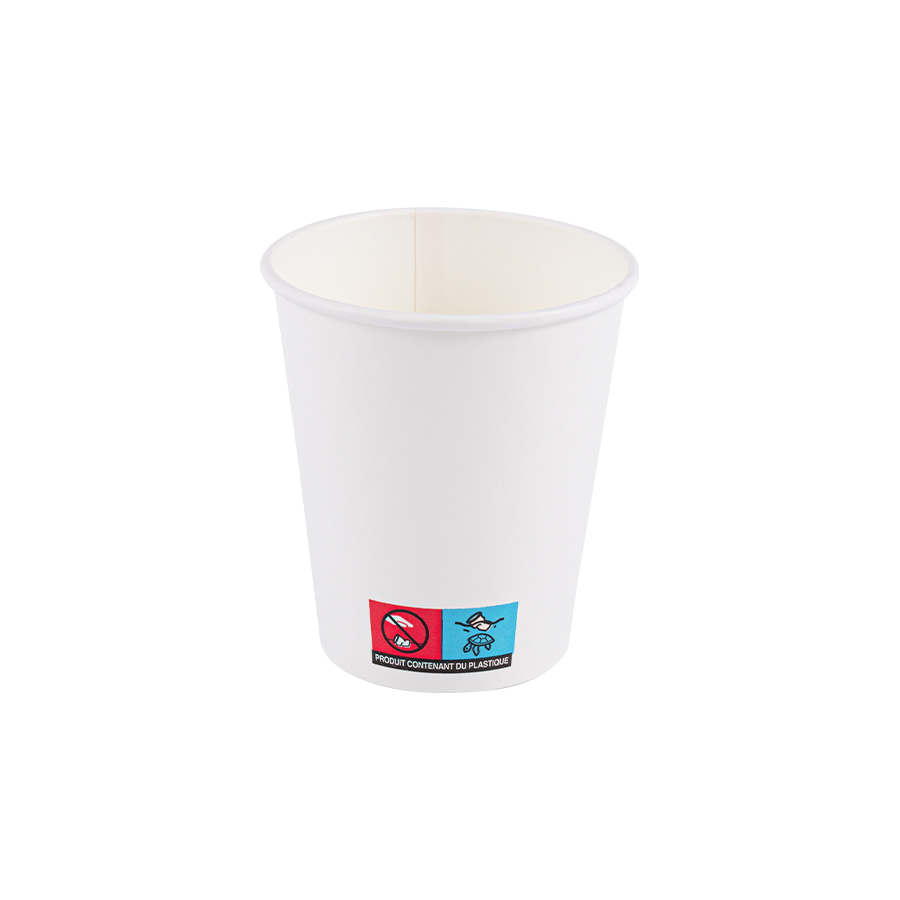
7.5oz Disposable Single-Wall Paper Cup for Automatic Vending Cup
-
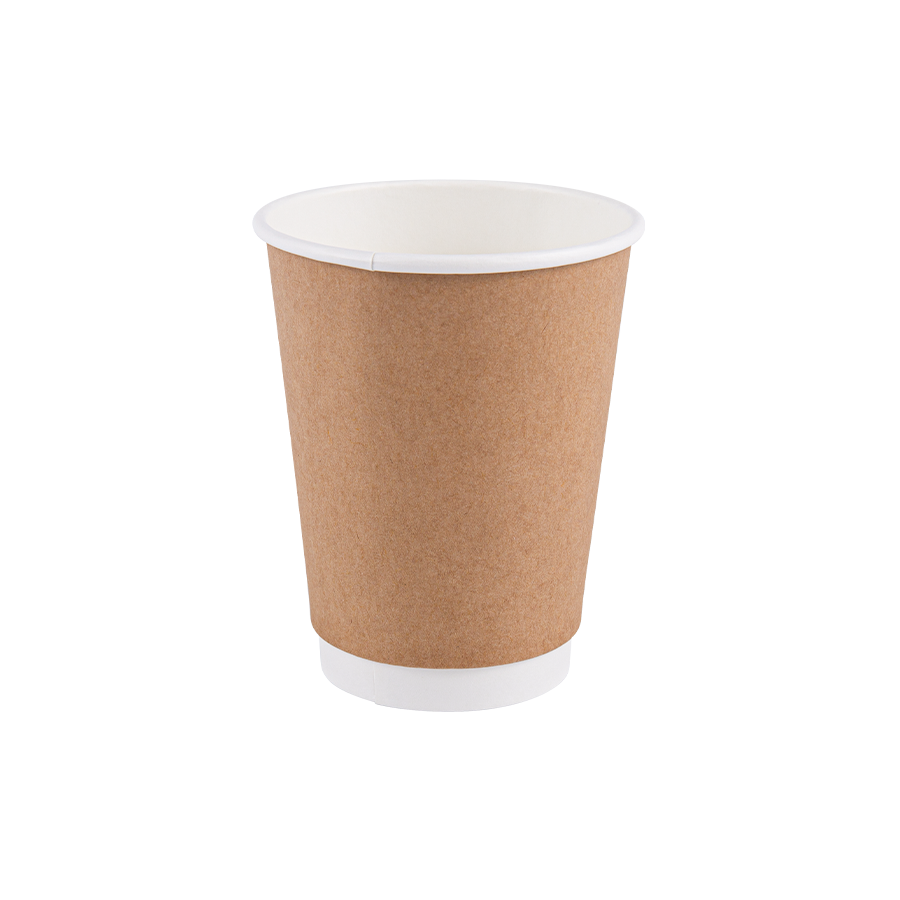
8oz Double-Wall Kraft Paper Cup with Home-Compostable Plastic-Free Coating & Thermal Insulation
-
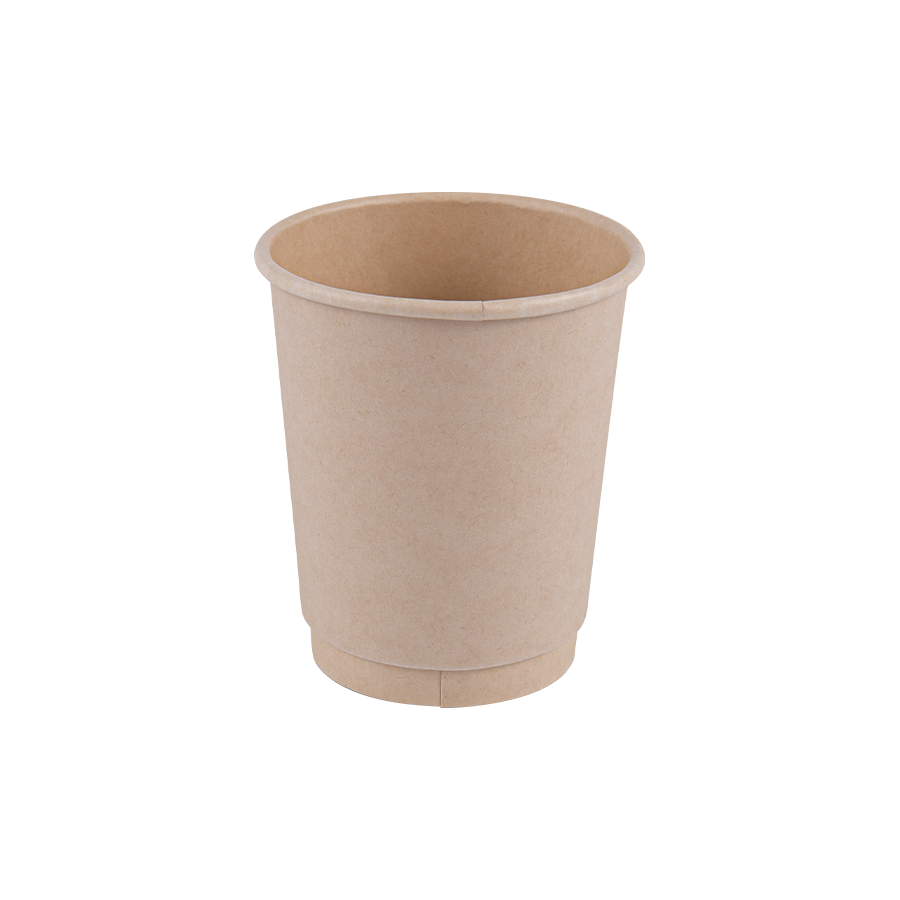
12oz (420ml) Bamboo Pulp Fiber Paper Cup with PLA Coating
-
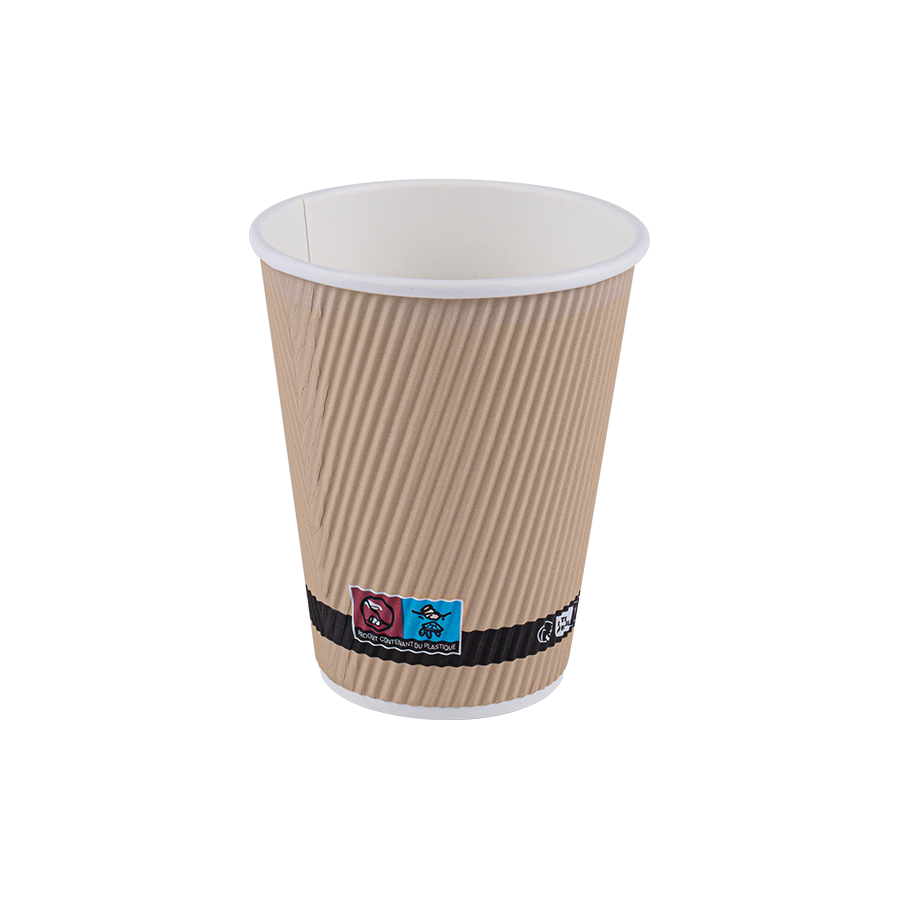
4oz Ripple Wall Paper Cup
-
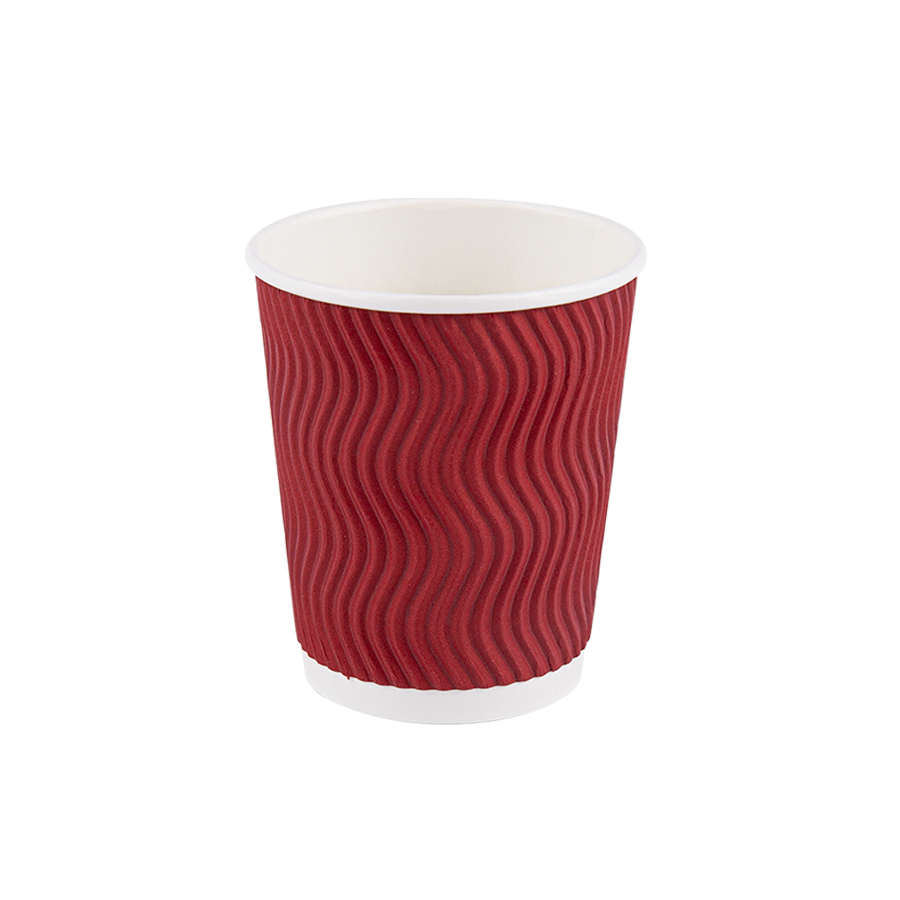
8oz 'S' Ripple Wall Paper Cup

- No. 9 Qilidian Road, Honglan Industrial Park, Lishui District, Nanjing Ctiy. China
- [email protected]
- ( +86 ) - 13327730591
Copyright © 2025 Nanjing smilepacking co., Ltd.
All Rights Reserved.

-
+86-15727116558
