
 English
 中文简体
中文简体 русский
 Español
 عربى
عربى


Round Paper Bowls: Eco-Friendly Convenience for Modern Dining
Content
- 1 Introduction
- 2 What Are Round Paper Bowls?
- 3 Key Features of Round Paper Bowls
- 4 Applications in Daily Life
- 4.1 1. Restaurants and Food Delivery
- 4.2 2. Events, Parties, and Celebrations
- 4.3 3. Household and Everyday Use
- 4.4 4. Street Food and Outdoor Vendors
- 4.5 5. Office and Workplace Use
- 4.6 6. Travel and Outdoor Activities
- 4.7 7. Business and Promotional Uses
- 4.8 8. Emergency and Relief Efforts
- 4.9 Conclusion of Applications
Introduction
In recent years, the food service industry has undergone dramatic changes. Consumers’ lifestyles are becoming faster, busier, and more dynamic, which directly influences how they dine. The traditional idea of sitting down at a table for every meal is gradually shifting towards more flexible and on-the-go solutions. From restaurants offering takeaway meals to delivery platforms booming across the world, packaging has become just as important as the food itself. Customers expect their meals to arrive fresh, presentable, and safe to eat, while businesses are constantly looking for efficient, affordable, and environmentally responsible packaging options.
Amid these evolving dining trends, one product has quietly taken center stage: the round paper bowl. At first glance, it may seem like a simple disposable container, but in reality, it embodies a much larger story about convenience, sustainability, and innovation.
The Growing Role of Packaging in Modern Dining
Packaging is no longer just about containment. It is about preservation, presentation, and brand image. A well-chosen food container not only keeps food fresh but also enhances the customer’s overall experience. For instance, when a customer orders a steaming bowl of ramen or a fresh salad, the expectation is that it will arrive intact, without leaks, and looking appetizing. This is where round paper bowls have carved out their niche.
Unlike traditional plastic containers, which have faced growing scrutiny due to environmental concerns, round paper bowls offer a practical yet eco-conscious alternative. Their disposable nature saves time for both businesses and consumers, while their eco-friendly materials address the global shift toward sustainable practices.
A Bridge Between Convenience and Responsibility
One of the biggest challenges in modern packaging is finding the balance between convenience and responsibility. On one hand, customers demand practicality: containers must be lightweight, durable, and suitable for both hot and cold meals. On the other hand, society is becoming increasingly aware of the environmental impact of disposable products. Plastic waste, in particular, has sparked worldwide debates and regulations. Governments, businesses, and consumers are all searching for solutions that minimize harm to the planet without compromising usability.
Round paper bowls perfectly embody this balance. Made primarily from renewable paper materials and often coated with biodegradable or recyclable linings, they provide a guilt-free alternative to plastics. Customers can enjoy their meals on the go while contributing to eco-conscious choices. Businesses, meanwhile, can demonstrate their commitment to sustainability—a factor that is becoming a decisive element in consumer loyalty.
The Versatility of Round Paper Bowls
Another reason for the rising popularity of round paper bowls is their versatility. Unlike square or rectangular containers, which are often designed for specific purposes, the round shape is naturally adaptable. From soups, noodles, and curries to salads, snacks, and desserts, round paper bowls are suitable for a wide range of cuisines. They hold liquids just as effectively as they accommodate dry or semi-solid foods.
This versatility extends to different sectors as well. Restaurants use them for takeout, event planners use them for catering, families use them for casual dining, and brands use them as canvases for creative customization. The same product can meet the needs of a street food vendor, a high-end restaurant, and a multinational delivery platform.
Consumer Expectations and Shifting Preferences
Today’s consumers are more informed and more selective than ever. They are not just purchasing food; they are buying into values, experiences, and lifestyles. When it comes to packaging, they look for three major qualities:
- Practicality – The packaging must be easy to carry, leak-proof, and suitable for a range of dishes.
- Aesthetics – Visual appeal matters, especially in the age of social media, where food presentation can influence customer engagement.
- Sustainability – Eco-consciousness is no longer a niche preference. Many consumers now actively seek out businesses that use sustainable packaging.
Round paper bowls align with all three expectations. They are practical, aesthetically pleasing with their clean and simple look, and sustainable by design.
The Symbol of a Larger Movement
Perhaps the most significant aspect of round paper bowls is that they symbolize a broader cultural and industrial shift. They are not just about dining convenience but about a movement toward smarter consumption. People are recognizing the importance of reducing their carbon footprint, and every small choice—from reusable bags to paper straws to eco-friendly bowls—adds up to a larger collective impact.
For businesses, adopting round paper bowls is not only a practical decision but also a branding opportunity. It sends a clear message: “We care about our customers’ experience, and we also care about the planet.” In an age where brand loyalty is closely tied to shared values, this message is incredibly powerful.
Setting the Stage for the Discussion Ahead
This introduction serves as a foundation for exploring the world of round paper bowls in depth. Throughout this article, we will look closely at their design and structure, their defining features, the many applications in daily life, their competitive advantages over alternatives, the role they play in sustainability and market trends, and practical guidance on how to select the right bowls for different needs.
By the end, it will become clear that round paper bowls are more than disposable containers—they are a reflection of modern society’s pursuit of convenience, innovation, and responsibility.
What Are Round Paper Bowls?
Round paper bowls are a category of disposable food containers that have become increasingly common in both food service industries and everyday life. On the surface, they might look like ordinary bowls made from paper, but in reality, they are highly engineered products designed to solve multiple challenges in modern dining. Understanding what they are, how they are made, and what makes them unique helps explain why they are now preferred over many traditional alternatives.
Definition and Basic Structure
At their core, round paper bowls are cylindrical, bowl-shaped containers manufactured primarily from food-grade paperboard. This paperboard is a thick, durable type of paper that can hold both hot and cold foods. Unlike thin disposable cups or plates, the structure of paper bowls is reinforced to handle more substantial meals, including liquids and oily dishes.
To improve their functionality, the inner surface of paper bowls is often coated with a thin layer of PE (polyethylene) or PLA (polylactic acid). These coatings act as barriers that prevent liquids, oils, or sauces from soaking into the paper. Without such linings, the paper would weaken quickly when in contact with moisture. The coating ensures that soups, noodles, curries, and even ice cream can be stored without leakage or structural collapse.
Materials and Sustainability
The main raw material of round paper bowls—paperboard—is generally sourced from wood pulp or recycled fibers. Many manufacturers now emphasize sustainability by using paper certified by organizations such as the Forest Stewardship Council (FSC), which ensures that the raw materials come from responsibly managed forests.
The choice between PE and PLA coating also plays a role in sustainability:
- PE (Polyethylene): Widely used due to its cost-effectiveness and strong moisture resistance. However, recycling PE-coated paper can be more complicated.
- PLA (Polylactic Acid): A plant-based biodegradable plastic derived from renewable resources like cornstarch or sugarcane. It allows paper bowls to be composted in industrial facilities, aligning with eco-friendly initiatives.
This dual-layered approach—paper for structure, coating for protection—creates a product that is both practical and environmentally conscious.
Sizes and Capacities
Round paper bowls come in a variety of sizes, typically ranging from 8 oz to 32 oz or more. Smaller sizes are ideal for side dishes, snacks, or desserts, while larger ones are perfect for meals like noodles, rice bowls, or salads.
Some common capacities include:
- 8 oz – 12 oz: Often used for ice cream, small salads, or appetizers.
- 16 oz – 22 oz: A common choice for soups, pasta, or rice-based meals.
- 26 oz – 32 oz: Suitable for hearty meals like ramen, pho, or large salads.
This variety ensures that businesses can choose the right size depending on the type of food they serve, which in turn enhances customer satisfaction.
Shape and Ergonomic Design
The round shape of paper bowls is not accidental. It serves both functional and psychological purposes:
- Functionality: A round bowl distributes heat evenly, minimizes leakage points, and is easier to seal with compatible round lids.
- Ergonomics: Round containers are easier to hold in one hand, making them convenient for takeout and on-the-go eating.
- Food Presentation: Round bowls make meals look more appetizing by framing food naturally, which is particularly important for presentation in restaurants and on social media platforms.
Manufacturing Process
The production of round paper bowls involves several steps:
- Paper Cutting: Large sheets of food-grade paperboard are cut into precise shapes.
- Forming: The cut sheets are shaped into a round bowl structure using specialized machines.
- Coating: The interior is lined with PE or PLA to provide resistance against moisture and oil.
- Quality Testing: Finished bowls undergo checks for leakage, strength, and hygiene compliance.
- Packaging: Bowls are stacked, wrapped, and shipped in bulk to suppliers or directly to businesses.
The manufacturing process is designed to balance efficiency, cost-effectiveness, and hygiene.
A Modern Packaging Solution
Round paper bowls are far more than disposable items; they are carefully engineered products that embody the needs of modern dining. They must be sturdy enough to hold liquids, stylish enough to enhance presentation, safe enough to meet food-contact regulations, and eco-friendly enough to satisfy environmental demands.
By combining these qualities, round paper bowls represent a new generation of packaging—one that moves beyond basic functionality to reflect a deeper cultural emphasis on sustainability, convenience, and consumer satisfaction.
Key Features of Round Paper Bowls
When evaluating packaging options, businesses and consumers alike look for qualities that go beyond mere containment. The modern food container must perform multiple roles simultaneously: it must protect the food, preserve its freshness, enhance presentation, align with environmental values, and provide convenience for both sellers and buyers. Round paper bowls excel in all of these areas, making them one of the most versatile and reliable packaging solutions available today.
Below, we will explore the key features that set round paper bowls apart.
1. Eco-Friendly Composition
Perhaps the most defining feature of round paper bowls is their environmentally friendly nature. Made primarily from renewable paperboard, they present a much lower environmental footprint compared to traditional plastic or Styrofoam containers. With rising awareness about plastic pollution and stricter regulations banning single-use plastics in many regions, businesses are seeking sustainable alternatives. Round paper bowls provide exactly that.
- Renewable Material: Paperboard is derived from trees, a renewable resource, especially when harvested from sustainably managed forests.
- Biodegradability: Unlike plastics, paper decomposes naturally over time, reducing long-term waste accumulation.
- Recyclability and Compostability: Many round paper bowls, especially those lined with PLA, are compostable in industrial facilities, making them a viable part of the circular economy.
For eco-conscious consumers, these bowls represent a guilt-free dining choice, and for businesses, they are a visible demonstration of commitment to sustainability.
2. Durability and Strength
Despite being made from paper, round paper bowls are far from fragile. Through careful engineering and advanced coatings, they are designed to be sturdy and reliable.
- Leak-Resistant: The PE or PLA lining prevents liquids from seeping into the paper, making them suitable for soups, curries, and sauces.
- Heat-Resistant: They can withstand hot foods without deforming, an essential feature for noodles, pasta, or stews.
- Grease-Resistant: Foods like fried rice, curries, or oily snacks do not weaken the structure of the bowl.
- Structural Integrity: Reinforced rims and thick paper walls prevent collapse, ensuring a secure dining experience.
This durability ensures that food stays intact during transport, an especially critical feature in the booming takeout and delivery industries.
3. Functional and Aesthetic Design
Round paper bowls are designed not only for performance but also for visual appeal. In today’s Instagram-driven culture, how food looks when served matters almost as much as taste.
- Round Shape Advantage: The circular design naturally frames food, making dishes appear fuller and more appetizing.
- Clean and Neutral Surface: The plain white or kraft paper finish offers a minimalistic backdrop that highlights the colors and textures of the food itself.
- Customization Options: Businesses can print their logos, brand colors, or promotional messages directly on the bowls, transforming them into mobile advertising tools.
This blend of functionality and aesthetics ensures that round paper bowls enhance the dining experience both practically and visually.
4. Hygiene and Safety
Food safety is paramount in packaging. Consumers want assurance that the container holding their meals is hygienic and free of harmful chemicals. Round paper bowls meet this requirement through strict adherence to food-grade standards.
- Non-Toxic Materials: Paper bowls are manufactured from certified food-safe paper, ensuring no chemical leaching.
- Single-Use Hygiene: Being disposable eliminates risks of cross-contamination that may occur with reusable dishes.
- Compliance with Global Standards: Many suppliers produce bowls that meet FDA, EU, or other international safety certifications.
This safety profile makes round paper bowls suitable for use in schools, hospitals, and catering events where hygiene is particularly important.
5. Convenience and Versatility
One of the greatest strengths of round paper bowls is their adaptability to various needs and contexts.
- For Businesses: Easy to stack, store, and transport, reducing logistical challenges.
- For Consumers: Lightweight, portable, and easy to dispose of responsibly.
- For Different Foods: Suitable for liquids, semi-liquids, and solids. Whether it’s ramen, salad, curry, ice cream, or popcorn, these bowls handle it all.
Their compatibility with secure-fitting lids further enhances convenience, enabling safe transportation for takeout and delivery.
6. Cost-Effectiveness
While premium eco-friendly packaging solutions often carry higher costs, round paper bowls strike a balance between affordability and sustainability.
- Bulk Availability: Widely produced and distributed, they benefit from economies of scale, making them cost-competitive.
- Reduced Waste Management Costs: Many regions impose additional fees or taxes on plastic packaging. Switching to paper bowls helps businesses avoid such expenses.
- Customer Loyalty Benefits: By adopting eco-friendly packaging, businesses can attract and retain eco-conscious customers, which indirectly boosts revenue.
This cost-effectiveness explains why both small restaurants and large food chains are adopting round paper bowls.
7. Wide Range of Sizes and Options
Round paper bowls are available in multiple capacities, thicknesses, and coating options. This variety allows businesses to choose the right product for their menu and branding needs.
- Small Sizes (8–12 oz): Snacks, desserts, side dishes.
- Medium Sizes (16–22 oz): Soups, salads, rice bowls.
- Large Sizes (26–32 oz): Hearty meals like pasta, ramen, or burrito bowls.
Some bowls are even microwave-safe or freezer-safe, broadening their versatility.
8. Branding and Marketing Opportunities
Packaging is no longer just a vessel—it is a communication tool. Round paper bowls provide businesses with valuable opportunities to reinforce brand identity.
- Custom Printing: Logos, slogans, and artwork can be printed directly on the bowl.
- Eco-Friendly Branding: The very act of using paper bowls signals environmental awareness, strengthening a company’s image.
- Customer Perception: A well-designed bowl elevates the overall perception of food quality.
In competitive markets, such branding advantages can make a significant difference.
Conclusion of Key Features
The key features of round paper bowls—eco-friendliness, durability, design appeal, hygiene, versatility, cost-effectiveness, variety, and branding potential—combine to create a product that addresses nearly every modern packaging requirement. They are not just disposable bowls; they are a strategic solution for businesses aiming to satisfy customers while aligning with sustainability trends.
Round paper bowls stand as proof that practical packaging can also be environmentally responsible, stylish, and cost-efficient.
Applications in Daily Life
The true value of any product is revealed not just in its technical specifications but in the way it fits into real-world contexts. Round paper bowls, though seemingly simple, have become indispensable across diverse settings. Their versatility, practicality, and eco-friendly nature allow them to serve multiple purposes beyond traditional food packaging. From the bustling world of restaurants and food delivery to family gatherings, outdoor events, and even marketing campaigns, round paper bowls have proven themselves to be far more than disposable containers.
In this section, we will explore the many applications of round paper bowls in daily life, emphasizing how they bring convenience, hygiene, and sustainability into different environments.
1. Restaurants and Food Delivery
One of the most significant areas where round paper bowls shine is in the restaurant and food delivery industry.
Takeout and Delivery Boom
The global food delivery market has seen exponential growth, driven by changing lifestyles, busy work schedules, and the rise of delivery apps like Uber Eats, DoorDash, and Deliveroo. With more customers dining at home or in offices, restaurants need packaging that ensures meals arrive in perfect condition.
Round paper bowls are ideal for:
- Soups and Noodles: Their leak-proof lining prevents spills during transport.
- Rice Bowls and Curries: They hold heavy, saucy dishes without softening or breaking.
- Salads and Grain Bowls: They present colorful, layered meals attractively.
Brand Presentation
In competitive food service markets, branding matters. Restaurants use printed round paper bowls as portable billboards. When a customer posts a picture of their takeout meal on social media, the branded bowl becomes free advertising for the restaurant.
Eco-Friendly Customer Appeal
Many consumers actively choose restaurants that demonstrate environmental responsibility. By adopting round paper bowls, restaurants can market themselves as sustainable brands, winning long-term loyalty.
2. Events, Parties, and Celebrations
Disposable dinnerware has always been popular for events, but traditional plastic options are increasingly frowned upon. Round paper bowls offer a solution that is both practical and eco-friendly, making them a go-to choice for organizers.
- Weddings and Receptions: Caterers use paper bowls for serving desserts, snacks, or even full meals, ensuring quick cleanup while maintaining elegance.
- Corporate Events: Companies often choose branded paper bowls to serve food during product launches, trade shows, or team gatherings, reinforcing corporate identity.
- Festivals and Community Gatherings: At large-scale events with hundreds or thousands of attendees, disposable bowls reduce the need for dishwashing and simplify logistics.
Round paper bowls are lightweight, stackable, and easy to distribute, which makes them highly practical for any event requiring efficiency and cleanliness.
3. Household and Everyday Use
Round paper bowls are not limited to commercial use—they are also widely used in households for convenience and quick solutions.
- Family Meals: Parents often use them for busy weeknights when they want to minimize dishwashing.
- Picnics and Outdoor Dining: Paper bowls are perfect for carrying snacks, salads, or pasta outdoors without the hassle of bringing heavy dishware.
- Kids’ Parties: Children’s gatherings often involve foods that are messy, like ice cream or noodles. Disposable bowls make cleanup effortless.
- Quick Snacks: Many people use them to serve popcorn, chips, or fruits while watching movies or relaxing at home.
The disposable and hygienic nature of paper bowls makes them particularly appealing for families seeking convenience without compromising safety.
4. Street Food and Outdoor Vendors
Street food culture is booming worldwide, and packaging plays a vital role in this industry. Vendors need containers that are inexpensive, reliable, and easy to use. Round paper bowls perfectly meet these needs.
- Street Noodles and Soups: From ramen in Tokyo to pho in Vietnam, paper bowls are widely used for on-the-go noodle dishes.
- Snacks and Desserts: Ice cream, shaved ice, churros with dips, or fried snacks are often served in small paper bowls.
- Cultural Foods: Many traditional street foods, like curries or rice-based meals, require sturdy, heat-resistant containers.
For vendors, round paper bowls represent a balance between affordability, practicality, and customer satisfaction.
5. Office and Workplace Use
Workplaces are another setting where round paper bowls are increasingly common.
- Office Lunches: Employees often order meals to the office, and round paper bowls ensure food arrives neatly packaged.
- Corporate Catering: Companies offering meals during conferences or training sessions find paper bowls convenient for large-scale service.
- Shared Kitchens: In workplaces with shared kitchens or limited dishwashing facilities, paper bowls simplify cleanup.
In this context, they represent not just convenience but also a way to promote hygiene and reduce reliance on plastic disposables.
6. Travel and Outdoor Activities
Round paper bowls are also widely used in contexts where portability is essential.
- Airlines and Trains: Many airlines serve meals in disposable paper bowls to reduce weight and simplify waste management.
- Camping and Hiking: For outdoor enthusiasts, paper bowls are lightweight, biodegradable, and ideal for single-use meals.
- Road Trips: Families and groups traveling long distances often carry disposable bowls for roadside meals or snacks.
Here, their portability and biodegradability become key selling points.
7. Business and Promotional Uses
Interestingly, round paper bowls have expanded beyond food service into the realm of marketing and brand promotion.
- Custom-Printed Bowls: Businesses print their logos, slogans, or QR codes on paper bowls, turning them into powerful promotional tools.
- Giveaways and Campaigns: During promotional events, free food served in branded bowls spreads awareness and strengthens identity.
- Eco-Friendly Messaging: Companies looking to highlight their environmental commitment use round paper bowls as part of their sustainability campaigns.
In this way, packaging becomes more than functional—it becomes part of a brand’s storytelling.
8. Emergency and Relief Efforts
Another less obvious but important application is in humanitarian aid and relief operations.
During natural disasters, pandemics, or large-scale emergencies, organizations often distribute ready-to-eat meals. Round paper bowls are:
- Hygienic: Single-use ensures safe distribution.
- Cost-Effective: Affordable for large-scale deployment.
- Environmentally Safer: They reduce plastic waste in already fragile environments.
For NGOs and relief agencies, these bowls help meet the dual goals of practicality and responsibility.
Conclusion of Applications
The applications of round paper bowls stretch far beyond simple food packaging. They play critical roles in restaurants, households, events, street food, workplaces, travel, promotions, and even humanitarian aid. Their versatility and eco-friendly attributes make them universally useful, regardless of context.
Ultimately, their widespread adoption is proof of their practicality. Round paper bowls are not just containers; they are enablers of modern lifestyles—bridging convenience, sustainability, and style across countless scenarios.
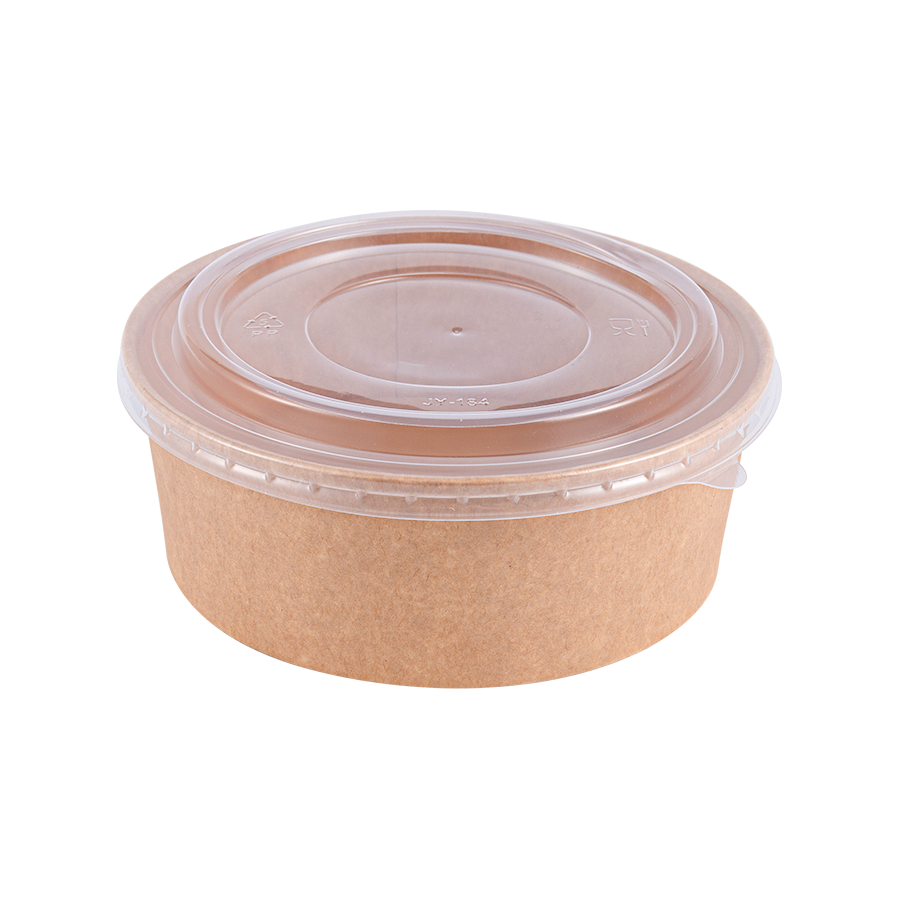
LATEST POST
Let’s create something amazing together
contact usFeatured Products
-

16oz(500ml)PLA Biodegradable Single-Wall Paper Cup
-
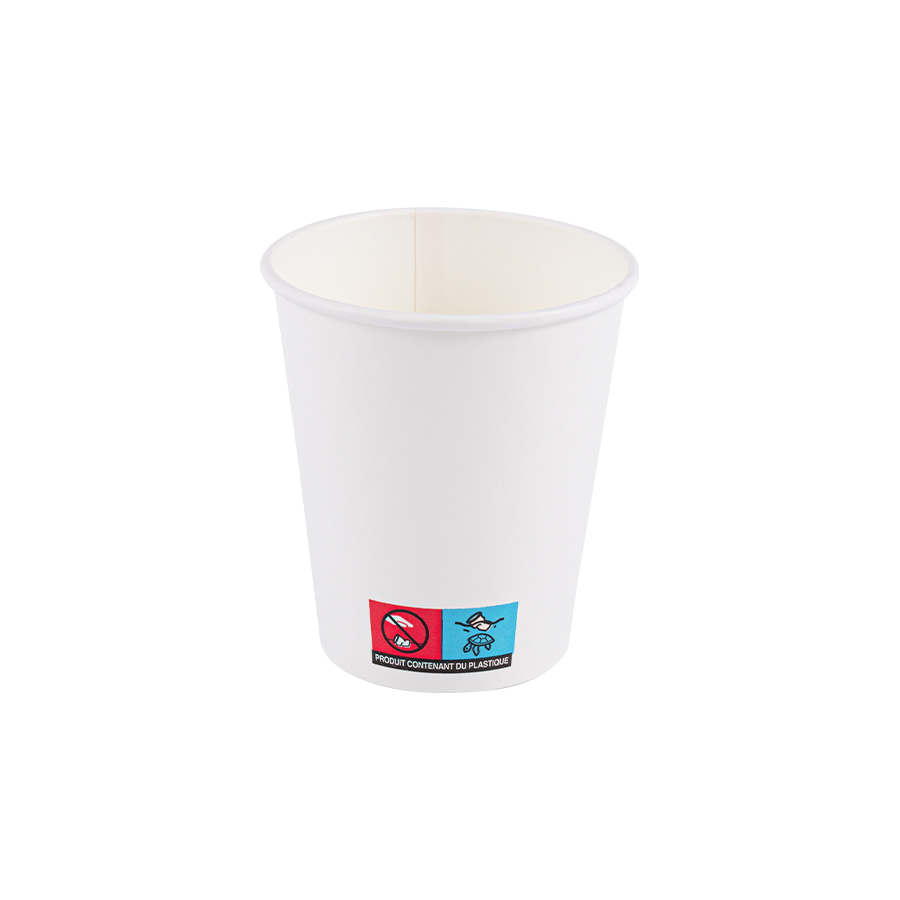
7.5oz Disposable Single-Wall Paper Cup for Automatic Vending Cup
-
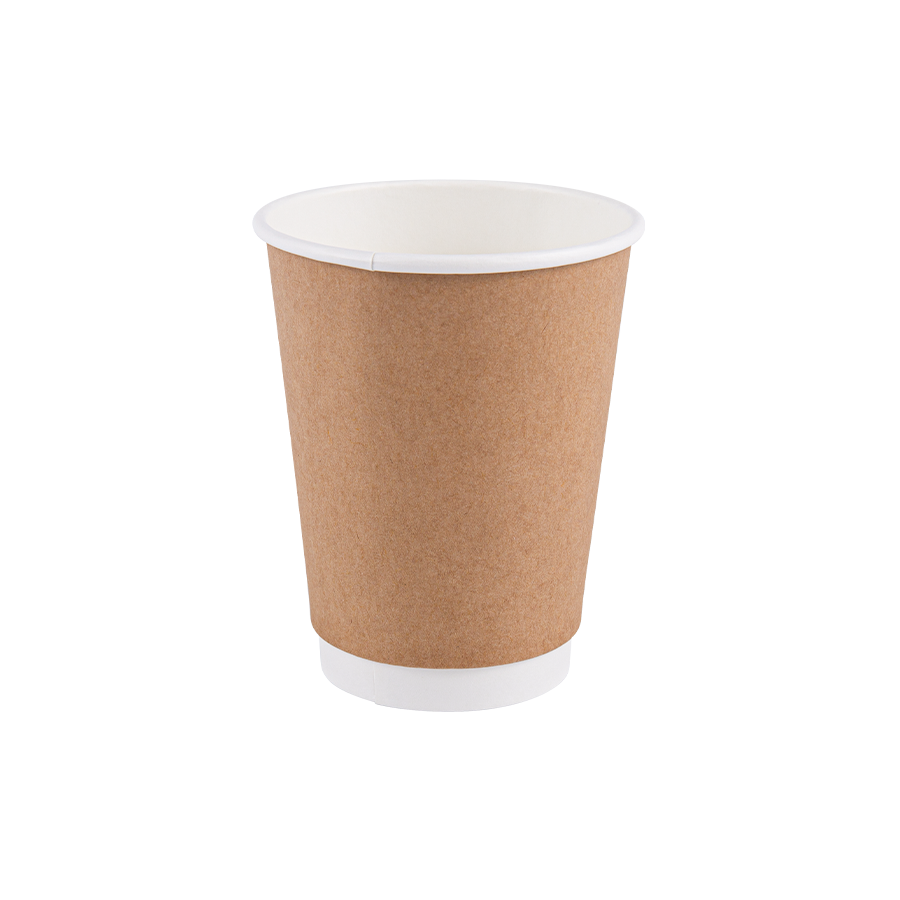
8oz Double-Wall Kraft Paper Cup with Home-Compostable Plastic-Free Coating & Thermal Insulation
-
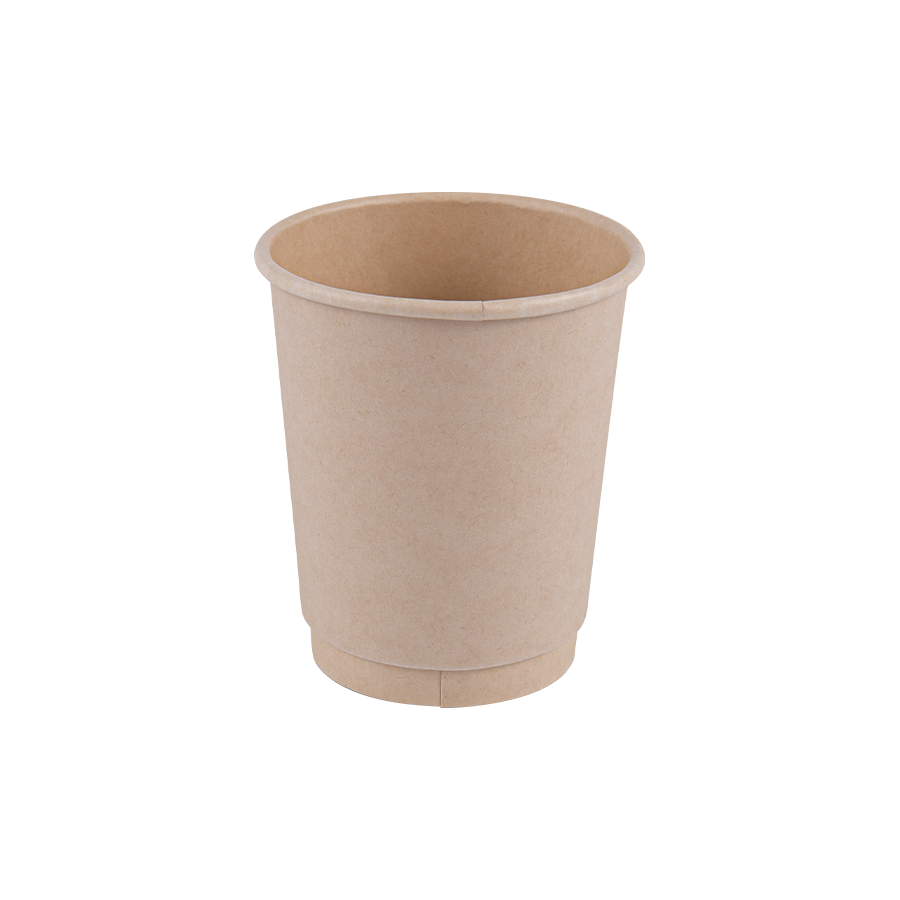
12oz (420ml) Bamboo Pulp Fiber Paper Cup with PLA Coating
-
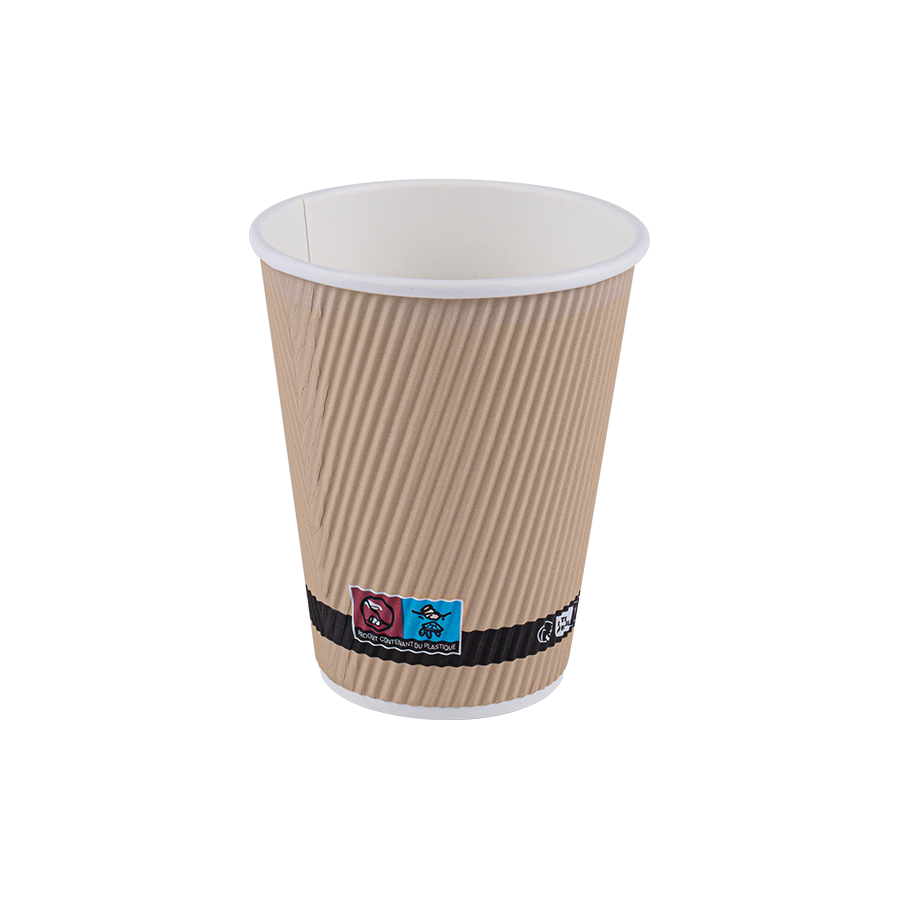
4oz Ripple Wall Paper Cup
-
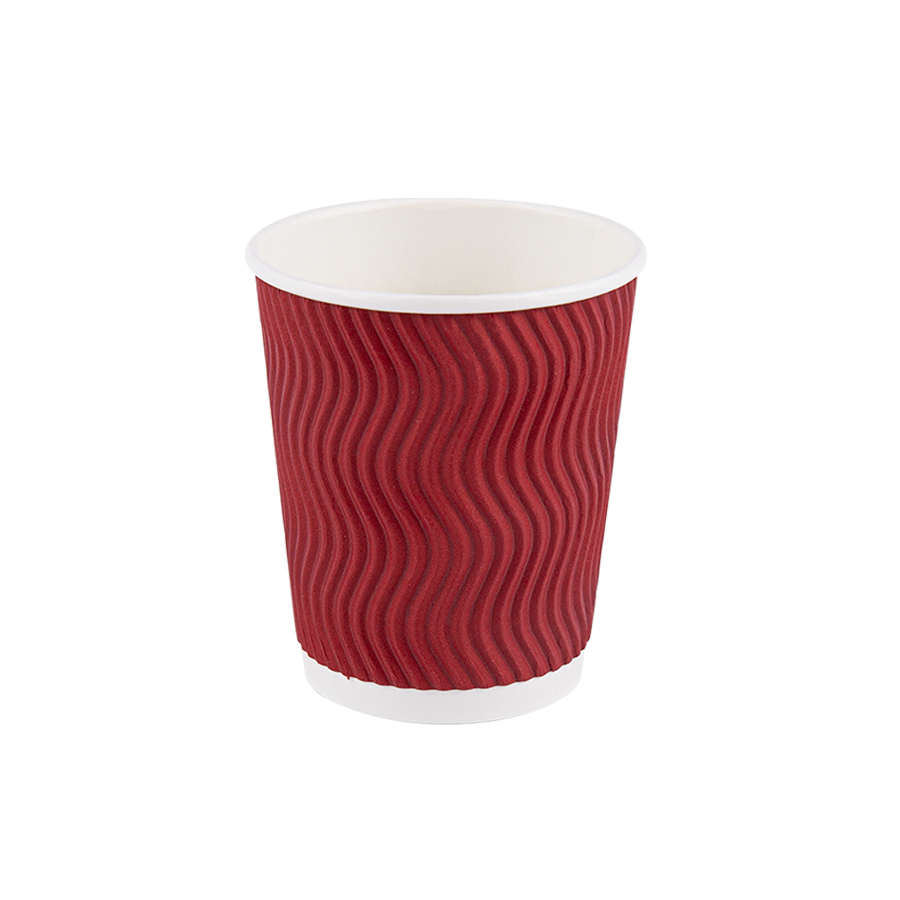
8oz 'S' Ripple Wall Paper Cup

- No. 9 Qilidian Road, Honglan Industrial Park, Lishui District, Nanjing Ctiy. China
- [email protected]
- ( +86 ) - 13327730591
Copyright © 2025 Nanjing smilepacking co., Ltd.
All Rights Reserved.

-
+86-15727116558
