
 English
 中文简体
中文简体 русский
 Español
 عربى
عربى


Why Are Double Wall Paper Cups the Smarter Choice for Hot Beverages?
Content
- 1 What Are Double Wall Paper Cups?
- 2 How Double Wall Construction Works
- 3 Double Wall vs. Single Wall vs. Ripple Wall Cups
- 4 Key Benefits of Double Wall Paper Cups
- 5 Standard Sizes and Capacity Options
- 6 Eco-Friendly and Sustainable Options
- 7 What to Look for When Buying Double Wall Paper Cups
- 8 Industries and Settings That Benefit Most
What Are Double Wall Paper Cups?
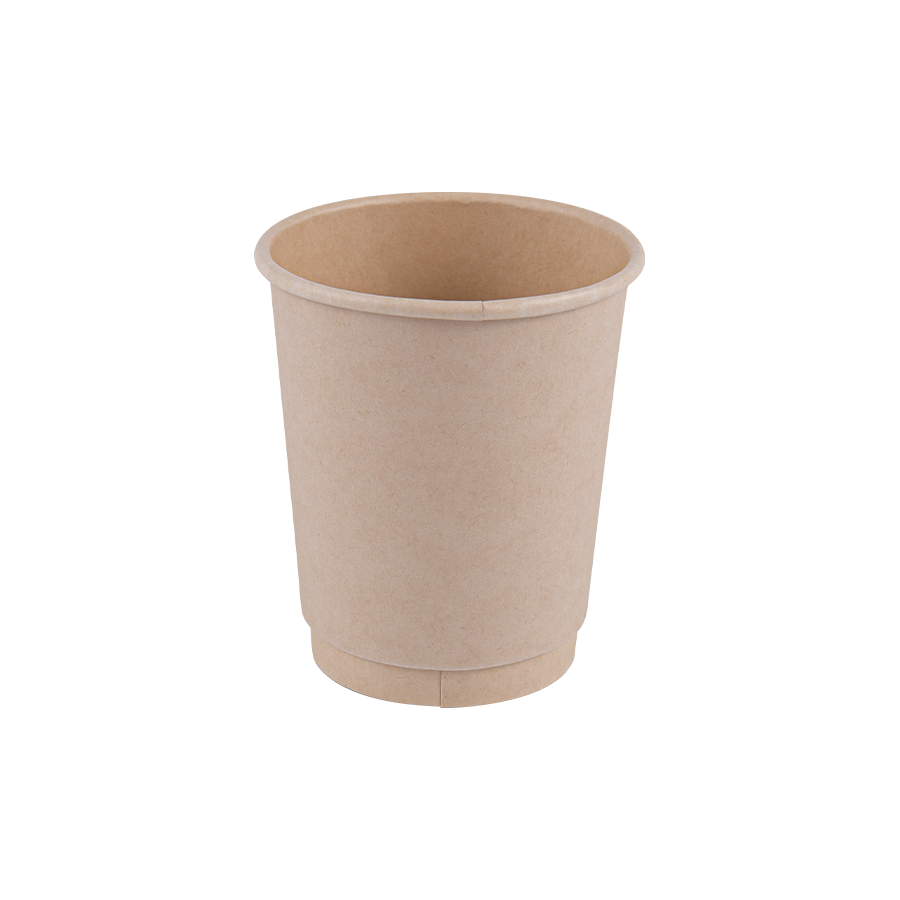
Double wall paper cups are hot beverage containers constructed from two layers of paperboard bonded together with a small air gap between them. This air pocket acts as a natural insulating barrier, slowing the transfer of heat from the liquid inside to the outer surface of the cup. The result is a cup that stays cooler to the touch while keeping the drink hotter for longer — without the need for a separate cardboard sleeve.
Originally developed as a premium alternative to single wall cups with corrugated sleeves, double wall paper cups have become the industry standard in specialty coffee shops, quick-service restaurants, corporate offices, and catering environments. Their clean, sleek appearance and functional insulation make them one of the most practical disposable beverage solutions available today.
How Double Wall Construction Works
The engineering behind double wall paper cups is straightforward but highly effective. The inner wall is coated with a thin layer of polyethylene (PE) or plant-based PLA (polylactic acid) to create a moisture barrier that prevents the paper from absorbing liquid and becoming soggy. The outer wall provides structural rigidity and a surface for branding or decoration. Between the two walls, a trapped air channel — typically 2 to 4 millimeters wide — significantly reduces thermal conductivity.
This construction means the outer wall temperature remains at a level that is comfortable to hold, even when the contents are filled with beverages at 85–95°C (185–203°F). For consumers, this translates directly into a safer, more comfortable drinking experience. For businesses, it eliminates the cost and waste associated with distributing separate cup sleeves at the point of service.
Double Wall vs. Single Wall vs. Ripple Wall Cups
Understanding how double wall cups compare to other insulated options helps buyers make informed purchasing decisions. Each cup type has its own insulation profile, cost point, and ideal use case.
| Cup Type | Insulation Level | Sleeve Needed? | Best For |
| Single Wall | Low | Yes | Cold drinks, low-cost hot drinks |
| Double Wall | High | No | Specialty coffee, premium service |
| Ripple Wall | Medium-High | No | Bakeries, takeaway, events |
| Triple Wall | Very High | No | Extreme heat, soup, long-hold drinks |
Double wall cups outperform single wall cups in nearly every metric relevant to hot beverage service, while remaining thinner and more printable than ripple wall alternatives. For most coffee shops and foodservice operators, double wall is the optimal balance of performance, aesthetics, and cost.
Key Benefits of Double Wall Paper Cups
The growing adoption of double wall paper cups across the foodservice industry is driven by a combination of functional, commercial, and environmental advantages that single wall alternatives simply cannot match.
Superior Heat Retention
The insulating air channel keeps beverages at serving temperature significantly longer than single wall cups. Independent testing shows that double wall cups can maintain beverage temperatures 15–20% longer than comparable single wall cups of the same volume — a measurable advantage in customer satisfaction for take-away coffee operations.
No Burns, No Sleeves
One of the most immediate benefits is the elimination of heat-related discomfort when holding a freshly poured hot drink. The outer wall of a double wall cup typically remains below 45°C (113°F) even when filled with a 90°C beverage, making it safe to hold bare-handed. This removes the operational step of providing cup sleeves, saving both material costs and service time during busy rushes.
Branding and Print Quality
Unlike ripple wall cups whose textured surface limits print detail, double wall cups offer a smooth outer surface ideal for high-resolution flexographic or digital printing. Full-wrap custom designs, brand logos, and promotional messaging can be applied with excellent color fidelity, giving businesses a premium branded presentation at the point of service.
Structural Strength and Leak Resistance
The two-layer construction makes double wall cups notably more rigid than single wall versions. They resist deformation under the pressure of a firm grip — important when customers are carrying drinks while commuting. The PE or PLA inner lining provides a reliable liquid barrier, preventing seepage or weakening of the cup wall even with long contact times with hot liquids.
Standard Sizes and Capacity Options
Double wall paper cups are manufactured in a range of sizes to accommodate different drink formats across various foodservice contexts. Choosing the right capacity is essential for portion consistency and customer satisfaction.
- 4 oz (120ml): Designed for espresso shots and small samples. Common in specialty coffee bars and tasting events.
- 8 oz (240ml): The standard size for a regular flat white, cappuccino, or short Americano. Most widely used in café environments.
- 12 oz (360ml): Ideal for medium lattes, teas, and hot chocolates. Fits most standard cup carriers and lids.
- 16 oz (480ml): A large-format cup suited to American-style drip coffee, large lattes, and chai drinks. Popular in quick-service chains.
- 20 oz (600ml): Extra-large capacity used in venues with high-volume self-serve coffee stations or for specialty drinks with added toppings.
Lid compatibility is an important consideration when selecting cup sizes. Most double wall cups conform to standard industry rim diameters — 80mm for 8 oz cups and 90mm for 12–20 oz cups — ensuring broad lid interchangeability across major suppliers.
Eco-Friendly and Sustainable Options
Sustainability has become a central purchasing criterion for foodservice operators, especially as single-use plastic regulations tighten across Europe, North America, and Asia-Pacific markets. Traditional double wall paper cups lined with polyethylene present challenges for conventional paper recycling, since the plastic film must be separated from the paper fiber before processing. However, several eco-forward alternatives are now widely available:
- PLA-Lined Cups: These use a plant-derived bioplastic lining instead of petroleum-based PE. PLA cups are compostable in industrial composting facilities, making them a strong choice for venues with composting programs in place.
- Aqueous-Coated Cups: A water-based coating replaces the plastic film entirely, making the cup fully recyclable in standard paper recycling streams without special processing.
- FSC-Certified Paperboard: Cups manufactured from Forest Stewardship Council (FSC)-certified board ensure the raw materials come from responsibly managed forests, supporting sustainable timber supply chains.
- Recycled Content Cups: Some manufacturers now offer cups incorporating a percentage of post-consumer recycled fiber in the outer wall, reducing the demand for virgin paperboard without compromising structural performance.
When selecting sustainable double wall cups, buyers should verify third-party certifications such as the Seedling compostability logo, BPI certification (North America), or OK Compost certification (Europe) to ensure the claims are independently validated and not simply marketing language.
What to Look for When Buying Double Wall Paper Cups
With a wide variety of suppliers and product grades on the market, identifying the right double wall paper cup for a specific operation requires careful evaluation of several practical factors.
GSM Rating and Board Thickness
The grammage (grams per square meter, or GSM) of the paperboard determines the cup's structural strength. Most quality double wall cups use an inner board of 170–190 GSM and an outer board of 170–210 GSM. Lower GSM cups may feel flimsy, while excessively thick boards add unnecessary weight and cost. For standard café use, a combined board weight of 340–380 GSM is a reliable benchmark.
Lining Material and Food Safety
Confirm that the inner lining material is food-grade and compliant with relevant food contact regulations such as EU Regulation 10/2011 for plastic materials or FDA standards in the United States. Suppliers should be able to provide material declarations or food contact compliance certificates upon request.
Custom Printing Requirements
For branded cups, clarify minimum order quantities (MOQs) for custom print runs — these typically range from 5,000 to 50,000 units depending on the supplier and print method. Request physical samples before committing to a bulk order to verify print color accuracy, cup rigidity, and lid fit. Digital proofs alone are insufficient for final approval of cup designs.
Lid and Carrier Compatibility
Always confirm that the cups are compatible with your existing stock of lids and cup carriers. Rim diameter and height must align precisely with lid specifications to ensure a secure seal that prevents spills during transit. Testing a new cup with your current lids before placing a bulk order is a simple step that avoids costly mismatches.
Industries and Settings That Benefit Most
Double wall paper cups deliver measurable value across a wide range of commercial and institutional environments. Their combination of thermal performance, aesthetic flexibility, and structural integrity makes them suitable for:
- Specialty Coffee Shops and Cafés: Where premium presentation and hot-hold performance are non-negotiable for customer retention and brand differentiation.
- Quick-Service Restaurants (QSR): High-volume environments where speed of service is critical and cup sleeve distribution would create bottlenecks at the counter.
- Corporate and Office Catering: Meeting rooms and breakout areas where hot beverages need to remain drinkable over extended periods without reheating.
- Events and Festivals: Outdoor environments where cups must withstand handling by guests in motion and maintain temperature despite ambient cold weather.
- Healthcare and Institutional Catering: Hospitals, care homes, and universities where safe, hygienic, single-use beverage solutions are required for large numbers of service users daily.
In each of these settings, the double wall paper cup consistently outperforms alternatives by reducing waste, improving the customer experience, and simplifying service operations — making it a sound investment for any operator serious about hot beverage quality.
LATEST POST
Let’s create something amazing together
contact usFeatured Products
-

16oz(500ml)PLA Biodegradable Single-Wall Paper Cup
-
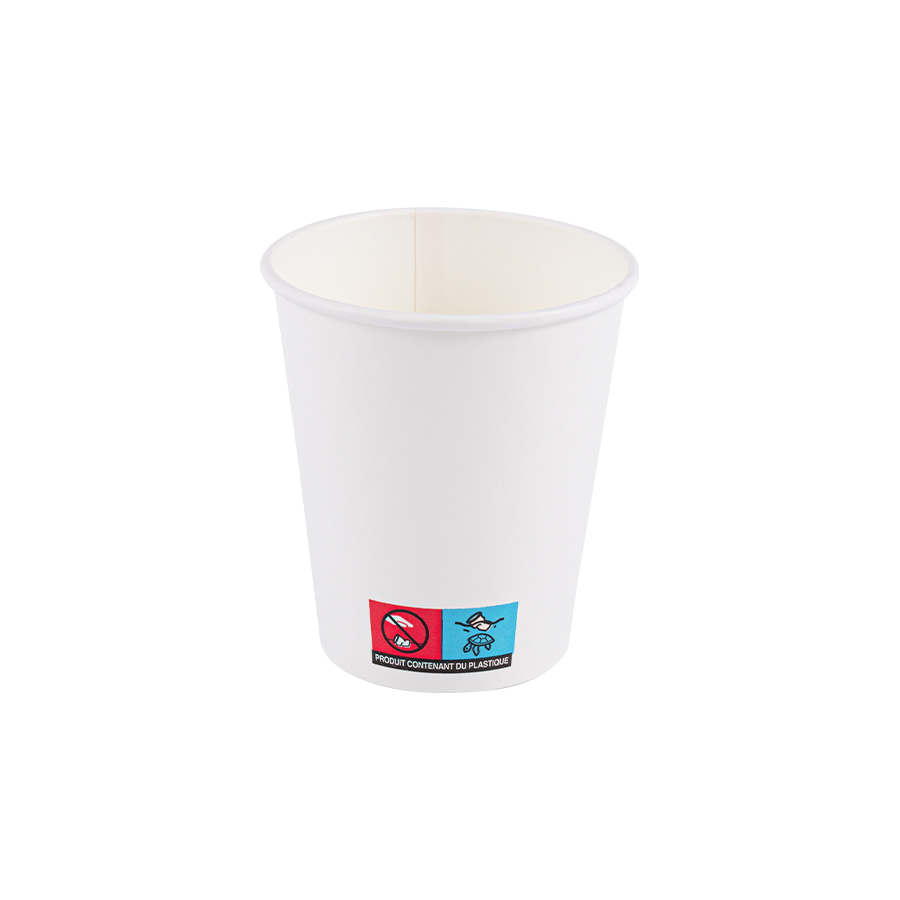
7.5oz Disposable Single-Wall Paper Cup for Automatic Vending Cup
-
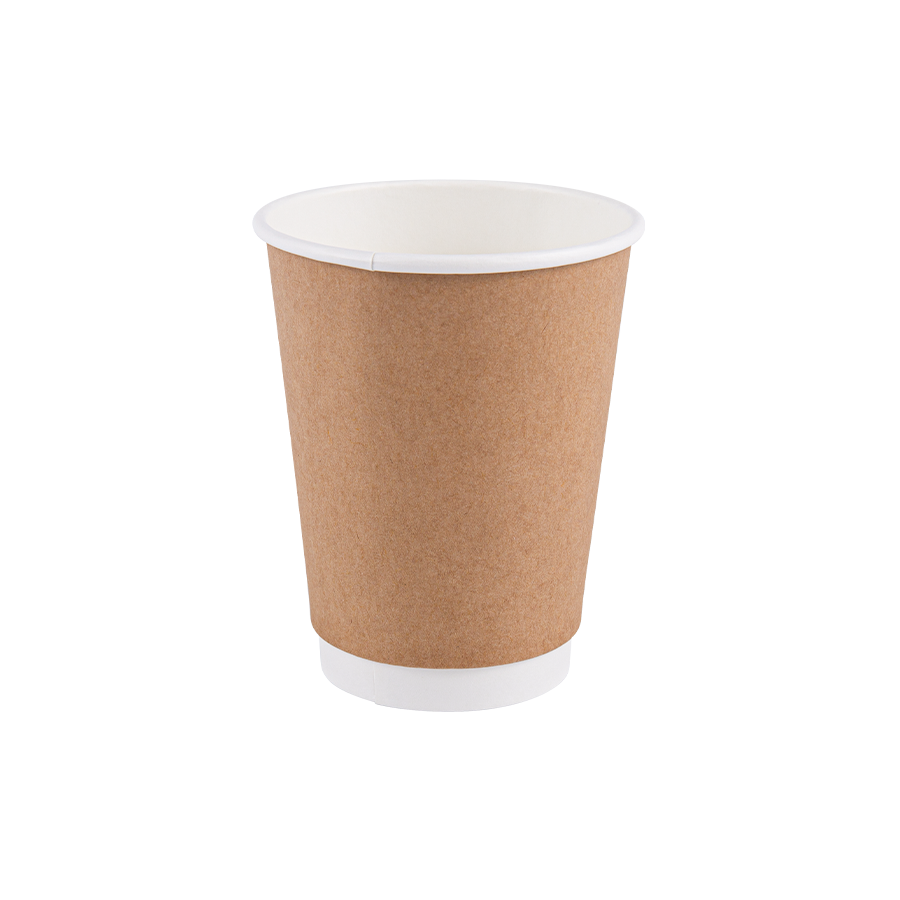
8oz Double-Wall Kraft Paper Cup with Home-Compostable Plastic-Free Coating & Thermal Insulation
-

12oz (420ml) Bamboo Pulp Fiber Paper Cup with PLA Coating
-
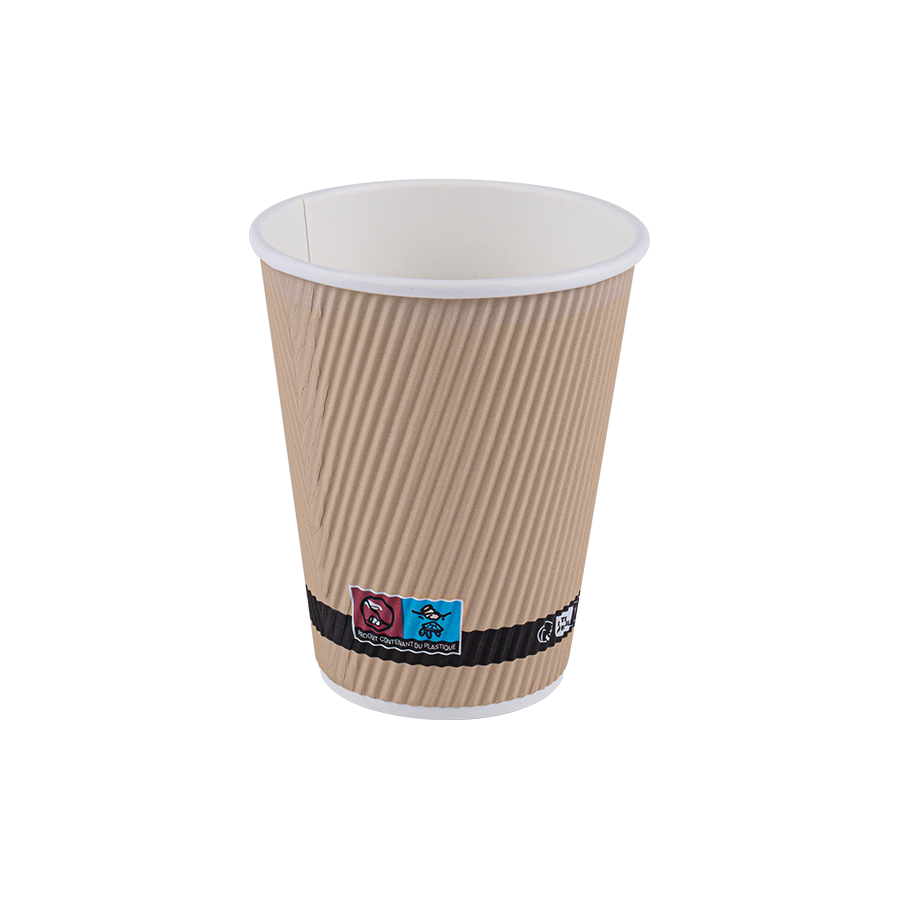
4oz Ripple Wall Paper Cup
-
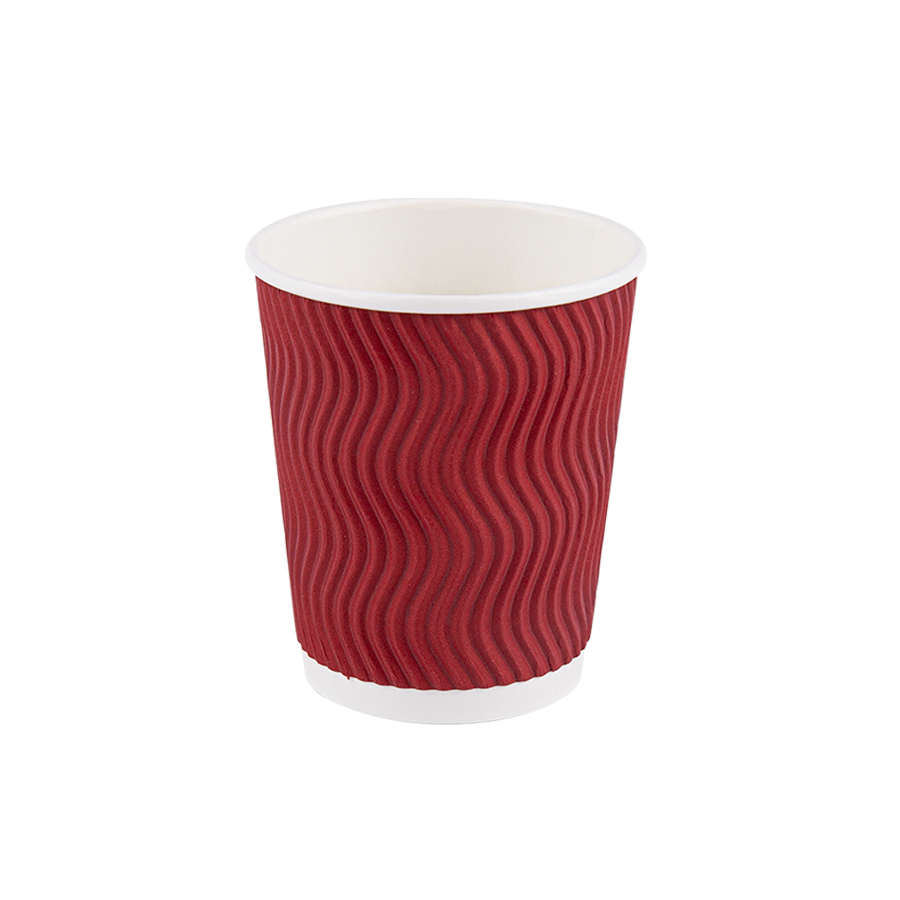
8oz 'S' Ripple Wall Paper Cup

- No. 9 Qilidian Road, Honglan Industrial Park, Lishui District, Nanjing Ctiy. China
- [email protected]
- ( +86 ) - 13327730591
Copyright © 2025 Nanjing smilepacking co., Ltd.
All Rights Reserved.

-
+86-15727116558
