
 English
 中文简体
中文简体 русский
 Español
 عربى
عربى


The Role of Paper Cups in Modern Food Delivery Services
Content
- 1 How Paper Cups Transform the Food Delivery Experience
- 2 Understanding Paper Cup Sizes and Measurements
- 3 Essential Features for Delivery-Optimized Paper Cups
- 4 Branding Opportunities Through Custom Cup Design
- 5 Sustainability Considerations in Delivery Cup Selection
- 6 Optimizing Cup Selection for Different Beverage Types
- 7 Managing Inventory and Cost Considerations
- 8 Packaging Integration for Delivery Success
- 9 Future Trends in Delivery Beverage Packaging
How Paper Cups Transform the Food Delivery Experience
The explosive growth of food delivery services over the past decade has fundamentally changed how consumers access meals and beverages, with paper cups playing an unexpectedly critical role in this transformation. As delivery platforms like DoorDash, Uber Eats, and Grubhub have expanded from restaurant meals to include coffee shops, juice bars, bubble tea cafes, and smoothie outlets, the humble paper cup has evolved from a simple container into a sophisticated packaging solution that must withstand transportation challenges while maintaining beverage quality and temperature. The demands placed on paper cups in delivery contexts far exceed traditional dine-in or walk-up service requirements, necessitating innovations in materials, design, and construction that protect contents during transit while delivering satisfactory customer experiences.
Understanding the role paper cups play in modern food delivery requires examining multiple dimensions including functionality, branding opportunities, sustainability concerns, and practical considerations like sizing standards. For food service operators entering or expanding within the delivery market, selecting appropriate paper cups represents a strategic decision impacting customer satisfaction, operational efficiency, and brand perception. The right cups prevent spills and leaks that generate negative reviews, maintain beverage temperatures throughout delivery windows, and reinforce brand identity through every customer interaction. As delivery continues capturing larger market share of food service revenue, optimizing every aspect of the delivery experience—including seemingly minor details like cup selection—creates competitive advantages that drive customer retention and positive word-of-mouth marketing.
Understanding Paper Cup Sizes and Measurements
One of the most common questions in food service involves understanding cup sizing, particularly questions like "how many cups is 16 oz?" This confusion stems from the difference between fluid ounces (volume measurement) and the cup count terminology used in food service. A 16-ounce paper cup holds 16 fluid ounces of liquid, which equals exactly 2 standard measuring cups (since 1 standard cup = 8 fluid ounces). However, in food service parlance, a "16 oz cup" refers to a single container with 16-ounce capacity, not multiple cups. This distinction matters when ordering supplies, designing menus, and communicating with customers about portion sizes.
| Cup Size (oz) | Fluid Ounces | Standard Cups | Milliliters | Best For |
| 8 oz | 8 fl oz | 1 cup | 237 ml | Espresso drinks, kids' beverages |
| 12 oz | 12 fl oz | 1.5 cups | 355 ml | Standard coffee, small smoothies |
| 16 oz | 16 fl oz | 2 cups | 473 ml | Large coffee, medium smoothies |
| 20 oz | 20 fl oz | 2.5 cups | 591 ml | Large specialty drinks, bubble tea |
| 24 oz | 24 fl oz | 3 cups | 710 ml | Extra-large beverages, sharing portions |
For delivery services, the 16-ounce cup represents the sweet spot balancing customer value perception with practical handling considerations. This size accommodates substantial beverage portions without becoming unwieldy during transport, fitting comfortably in standard cup holders and delivery bags. When customers order a "medium" or "regular" size through delivery apps, they typically receive 16-ounce servings, making this size essential inventory for delivery-focused operations. Understanding that 16 oz equals 2 standard measuring cups helps with recipe consistency and portion control, ensuring delivered beverages match in-store experiences.

Essential Features for Delivery-Optimized Paper Cups
Paper cups designed for delivery must meet more demanding performance standards than those used exclusively for on-premise service. The transit journey from restaurant to customer introduces variables including temperature fluctuations, jostling, tilting, and extended hold times that test cup integrity in ways stationary service never encounters.
Leak Prevention and Structural Integrity
The single most critical requirement for delivery cups is absolute leak prevention. Even minor seepage during transport destroys customer satisfaction, ruins other items in delivery bags, and generates negative reviews that damage restaurant reputations. Quality delivery cups feature reinforced polyethylene or PLA linings that create complete moisture barriers, extending from rim to base without gaps or thin spots. Seam construction must withstand pressure from liquid weight and handling stress without separation. Double-wall cup construction offers advantages beyond insulation—the dual layers provide redundant leak protection and structural reinforcement that maintains cup integrity even when subjected to compression in crowded delivery bags.
Temperature Retention Capabilities
Delivery windows averaging 20-45 minutes from preparation to consumption demand superior temperature retention. Hot beverages must arrive hot, not lukewarm, while cold drinks need to stay refreshingly cold rather than reaching unpleasant room temperature. Insulated cups with air-gap double walls dramatically outperform single-wall alternatives, maintaining hot beverage temperatures 40-50% longer according to industry testing. For cold beverages, quality paper stock resists condensation that can weaken cup structure and create moisture issues in delivery packaging. Some operators use cup sleeves or specialty insulated bags, but starting with thermally efficient cups provides baseline performance that accessories enhance rather than compensate for.
Lid Compatibility and Security
Even the best cup fails if lids don't seal properly. Delivery cups must pair with secure-fitting lids designed to prevent spills during transport. Look for lids with positive-lock mechanisms that click definitively into place, providing tactile and audible confirmation of proper seating. Sipper-style lids with closeable openings offer better spill protection than open-hole designs during transit. Ensure rim dimensions match lid specifications precisely—even millimeter variations can compromise seal integrity. Test cup-lid combinations under transport conditions before committing to large purchases, filling cups with liquid and subjecting them to tilting, shaking, and temperature changes that mimic delivery scenarios.
Branding Opportunities Through Custom Cup Design
Every delivery beverage represents a mobile branding opportunity as cups travel through neighborhoods, office buildings, and public spaces. Custom-printed paper cups transform functional containers into marketing assets that build recognition and reinforce brand identity long after customers finish beverages.
Strategic cup design starts with prominent logo placement ensuring visibility from multiple angles. Wraparound designs maximize exposure compared to single-panel printing, keeping your brand visible regardless of how customers hold cups. Include essential information like website URLs, social media handles, or app download prompts that enable customers to reorder easily. QR codes linking to menus, loyalty programs, or promotional offers turn cups into interactive marketing tools. Color choices should align with overall brand identity while ensuring sufficient contrast for readability—particularly important for delivery contexts where cups may be photographed for social media sharing.
Consider designing different cup variations for seasonal promotions, limited-edition beverages, or special events. Rotating designs create collectibility and encourage social sharing as customers post photos of unique cups. However, maintain consistent core brand elements across variations to preserve recognition. For multi-location operations, cups can include location-specific information while maintaining unified brand aesthetics. Balance creative expression with practical readability—overly complex designs may look impressive on mockups but lose impact when printed at actual cup size, especially on smaller formats like 8 or 12-ounce cups.
Sustainability Considerations in Delivery Cup Selection
Environmental consciousness increasingly influences consumer purchasing decisions, with many customers specifically seeking businesses demonstrating commitment to sustainability. Paper cup choices directly impact environmental footprints and customer perceptions of corporate responsibility.
- Compostable PLA-lined cups biodegrade in commercial composting facilities, offering eco-friendly alternatives to traditional polyethylene-coated options
- Recycled content cups incorporate post-consumer paper fiber, reducing virgin material consumption and supporting circular economy principles
- FSC-certified paper ensures responsible forestry practices, appealing to environmentally conscious consumers who research sourcing
- Water-based inks for printing reduce toxic chemical usage compared to solvent-based alternatives, minimizing environmental impact
- Minimal packaging for cup shipments reduces waste while protecting products adequately during distribution
Communicate sustainability initiatives clearly on cups themselves and through delivery app profiles. Customers willing to pay premium prices for eco-friendly options need visible confirmation that their values-aligned purchasing receives priority. Include disposal instructions on cups when using compostable or specially recyclable materials, as confusion about proper disposal undermines environmental benefits when compostable cups enter landfill waste streams. Partner with delivery platforms supporting sustainability initiatives, and consider offering small discounts to customers providing reusable cups for pickup orders, though delivery contexts complicate reusable container programs.
Balance sustainability aspirations with practical performance requirements. Early-generation compostable cups sometimes sacrificed functionality for environmental credentials, but modern options increasingly match conventional cup performance while offering superior environmental profiles. Test sustainable alternatives thoroughly before switching entirely, ensuring they withstand delivery conditions as effectively as traditional options. Premium pricing for sustainable cups typically adds 10-25% to per-unit costs, but many operators find customers accept modest price increases or absorb costs as marketing investments that differentiate brands in competitive delivery markets.
Optimizing Cup Selection for Different Beverage Types
Different beverages demand specific cup characteristics to maintain quality during delivery, requiring thoughtful matching of container specifications to contents.
Hot Beverages
Coffee, tea, and hot chocolate require excellent insulation and heat retention. Double-wall cups or single-wall cups with sleeves prevent burns while keeping beverages hot throughout delivery. Rim design affects drinking experience—smooth, rounded rims enhance comfort compared to sharp edges. For espresso-based drinks with foam components, slightly tapered cup shapes help maintain foam structure better than straight-sided designs. Consider cup capacity carefully for hot beverages, as customers expect fuller pours—16-ounce cups filled to approximately 14 ounces account for expansion room and lid displacement while appearing generous.
Cold Beverages and Iced Drinks
Iced coffee, cold brew, smoothies, and fountain drinks need cups resisting condensation while maintaining structural integrity as ice melts. Wax-coated or poly-coated cups prevent moisture penetration that weakens paper. Clear plastic lids allow visibility of attractive layered drinks or colorful smoothies that photograph well for social media. Wider diameter cups accommodate generous ice portions while maintaining reasonable height for stable transport. For bubble tea and drinks with toppings or mix-ins, ensure cup openings accommodate wide straws—typically requiring 20-24 ounce cup sizes even for smaller beverage volumes.
Specialty and Blended Beverages
Thick smoothies, milkshakes, and frozen coffee drinks demand extra-sturdy cups with reinforced construction. These dense beverages create more structural stress than standard liquids. Dome lids accommodate whipped cream or toppings extending above rim level, adding visual appeal and perceived value. For beverages with multiple components like layered drinks or those requiring mixing before consumption, include clear usage instructions on cups or as delivery bag inserts ensuring customers enjoy products as intended.
Managing Inventory and Cost Considerations
Efficient cup inventory management balances having adequate stock for demand surges against storage limitations and capital tied up in supplies. Most delivery-focused operations stock multiple cup sizes accommodating their full beverage menu, requiring careful forecasting and purchasing strategies.
Analyze sales data to determine optimal inventory ratios across cup sizes. Many operations find 16-ounce cups representing 40-50% of total cup usage, with 12-ounce and 20-24-ounce sizes comprising most remaining volume. Maintain safety stock buffers preventing stockouts during unexpected demand spikes, particularly around holidays, weather events, or promotional campaigns. Establish relationships with reliable suppliers offering reasonable lead times and minimum order quantities aligned with your usage rates and storage capacity.
Bulk purchasing reduces per-unit costs significantly—ordering 50,000 cups versus 5,000 might save 30-40% per cup. However, storage requirements, cash flow constraints, and inventory risk must factor into purchasing decisions. Calculate total cost of ownership including storage expenses, risk of damage or obsolescence, and opportunity cost of capital when comparing bulk discounts against smaller, more frequent orders. For businesses with predictable demand patterns and adequate storage, bulk purchasing delivers substantial savings. Newer or seasonal operations may prefer smaller orders until demand stabilizes, accepting higher per-unit costs for reduced risk and capital requirements.
Packaging Integration for Delivery Success
Cups don't travel alone—they require compatible carriers, bags, and packaging systems ensuring safe transit alongside food items. Integrated packaging approaches optimize the complete delivery experience rather than addressing cups in isolation.
Cup carriers with individual compartments prevent cups from tipping or colliding during transport, particularly important for multiple-beverage orders. Four-cup carriers accommodate family orders or group deliveries efficiently. Ensure delivery bags include designated beverage sections separated from food compartments, preventing temperature transfer and potential spills from contaminating food. Some operators use sealed cup bags providing additional leak protection, though this adds packaging costs and environmental waste. Evaluate whether added security justifies additional expense based on beverage types and delivery distances.
Train staff on proper cup filling, lid sealing, and packaging procedures specific to delivery. Overfilling creates spill risks while underfilling disappoints customers expecting full value. Implement quality checks before orders leave—designated staff should verify lid security, check for exterior moisture, and ensure cups are properly positioned in carriers. These final verification steps take seconds but prevent costly mistakes that damage reputation and require refunds or replacements. Document standard operating procedures for beverage preparation and packaging, ensuring consistency across shifts and staff members.
Future Trends in Delivery Beverage Packaging
The paper cup industry continues innovating in response to delivery market growth and evolving sustainability expectations. Staying informed about emerging trends positions forward-thinking operators to adopt beneficial innovations early.
Smart packaging incorporating temperature indicators shows customers whether beverages maintained appropriate temperatures throughout delivery, building trust and identifying potential delivery issues. Some manufacturers experiment with phase-change materials in cup walls providing enhanced insulation through latent heat storage. Improved compostable coatings promise better moisture barriers rivaling conventional polyethylene performance while maintaining end-of-life biodegradability. Digital printing advances enable economical small-batch custom printing, allowing frequent design changes or personalization previously requiring prohibitive minimum orders.
Reusable cup programs gain traction in some markets, with return-and-sanitize systems managed through app-based tracking. While challenging to implement at scale, these programs appeal to sustainability-focused consumers willing to participate in circular systems. Monitor regulatory developments as some jurisdictions consider mandating compostable food service packaging or banning certain materials. Proactive adaptation to anticipated regulations prevents rushed transitions under compliance deadlines, allowing time to test alternatives and adjust operations systematically.
LATEST POST
Let’s create something amazing together
contact usFeatured Products
-

16oz(500ml)PLA Biodegradable Single-Wall Paper Cup
-
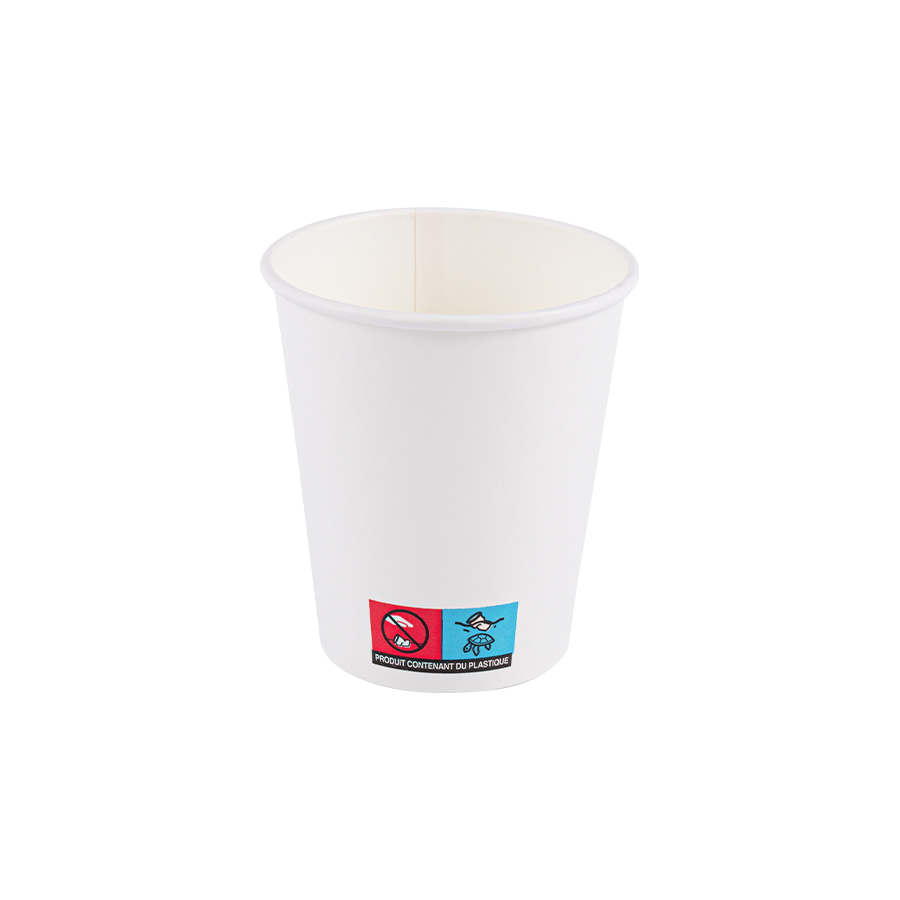
7.5oz Disposable Single-Wall Paper Cup for Automatic Vending Cup
-
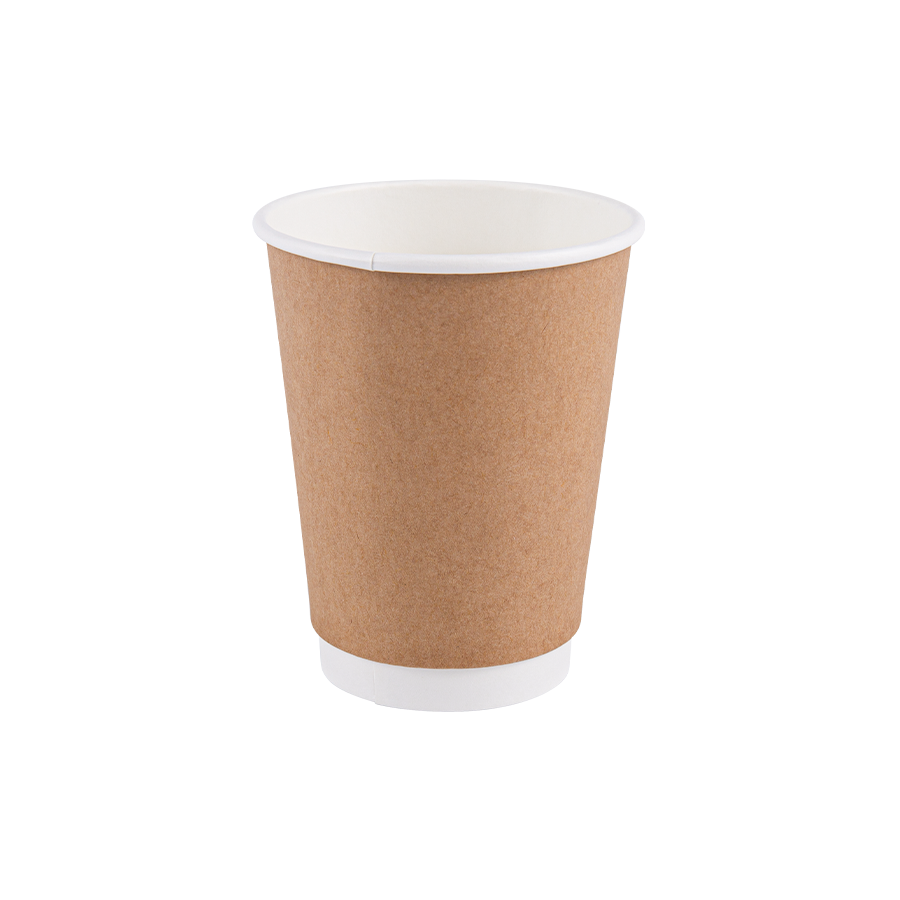
8oz Double-Wall Kraft Paper Cup with Home-Compostable Plastic-Free Coating & Thermal Insulation
-
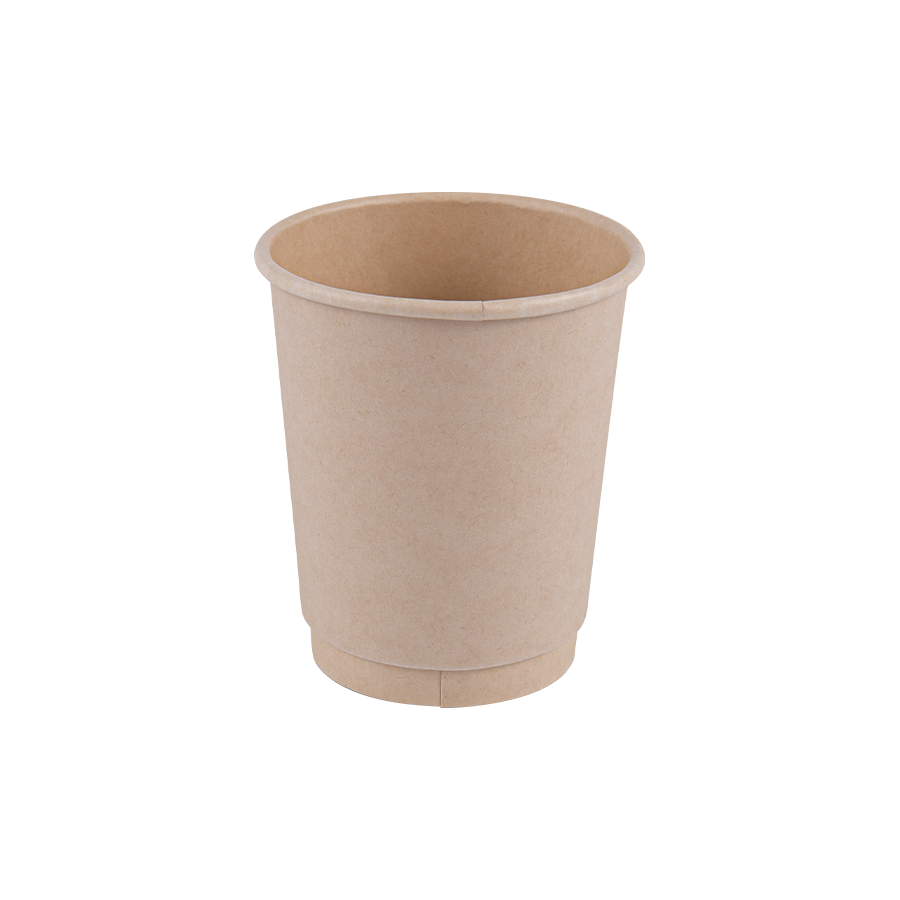
12oz (420ml) Bamboo Pulp Fiber Paper Cup with PLA Coating
-
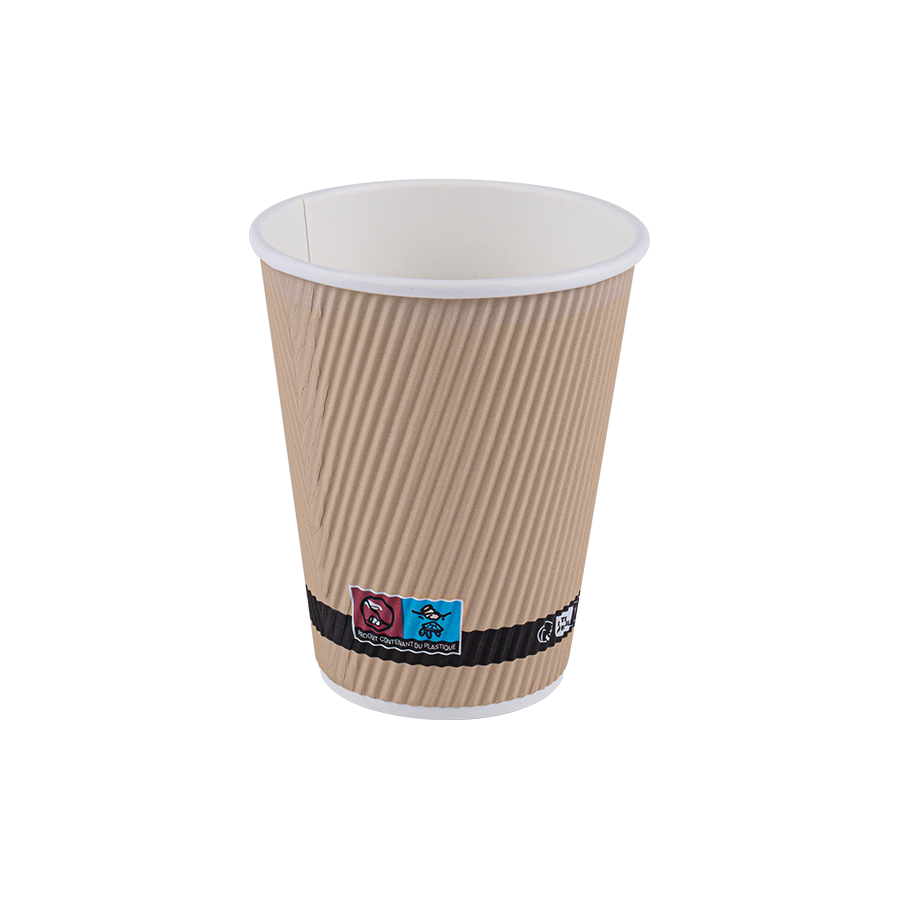
4oz Ripple Wall Paper Cup
-
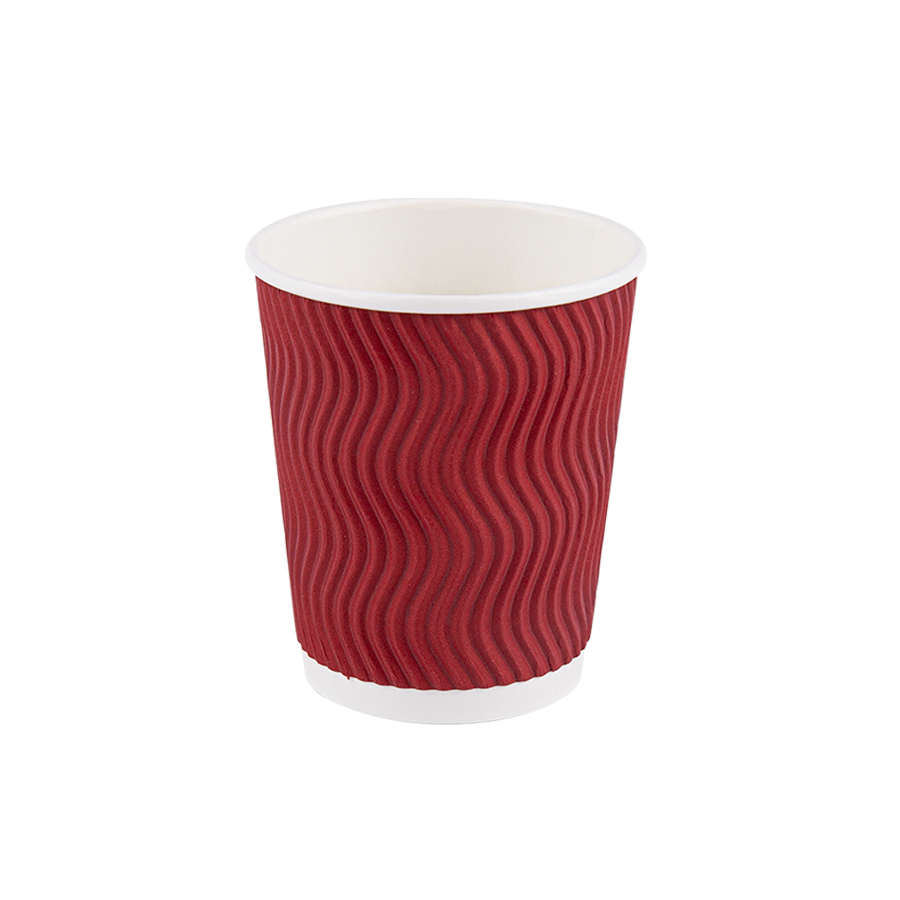
8oz 'S' Ripple Wall Paper Cup

- No. 9 Qilidian Road, Honglan Industrial Park, Lishui District, Nanjing Ctiy. China
- [email protected]
- ( +86 ) - 13327730591
Copyright © 2025 Nanjing smilepacking co., Ltd.
All Rights Reserved.

-
+86-15727116558
