
 English
 中文简体
中文简体 русский
 Español
 عربى
عربى


How to Choose the Right Paper Cup for Your Business ?
Content
- 1 PART 1: 4 types of disposable paper cups&Their uses
- 1.1 1. Single Wall Hot Paper Cups:paper cups for hot drinks,hot paper cups
- 1.2 2. Paper Cold Drinking Cups ,Single wall paper cup PE lined inside & outside
- 1.3 3. Ripple Wall Cups/ triple layer ripple wall paper cups
- 1.4 4. Hot Insulated Double Wall Paper Cups, D/W paper cups, Double wall paper cup,d/w paper cups,custom double wall paper coffee cups
- 2 PART2 :PE vs. PLA Lining – The Real Business Trade-off .
- 2.1 1.How to make choice between PE lined paper cups VS pla lined paper cups , See below breakdown:
- 2.2 2.Are Paper Cups PLA and PE Linings Both Safe for My Customers?
- 2.3 3. Which One Actually Matches What My Customers Care About?
- 2.4 4. The Bottom Line: How Does This Choice Hit My Budget & Supply Chain?
- 3 Part 3: Compostable vs. Biodegradable Paper Cups: What's the Difference?
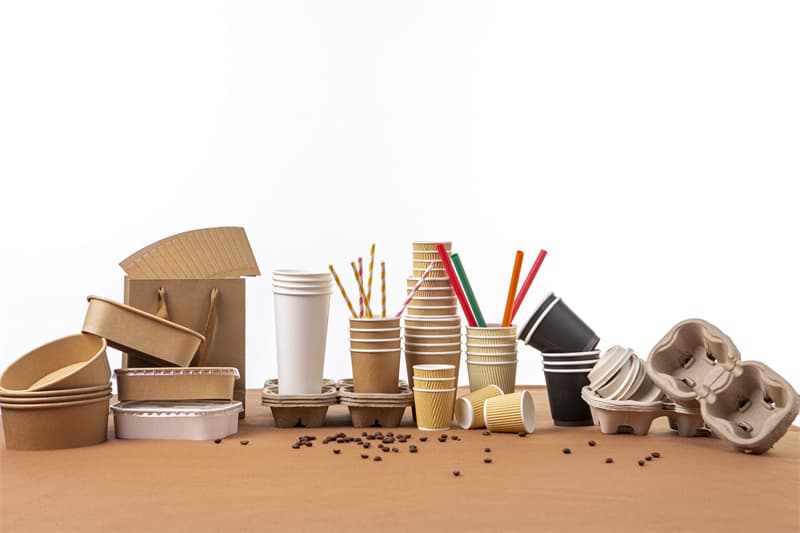
Feeling overwhelmed by all the paper cup options? You’re not alone. At We Smile Packaging, we’ve been a trusted paper cup factory and wholesale supplier in China for over a decade. We make and test cups daily, so let’s cut through the confusion.
Choosing the perfect cup boils down to answering three simple questions for your business:
1.What type of drink are you serving? (This decides the cup style)
2.What are your brand values and budget? (This decides the lining: PE or PLA)
3.How will you communicate your eco-choice? (This requires understanding key terms)
Jump straight to what you need:
PART 1: The 4 Main Types & Their Uses – Find your cup style instantly.
PART 2: PE vs. PLA Lining – The Real Business Trade-off – Choose based on cost, brand, and performance.
PART 3: Compostable vs. Biodegradable – Cut Through the Greenwash – Learn the right way to market your eco-choice.
PART 1: 4 types of disposable paper cups&Their uses
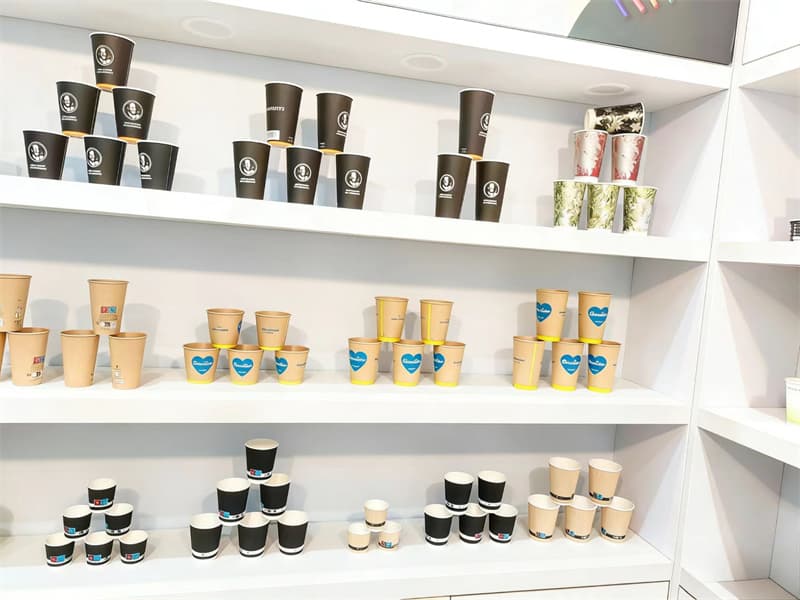
1. Single Wall Hot Paper Cups:paper cups for hot drinks,hot paper cups
Key Feature: PE lined inside only. Single wall paper cup PE lined inside
Best For: Standard hot drinks and beverages at room temperature. These are the everyday workhorse cups for coffee, tea, or other warm drinks.
Good to Know: They are not recommended for icy drinks. The single interior coating isn't designed to handle the condensation from cold liquids, which can weaken the cup.
Focus: Single wall paper cup, PE lined inside, hot drinks.
2. Paper Cold Drinking Cups ,Single wall paper cup PE lined inside & outside
Key Feature: PE lined inside & outside, known as double PE coated paper cups. Also called cold paper drinking cups
Best For: Cold icy drinks like iced coffee, sodas, and smoothies, milkshake and so on . The double coating is essential here to keep the cups in good shape
Why It Works: Icy drinks cause condensation to form on the outside of the cup. Without an exterior coating, this moisture would make the paper soggy and cause the cup to bend or lose its shape. The outer PE coated layer acts as a barrier, keeping the cup dry and sturdy.
Focus: Single wall paper cup, double PE coated, cold icy drinks.
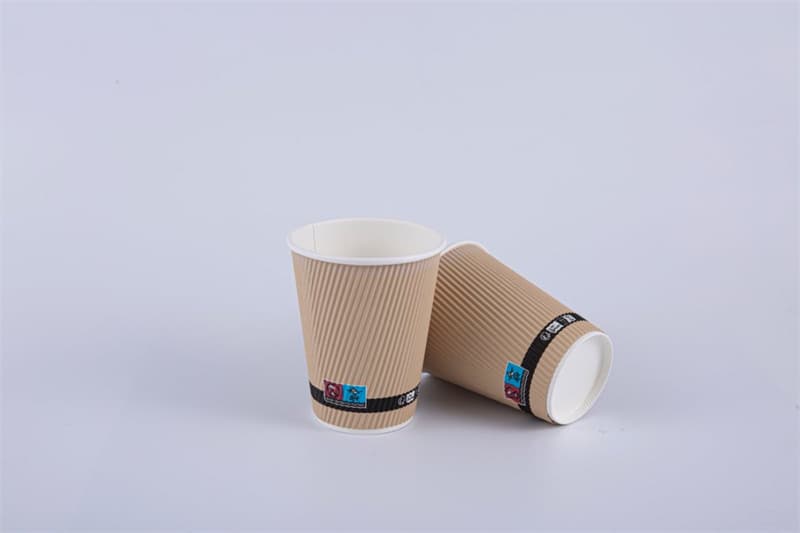
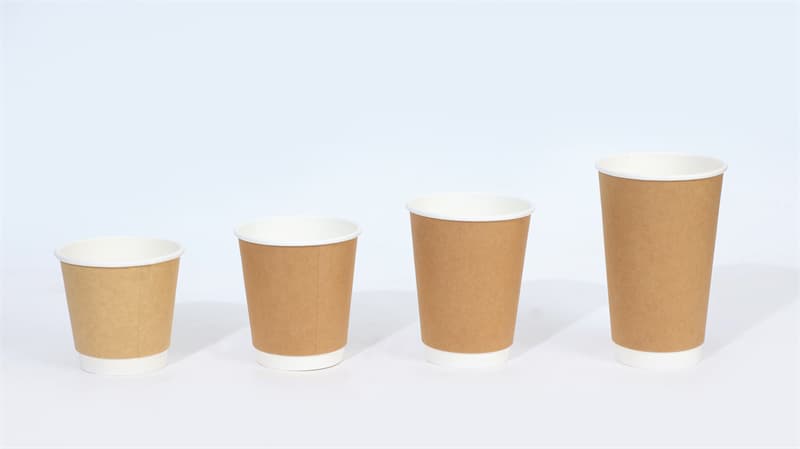
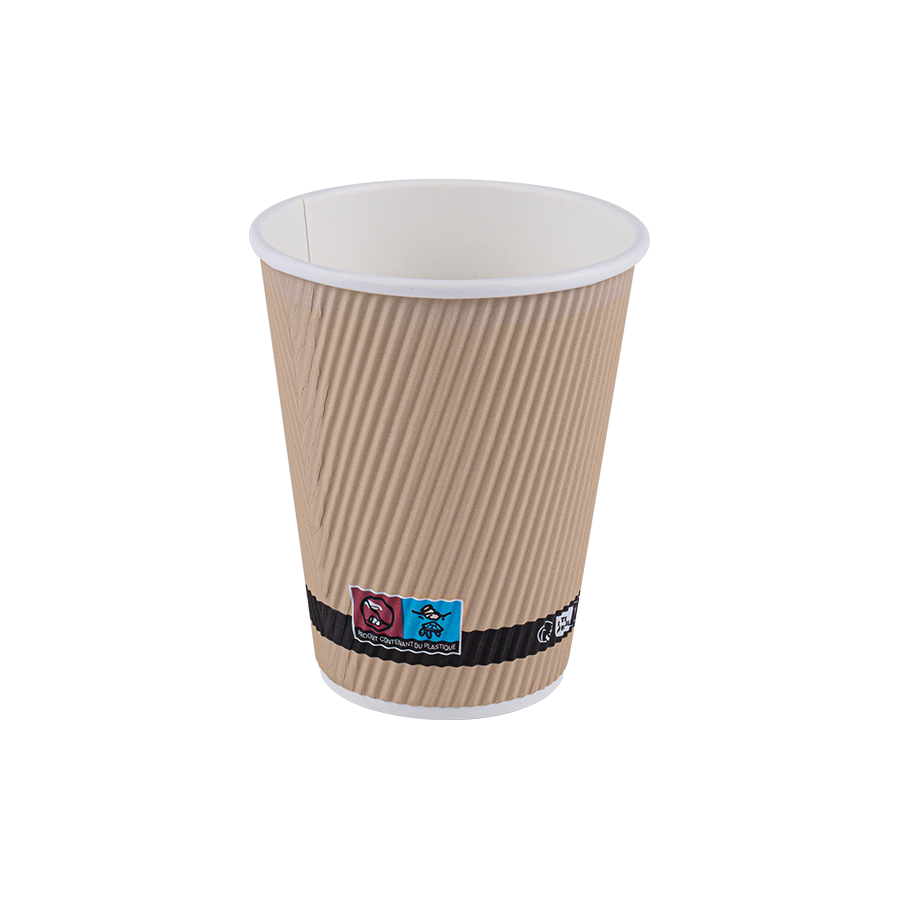
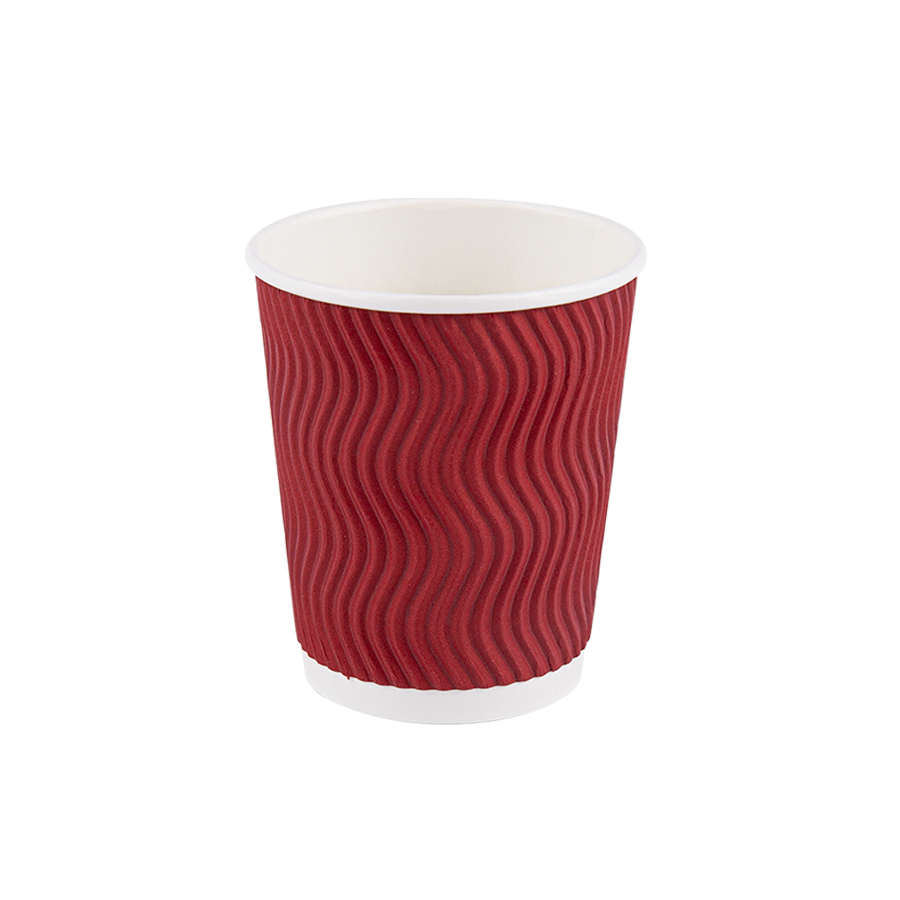
3. Ripple Wall Cups/ triple layer ripple wall paper cups
Key Feature: Made from corrugated kraft paper outside called ripple wall cups, ripple paper cups, ripple coffee cups, ripple wall corrugated paper cups
Best For: Very hot drinks. The unique construction offers extra rigidity and a more secure grip, making it feel sturdier in the hand compared to a standard single-wall cup.
Style Options: Available in multiple colors like black, blue, red, white, and brown, allowing for style choices even without printing.
Focus: Ripple wall corrugated paper cup, ripple wall cups, very hot drinks.
4. Hot Insulated Double Wall Paper Cups, D/W paper cups, Double wall paper cup,d/w paper cups,custom double wall paper coffee cups
Key Feature: Features an extra exterior layer with an air gap between the walls, creating built-in insulation.
Best For: Very hot drinks where heat retention and comfort are priorities. The air layer provides excellent heat resistance, keeping the beverage warmer longer and the outside of the cup comfortable to hold.
Premium Feel: This design offers the best insulation and a substantial, high-quality feel. It's also an excellent canvas for custom printing, making brand logos and designs stand out clearly.
Focus: Double wall paper cup, hot insulated double wall paper cups, custom printing.
Quick Summary: How to Choose Right Custom Paper Cups For your Business
For daily hot beverages on a budget: Choose Single Wall Hot Paper Cups.
For any cold drinking or iced beverage: Always choose Double PE Coated Cold Drinking Cups.
For brand chain stores for coffee, restaurant, : Double wall paper cups and ripple cups will be good choice
PART2 :PE vs. PLA Lining – The Real Business Trade-off .
Choosing the Right Paper Cup for Your Business
The PLA vs. PE Paper Cup Liner Paper cups
You need a cup that doesn't leak. But the choice between PLA and PE liners can be confusing, right? This isn't just a technical detail—it's a decision that affects how your product performs and how customers see your brand.
Let's break it down simply: PLA is the plant-based, compostable option for brands with a green vision. PE is the traditional, tough plastic liner that's been the industry standard for heat. Your choice comes down to what matters more for your business: brand values, practical performance, or cost.
We have been in this business line for more than 10 years. Before the PE coated paper cups dominated the market before. Now things are change, The PLA lined paper cups is now more and more popular. See below more details then you will know how to make right choice will shape your brand’s future
1.How to make choice between PE lined paper cups VS pla lined paper cups , See below breakdown:
| What You're Weighing | PE (Polyethylene) Lining | PLA (Polylactic Acid) Lining |
| The Main Idea | The traditional, economical go-to. | The bio-based, commercially compostable option. |
| Cost & Supply | Costs less. Supply is rock-solid and reliable. | Costs more (often 1.5 to 2 times the price of PE). Supply depends on crops like corn. |
| Performance | Handles heat well (~95°C). Works reliably for both hot and cold drinking cups. | Lower heat tolerance (usually ≤85°C). Very hot drinks can soften it; it can get brittle when very cold. |
| Disposal & Brand Image | Treated as hard-to-recycle "paper-plastic." | Needs an industrial composting facility to break down. This is why more and more brand stores choose PLA lined paper cups for their image. |
| Our Straight Advice | Choose PE if: Your budget comes first, you can't afford supply hiccups, or you serve extra-hot drinks (like fresh tea). | Choose PLA if: Your brand is premium or eco-focused, you have a real green marketing plan, or your customers truly care (e.g., in Europe, North America, Australia). |
So, what's the bottom line?
You're weighing today's practical needs against tomorrow's brand value.
PE is the proven, cost-effective choice for smooth, reliable operations right now.
PLA is an investment in your brand's future identity and how customers see you.
2.Are Paper Cups PLA and PE Linings Both Safe for My Customers?
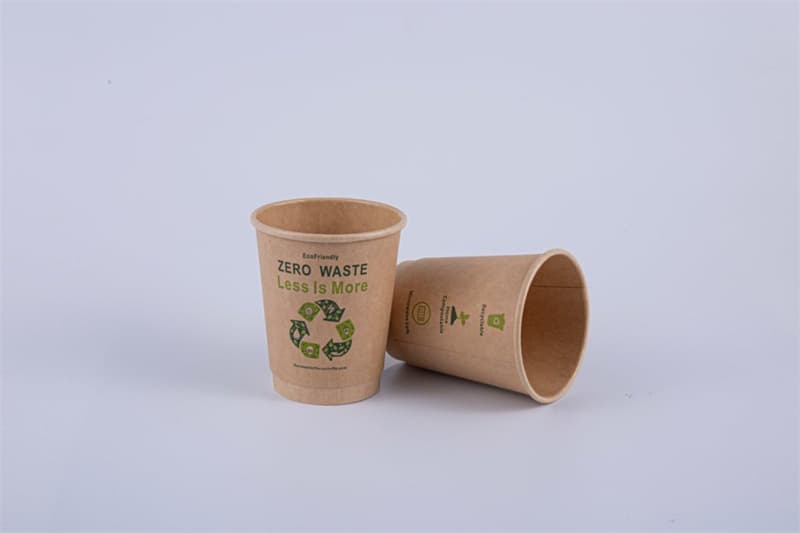
People are more health-conscious than ever. You need to be 100% sure your packaging is safe.
The short answer is yes, both pe/pla lined paper cups are safe—if you source them from reliable paper cups factory suppliers. Food-grade PE is made from pure, virgin plastic. PLA is plant-based and is recognized as safe (GRAS) by bodies like the FDA.
In our world, food safety isn't up for debate. The rules are extremely strict to make sure nothing bad migrates from the cup into the drink. Both materials, when made properly, pass these tests with flying colors. But how customers feel about their safety is different.
The "Feel-Safe" Factor:
PE Safety: It's petroleum-based. To be food-safe, it must use pure, virgin resin—no recycled stuff or nasty additives. It meets all the regulations (like FDA), which makes it technically very safe.
PLA Safety: It comes from corn starch or sugarcane. It's naturally free from things like BPA. For a lot of customers, "plant-based" just feels safer and cleaner than "petroleum-based." That's a powerful story.
3. Which One Actually Matches What My Customers Care About?
You see it everywhere: customers want greener options. Your packaging is a billboard for your values.
PLA is the liner for the future, built for the sustainability conversation. It's renewable and commercially compostable. PE comes from oil and is notoriously hard to recycle, which can make your brand seem out of step.
This is the #1 reason brands are switching. Your customers are asking businesses to be responsible. Your cup is a direct signal of your answer.
The Environmental Story:
PE's Reality: Made from fossil fuels. While it's technically recyclable, separating the thin plastic from the paper is so tricky that most recycling plants don't bother. Most PE-coated cups end up in landfill.
PLA's Advantage: Made from plants we can regrow. Its superpower is commercial compostability. In the right facility, a PLA-lined cup breaks down into earth in months. That's a "circular economy" story your customers get and value.
4. The Bottom Line: How Does This Choice Hit My Budget & Supply Chain?
You need a practical solution. Is "eco-friendly" just code for "more expensive and harder to get"?
Historically, PE has had the massive, established supply chain, which often makes it the cheaper option per cup. The PLA market is growing incredibly fast. It might have a slightly higher upfront cost, but it delivers serious brand value.
Let's be honest: for a long time, PE won on simple, upfront cost. That's still its main appeal for high-volume, price-driven operations. But the PLA supply chain has matured dramatically.
Looking Past the Sticker Price:
You have to think about value, not just cost. What's the "cost" of a customer choosing a competitor with greener packaging? How much is a strong, modern brand image worth? Choosing PLA is an investment in your brand's reputation. The small premium often pays for itself in customer loyalty and market positioning.
Conclusion: It's a Choice Between the Proven Past and the Strategic Future.
So, PE or PLA? It's not just about a cup. It's a choice between the way things have always been done and the way things are moving.
PE is the proven, reliable workhorse. It's a safe bet if your top priority is managing tight margins on very hot drinks.
PLA—especially the new heat-resistant grades—is the strategic choice. It's for brands building a modern, responsible identity. It says you're listening to what the market wants next.
The right choice depends entirely on your business, your customers, and where you see your brand tomorrow.
Part 3: Compostable vs. Biodegradable Paper Cups: What's the Difference?
Compostable means that compostable paper cups will break down completely into water, carbon dioxide, and organic fertilizer only in a professional industrial composting facility within a set time (like 12 weeks or 4-6 months). It leaves behind no toxic residue.
Biodegradable means that biodegradable paper cups will be eventually break down in nature, but there's no time limit, no standard for what's left behind (could be microplastics), and no specific conditions required.
Business Impact Comparison
| Feature | Compostable | Biodegradable |
| Core Requirement | Needs an industrial composting facility. | Anything goes. Landfill, ocean, roadside—it'll "eventually" break down. |
| Timeframe | Has a clear standard (e.g., 6-12 weeks). | No set time; could take years or decades. |
| End Result | Transforms into CO₂, water, and nutrient-rich compost. | May break into fragments, microplastics, or other residues. |
| Value to Your Business | A powerful, verifiable marketing point. You can show certifications like TUV OK compost INDUSTRIAL. | without certification. |
| Our Advice | Go for it if: You have access to industrial composting, need a solid eco-claim, or your customers are true greens. | Be very careful. Ask for proof. It's often just a vague feel-good term, not a real solution. |
The Most Important Tip
Always, always ask your paper cups cup supplier for the certificate. Legitimate compostable products will have certifications like BPI or TUV OK compost INDUSTRIAL.
If they can't show you the paperwork, their "eco-friendly" claim is probably just hot air. Protecting your brand's reputation starts with asking this simple question.
Conclusion: Let’s Find Your Perfect Paper Cup For Your Business Together
At We Smile Packaging, we don’t just sell cups. We provide all kinds of disposable coffee paper cups solutions. Whether you need the most cost-effective PE lined paper cups, want to invest in your brand with PLA lined compostable Eco-friendly paper cups, OR Bamboo paper cups , food container, paper bags and paper straws pla strawsm or need clarity on certifications, we’re here to help.
Ready to make the right choice with confidence?
Contact us today for a free consultation and sample kit. Tell us about your drinks, your brand, and your goals. We’ll help you select the perfect paper cup.
LATEST POST
Let’s create something amazing together
contact usFeatured Products
-

16oz(500ml)PLA Biodegradable Single-Wall Paper Cup
-
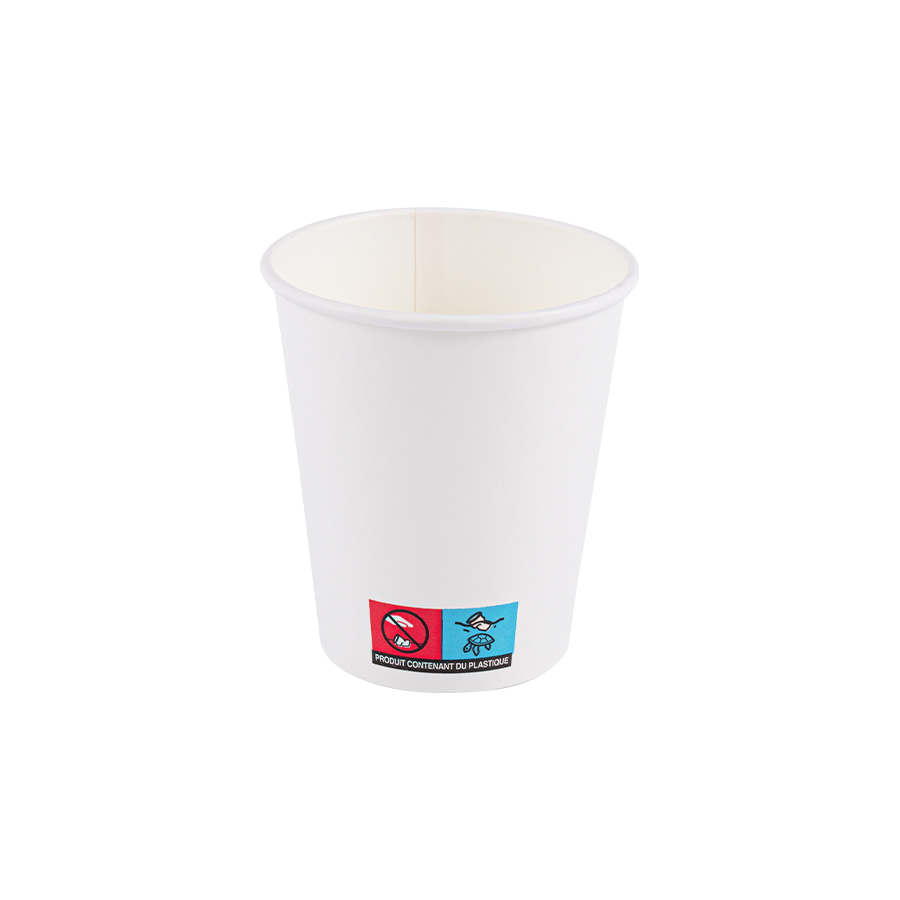
7.5oz Disposable Single-Wall Paper Cup for Automatic Vending Cup
-
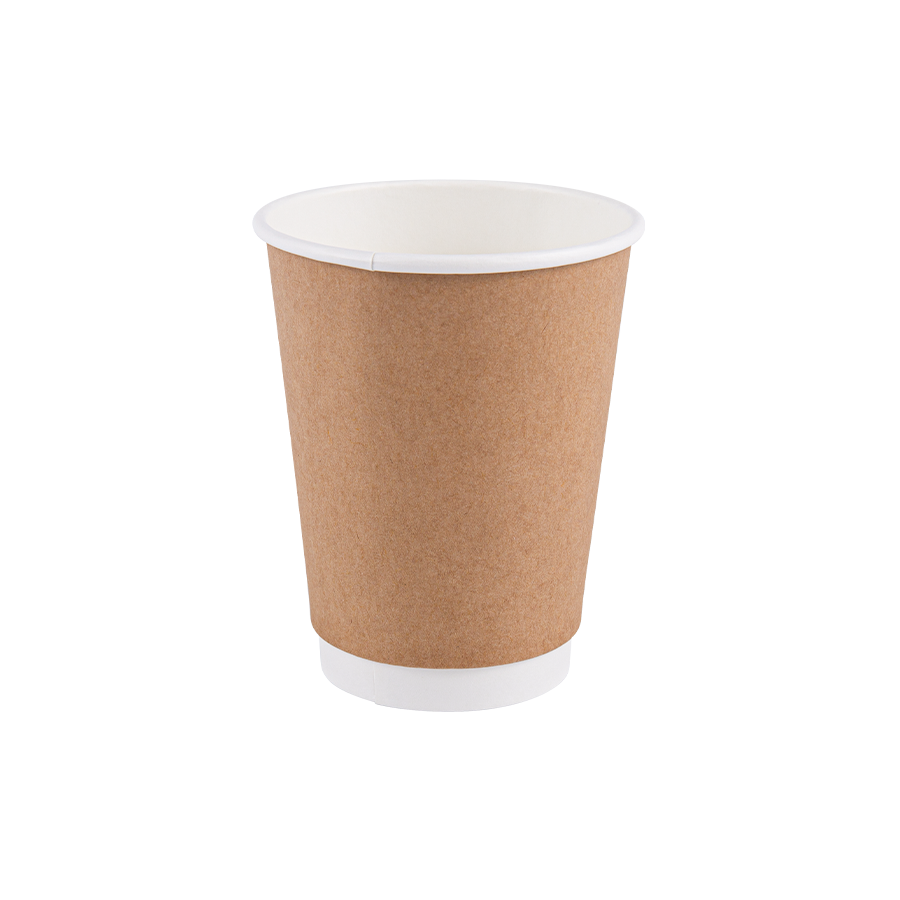
8oz Double-Wall Kraft Paper Cup with Home-Compostable Plastic-Free Coating & Thermal Insulation
-
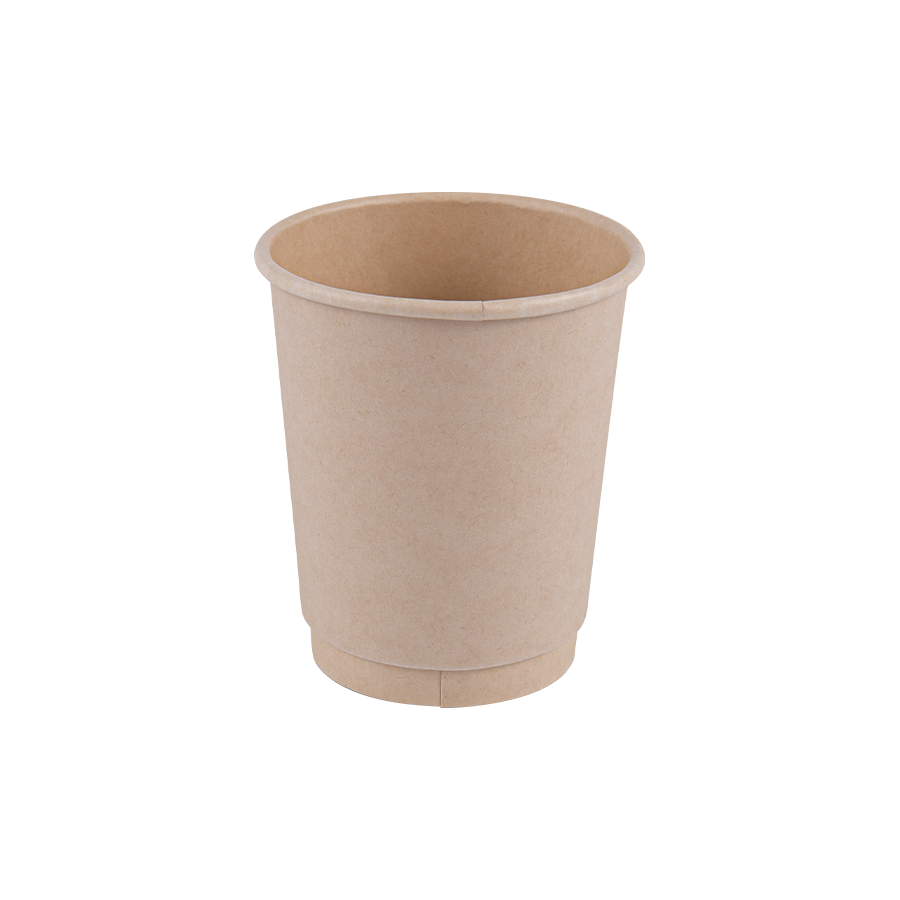
12oz (420ml) Bamboo Pulp Fiber Paper Cup with PLA Coating
-
4oz Ripple Wall Paper Cup
-
8oz 'S' Ripple Wall Paper Cup

- No. 9 Qilidian Road, Honglan Industrial Park, Lishui District, Nanjing Ctiy. China
- [email protected]
- ( +86 ) - 13327730591
Copyright © 2025 Nanjing smilepacking co., Ltd.
All Rights Reserved.

-
+86-15727116558
