
 English
 中文简体
中文简体 русский
 Español
 عربى
عربى


Custom Paper Cups: A Step-by-Step Guide from Design to Delivery
Content
- 1 Understanding the Business Value of Custom Paper Cups
- 2 Defining Your Design Vision and Requirements
- 3 Selecting Materials and Cup Specifications
- 4 Creating Effective Cup Designs
- 5 Understanding Printing Methods and Their Implications
- 6 Selecting and Vetting Manufacturers
- 7 Managing the Production and Approval Process
- 8 Coordinating Shipping, Receipt, and Quality Control
Understanding the Business Value of Custom Paper Cups
Custom paper cups represent far more than simple beverage containers—they function as powerful marketing tools that extend your brand reach with every sip a customer takes. Whether you operate a coffee shop, restaurant, event venue, or corporate office, custom-designed paper cups transform ordinary transactions into branded experiences that reinforce your identity and values. Every cup leaving your establishment becomes a mobile billboard, exposing your brand to new audiences as customers carry cups through streets, offices, and public spaces. This organic visibility offers marketing value that continues long after the initial purchase, creating impressions without ongoing advertising costs.
The psychological impact of custom cups extends beyond simple brand recognition. Quality custom cups signal professionalism and attention to detail, elevating perceived value of both your products and your business overall. Customers associate thoughtful branding with quality offerings, making custom cups an investment in reputation building. For events, custom cups create cohesive experiences and lasting mementos that attendees take home, extending event impact beyond the venue. Corporate environments use branded cups to reinforce company culture and create unified workplace aesthetics. Understanding these multifaceted benefits helps justify the investment and guides design decisions that maximize return. The process from design conception to final delivery involves multiple stages, each requiring careful consideration to ensure your custom cups effectively serve both functional and promotional purposes.
Defining Your Design Vision and Requirements
Before engaging with suppliers or designers, clearly articulate your vision, goals, and practical requirements for your custom paper cups. This foundational step ensures efficient communication with manufacturers and produces results aligned with your expectations.
Identifying Your Brand Elements
Begin by gathering all essential brand assets including your logo in vector format, established color codes (Pantone, CMYK, or RGB values), brand fonts, and any existing style guidelines. Vector logos ensure crisp reproduction at any size without quality loss—critical for clean printing on curved cup surfaces. Document your brand colors precisely, as approximate color matching produces inconsistent results that undermine brand recognition. If your brand uses specific typography, verify whether those fonts can be legally licensed for commercial printing or if alternatives are needed. Compile examples of existing branded materials to show manufacturers your aesthetic preferences and quality standards.
Determining Functional Specifications
Establish practical requirements based on how cups will be used. Consider the beverage types you'll serve—hot drinks require different cup construction than cold beverages, affecting material choices and design parameters. Determine necessary cup sizes, typically ranging from 4-ounce espresso cups to 24-ounce large beverages, and decide whether you need multiple sizes with coordinated designs. Assess volume requirements to inform minimum order quantities, as most manufacturers require minimums ranging from 1,000 to 50,000 cups depending on customization complexity. Consider whether you need accompanying lids, sleeves, or carriers, as coordinated accessories enhance the overall branded experience.
Setting Budget Parameters
Establish realistic budget expectations including per-unit costs, setup fees, design charges, and shipping expenses. Custom cup pricing varies significantly based on quantity, design complexity, printing method, and material quality. Generally, larger orders reduce per-unit costs through economies of scale, while complex multi-color designs increase expenses compared to simple one-color prints. Factor in storage costs if ordering large quantities, and consider whether seasonal or periodic smaller orders might better suit your cash flow and storage capacity despite higher per-unit pricing.
Selecting Materials and Cup Specifications
Material choices significantly impact cup performance, environmental footprint, printing capabilities, and cost. Understanding available options enables informed decisions aligned with your brand values and functional needs.
| Material Type | Best For | Key Features |
| Poly-Coated Paper | Hot beverages, most common | Leak-resistant, insulates well, cost-effective |
| PLA-Lined Paper | Eco-conscious brands | Compostable, plant-based lining, premium pricing |
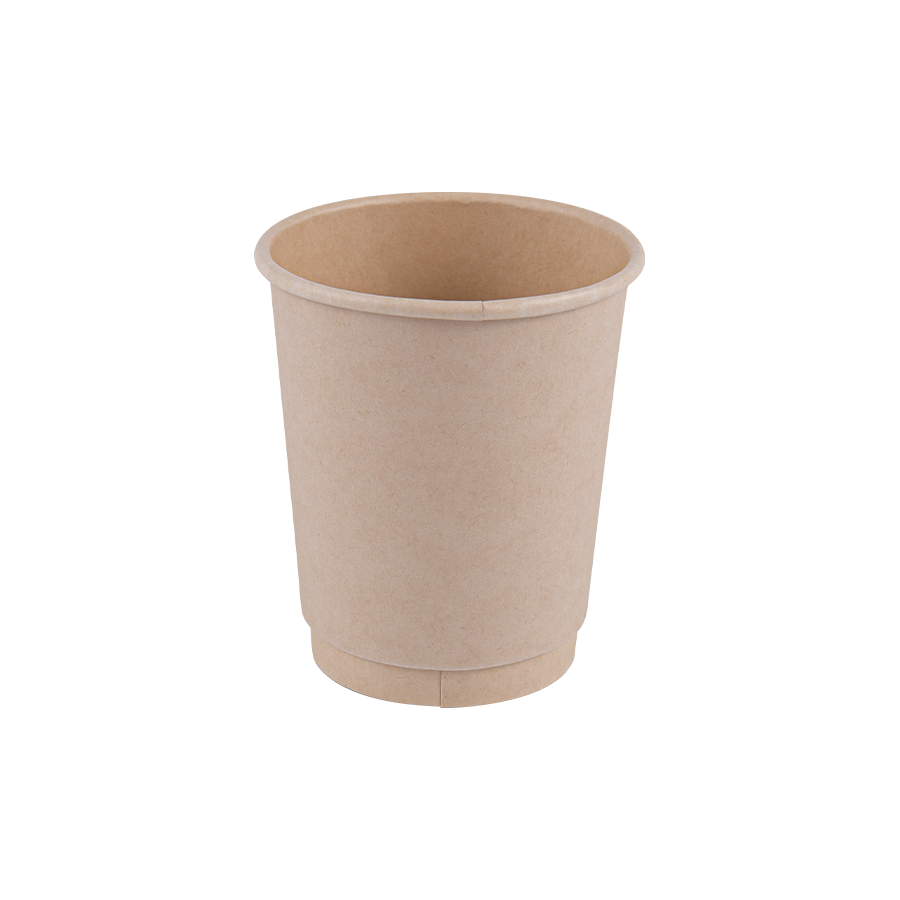
| Double-Wall Paper | Premium hot drinks | Superior insulation, no sleeve needed, higher cost |
| Wax-Coated Paper | Cold beverages only | Budget-friendly, not for hot liquids |
| Recycled Content Paper | Sustainability-focused brands | Contains post-consumer fiber, eco-friendly |
Poly-coated paper cups dominate the market due to their excellent balance of performance and affordability. The thin polyethylene lining prevents liquid penetration while maintaining structural integrity through use. However, this coating complicates recycling, leading environmentally conscious businesses toward PLA-lined alternatives made from renewable plant-based materials that biodegrade in commercial composting facilities. PLA cups cost approximately 15-30% more than conventional poly-coated options but appeal strongly to eco-minded consumers and align with sustainability initiatives.
Double-wall cups feature air space between inner and outer layers, providing superior insulation that keeps beverages hot while remaining comfortable to hold without sleeves. This premium construction elevates perceived value and reduces material waste from disposable sleeves, though higher manufacturing costs increase per-unit pricing. Consider double-wall cups for specialty coffee programs or premium beverage offerings where enhanced customer experience justifies additional expense. Cup weight, measured in grams per square meter (GSM), affects durability and printing quality—heavier stock around 280-320 GSM provides sturdy construction and superior print surfaces compared to lighter alternatives.
Creating Effective Cup Designs
Successful custom cup designs balance aesthetic appeal with practical printing considerations, creating visually striking results that translate effectively to three-dimensional curved surfaces.
Design Principles for Cup Graphics
Account for the cylindrical shape when planning layouts—designs wrap around cups, so consider how elements appear from all viewing angles rather than treating cups as flat canvases. Avoid placing critical design elements or text at seams where cups are glued together, as these areas may show slight misalignment or coverage gaps. Maintain adequate margins from cup rims and bases to prevent printing defects caused by manufacturing tolerances. Use bold, clear graphics that remain legible at actual cup size—intricate details that look stunning on computer screens often disappear or muddy when printed at small scale on curved surfaces.
Limit color complexity to control costs and ensure consistent reproduction. While full-color printing offers unlimited options, one- to three-color designs typically cost less and often create cleaner, more iconic branding that stands out in busy environments. High contrast designs using your primary brand colors maximize visibility and recognition. Consider how design density affects material sustainability—full coverage printing uses more ink than strategic spot designs, impacting environmental footprint and potentially complicating composting or recycling processes.
Working with Professional Designers
Unless you possess specific experience designing for cup printing, engaging professional designers familiar with packaging production saves time and prevents costly mistakes. Provide designers with manufacturer specifications including print areas, bleed requirements, color limitations, and file format requirements. Request multiple concept variations exploring different approaches—minimalist versus detailed, pattern-based versus focal logo placement, wraparound designs versus panel-based layouts. Review concepts as they would appear on actual cups using manufacturer-provided templates or mockup tools that simulate three-dimensional appearance, as flat artwork proofs can mislead regarding final results.
Preparing Print-Ready Files
Manufacturers require specific file formats and specifications to ensure accurate printing. Vector formats like Adobe Illustrator or EPS files work best for clean, scalable reproduction, while raster images need minimum resolution of 300 DPI at actual print size. Convert all text to outlines or provide font files to prevent substitution issues. Use spot colors specified by Pantone numbers for accurate color matching, or convert designs to CMYK color mode for four-color process printing. Include appropriate bleed areas extending designs beyond trim lines to prevent white edges from slight registration variations during printing.
Understanding Printing Methods and Their Implications
Different printing technologies offer varying capabilities, costs, and quality levels. Selecting appropriate methods depends on design complexity, order quantity, budget, and desired finish quality.
- Flexographic printing uses flexible relief plates ideal for large runs with solid colors, offering fast production and cost efficiency for orders exceeding 10,000 units
- Offset printing delivers superior quality with fine detail and gradients, working well for complex designs though requiring larger minimum quantities to justify setup costs
- Digital printing enables small-batch production without plate costs, perfect for testing designs or limited edition runs despite higher per-unit pricing
- Screen printing excels at vibrant spot colors and specialty inks including metallics, though limited to simpler designs with fewer colors
- Heat transfer printing applies pre-printed designs to cups, allowing photographic quality but potentially affecting cup recyclability
Flexographic printing dominates commercial cup production due to its speed and efficiency at scale. Modern flexo technology produces excellent results for most designs, particularly those emphasizing bold graphics and limited color palettes. The process prints directly onto paper before cup forming, ensuring complete wraparound coverage. Setup requires creating custom printing plates, incurring one-time costs typically ranging from $150-500 per color, making flexo most economical for larger quantities that amortize setup expenses across many units.
Digital printing eliminates plate costs, making it viable for smaller runs starting around 1,000 cups. This accessibility benefits businesses testing new designs, running seasonal promotions, or operating with limited storage capacity. However, digital printing costs more per cup than flexo at higher volumes, creating crossover points where flexo becomes more economical despite setup fees. Discuss volume thresholds with manufacturers to identify the most cost-effective printing method for your specific quantity requirements.
Selecting and Vetting Manufacturers
Choosing reliable manufacturing partners critically impacts project success, affecting quality, timing, costs, and overall satisfaction. Thorough vetting prevents problems and establishes productive relationships.
Research potential manufacturers through online searches, industry directories, trade shows, and peer recommendations. Request samples of their previous work to assess print quality, color accuracy, and construction standards. Evaluate samples for consistent color reproduction, sharp registration, clean seams, and structural integrity. Contact references to learn about manufacturers' communication responsiveness, adherence to timelines, problem resolution approaches, and overall reliability. Compare multiple quotes to understand market pricing, but avoid selecting suppliers based solely on lowest cost—quality and service value often justify modest price premiums.
Assess manufacturers' capabilities regarding minimum order quantities, production capacity, turnaround times, and customization flexibility. Verify they can accommodate your volume needs without excessive minimums forcing you to order more than storage or budget allows. Confirm lead times align with your launch schedules or seasonal deadlines, building buffer time for potential delays. Discuss their quality control processes, defect rates, and policies for handling defective products. Understand payment terms, deposit requirements, and cancellation policies before committing. International manufacturers may offer lower pricing but involve longer shipping times, communication challenges, and potential customs complications—weigh these factors against cost savings.
Managing the Production and Approval Process
Once you've selected a manufacturer and finalized designs, systematic project management ensures smooth production and satisfactory results.
Reviewing Pre-Production Proofs
Manufacturers provide digital or physical proofs before committing to full production. Scrutinize proofs carefully for color accuracy, text errors, design placement, and overall appearance. Digital proofs show layout and content but cannot perfectly represent final print colors—request physical printed proofs for critical color-matching applications or when absolute accuracy matters. Check that all design elements appear correctly, text contains no typos, and specifications match your requirements. Involve multiple stakeholders in proof review to catch errors before expensive production runs. Provide clear, consolidated feedback to manufacturers rather than submitting changes piecemeal, which delays timelines and may introduce confusion.
Ordering Sample Runs
For large orders or first-time designs, consider ordering small sample quantities before committing to full production. Sample runs, typically 500-1,000 cups, let you evaluate actual production quality, test cups with your beverages and equipment, and gather staff or customer feedback. Though samples cost more per unit than full production runs, they prevent potentially expensive mistakes if designs don't perform as expected. Use sample cups internally while finalizing larger orders, creating early brand visibility and building anticipation.
Monitoring Production Timelines
Establish clear timelines with manufacturers including design approval deadlines, production start dates, and delivery schedules. Typical custom cup production requires 3-6 weeks from final approval to delivery, though complex orders or busy seasons may extend timelines. Maintain regular communication with manufacturers, requesting updates at key milestones. Plan around potential delays by ordering well in advance of critical dates like grand openings, seasonal promotions, or major events. Rush production may be available for premium fees when necessary, but standard timelines generally provide better value and quality outcomes.
Coordinating Shipping, Receipt, and Quality Control
The final stages involve logistics coordination and thorough quality verification to ensure you receive exactly what you ordered in acceptable condition.
Discuss shipping options with manufacturers, comparing costs and transit times for various carriers and service levels. Freight shipping typically offers better rates for large cup orders than parcel services, though it requires loading dock access or liftgate service. Verify insurance coverage for shipments, protecting your investment against transit damage or loss. Confirm delivery addresses and ensure someone is available to receive and inspect shipments when they arrive. Request tracking information to monitor shipments and plan for arrival.
Upon delivery, inspect shipments immediately before signing acceptance. Check exterior packaging for damage indicating potential product issues. Open cartons and examine cups for print quality, color consistency, structural defects, or damage. Count quantities to verify you received the full order. Document any problems with photographs and detailed notes, reporting issues to manufacturers within their specified timeframe—usually 48-72 hours. Reputable manufacturers replace defective products or provide credits for quality issues, but you must identify and report problems promptly. Test cups with actual beverages and equipment before full deployment to catch any functional issues that weren't apparent during visual inspection.
Store cups properly to maintain quality until use. Keep cups in original packaging in clean, dry environments away from direct sunlight, extreme temperatures, or moisture that could degrade materials or affect print quality. Organize inventory to use oldest stock first, preventing prolonged storage that might compromise cup performance. Plan storage logistics before ordering—large quantities require significant space, and inadequate storage can damage cups or create operational inefficiencies. Consider implementing inventory management systems to track usage, predict reorder timing, and prevent running out during critical periods.
LATEST POST
Let’s create something amazing together
contact usFeatured Products
-

16oz(500ml)PLA Biodegradable Single-Wall Paper Cup
-
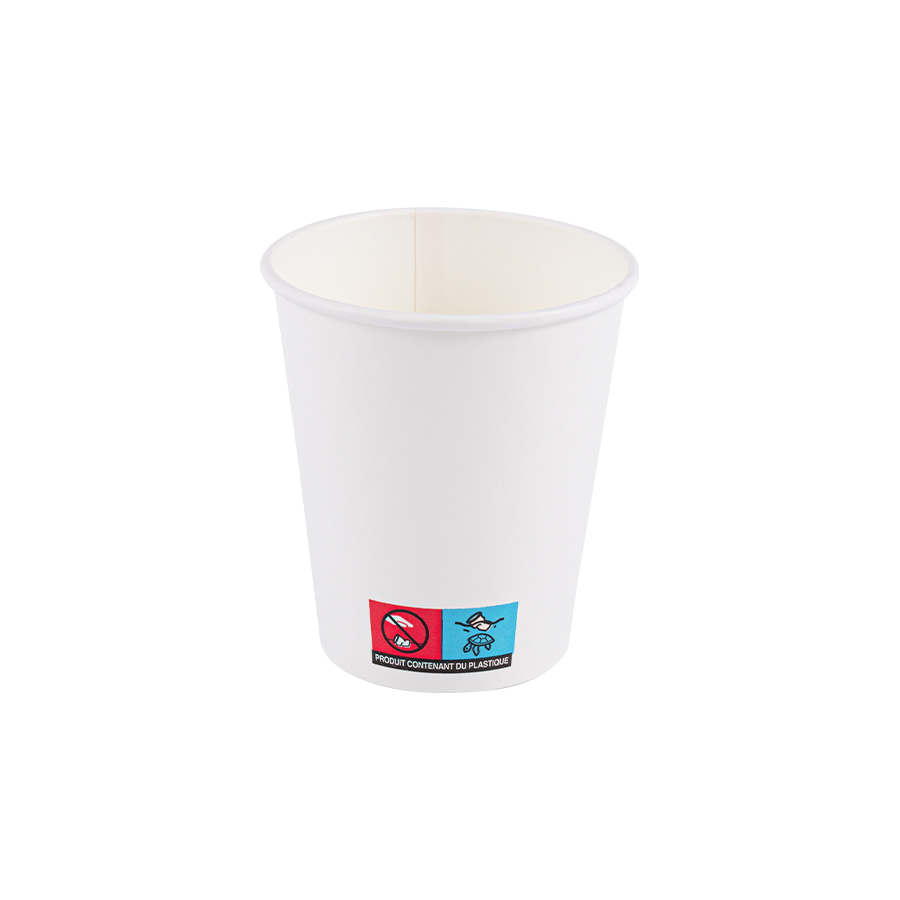
7.5oz Disposable Single-Wall Paper Cup for Automatic Vending Cup
-
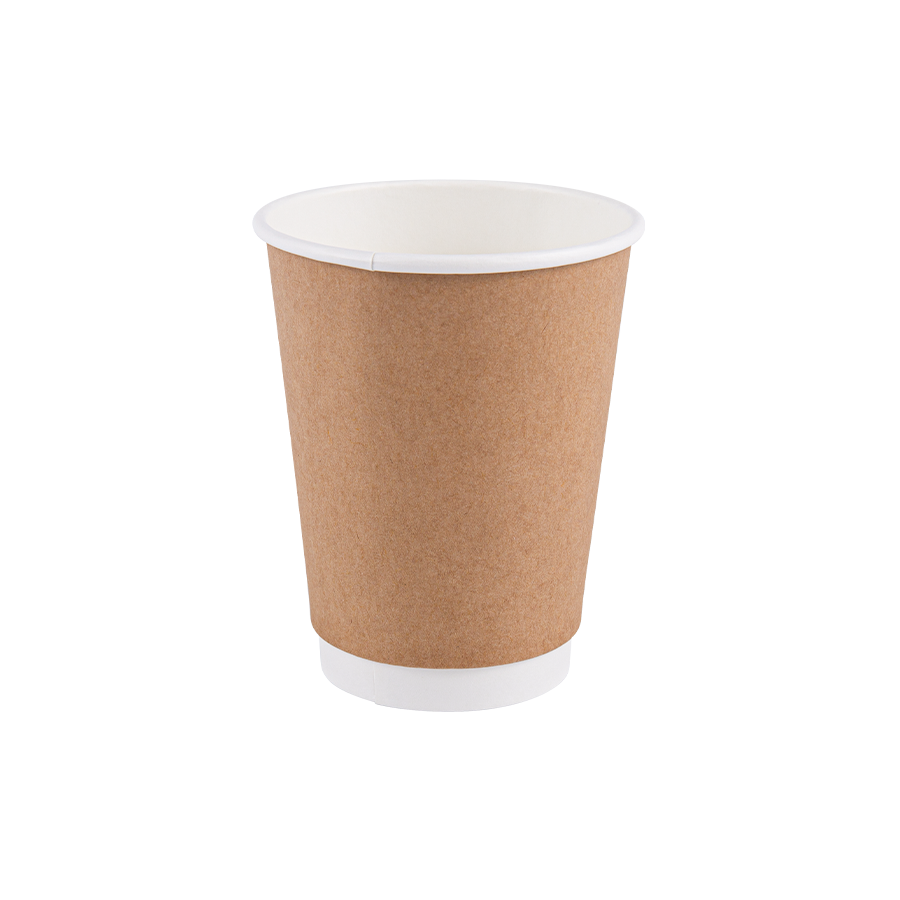
8oz Double-Wall Kraft Paper Cup with Home-Compostable Plastic-Free Coating & Thermal Insulation
-

12oz (420ml) Bamboo Pulp Fiber Paper Cup with PLA Coating
-
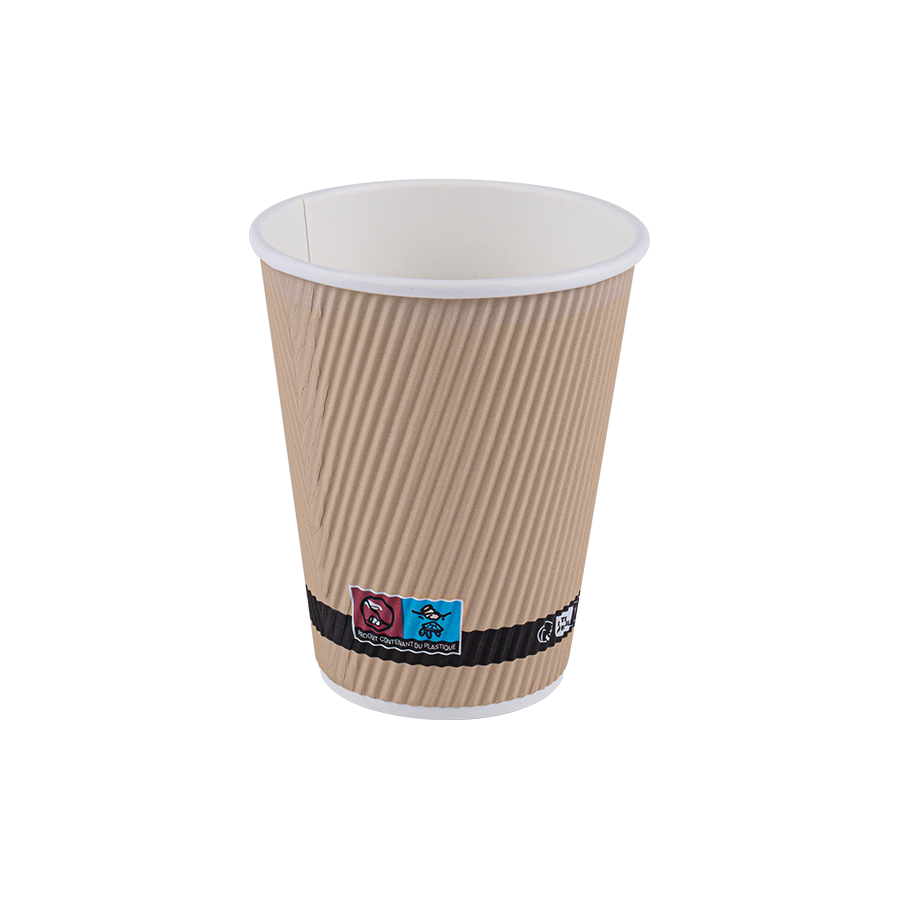
4oz Ripple Wall Paper Cup
-
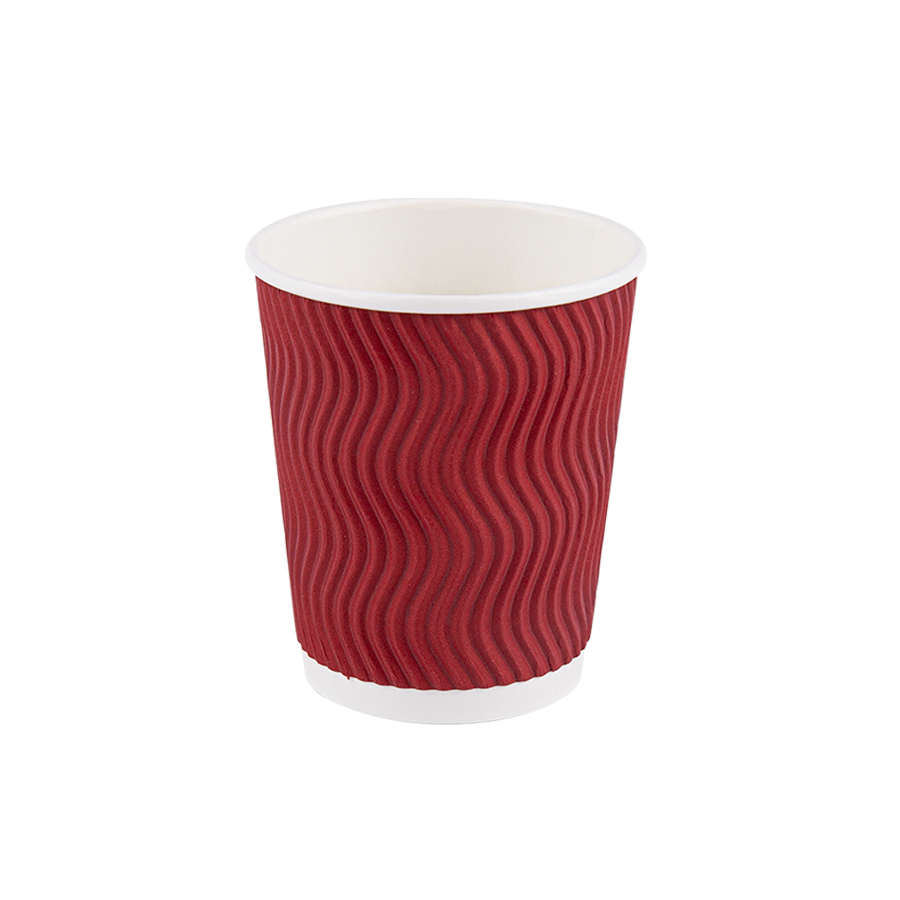
8oz 'S' Ripple Wall Paper Cup

- No. 9 Qilidian Road, Honglan Industrial Park, Lishui District, Nanjing Ctiy. China
- [email protected]
- ( +86 ) - 13327730591
Copyright © 2025 Nanjing smilepacking co., Ltd.
All Rights Reserved.

-
+86-15727116558
