
 English
 中文简体
中文简体 русский
 Español
 عربى
عربى


Kraft Paper Bags: Sustainable Packaging Driving a Greener Future
Content
1. Introduction: The Rise of Kraft Paper Bags
In the aisles of supermarkets, the counters of fashion boutiques, and the packages arriving at our doorsteps, a quiet revolution is taking place. The crinkle of plastic, once the ubiquitous soundtrack of commerce, is being steadily replaced by the sturdy rustle of paper. At the forefront of this shift is the humble yet powerful kraft paper bag. No longer just a utilitarian vessel, it has emerged as a global icon of environmental consciousness and sustainable progress. This introduction explores the converging forces that have propelled kraft paper bags from a niche alternative to a mainstream packaging solution.
1.1 Growing demand for eco-friendly alternatives
The 21st century has witnessed a profound awakening among consumers, corporations, and governments to the pressing realities of environmental degradation. Images of plastic-choked oceans and overflowing landfills have galvanized a collective desire for change. Today’s consumers are increasingly making purchasing decisions based on a company’s environmental footprint, demanding products and packaging that align with their values. This powerful “green mandate” has forced industries to rethink their practices, creating an unprecedented demand for sustainable alternatives. The kraft paper bag, with its natural, renewable, and minimal-waste appeal, perfectly answers this call, positioning itself as a tangible response to the public’s cry for responsibility.
1.2 Decline of single-use plastics
The rise of kraft paper bags is inextricably linked to the decline of their primary competitor: the single-use plastic bag. Once hailed for its convenience and low cost, the plastic bag is now recognized as a persistent pollutant, taking centuries to decompose and wreaking havoc on ecosystems. In a decisive global pushback, nations, states, and cities worldwide are implementing stringent regulations, including outright bans, taxes, and fees on single-use plastics. This regulatory landscape has created a vacuum in the packaging market, urgently requiring a viable replacement. As plastic bags are phased out, kraft paper bags have stepped in as the most logical and readily acceptable successor, offering a similar form and function without the devastating environmental legacy.
1.3 Why kraft paper bags are gaining global attention
Beyond simply being a “non-plastic” option, kraft paper bags are capturing global attention for their inherent positive attributes. Their distinctive brown hue (or bleached white variant) has become a visual shorthand for “eco-friendly” and “natural.” Brands are leveraging this perception, using kraft bags not just for carrying goods but as a canvas to communicate their commitment to sustainability. Furthermore, the material’s strength, durability, and versatility make it suitable for a wide range of applications—from carrying heavy groceries to packaging luxury goods. It is this powerful combination of environmental credibility, brand-enhancing potential, and practical utility that has cemented the kraft paper bag’s status as a key player in driving a greener future for the packaging industry.
2. What Are Kraft Paper Bags?
Having established the growing importance of kraft paper bags in the introduction, it is essential to understand what they are and what sets them apart. This section delves into the fundamental characteristics, varieties, and the key advantage of strength that makes them a practical choice for a multitude of packaging needs.
2.1 Definition and key characteristics
Kraft paper, from which these bags are made, derives its name from the German word “Kraft,” meaning “strength.” This is no coincidence. Kraft paper is produced through the “kraft process,” a chemical pulping method that treats wood chips with a hot mixture of water, sodium hydroxide, and sodium sulfide. This process efficiently breaks down the lignin that binds wood fibers together, resulting in long, strong, and relatively unbroken cellulose fibers. The key characteristics of the resulting paper include:
- Natural Appearance: Its signature brown color comes from the minimal processing and retention of wood pulp components. However, it can be bleached to produce white or other light-colored papers.
- High Strength-to-Weight Ratio: Kraft paper is renowned for its exceptional tear and burst resistance compared to papers made by other processes, such as standard sulfite pulping.
- Porosity: It is slightly porous, which allows for breathability, making it suitable for packaging certain food items like flour or coffee beans.
- Biodegradability: As a primarily cellulose-based material, it decomposes naturally.
2.2 Types of kraft paper bags (plain, printed, laminated, recycled, etc.)
The versatility of kraft paper has led to the development of various bag types tailored to different functional and aesthetic needs:
- Plain Kraft Bags: The most basic form, often used for industrial purposes, grocery carry-outs, or as a blank canvas for simple stamping. They embody a raw, utilitarian aesthetic.
- Printed Kraft Bags: These bags serve as powerful branding tools. Businesses print their logos, designs, and promotional messages using environmentally friendly inks, transforming a simple bag into a mobile advertisement.
- Laminated or Coated Kraft Bags: To address the inherent vulnerability to moisture, some kraft bags are laminated with a thin layer of biodegradable polymer or coated with materials that enhance water and grease resistance. This expands their use to sectors like food delivery and retailing of moist products.
- Recycled Kraft Bags: Made entirely or partially from post-consumer recycled paper, these bags represent the pinnacle of circular economy principles. They may have a slightly rougher texture and darker hue but offer the lowest environmental impact.
2.3 Strength and durability compared to plastic or other paper bags
This is arguably the most critical practical advantage of kraft paper bags. While thin plastic bags are prone to tearing under sharp edges or heavy loads, and standard paper bags can easily rupture, kraft paper bags excel in durability.
- vs. Plastic: Unlike plastic, which can stretch and deform, kraft paper bags have high rigidity and puncture resistance. They can hold heavier, bulkier items—such as multiple canned goods or books—without the handles cutting into one’s hands. They are also less likely to develop sudden tears.
- vs. Other Paper Bags: Compared to bags made from weaker papers (e.g., newsprint or standard packing paper), kraft paper bags can withstand significantly more stress. The long fibers from the kraft process interlock to create a robust structure that maintains its integrity even when filled to capacity. This inherent strength often allows for a reduction in the amount of material needed to achieve the same performance as a weaker paper bag, contributing to resource efficiency.
3. Environmental Benefits
The ascent of kraft paper bags is not merely a trend; it is fundamentally rooted in their compelling environmental advantages over conventional packaging materials. This section details the core ecological benefits that make kraft paper bags a cornerstone of sustainable packaging strategies, focusing on their end-of-life properties, production impacts, and role in a broader economic model.
3.1 Biodegradability and recyclability
The most significant environmental advantage of kraft paper bags lies in their graceful and safe end-of-life scenario. Unlike plastic, which can persist in the environment for centuries, breaking down into harmful microplastics, kraft paper is biodegradable and compostable. In a suitable environment, a kraft paper bag will typically decompose within a few weeks to a few months, returning organic matter to the soil without leaving toxic residues.
Furthermore, kraft paper bags are highly recyclable. They are a staple material in municipal recycling programs worldwide. The long, strong fibers of kraft paper can be repulped and reused multiple times to produce new paper products, such as cardboard, egg cartons, or even new paper bags. This recyclability dramatically reduces the demand for virgin wood pulp and diverts waste from landfills. The combination of biodegradability and recyclability creates a closed-loop system where the material can be continuously cycled, minimizing waste and environmental pollution.
3.2 Reduced carbon footprint in production and disposal
The lifecycle carbon footprint of kraft paper bags is generally lower than that of plastic bags, particularly when considering the full lifecycle. While the production of kraft paper requires energy and water, the primary raw material—wood—is a renewable resource. Trees absorb carbon dioxide as they grow, creating a carbon sink that partially offsets the emissions from manufacturing and transportation.
In disposal, the contrast is even starker. When a plastic bag is incinerated, it releases fossil-based carbon dioxide into the atmosphere. If it ends up in a landfill, it does not decompose meaningfully. In contrast, a kraft paper bag decomposing in a compost facility or even in a landfill (under aerobic conditions) releases biogenic carbon—carbon that was recently absorbed from the atmosphere by the trees. This is part of the natural carbon cycle and does not contribute to a net increase in atmospheric CO₂. It is crucial to note that the carbon footprint is lowest when bags are recycled, as this saves the energy and emissions required to produce paper from virgin pulp.
3.3 Role in promoting circular economy practices
Kraft paper bags are a tangible embodiment of the circular economy model, which aims to eliminate waste and continually use resources. This contrasts with the traditional linear “take-make-dispose” model associated with single-use plastics. The circularity of kraft paper is evident in its pathways:
- Recycling: As mentioned, the material is fed back into the industrial system to create new products.
- Composting: After use, the bag can be composted, enriching soil and supporting agricultural or horticultural activities, thus returning nutrients to the earth.
- Reuse: Their durability makes kraft paper bags suitable for multiple uses by consumers before finally being recycled or composted.
By choosing kraft paper bags, businesses and consumers actively participate in an economic system that values resource efficiency, minimizes environmental impact, and keeps materials in use for as long as possible. This shift is critical for building a sustainable future.
4. Market Adoption and Industry Trends
The environmental benefits of kraft paper bags have translated into significant and rapid market adoption across diverse sectors. This shift is not merely a passive response to consumer sentiment but a proactive strategy by businesses and a direct result of evolving government policies. This section examines the key drivers and trends propelling kraft paper bags into the mainstream.
4.1 Retailers and supermarkets embracing kraft packaging
Major retailers and supermarkets worldwide are at the forefront of adopting kraft paper bags. For these businesses, the switch is a powerful public relations and branding exercise. Replacing plastic bags with kraft paper alternatives sends a clear message to customers that the company is environmentally responsible. This alignment with consumer values helps build brand loyalty and enhances corporate image.
Beyond aesthetics, kraft paper bags offer practical advantages in a retail setting. Their strength makes them suitable for carrying heavier items, and their natural, rustic look is particularly appealing in sectors like fashion, beauty, and specialty foods, where packaging contributes to the premium feel of the product. From high-end department stores to local grocery chains, the kraft paper bag has become a visible symbol of a brand’s commitment to sustainability.
4.2 Expansion into food delivery and e-commerce sectors
The explosive growth of food delivery and e-commerce has created a massive demand for protective and presentable packaging. Kraft paper bags have seamlessly expanded into these sectors. For food delivery, especially for dry goods, baked goods, and fast-casual restaurants, kraft bags provide a breathable and sturdy option. The development of grease-resistant and coated variants has further enabled their use with a wider range of food items.
In e-commerce, kraft paper is extensively used for void-fill (as crumpled paper), as protective wrapping, and especially as shipping bags for non-fragile items. These bags are lightweight, reducing shipping costs, and can be easily printed with branding and logistics information. As consumers become increasingly concerned about the environmental impact of their online shopping habits, receiving orders in recyclable kraft paper packaging instead of plastic poly mailers is a significant positive differentiator for e-commerce brands.
4.3 Government regulations and bans on plastic influencing adoption
Perhaps the most powerful driver for the adoption of kraft paper bags is the global wave of government regulations aimed at curbing plastic pollution. Numerous countries, states, and cities have implemented policies such as:
- Outright bans on single-use plastic bags at checkout.
- Mandatory fees or taxes on plastic bags, making them less economically attractive compared to reusable or paper alternatives.
- Extended Producer Responsibility (EPR) schemes that hold manufacturers accountable for the end-of-life management of their packaging, incentivizing the use of easily recyclable materials like paper.
These regulations have created a level playing field, compelling businesses to seek compliant alternatives. Kraft paper bags, being readily available, scalable in production, and widely accepted by consumers, have emerged as the most straightforward and logical substitute. This regulatory pressure ensures that the shift towards kraft paper is not just a voluntary trend but an entrenched, long-term market transformation.
5. Challenges Facing Kraft Paper Bags
Despite their significant environmental advantages and growing market presence, kraft paper bags are not a perfect solution. A comprehensive analysis requires an honest examination of the challenges and limitations that currently hinder their universal adoption. Addressing these hurdles is key to their long-term viability and effectiveness as a sustainable packaging alternative.
5.1 Higher cost compared to plastics
The most immediate barrier for many businesses, especially small enterprises operating on thin margins, is the higher direct cost of kraft paper bags compared to conventional plastic bags. The primary reasons for this cost disparity include:
- Raw Material Costs: Wood pulp, the primary raw material, is generally more expensive than the fossil fuels (like natural gas and oil) used to produce plastic.
- Manufacturing Energy Intensity: The pulping and paper-making processes are energy-intensive, contributing to higher production costs.
- Weight and Transportation: Kraft paper bags are typically heavier and bulkier than their plastic counterparts for the same volume, leading to increased costs in storage and transportation.
While the environmental externalities (e.g., pollution cleanup costs) of plastic are not reflected in its market price, the upfront cost remains a decisive factor for price-sensitive businesses and consumers.
5.2 Limited resistance to water and moisture
The natural cellulose fibers of kraft paper are hydrophilic, meaning they absorb moisture and lose structural integrity when wet. This inherent vulnerability poses a significant functional limitation:
- Risk of Failure: A bag carrying groceries on a rainy day can become soggy and tear easily, compromising its contents.
- Limited Application: Packaging moist or refrigerated items (like fresh produce or meat) can weaken the bag. Similarly, they are unsuitable for liquid products without additional internal packaging.
- Grease Resistance: Standard kraft paper is not grease-resistant, limiting its use for greasy food items like french fries or certain baked goods without a protective barrier.
This challenge has spurred innovation in coatings and laminations (as will be discussed in Section 6), but these treatments can sometimes complicate the bag’s recyclability or compostability.
5.3 Supply chain and raw material constraints
The rising demand for kraft paper bags creates pressure on the supply chain and raw material base, leading to potential sustainability concerns:
- Deforestation Concerns: While wood is a renewable resource, a massive, unchecked increase in demand could lead to unsustainable forestry practices if not managed carefully. The industry relies heavily on certifications like FSC (Forest Stewardship Council) and PEFC (Programme for the Endorsement of Forest Certification) to ensure wood is sourced from responsibly managed forests.
- Recycling Infrastructure Gaps: Although kraft paper is recyclable, the effectiveness depends on local recycling infrastructure. Contamination from food waste or non-paper materials can render batches of paper unrecyclable. Furthermore, the quality of paper fibers degrades with each recycling cycle, requiring a constant influx of virgin fibers to maintain quality.
- Production Capacity: A rapid, large-scale shift from plastic to paper packaging could strain existing paper mill capacities, potentially leading to supply shortages and price volatility.
These challenges highlight that the transition to sustainable packaging is complex and requires a holistic approach that considers economic, functional, and entire supply chain impacts.
6. Innovation and Future Prospects
The challenges facing kraft paper bags are not static roadblocks but catalysts for innovation. The industry is actively developing advanced solutions to enhance functionality, aesthetics, and overall sustainability, paving the way for an even broader adoption. The future of kraft paper bags is bright, characterized by technological advancement and deeper integration into the global packaging landscape.
6.1 Advancements in coating and lamination for water resistance
To address the critical limitation of moisture sensitivity, significant research and development are focused on creating effective barriers without compromising environmental credentials. The next generation of coatings is moving beyond traditional plastics:
- Bio-based Polymers: Coatings derived from polylactic acid (PLA), cellulose, chitosan, or algae are being developed. These materials provide excellent water and grease resistance while remaining compostable in industrial facilities.
- Wax Alternatives: Sustainable wax blends, such as those based on soy or other plant oils, are being used to replace petroleum-based waxes, offering similar protective qualities with better biodegradability.
- Nano-technology: Innovations at the microscopic level involve creating surface structures or applying nano-cellulose coatings that repel water, a technology known as “superhydrophobicity,” while keeping the paper purely fiber-based.
These advancements are crucial for expanding the use of kraft paper bags into previously challenging sectors like fresh produce, frozen foods, and liquid packaging.
6.2 Integration with branding and custom printing
Kraft paper bags are evolving from a generic commodity into a powerful and versatile branding canvas. The natural, textured brown background is highly valued by marketers for its authentic and premium feel. Innovation in printing technologies allows for:
- High-Quality Graphics: Advanced flexographic and digital printing techniques enable vibrant, detailed designs on kraft paper, allowing brands to tell their sustainability story directly on the packaging.
- Eco-Friendly Inks: The widespread adoption of soy-based, water-based, and other low-VOC (Volatile Organic Compound) inks ensures that the decorative process aligns with the product’s eco-friendly ethos.
- Custom Shapes and Handles: Beyond simple sacks, kraft paper is being engineered into bags with reinforced bottoms, twisted paper handles, ribbon draws, and other custom features that enhance user experience and brand perception, especially in the luxury and gift sectors.
6.3 Forecast of kraft paper bag market growth
All indicators point toward sustained and robust growth for the kraft paper bag market. Several factors contribute to this optimistic forecast:
- Stringent Regulations: The global push for plastic bans and stricter packaging laws is expected to continue, creating a permanent and expanding market for alternatives.
- Consumer Sentiment: Environmental awareness is not a passing trend but a fundamental shift in consumer behavior, which will continue to drive demand for sustainable packaging.
- Technological Progress: As innovations in coating and production efficiency address current cost and performance barriers, kraft paper bags will become more competitive and applicable in more scenarios.
- Corporate Commitments: Major corporations are making public commitments to using 100% reusable, recyclable, or compostable packaging in the coming years, securing long-term demand for solutions like kraft paper bags.
Market research firms consistently project a strong compound annual growth rate (CAGR) for the kraft paper bag market in the foreseeable future, signaling its transition from an alternative option to a mainstream packaging staple.
7. Conclusion
The journey of the kraft paper bag from a simple industrial carrier to a global icon of sustainability is a powerful reflection of our evolving relationship with the environment. As this analysis has demonstrated, its rise is driven by a confluence of consumer awareness, regulatory action, and genuine environmental benefits, positioning it as a key player in the transition towards a greener future.
7.1 Kraft paper bags as a symbol of sustainable progress
Kraft paper bags have transcended their functional role to become a potent symbol. Their natural appearance signifies a return to simplicity and renewable resources. Their growing presence on high streets and in homes worldwide is a tangible, everyday reminder of the collective effort to reduce plastic pollution and embrace a more circular economy. They represent a pragmatic step forward—a viable alternative that balances functionality with ecological responsibility, proving that sustainable choices can be integrated seamlessly into modern commerce and daily life.
7.2 Balancing environmental responsibility with practical needs
However, the path forward is not without its challenges. The higher cost, susceptibility to moisture, and supply chain considerations remind us that no solution is perfect. The future of sustainable packaging does not lie in a single, flawless material but in a continuous process of innovation and optimization. The key is to balance the clear environmental responsibility that kraft paper bags address with the practical needs of strength, durability, and cost-effectiveness. This balance will be achieved through ongoing advancements in coating technologies, increased recycling efficiency, and responsible forestry practices, ensuring that the environmental benefits are maximized throughout the product’s lifecycle.
7.3 The outlook for a greener packaging industry
The outlook for kraft paper bags, and for the packaging industry at large, is intrinsically linked to sustainability. As innovations overcome current limitations and as global environmental regulations tighten, the adoption of kraft paper is set to accelerate further. It will likely not be the sole solution but will remain a fundamental pillar in a diversified ecosystem of sustainable packaging materials, alongside reusables, and other bio-based innovations. Ultimately, the story of the kraft paper bag is an optimistic one. It demonstrates that market forces, consumer choice, and technological innovation can align to create meaningful environmental change. By continuing to support and choose such alternatives, we collectively steer the packaging industry toward a cleaner, greener, and more responsible future.

LATEST POST
Let’s create something amazing together
contact usFeatured Products
-

16oz(500ml)PLA Biodegradable Single-Wall Paper Cup
-
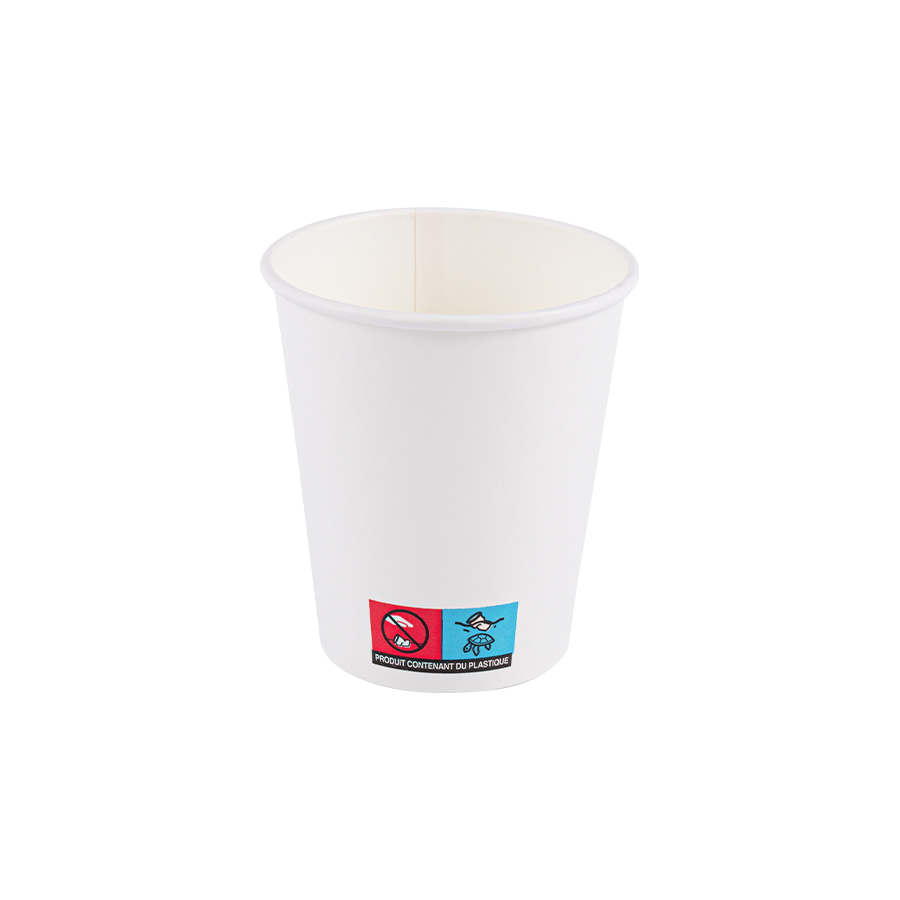
7.5oz Disposable Single-Wall Paper Cup for Automatic Vending Cup
-
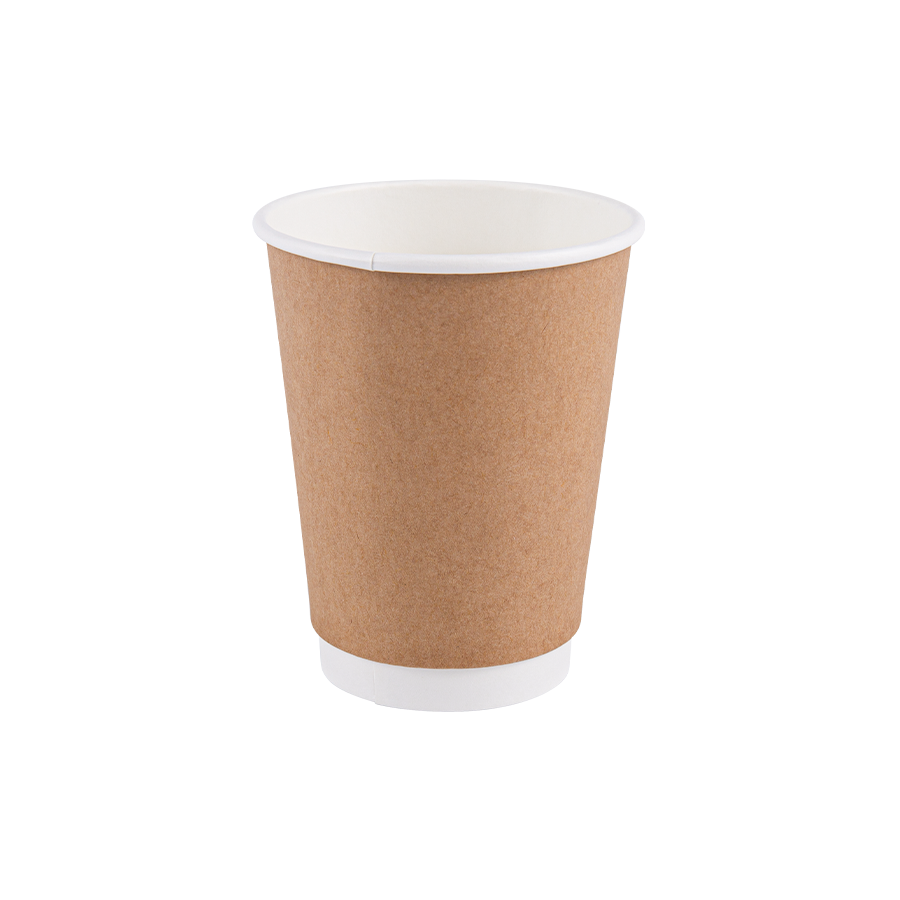
8oz Double-Wall Kraft Paper Cup with Home-Compostable Plastic-Free Coating & Thermal Insulation
-
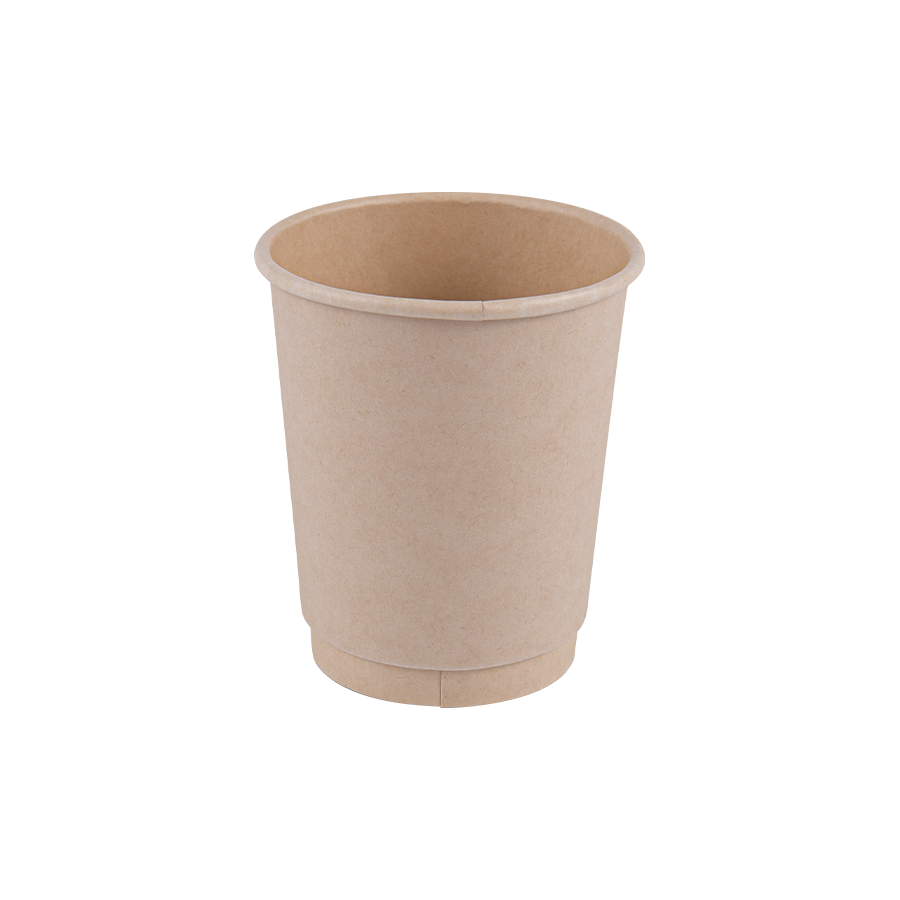
12oz (420ml) Bamboo Pulp Fiber Paper Cup with PLA Coating
-
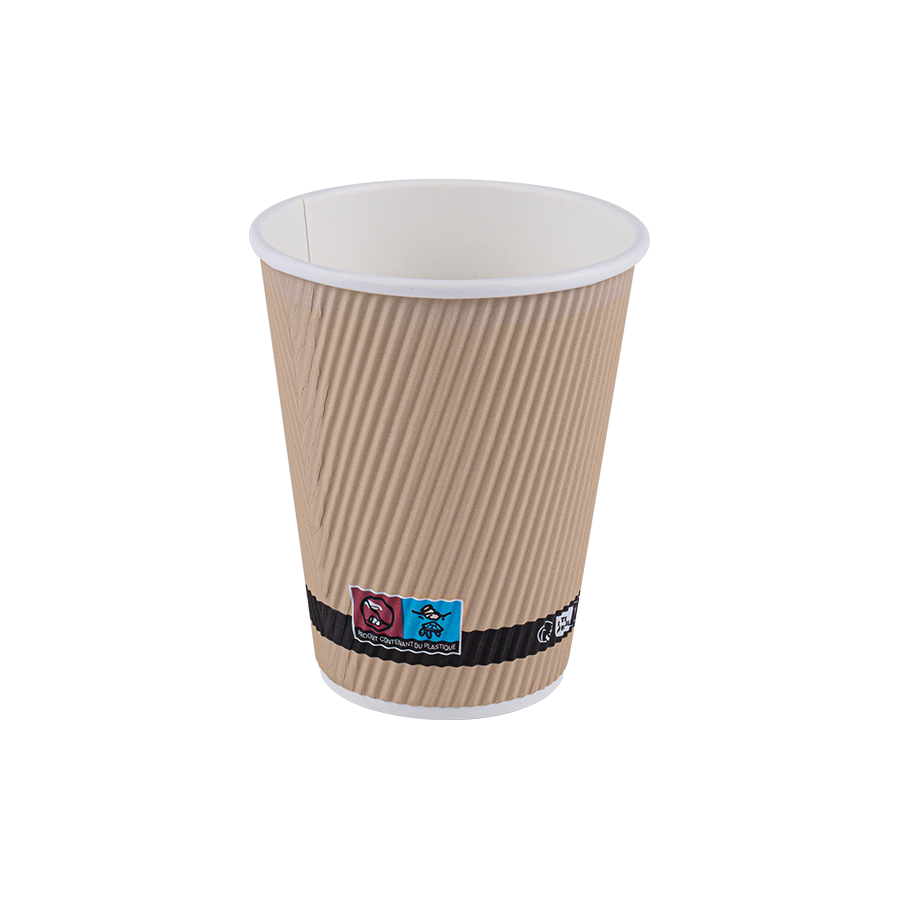
4oz Ripple Wall Paper Cup
-
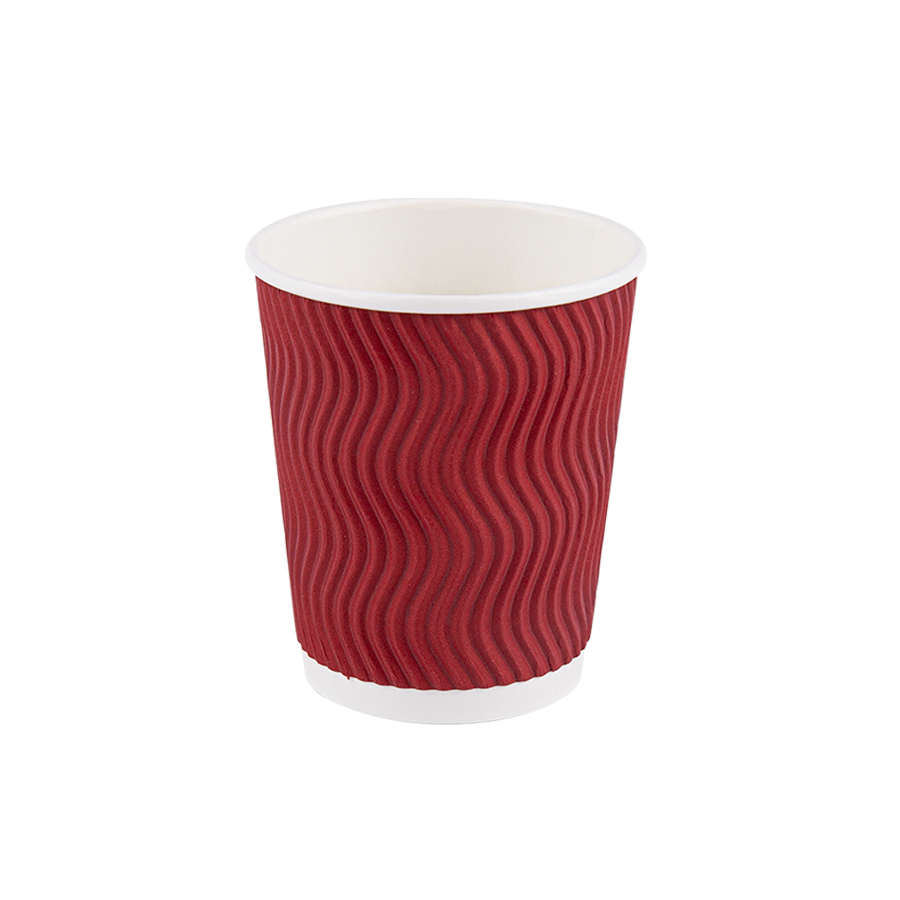
8oz 'S' Ripple Wall Paper Cup

- No. 9 Qilidian Road, Honglan Industrial Park, Lishui District, Nanjing Ctiy. China
- [email protected]
- ( +86 ) - 13327730591
Copyright © 2025 Nanjing smilepacking co., Ltd.
All Rights Reserved.

-
+86-15727116558
