
 English
 中文简体
中文简体 русский
 Español
 عربى
عربى


PE vs. PLA Lining: Choosing the Right Paper Cup for Your Business
Content
- 1 Why Lining Matters in Paper Cups
- 2 PE Lining: Proven Performance and Cost Efficiency
- 3 PLA Lining: The Eco-Friendly Alternative
- 4 Performance Comparison: PE vs PLA Lined Cups
- 5 Choosing the Right Cup for Your Business Needs
- 6 Practical Buying Tips and Quality Checks
- 7 Conclusion: Making the Best Choice for Your Brand
Why Lining Matters in Paper Cups
Paper cups are popular in the beverage industry because they are lightweight, easy to store, and convenient for single-use applications. However, paper alone is not suitable for holding liquids, especially hot drinks, because it absorbs moisture and loses strength. This is why cup manufacturers add a lining layer that provides liquid resistance, structural integrity, and sometimes heat insulation. The lining also affects recyclability, compostability, and cost. Two of the most common lining materials are PE (polyethylene) and PLA (polylactic acid). Understanding the differences between them is essential for businesses that want to balance performance, cost, and sustainability.
PE Lining: Proven Performance and Cost Efficiency
PE lining is the most widely used coating in paper cups due to its strong moisture resistance, durability, and low cost. PE is a thermoplastic polymer that forms a thin, uniform barrier on the inner surface of the cup. This barrier prevents liquid from seeping into the paper fibers, maintaining the cup’s shape and strength even when holding hot beverages.
Key Advantages of PE Lined Paper Cups
PE lined cups are favored for their reliable performance in everyday use. The lining is effective for hot and cold drinks, and it provides a smooth inner surface that feels comfortable when drinking. PE lining also supports high-speed production processes, making it an economical choice for mass production.
Common Applications
PE lined cups are commonly used in coffee shops, fast food restaurants, convenience stores, and vending machines. They are suitable for coffee, tea, soft drinks, and iced beverages. Because of their affordability and strong performance, they remain the standard option for many businesses.
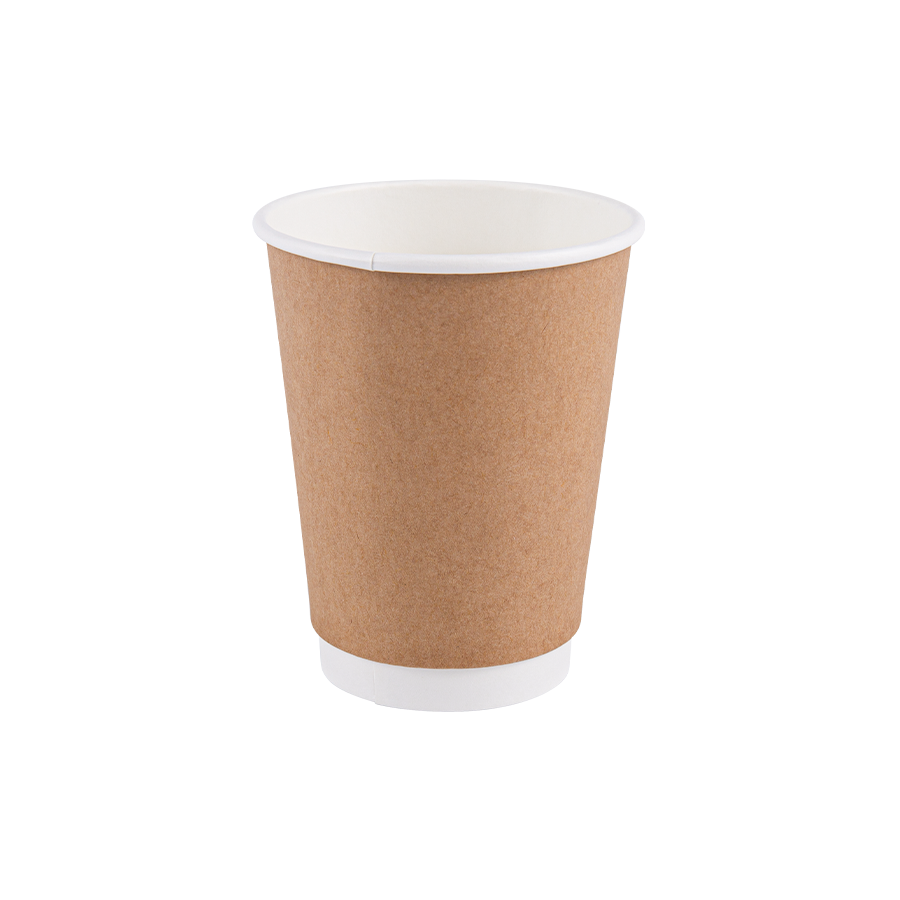
PLA Lining: The Eco-Friendly Alternative
PLA lining is a compostable alternative made from renewable resources such as corn starch or sugarcane. PLA is attractive for businesses aiming to reduce plastic use and improve sustainability. PLA lined paper cups can be marketed as “biodegradable” or “compostable,” which is increasingly important for consumers and corporate sustainability goals.
Key Advantages of PLA Lined Paper Cups
The main advantage of PLA lining is its environmental appeal. Since PLA is derived from renewable resources, it reduces dependence on fossil fuels. PLA cups also support branding for eco-conscious companies and can help meet sustainability targets or compliance requirements in certain regions.
Common Applications
PLA lined cups are popular in cafes, organic food stores, and events where sustainability is a key selling point. They are suitable for cold beverages and room-temperature drinks, and some PLA cups can handle hot drinks depending on the cup design and thickness. However, PLA cups may not perform as well in high-heat scenarios compared to PE lined cups.
Performance Comparison: PE vs PLA Lined Cups
To choose the right paper cup for your business, it is important to compare PE and PLA lined cups based on performance, cost, and environmental impact. The table below summarizes the key differences in a clear and practical way.
| Criteria | PE Lining | PLA Lining |
| Liquid Resistance | Excellent | Good |
| Heat Resistance | High | Moderate |
| Cost | Lower | Higher |
| Eco Impact | Lower (non-renewable) | Higher (renewable) |
| Recycling/Composting | Limited recycling | Industrial composting required |
Choosing the Right Cup for Your Business Needs
Selecting the right paper cup lining depends on your product type, target market, and budget. Businesses must weigh the benefits of performance against sustainability goals. Here are key questions to consider when making the decision.
What Beverages Will You Serve?
If your menu includes hot coffee, tea, or soups, PE lined cups typically provide the best heat resistance and structural strength. For cold drinks, smoothies, or room-temperature beverages, PLA lined cups can be a strong choice, especially if your brand emphasizes sustainability.
What Is Your Sustainability Strategy?
If your business aims to reduce plastic use and promote eco-friendly packaging, PLA lined cups support this strategy. However, you should also evaluate local composting availability and communicate proper disposal instructions to customers to ensure the environmental benefits are realized.
What Is Your Budget and Order Volume?
PE lined cups are usually less expensive, making them suitable for high-volume operations where cost per cup is a major factor. PLA lined cups can be more expensive, so businesses should consider whether the sustainability premium aligns with their pricing strategy and customer expectations.
Practical Buying Tips and Quality Checks
To ensure you purchase the right paper cups, it is recommended to request samples and perform basic quality checks. These checks help confirm the cup’s performance under real conditions and avoid customer complaints.
- Check for leakage by filling the cup with hot liquid and observing for seepage after 10–20 minutes.
- Test cup strength by pressing the sides to see if it collapses or becomes soft.
- Evaluate the cup’s rim and stacking performance for handling and storage.
- Request information about the lining thickness and paperboard grade.
- Ask for certifications such as FSC, compostability, or food-grade compliance.
Conclusion: Making the Best Choice for Your Brand
PE and PLA lined paper cups each offer distinct advantages. PE lined cups provide strong performance, heat resistance, and cost savings, making them ideal for high-volume beverage businesses. PLA lined cups support sustainability goals and are suitable for cold or moderate-temperature drinks, helping brands stand out in eco-conscious markets. The best choice depends on your product lineup, customer expectations, and long-term strategy. By evaluating performance, cost, and environmental impact, you can select the paper cup lining that aligns with your business needs.
LATEST POST
Let’s create something amazing together
contact usFeatured Products
-

16oz(500ml)PLA Biodegradable Single-Wall Paper Cup
-
7.5oz Disposable Single-Wall Paper Cup for Automatic Vending Cup
-

8oz Double-Wall Kraft Paper Cup with Home-Compostable Plastic-Free Coating & Thermal Insulation
-
12oz (420ml) Bamboo Pulp Fiber Paper Cup with PLA Coating
-
4oz Ripple Wall Paper Cup
-
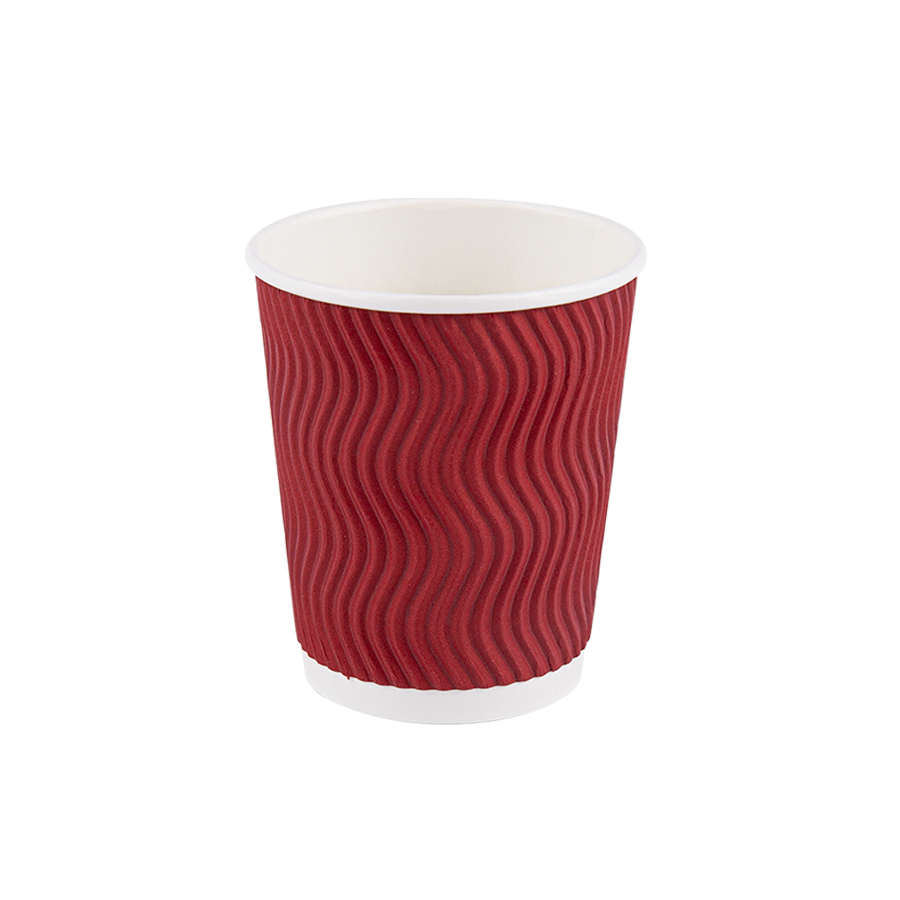
8oz 'S' Ripple Wall Paper Cup

- No. 9 Qilidian Road, Honglan Industrial Park, Lishui District, Nanjing Ctiy. China
- [email protected]
- ( +86 ) - 13327730591
Copyright © 2025 Nanjing smilepacking co., Ltd.
All Rights Reserved.

-
+86-15727116558
