
 English
 中文简体
中文简体 русский
 Español
 عربى
عربى


Disposable Paper Cups vs Paper Baking Cups: What’s the Difference for Bakers?
Content
- 1 Disposable Paper Cups vs Paper Baking Cups: Core Differences
- 2 Understanding Ounces and Cups in Baking
- 3 Ounce-to-Cup Conversion Guide for Common Paper Cup Sizes
- 4 How Bakers Use Disposable Paper Cups for Measuring
- 5 Why Paper Baking Cups Are Not Measurement Tools
- 6 Practical Tips for Accurate Measurement Using Paper Cups
- 7 Choosing the Right Cup for Baking Operations
- 8 Final Thoughts for Bakers
In baking, accuracy is everything. While digital scales and measuring cups are standard tools, disposable paper cups are increasingly used in bakeries, cafés, and small food businesses for portioning, pre-measuring, and even baking certain products. Understanding how disposable paper cups compare to paper baking cups—and how volume measurements like ounces translate into cups—can significantly reduce waste, improve consistency, and streamline production.
Many bakers struggle when recipes list ingredients in ounces while their available containers are labeled in cups or milliliters. This confusion becomes more pronounced when disposable paper cups of varying sizes are used interchangeably with paper baking cups. Knowing the exact capacity of each option helps bakers make informed decisions and maintain reliable results.
Disposable Paper Cups vs Paper Baking Cups: Core Differences
Disposable paper cups and paper baking cups may appear similar, but they serve very different purposes in the baking industry. Disposable paper cups are primarily designed for beverages and portion control, while paper baking cups are engineered to withstand oven temperatures and support baked goods during cooking.
From a measurement standpoint, disposable paper cups are often labeled by fluid ounces, making them useful for liquid measurement and ingredient prep. Paper baking cups, on the other hand, focus more on shape retention and heat resistance than precise volume labeling.
Material and Heat Resistance
Disposable paper cups are typically made from paperboard with a thin polyethylene or PLA lining. This lining makes them liquid-resistant but limits their heat tolerance. Most disposable paper cups are not intended for oven use. Paper baking cups use greaseproof paper and are designed to handle baking temperatures without burning or collapsing.

Understanding Ounces and Cups in Baking
Before comparing cup types, it is essential to understand how ounces convert to cups. In baking and beverage preparation, fluid ounces are most commonly used. In the U.S. system, one cup equals 8 fluid ounces. This simple relationship forms the foundation for accurate conversions.
However, confusion arises when disposable paper cups are labeled by ounces but used as measuring references without confirming whether they match standard cup measurements. Bakers who rely on these cups without conversion risk inconsistent results.
Ounce-to-Cup Conversion Guide for Common Paper Cup Sizes
Disposable paper cups are commonly available in sizes such as 12 oz, 14 oz, 16 oz, and larger. Below is a practical conversion table to help bakers quickly translate these volumes into cups for recipe accuracy.
| Ounces (oz) | Cups |
| 12 oz | 1.5 cups |
| 14 oz | 1.75 cups |
| 16 oz | 2 cups |
| 18 oz | 2.25 cups |
| 20 oz | 2.5 cups |
| 24 oz | 3 cups |
| 32 oz | 4 cups |
How Bakers Use Disposable Paper Cups for Measuring
In professional and small-scale baking environments, disposable paper cups are often used for pre-measuring liquids such as milk, water, or oil. Their ounce labeling makes them convenient for quick preparation, especially during high-volume production.
However, bakers must remember that not all disposable paper cups are calibrated with laboratory precision. Slight variations in manufacturing mean they should not fully replace standardized measuring cups when exact ratios are critical.
Why Paper Baking Cups Are Not Measurement Tools
Paper baking cups are designed to hold batter during baking, not to measure ingredients. Their volume can vary depending on shape, wall thickness, and whether they are freestanding or used with a muffin pan. Using them as measuring tools can lead to inconsistent portion sizes.
For bakers aiming for uniform muffins or cupcakes, batter should be measured separately and then portioned into baking cups using standardized scoops or measured disposable paper cups.
Practical Tips for Accurate Measurement Using Paper Cups
- Always confirm the ounce capacity printed on disposable paper cups
- Use ounce-to-cup conversions when following recipes written in cups
- Avoid using paper baking cups as measuring references
- For dry ingredients, rely on standard measuring cups or scales
Choosing the Right Cup for Baking Operations
For bakers, the choice between disposable paper cups and paper baking cups depends on the task. Disposable paper cups are best suited for measuring and staging liquids, while paper baking cups are essential for oven use and final presentation.
Understanding how ounce-based disposable paper cups convert to standard cups allows bakers to integrate them confidently into workflows without sacrificing accuracy or product quality.
Final Thoughts for Bakers
Disposable paper cups and paper baking cups each play a distinct role in the baking industry. When bakers understand the differences and apply accurate ounce-to-cup conversions, they can avoid common measurement mistakes and improve consistency across batches.
By using disposable paper cups thoughtfully for measuring and reserving paper baking cups for their intended baking function, professionals and home bakers alike can achieve better results with less confusion and waste.
LATEST POST
Let’s create something amazing together
contact usFeatured Products
-

16oz(500ml)PLA Biodegradable Single-Wall Paper Cup
-
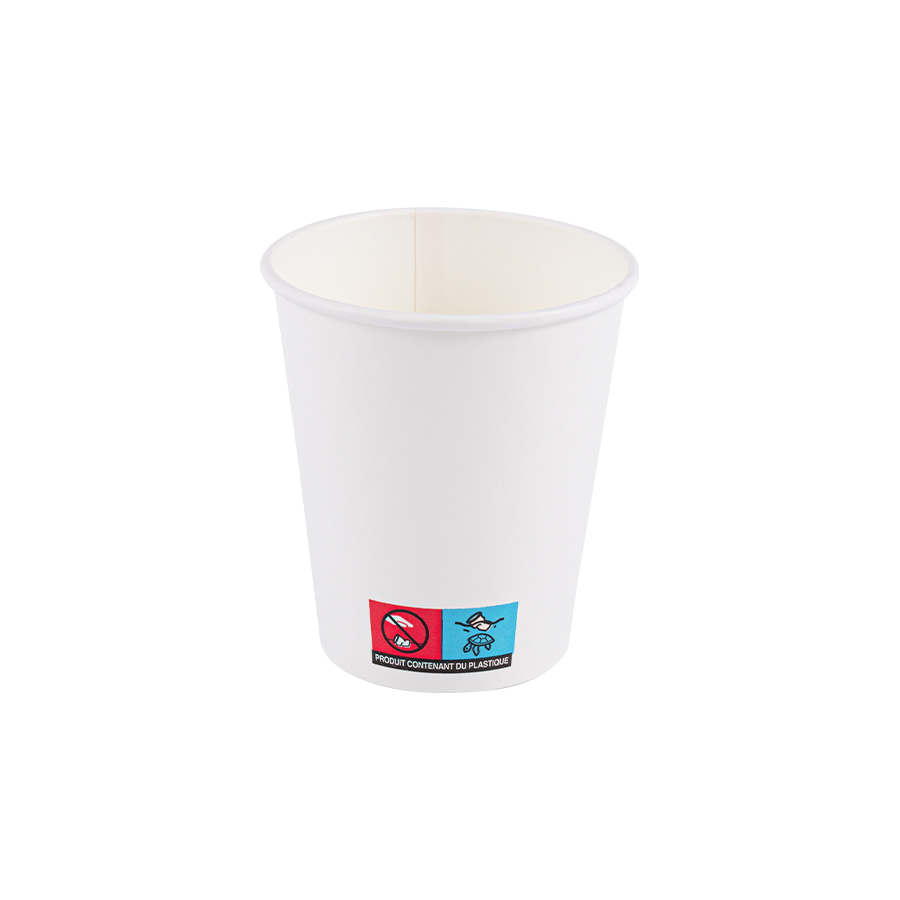
7.5oz Disposable Single-Wall Paper Cup for Automatic Vending Cup
-
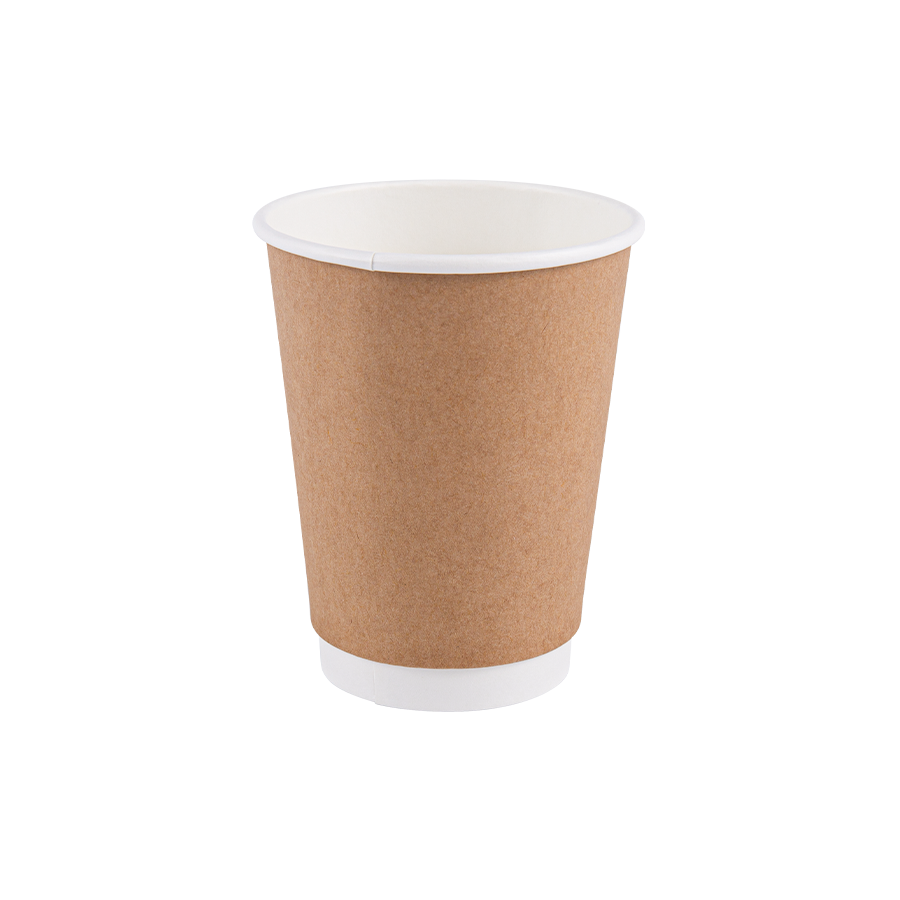
8oz Double-Wall Kraft Paper Cup with Home-Compostable Plastic-Free Coating & Thermal Insulation
-
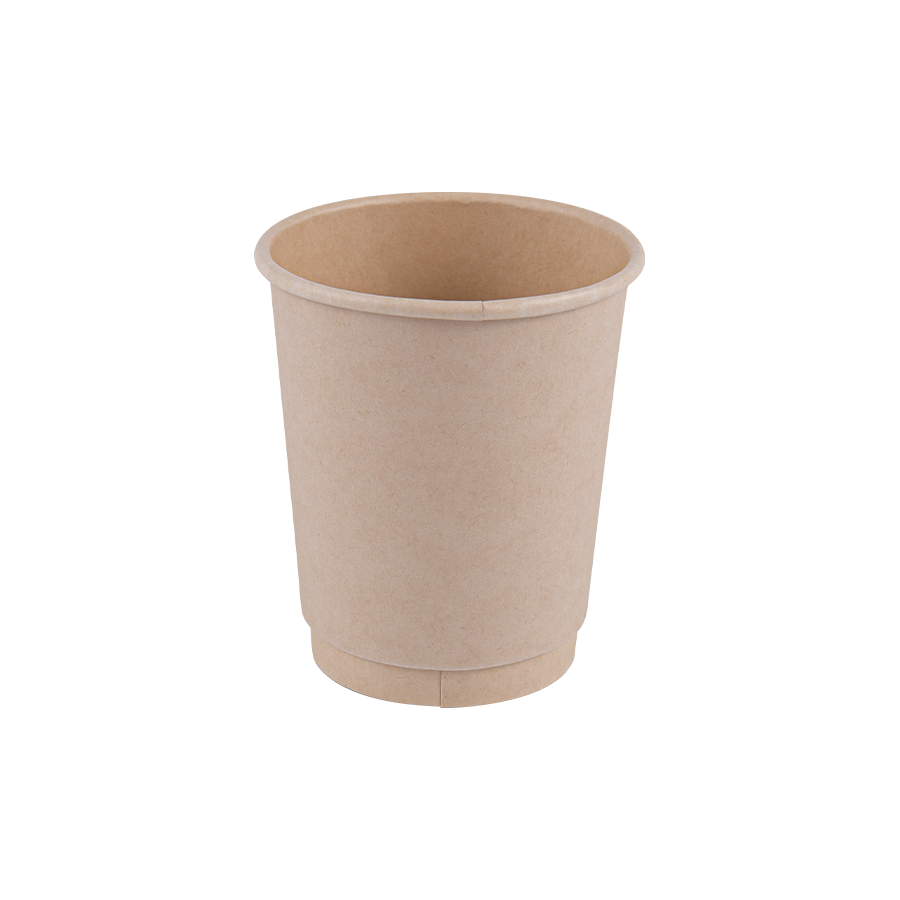
12oz (420ml) Bamboo Pulp Fiber Paper Cup with PLA Coating
-
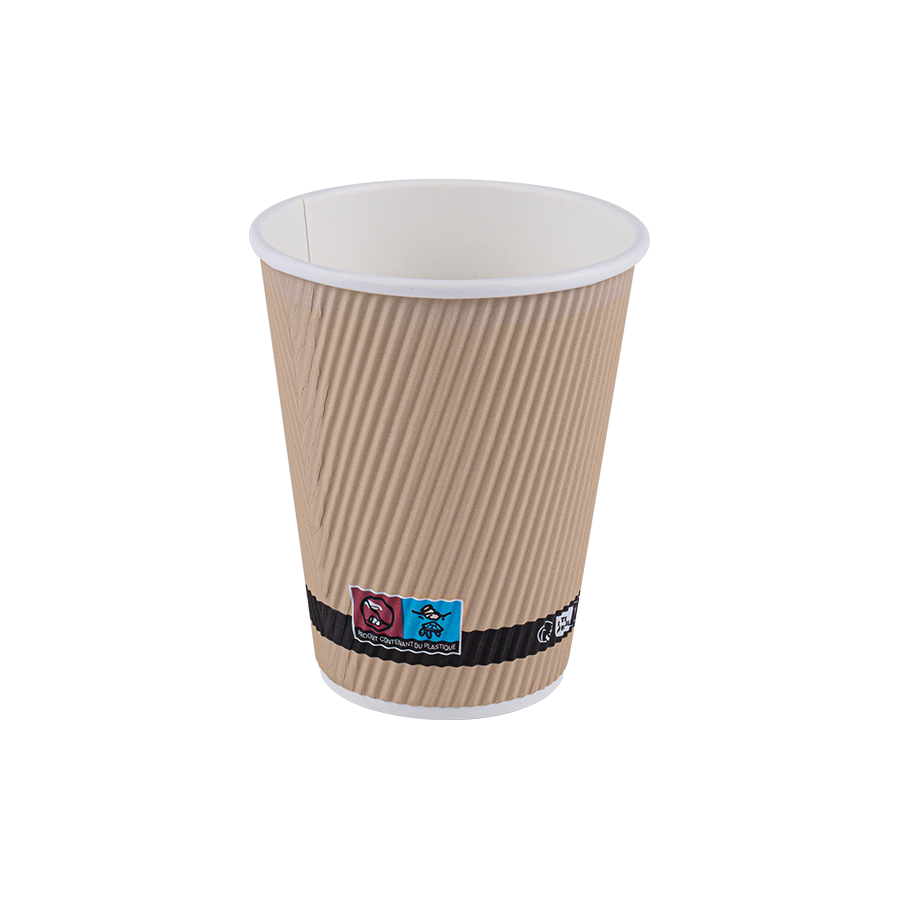
4oz Ripple Wall Paper Cup
-
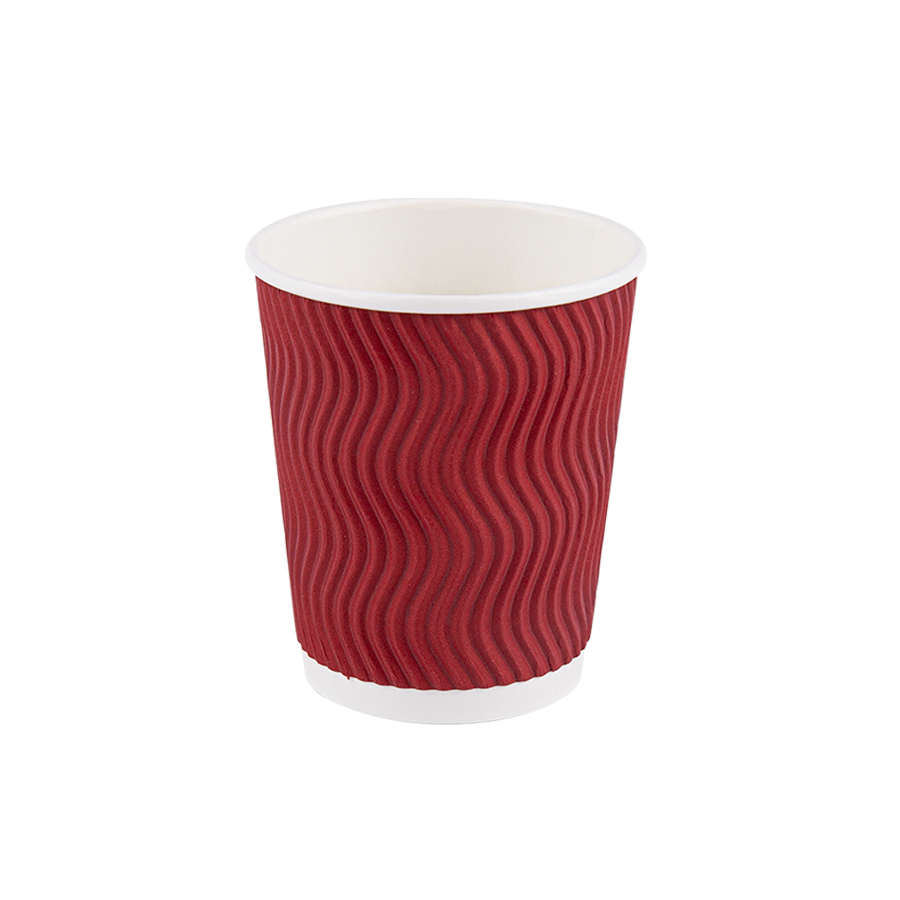
8oz 'S' Ripple Wall Paper Cup

- No. 9 Qilidian Road, Honglan Industrial Park, Lishui District, Nanjing Ctiy. China
- [email protected]
- ( +86 ) - 13327730591
Copyright © 2025 Nanjing smilepacking co., Ltd.
All Rights Reserved.

-
+86-15727116558
