
 English
 中文简体
中文简体 русский
 Español
 عربى
عربى


Compostable vs. Biodegradable Paper Cups: What's the Difference?
Content
- 1 Understanding Biodegradable Paper Cups
- 2 What Does Compostable Mean for Paper Cups?
- 3 Key Differences Between Compostable and Biodegradable Paper Cups
- 4 Environmental Impact and Sustainability Considerations
- 5 Food Safety and Performance in Hot Beverages
- 6 Choosing the Right Option for Your Business
- 7 Conclusion: Compostable vs Biodegradable Paper Cups
Understanding Biodegradable Paper Cups
Biodegradable paper cups are designed to break down naturally over time through biological processes involving microorganisms such as bacteria and fungi. The term “biodegradable” refers to the ability of a material to decompose into water, carbon dioxide, and organic matter under certain environmental conditions. However, the speed and completeness of this process depend heavily on the materials used and the disposal environment.
Most biodegradable paper cups are made from paperboard combined with a thin internal lining that provides liquid resistance. While the paper component degrades relatively easily, the lining is often made from conventional plastic or modified polymers, which may slow down or complicate the overall degradation process.
Common Materials Used in Biodegradable Paper Cups
- Virgin or recycled paperboard sourced from wood pulp
- Water-based or polymer coatings for moisture resistance
- Additives intended to accelerate breakdown under landfill conditions

What Does Compostable Mean for Paper Cups?
Compostable paper cups are engineered to break down completely into non-toxic components within a specific timeframe when placed in a composting environment. Unlike general biodegradation, compostability requires the material to decompose without leaving harmful residues and to support soil health rather than contaminate it.
Compostable cups typically use plant-based linings such as PLA (polylactic acid), derived from renewable resources like corn starch or sugarcane. These linings are designed to decompose efficiently under controlled composting conditions.
Industrial vs Home Composting Requirements
Most compostable paper cups require industrial composting facilities to fully break down. These facilities maintain higher temperatures, controlled humidity, and consistent microbial activity. Home composting environments often lack the conditions necessary to decompose compostable linings within a reasonable timeframe.
Key Differences Between Compostable and Biodegradable Paper Cups
Although the terms are often used interchangeably, compostable and biodegradable paper cups differ significantly in performance, disposal requirements, and environmental impact. Understanding these differences helps businesses and consumers make informed choices.
| Aspect | Biodegradable Paper Cups | Compostable Paper Cups |
| Decomposition Time | Variable and often undefined | Typically 90–180 days |
| Residue | May leave microplastics | No toxic residue |
| Certification | Often uncertified | BPI, EN13432, ASTM D6400 |
| Disposal Method | Landfill or waste stream | Industrial composting |
Environmental Impact and Sustainability Considerations
Biodegradable paper cups can reduce visible waste compared to conventional plastic cups, but they do not always solve long-term environmental concerns. If the lining does not fully degrade, microplastics may still enter soil and water systems.
Compostable paper cups offer a more controlled and predictable environmental outcome when properly disposed of. When sent to certified composting facilities, they return to the soil as organic matter, supporting circular economy principles.
Carbon Footprint Comparison
Both cup types typically have a lower carbon footprint than petroleum-based plastic cups. Compostable cups made from renewable resources can further reduce dependence on fossil fuels, though transportation and composting infrastructure play important roles in overall impact.
Food Safety and Performance in Hot Beverages
Both biodegradable and compostable paper cups are designed to safely handle hot beverages such as coffee and tea. However, compostable cups with PLA linings may have temperature limitations, typically performing best below 90°C.
Biodegradable cups with polymer coatings often provide better heat resistance, but this advantage may come at the cost of reduced environmental performance.
Choosing the Right Option for Your Business
Selecting between compostable and biodegradable paper cups depends on your waste management infrastructure, sustainability goals, and customer expectations. Businesses operating in cities with access to industrial composting facilities can benefit most from compostable options.
In regions without composting access, biodegradable cups may still offer incremental environmental benefits, but clear labeling and consumer education are essential to avoid misleading sustainability claims.
Practical Selection Tips
- Verify third-party certifications before purchasing
- Match cup type to available waste disposal systems
- Consider customer perception and regulatory requirements
Conclusion: Compostable vs Biodegradable Paper Cups
While both compostable and biodegradable paper cups aim to reduce environmental impact, they are not equivalent solutions. Compostable paper cups provide a clearer, more sustainable end-of-life pathway when supported by proper composting infrastructure. Biodegradable paper cups can still play a role, but their benefits depend heavily on material composition and disposal conditions.
Understanding these distinctions allows businesses and consumers to make responsible choices that align with real environmental outcomes rather than marketing claims.
LATEST POST
Let’s create something amazing together
contact usFeatured Products
-

16oz(500ml)PLA Biodegradable Single-Wall Paper Cup
-
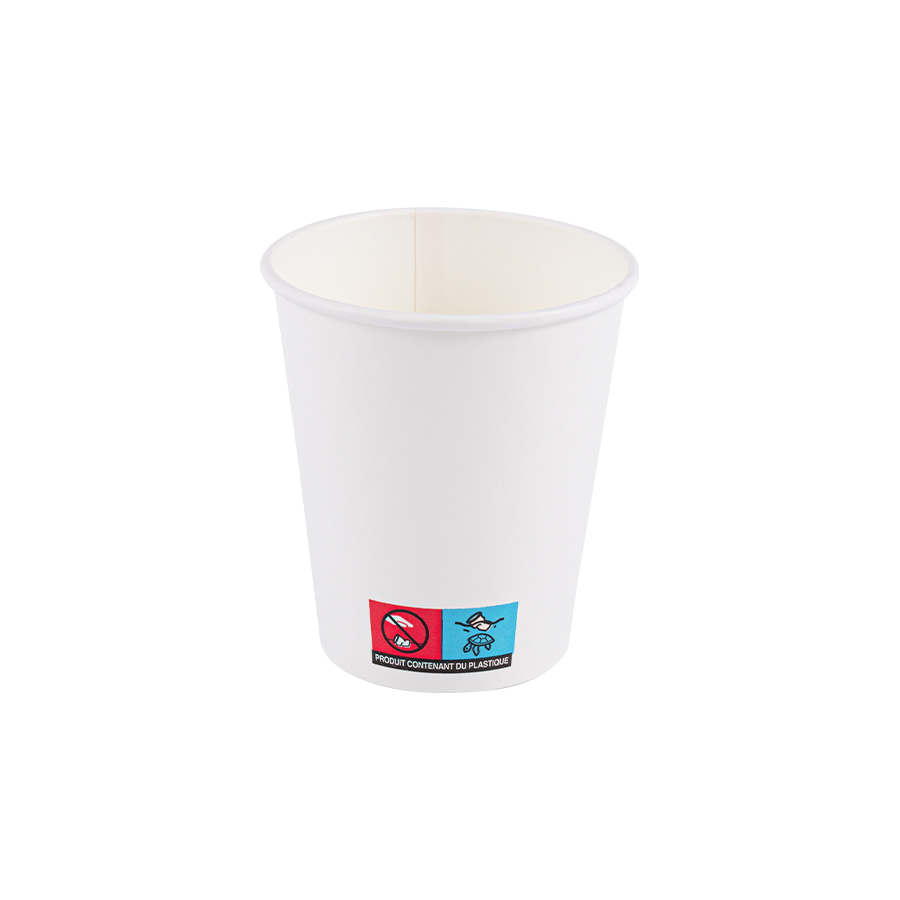
7.5oz Disposable Single-Wall Paper Cup for Automatic Vending Cup
-
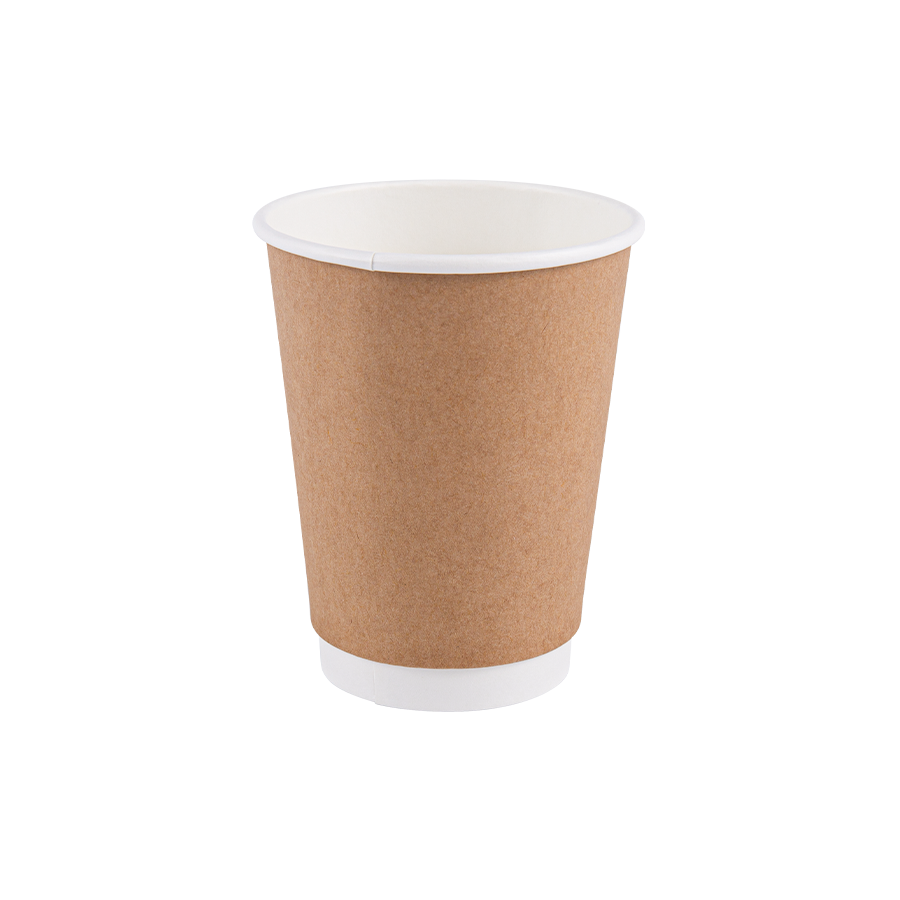
8oz Double-Wall Kraft Paper Cup with Home-Compostable Plastic-Free Coating & Thermal Insulation
-
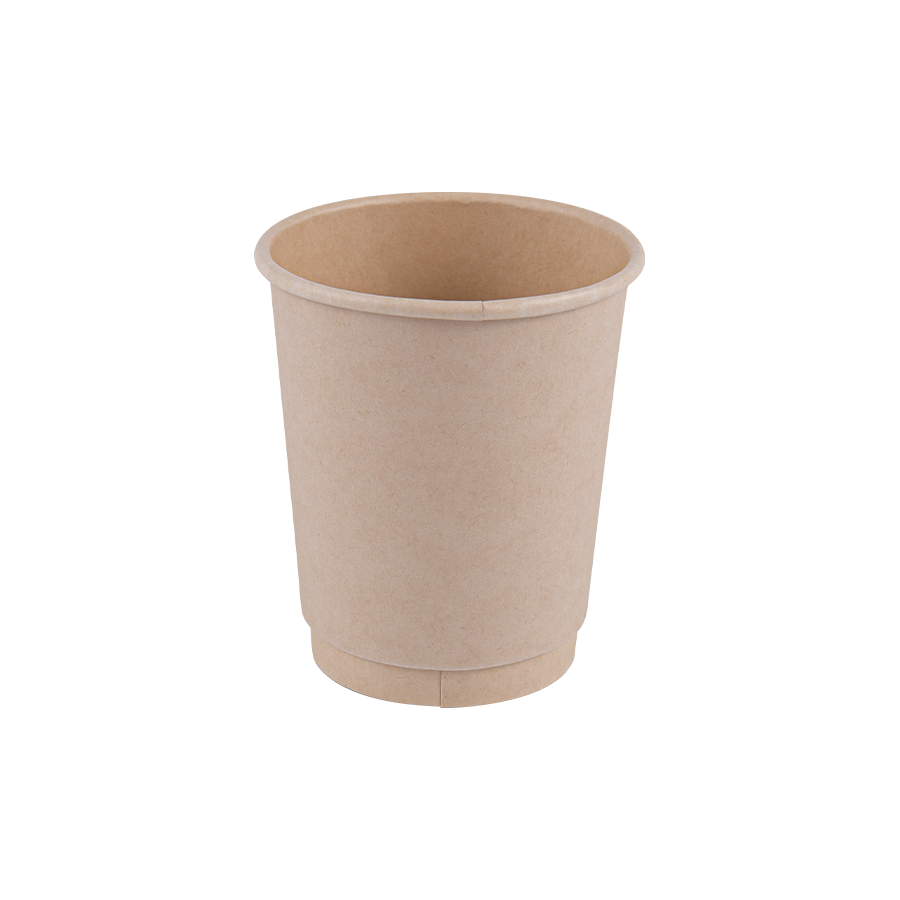
12oz (420ml) Bamboo Pulp Fiber Paper Cup with PLA Coating
-
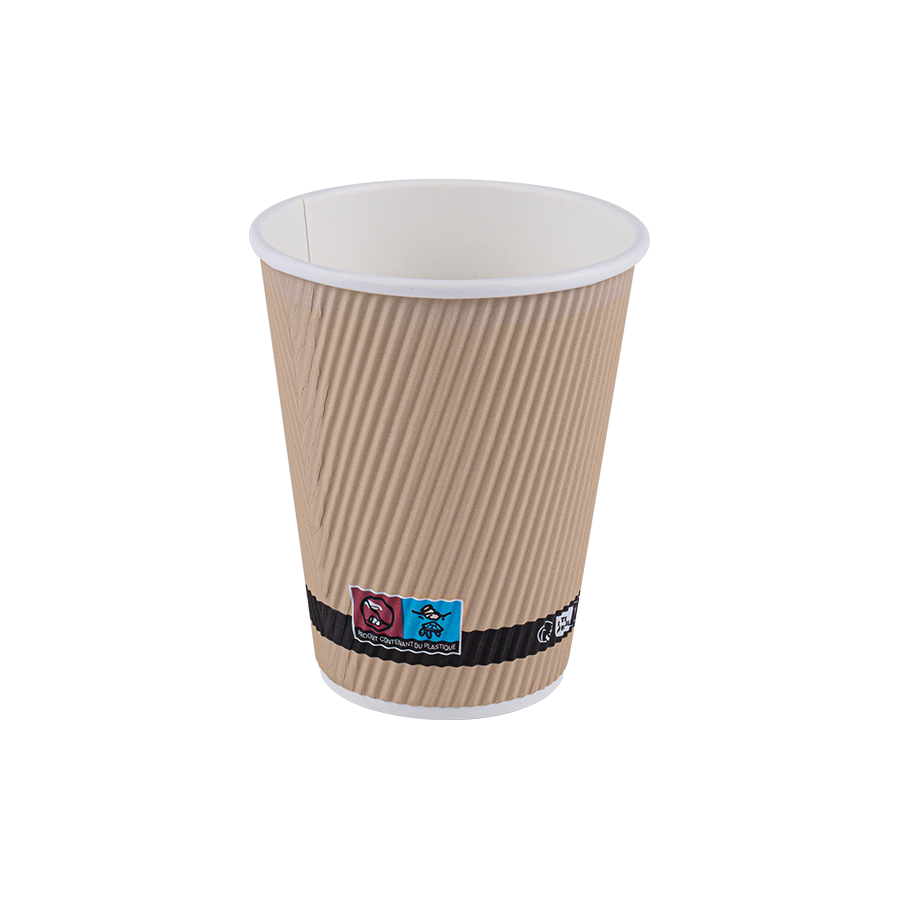
4oz Ripple Wall Paper Cup
-
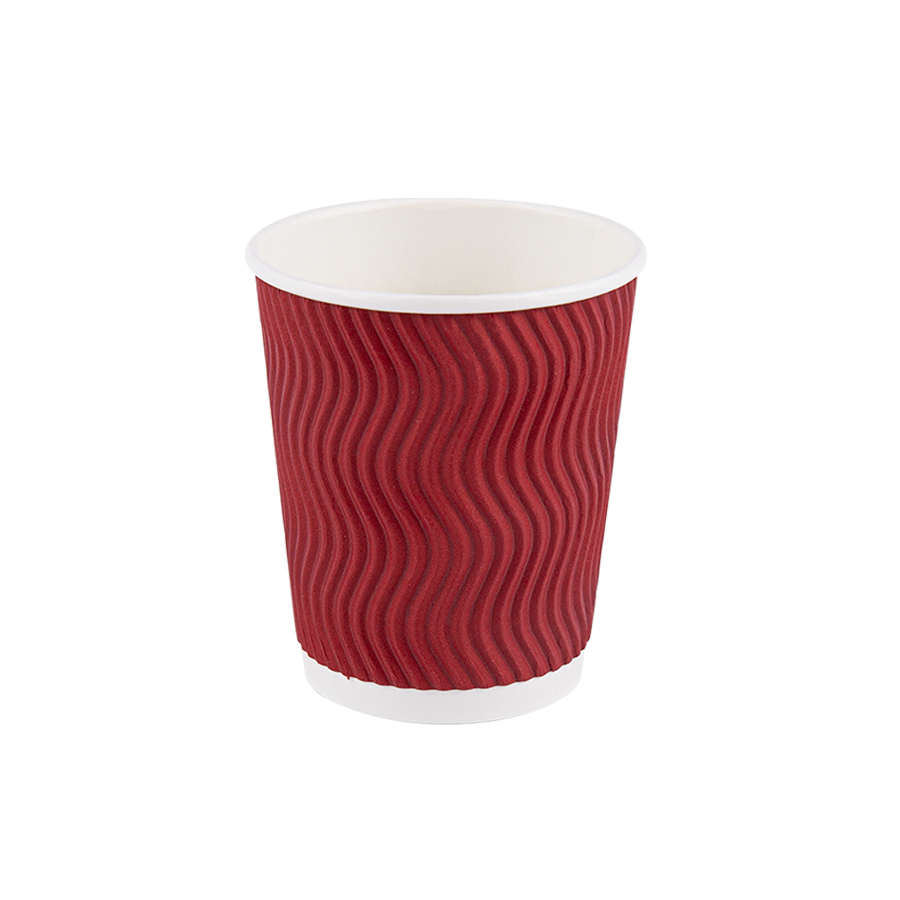
8oz 'S' Ripple Wall Paper Cup

- No. 9 Qilidian Road, Honglan Industrial Park, Lishui District, Nanjing Ctiy. China
- [email protected]
- ( +86 ) - 13327730591
Copyright © 2025 Nanjing smilepacking co., Ltd.
All Rights Reserved.

-
+86-15727116558
