
 English
 中文简体
中文简体 русский
 Español
 عربى
عربى


PLA Straws: Eco-Friendly and Sustainable Drinking Straws
I. Introduction to PLA Straws
A. What is PLA (Polylactic Acid)?
Polylactic Acid, or PLA, is a biodegradable and compostable polymer made from renewable plant resources such as corn starch or sugarcane. PLA is a type of bioplastic that is produced through a process of fermentation, where the starch in plants is converted into lactic acid. This lactic acid is then polymerized to create PLA plastic. Because PLA is derived from plants, it’s considered more sustainable than petroleum-based plastics, which take much longer to decompose and are typically sourced from non-renewable fossil fuels.
B. Why PLA Straws Are Gaining Popularity
The shift towards sustainable alternatives has led to the rising popularity of PLA straws. With increasing environmental concerns over single-use plastics, especially those that end up in oceans and landfills, PLA straws offer a viable eco-friendly option. Many restaurants, cafes, and businesses are now opting for PLA straws due to the growing demand for sustainable practices. As consumers become more environmentally conscious, businesses are feeling the pressure to reduce their carbon footprint, which has significantly boosted the demand for alternatives like PLA.
In addition, PLA straws provide an attractive solution for those who want to reduce plastic waste without sacrificing convenience or functionality. They offer the same utility as traditional plastic straws, but with a much smaller environmental impact.
C. Benefits of Using PLA Straws Over Traditional Plastic Straws
Environmental Impact: PLA straws break down more quickly than conventional plastic straws and can biodegrade under the right conditions. This reduces their environmental footprint, especially in areas that lack recycling infrastructure.
Non-toxic and Safe: PLA straws are made from plant-based materials, which makes them non-toxic and free from harmful chemicals like BPA, commonly found in some traditional plastics. This makes them a safer choice for both consumers and the environment.
Compostable: Unlike plastic straws, which can linger in the environment for hundreds of years, PLA straws can be composted in industrial composting facilities, turning into organic matter that enriches the soil. This characteristic helps close the loop in the waste stream and contributes to a more sustainable circular economy.
Reduced Carbon Footprint: The production of PLA uses renewable resources and often involves fewer greenhouse gas emissions than the extraction and processing of petroleum-based plastics, which results in a lower carbon footprint over the product’s lifecycle.
II. PLA Straws: Composition and Manufacturing
A. Raw Materials Used in PLA Straw Production
The primary raw material used in the production of PLA straws is starch, which is typically derived from renewable plant sources such as corn, sugarcane, or cassava. The process begins by extracting starch from these plants, which is then fermented into lactic acid. The lactic acid molecules are chemically bonded together to form polylactic acid (PLA) through a process called polymerization. This makes PLA a sustainable alternative to petroleum-based plastics, as it is derived from renewable resources.
The starch-based origin of PLA gives it a distinct advantage over conventional plastics, which are made from fossil fuels. The use of renewable plant materials in PLA production is key to its eco-friendly reputation and makes it a popular choice in the growing market for biodegradable and compostable products.
B. The Manufacturing Process of PLA Straws
The production of PLA straws involves several steps:
Fermentation: The first step is the fermentation of plant sugars (usually from corn or sugarcane) to produce lactic acid. This process is similar to how beer and yogurt are fermented, but instead of producing alcohol or dairy, the result is lactic acid, a key building block for PLA.
Polymerization: The lactic acid molecules undergo polymerization, a chemical process in which individual molecules (monomers) are linked together to form long chains of PLA. This process can be done using either direct condensation or ring-opening polymerization, both of which turn the lactic acid into a solid plastic material.
Extrusion: Once PLA is produced, it is often melted and extruded into long strands of plastic. These strands are then cooled and cut into small pellets, which serve as the raw material for making PLA straws.
Injection Molding or Blow Molding: The PLA pellets are then fed into machines for injection molding or blow molding, depending on the desired shape and size of the straw. In injection molding, the PLA is melted and injected into a mold that shapes the straw. In blow molding, the PLA is inflated to form hollow tubes. Both methods result in straws that are strong, durable, and functional, though they are less resistant to heat than traditional plastic straws.
Cooling and Packaging: After shaping, the PLA straws are cooled and packed for shipment. If necessary, additional treatments such as coating or coloring may be applied. Once packaged, the PLA straws are ready to be distributed to restaurants, cafes, and other businesses.
C. Biodegradability and Compostability Certifications
One of the key selling points of PLA straws is their biodegradability. Under the right conditions, PLA can decompose into natural elements such as water, carbon dioxide, and organic matter, making it an attractive alternative to conventional plastic, which can take hundreds of years to break down.
However, PLA’s biodegradability depends on specific environmental conditions. PLA straws need industrial composting facilities to break down efficiently because the temperature and moisture levels required for the process are typically not found in home composting systems. Industrial composting facilities are designed to provide these conditions, allowing PLA to decompose in a matter of months.
To ensure that PLA products meet industry standards for compostability and biodegradability, various certifications exist, including:
ASTM D6400: This certification from the American Society for Testing and Materials ensures that a product meets specific compostability requirements, such as breaking down into non-toxic elements within a certain timeframe.
OK Compost: This European certification indicates that a product is biodegradable and compostable in industrial composting systems.
BPI Certification: In the U.S., the Biodegradable Products Institute (BPI) certifies products that meet ASTM D6400 standards for compostability.
These certifications help businesses and consumers ensure they are choosing environmentally responsible products that will not contribute to long-term waste accumulation in landfills.
III. Advantages of PLA Straws
A. Environmentally Friendly and Sustainable
PLA straws are significantly more environmentally friendly than their plastic counterparts. Since they are made from renewable plant materials, such as corn or sugarcane, their production relies on agricultural resources that can be replenished annually. This contrasts with traditional plastic straws, which are made from petroleum-based plastics derived from non-renewable fossil fuels.
The biodegradability of PLA is another key factor that contributes to its sustainability. While traditional plastics can take centuries to break down, PLA breaks down much faster, particularly when exposed to the right conditions, such as those found in industrial composting facilities. This reduces the burden of plastic pollution, which has become a significant environmental issue worldwide, especially in oceans and other ecosystems.
B. Non-Toxic and Food-Safe
PLA straws are made from natural materials, making them non-toxic and free from harmful chemicals like bisphenol A (BPA) and phthalates, which are often found in traditional plastics. BPA, in particular, has been linked to numerous health concerns, including hormone disruption. With PLA straws, consumers can enjoy their beverages without worrying about exposure to such chemicals.
Since PLA is FDA-approved for food contact, it meets rigorous safety standards for use in consumable products. This makes PLA an ideal alternative for businesses, especially those in the food and beverage industry, that want to ensure both the safety and well-being of their customers.
C. Compostable in Industrial Composting Facilities
One of the main advantages of PLA straws is their compostability. Unlike plastic straws, which remain intact for centuries, PLA straws can break down relatively quickly when processed in industrial composting facilities. In these facilities, the temperature and moisture levels are optimized for the decomposition of PLA into organic matter, which can then be used to enrich the soil.
In a home composting environment, however, PLA straws may not break down as effectively, as the conditions required for composting may not be met. This is why it’s important for PLA straws to be disposed of in composting facilities that can ensure they break down properly. When disposed of correctly, PLA straws return to nature as compost, contributing to the circular economy and minimizing landfill waste.
D. Reduced Carbon Footprint Compared to Plastic Straws
The carbon footprint of PLA straws is significantly lower than that of traditional plastic straws. The production of PLA, which uses plant-based raw materials, produces fewer greenhouse gases compared to the petroleum-based manufacturing of plastic straws. Additionally, because PLA is derived from renewable resources, its production does not contribute to the depletion of fossil fuels.
The life cycle of PLA straws—from production to disposal—results in a smaller overall carbon footprint. This is especially true when they are composted correctly. Reducing the carbon footprint of single-use products like straws is critical in the fight against climate change, as it lowers the environmental impact of consumer behavior and reduces reliance on non-renewable resources.
IV. Disadvantages of PLA Straws
A. Not as Durable as Plastic Straws
While PLA straws are suitable for many common uses, they are not as durable as traditional plastic straws, particularly when it comes to withstanding prolonged use. PLA is a more brittle material, meaning it can break or crack more easily than plastic. For example, when used for long periods, PLA straws may start to lose their shape or structural integrity, especially in beverages that are stirred or handled roughly.
This lack of durability can be an issue for certain applications where strength and resistance to wear are important, such as in fast-paced foodservice environments where straws may need to hold up to extended or repeated use. In contrast, plastic straws can endure much more without losing shape or breaking.
B. Can Soften in Hot Liquids
PLA has a lower melting point than traditional plastic, which means it can soften and lose its rigidity when exposed to hot liquids. This makes PLA straws less suitable for hot beverages like coffee or tea. While they might work well in cold drinks, exposure to heat can cause the straw to become limp or even disintegrate, which could be a turnoff for customers or businesses offering hot drinks.
For this reason, PLA straws are best suited for cold beverages or situations where the drink’s temperature won’t exceed 40°C (104°F). This limitation on temperature tolerance could hinder the widespread adoption of PLA straws in some areas of the foodservice industry, especially in cafes and restaurants that primarily serve hot drinks.
C. Requires Specific Composting Conditions
Though PLA is compostable, it requires specific conditions for proper decomposition. Industrial composting facilities are designed to handle PLA straws, as they can maintain the high temperatures (around 60°C or 140°F) and moisture levels needed for PLA to break down. However, these facilities are not available everywhere, particularly in less developed regions or rural areas.
In addition, home composting is not suitable for PLA, as the conditions necessary for effective breakdown are often not met in domestic compost bins. This means that improper disposal of PLA straws can lead to them being sent to landfills, where they may not break down as intended. Without access to the proper composting infrastructure, the environmental benefits of PLA straws can be compromised.
D. Cost Considerations
PLA straws are generally more expensive to produce than traditional plastic straws. This higher cost is primarily due to the raw materials used (e.g., corn or sugarcane), the production process, and the need for specialized equipment to manufacture PLA. As a result, PLA straws tend to cost more per unit than their plastic counterparts, which can be a barrier for businesses, especially small or cost-conscious operations.
For businesses that are transitioning to more sustainable practices, the higher initial investment in PLA products may be seen as a financial challenge. Although the long-term environmental and marketing benefits of using PLA may offset the cost, many businesses still find themselves balancing the desire to go green with the pressure to keep operational costs down.
V. PLA Straws vs. Other Alternatives
A. PLA vs. Paper Straws
Paper straws have become one of the most popular alternatives to plastic straws, and while they offer some environmental benefits, there are notable differences when compared to PLA straws:
Environmental Impact: Both paper and PLA straws are biodegradable and compostable, but the environmental impact during production differs. Paper straws often require more energy and water to produce, and their raw material—wood pulp—comes from trees. While paper is renewable, it still contributes to deforestation if not sourced sustainably. PLA, on the other hand, is derived from plants like corn or sugarcane, which are fast-growing and can be replanted quickly.
Durability: PLA straws tend to hold up better than paper straws, especially in beverages that are consumed slowly. Paper straws can become soggy or break apart relatively quickly when exposed to liquid for extended periods, which can be frustrating for consumers. PLA straws, in contrast, maintain their form and strength in both cold and room-temperature liquids, though they can soften in hot liquids.
Composting: Both PLA and paper straws are compostable, but PLA straws require industrial composting to break down effectively, while paper straws can decompose faster in typical composting conditions. However, paper straws may leave behind residue from dyes or coatings, depending on the manufacturing process, while PLA straws typically do not.
Cost: Paper straws can often be cheaper than PLA straws, but their durability issues mean businesses may need to use more of them to achieve the same result, potentially increasing costs in the long run.
In summary, while both options have advantages, PLA straws often outperform paper straws in terms of durability and compostability under the right conditions, but paper straws are more readily biodegradable in home composting settings and are a cheaper option for businesses.
B. PLA vs. Bamboo Straws
Bamboo straws are another sustainable alternative to plastic, and they present a unique set of advantages and challenges compared to PLA:
Environmental Impact: Bamboo is a highly sustainable material. It grows rapidly, requires little water, and is often grown without pesticides or fertilizers. Bamboo straws are durable, reusable, and can be washed and used multiple times. PLA, on the other hand, is a single-use product that is compostable, but not reusable. From a raw material standpoint, bamboo has an advantage in terms of sustainability because it requires fewer resources for production.
Durability and Reusability: Bamboo straws are reusable and can last for months or even years if cared for properly. This gives bamboo straws a major advantage over both PLA and plastic straws, especially for consumers looking to minimize waste long-term. PLA straws, being single-use, don’t have the same longevity and are more likely to contribute to waste if not composted correctly after use.
Composting: Bamboo straws are biodegradable and can break down naturally, although they may take longer than PLA in some cases. PLA straws, on the other hand, require industrial composting conditions to break down effectively. In areas without access to industrial composting, bamboo is a more practical option for individuals looking for a fully natural breakdown process.
Cost: Bamboo straws tend to be more expensive than PLA due to the labor and resources required for harvesting and manufacturing. Additionally, they may need to be cleaned and maintained after each use, adding a layer of responsibility for the consumer. PLA straws are a more affordable option for businesses seeking a one-time-use, disposable product.
In summary, while bamboo straws are an excellent reusable and sustainable alternative, PLA straws offer a more affordable, single-use solution that is compostable in the right conditions. Bamboo has the upper hand for long-term sustainability, but PLA is more accessible and cost-effective for short-term use.
C. PLA vs. Stainless Steel Straws
Stainless steel straws are one of the most durable and reusable alternatives to plastic straws, but they come with their own set of pros and cons compared to PLA straws:
Environmental Impact: Stainless steel straws are durable and reusable, meaning their environmental impact can be minimized over time if used multiple times. However, the production of stainless steel requires a significant amount of energy and raw materials, which gives it a higher environmental cost upfront compared to PLA straws. PLA straws, being biodegradable and compostable, have a lower carbon footprint in their production but are intended for single-use.
Durability: Stainless steel straws are highly durable and can be used repeatedly, lasting for years if well-maintained. PLA straws are single-use and are designed to be disposed of after use. While PLA is durable for short-term use, it can’t match the long-term usability of stainless steel straws.
Comfort and Practicality: Stainless steel straws can be cold or uncomfortable to drink from, especially in colder climates, as they don’t provide the same soft texture as PLA or plastic. Some users may also find the metallic taste of stainless steel unpleasant. PLA straws, on the other hand, offer a more comfortable drinking experience and are familiar to most consumers.
Cost: Stainless steel straws are initially more expensive than PLA straws, as they are designed for long-term use. However, over time, stainless steel straws can become more economical since they do not need to be replaced after every use. PLA straws, while cheaper per unit, are single-use and must be disposed of after each use, which can increase overall waste.
VI. Applications of PLA Straws
A. Restaurants and Cafes
PLA straws are increasingly becoming the preferred choice for many restaurants, cafes, and bars, particularly those aiming to adopt more sustainable practices. Since PLA is compostable and biodegradable, it aligns well with the growing demand from environmentally-conscious consumers who are looking for eco-friendly alternatives. Many cafes, especially those focusing on organic or sustainable products, are switching from plastic to PLA straws to appeal to their green-minded clientele.
For establishments serving cold drinks, smoothies, or iced coffees, PLA straws are a perfect fit. The straws provide the same level of convenience and functionality as plastic but with a much smaller environmental impact. PLA’s compostability also allows businesses to position themselves as eco-friendly, which can be a strong marketing point and differentiate them in a competitive market.
B. Foodservice Industry
The foodservice industry, including fast food chains, hotels, and catering services, is rapidly shifting toward sustainable options, driven by customer demand and increasing regulations around single-use plastics. PLA straws are an ideal choice for these establishments, particularly for those that serve cold beverages, juices, and shakes. Many quick-service restaurants (QSRs) are adopting PLA straws in response to local government bans on plastic straws.
Adopting PLA straws helps foodservice businesses comply with regulations and meet customer expectations for sustainability. For large-scale operations, using PLA straws also offers cost-effectiveness in terms of waste reduction, as PLA straws decompose more quickly than plastic straws, minimizing the long-term environmental footprint of disposable items.
C. Events and Catering
In the event planning and catering industry, PLA straws are a popular choice for large-scale events such as weddings, festivals, conferences, and corporate gatherings. These events often involve large quantities of single-use products, making sustainability a significant concern. By opting for PLA straws, event organizers can significantly reduce the environmental impact of disposable cutlery and drinkware.
For catering services, the use of PLA straws aligns with the growing trend of sustainability, especially among eco-conscious clients. The fact that PLA is compostable means that it can be disposed of in an environmentally responsible manner after the event, which adds value for clients who prioritize green practices.
D. Home Use
With growing awareness about plastic pollution, many consumers are now looking to reduce their environmental impact at home. PLA straws are a popular option for individuals who want a sustainable alternative to traditional plastic straws for personal use. These straws can be purchased in bulk or in individual packs for home use, particularly for occasions like parties, BBQs, or family gatherings where disposable straws are commonly used.
For environmentally-conscious households, switching to PLA straws is a simple step toward reducing their overall plastic consumption. Since PLA straws are biodegradable, they can be composted with other organic waste, making them ideal for homes that already practice composting or have access to industrial composting facilities.
PLA straws also fit well with eco-friendly home trends, as they are often marketed as part of a larger shift towards sustainable living products like bamboo utensils, reusable bags, and biodegradable cleaning products.
VII. Environmental Impact of PLA Straws
A. Biodegradability and Composting Process
One of the most significant environmental advantages of PLA straws is their ability to biodegrade and compost under the right conditions. PLA is made from plant-based materials, which allows it to break down much faster than petroleum-based plastics. However, for PLA straws to fully biodegrade, they need to be processed in industrial composting facilities, where specific temperature and moisture levels are maintained to accelerate decomposition.
In these environments, PLA straws decompose into natural elements like water, carbon dioxide, and organic matter within a few months. This is a stark contrast to traditional plastic straws, which can remain in landfills for hundreds of years. PLA’s ability to break down quickly helps reduce its impact on landfills, making it an essential part of the movement toward reducing waste and promoting sustainable disposal methods.
That said, in areas without access to industrial composting, PLA straws may still end up in landfills, where they might not decompose efficiently. This highlights the importance of proper disposal infrastructure to maximize the environmental benefits of PLA products.
B. Reducing Plastic Waste and Pollution
Plastic pollution, particularly in oceans, rivers, and urban environments, is one of the biggest environmental challenges of the modern era. Single-use plastics like straws are among the most commonly found items in plastic pollution studies. By replacing plastic straws with PLA straws, businesses and consumers can significantly reduce the volume of plastic waste entering landfills and the natural environment.
PLA straws provide a direct solution to this growing issue. Since they are compostable and biodegradable, they do not contribute to the long-term pollution associated with plastic straws. In fact, they offer a practical alternative for reducing plastic waste in regions where single-use plastic items are restricted or banned, helping mitigate pollution in oceans, waterways, and wildlife habitats.
Furthermore, the adoption of PLA straws helps promote awareness about the environmental impact of single-use plastics. As more businesses and consumers switch to sustainable options, the collective impact can help reduce plastic waste on a global scale.
C. Contribution to a Circular Economy
The transition to PLA straws is part of a broader movement toward a circular economy, which emphasizes recycling, reuse, and the reduction of waste. PLA straws are an example of a product designed with the end of its life cycle in mind—rather than adding to the problem of plastic waste, they offer an opportunity to close the loop by decomposing into compost that can enrich the soil and return nutrients to the earth.
The compostability of PLA straws also means they can be part of larger waste management systems that prioritize organic waste diversion. When PLA straws are properly composted, they contribute to reducing the need for synthetic fertilizers, which can have harmful environmental impacts when overused. By breaking down naturally, PLA helps improve soil quality and supports sustainable agricultural practices, which aligns with the goals of a circular economy that emphasizes sustainability at every stage of production and disposal.

LATEST POST
Let’s create something amazing together
contact usFeatured Products
-

16oz(500ml)PLA Biodegradable Single-Wall Paper Cup
-
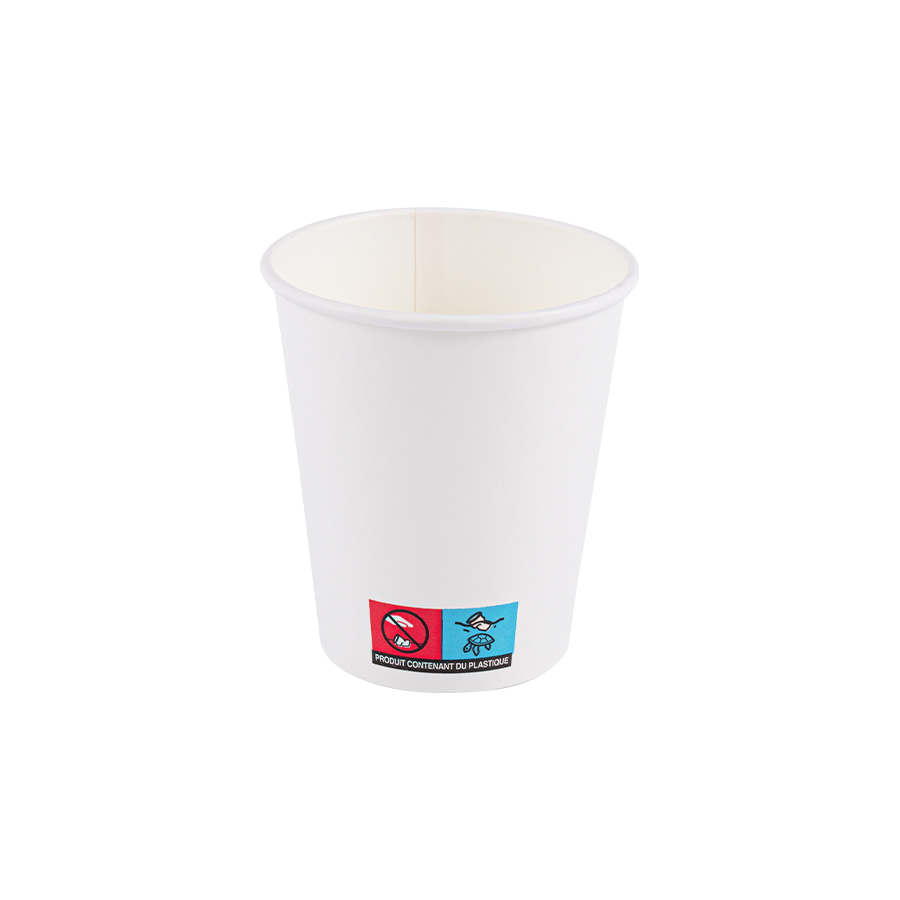
7.5oz Disposable Single-Wall Paper Cup for Automatic Vending Cup
-
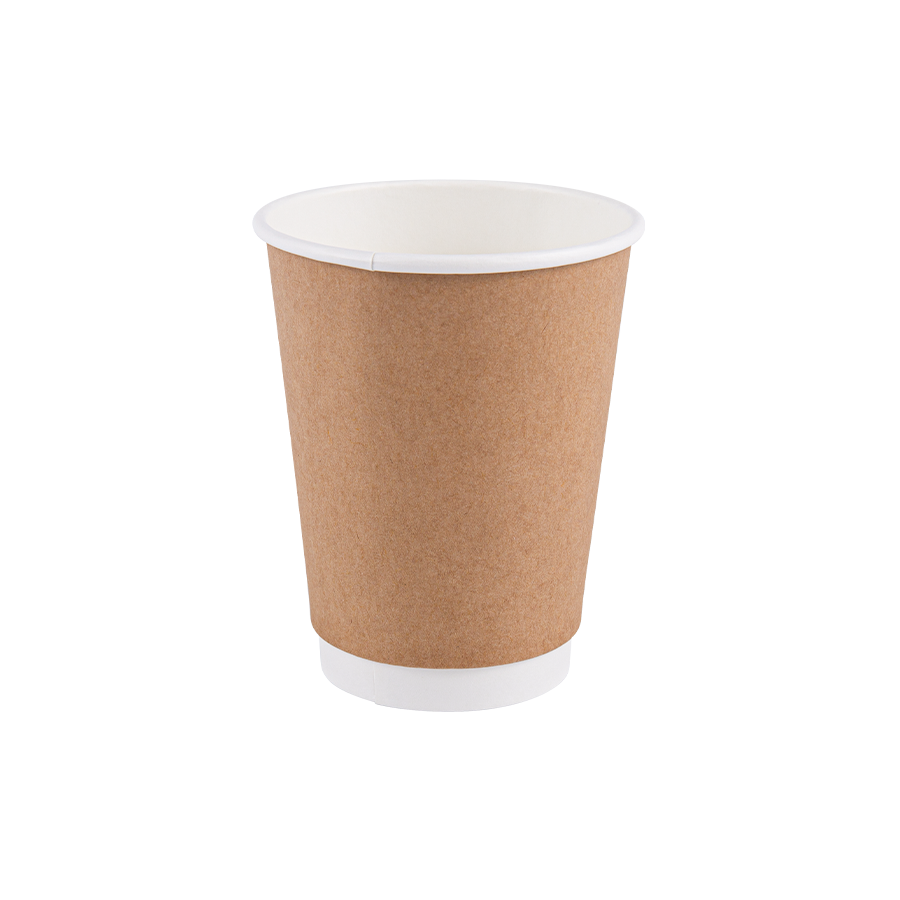
8oz Double-Wall Kraft Paper Cup with Home-Compostable Plastic-Free Coating & Thermal Insulation
-
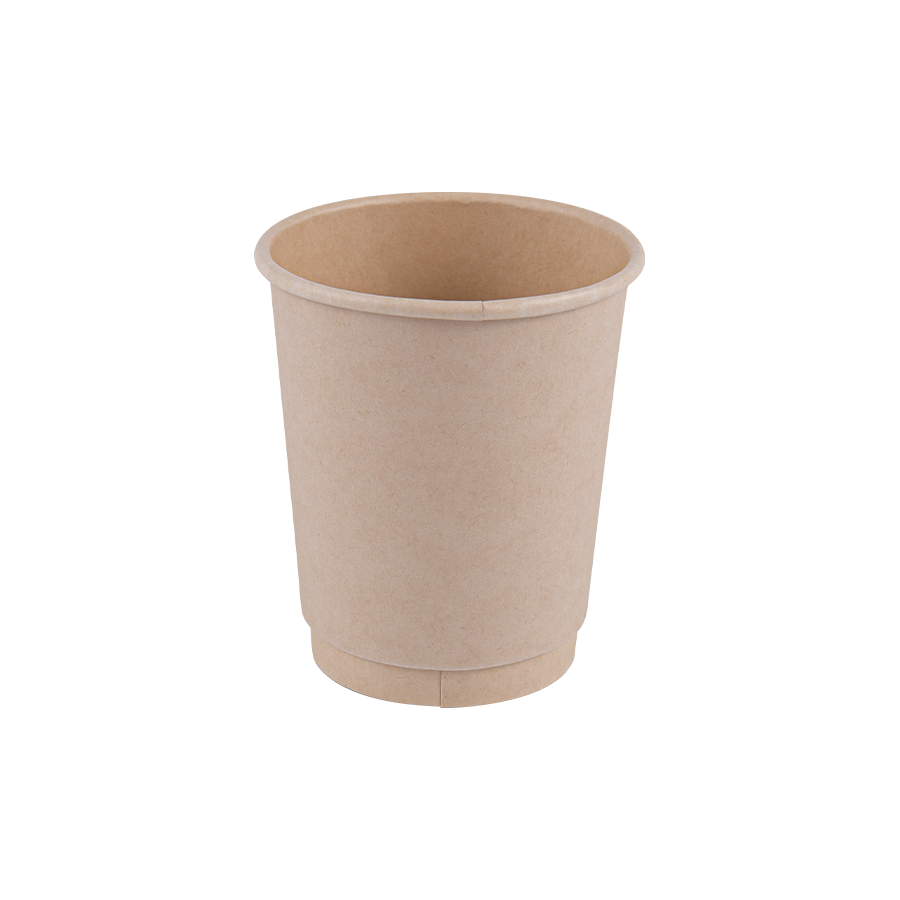
12oz (420ml) Bamboo Pulp Fiber Paper Cup with PLA Coating
-
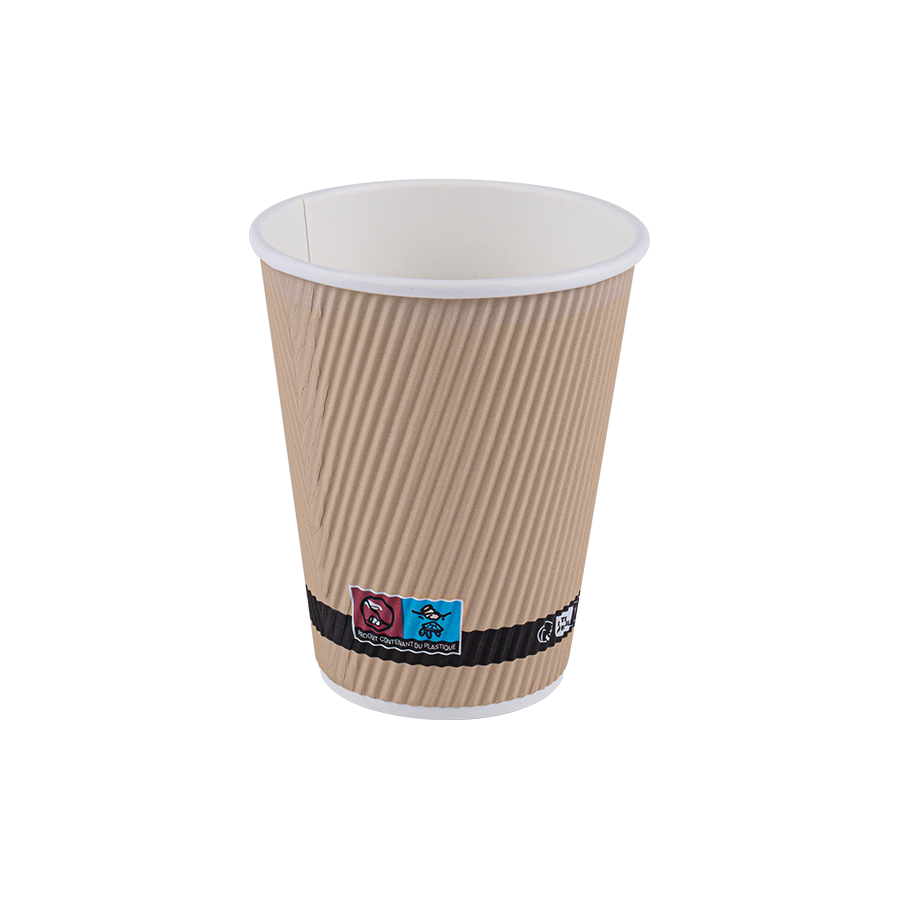
4oz Ripple Wall Paper Cup
-
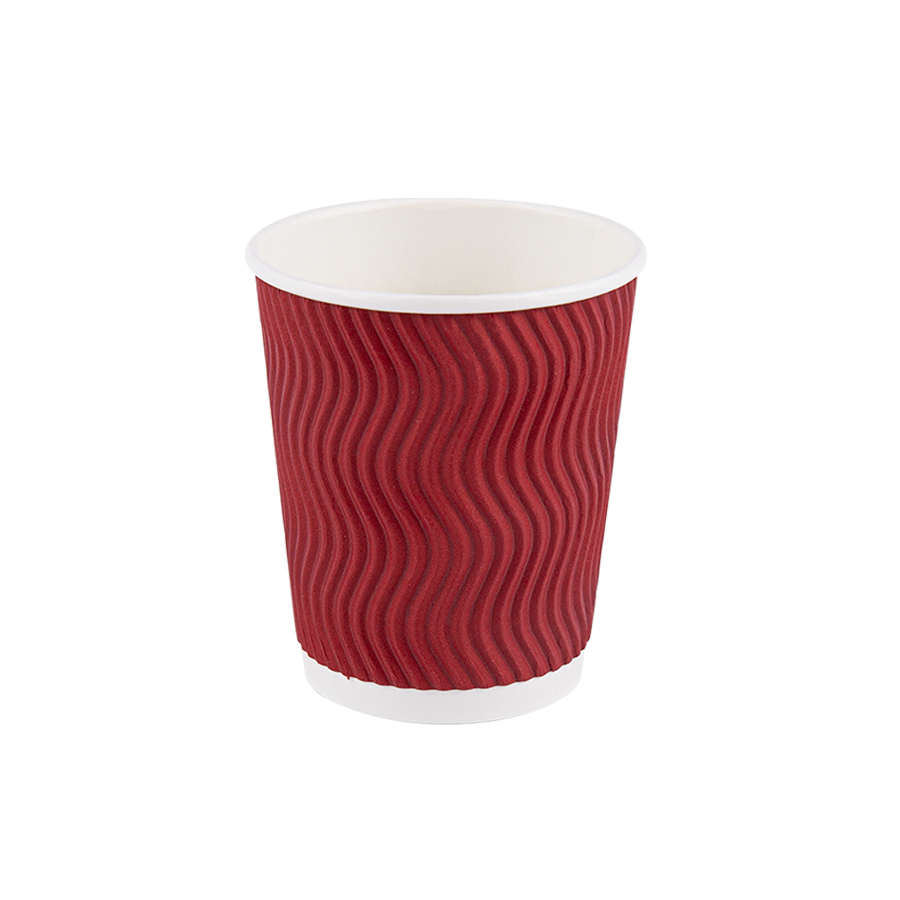
8oz 'S' Ripple Wall Paper Cup

- No. 9 Qilidian Road, Honglan Industrial Park, Lishui District, Nanjing Ctiy. China
- [email protected]
- ( +86 ) - 13327730591
Copyright © 2025 Nanjing smilepacking co., Ltd.
All Rights Reserved.

-
+86-15727116558
