
 English
 中文简体
中文简体 русский
 Español
 عربى
عربى


Dunkin’ Cup Sizes: The Ultimate Guide to Sizes, Capacities, and Pro Tips
Content
- 1 Part 1: What Are the Standard Dunkin’ Single Wall Hot Cup and Cold Drinking Cups Sizes?
- 2 Part 2: A Size-for-Paper Cups Size Comparison: Dunkin’ vs. The Coffee World
- 3 Part 3: Beyond Coffee – The Smoothie & Bubble Tea Drink Blueprint for cups
- 4 Part 4: The Future of Sustainable Packaging: – From Plastic to compostable Paper Packaging
- 5 Part 5: Your Strategic Playbook – Cost, Inventory, and Partnership
How Paper Cup Sizing and Sustainability Are Redefining the Beverage Industry (And Your Next Order)
Introduction: The Cup as Your Business Strategy
If you feel like your beverage business lives or dies by the cup in your hand, you're right. It's the first thing your customer touches, a walking billboard for your brand, and a silent guardian of your profits. Understanding Dunkin' cup sizes and industry-standard paper cup dimensions is like cracking the industry's code. But the real opportunity lies in the two pages the codebook leaves out: the green revolution and cost control. Let's talk about turning this insight into real profit on your balance sheet. For any business owner, procurement manager, or packaging buyer sourcing custom disposable cups, this knowledge is power.
Whether you run a coffee shop, a smoothie chain, a convenience store, or handle bulk packaging procurement, the pressure is the same. Customers want more, regulations are tightening, and choosing between plastic, paper, or "something else" feels like a minefield. It's time to see the cup not as a disposable item, but as a critical strategic tool and a key part of your branded packaging supplies.
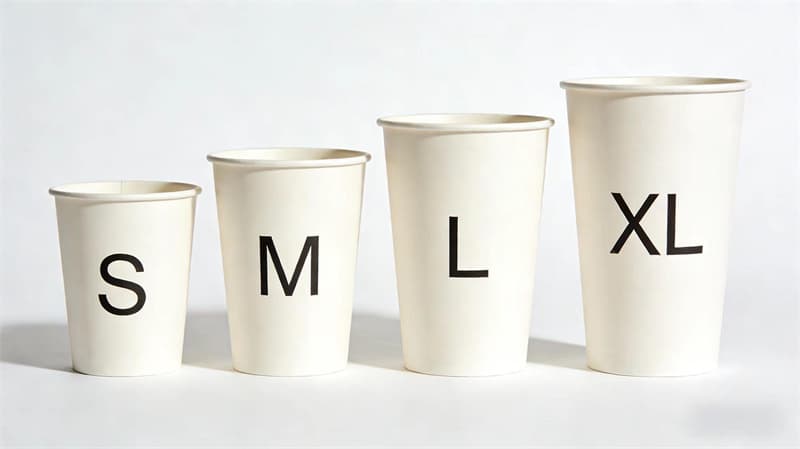
This isn't about copying Dunkin' or Smoothie King. It's about understanding the why behind their choices in custom printed paper cups and wholesale cup sizes, so you can make smarter, more profitable choices for your own brand's foodservice packaging. Let's pull up a chair and break it down.
Part 1: What Are the Standard Dunkin’ Single Wall Hot Cup and Cold Drinking Cups Sizes?
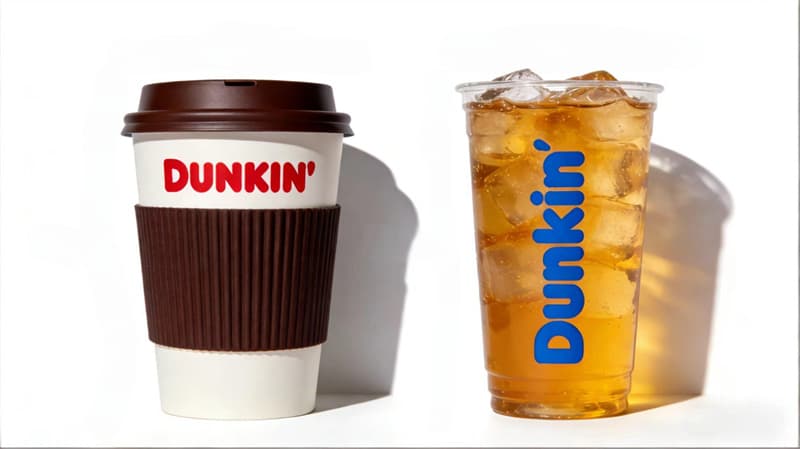
Let's start with commercial cup sizes. It's the foundation of any good business move and essential for planning your paper cup order and packaging inventory.
| Drink Type | Size Name | Capacity (Ounces) | Capacity (Milliliters) | The Logic & Business Sense |
| Hot Drinks (Coffee/Latte) | Small | 10 oz | ~295 ml | The smallest size for a quick caffeine fix. It has the lowest ingredient cost per cup and often the highest margin. Ideal for single-wall paper cups. |
| Medium | 14 oz | ~414 ml | The 14oz paper cups are the most common and popular size, the commuter's favorite. This is the sweet spot for traffic and profit. Your stockpile of printed coffee cups must be deepest here. | |
| Large | 20 oz | ~591 ml | 20oz paper cups are bigger than 16oz but smaller than 24oz, making them a good choice for customers who want more. They are built for the heavy user and directly lift your average sale. A key size for hot drink paper cups. | |
| X-Large | 24 oz | ~710 ml | 24oz hot cups are the biggest size of hot drinks. They scream "big value" and help build customer loyalty. Perfect for large-format disposable cups. | |
| Cold Drinks (Iced Coffee/Cold Brew) | Small | 16 oz | ~473 ml | The Iced Entry Ticket: Already bigger than a hot large. It needs room for ice (about 1/3 of the space) so the actual drink amount feels right. A popular choice for cold drink paper cups. |
| Medium | 24 oz | ~710 ml | The Absolute Star: The same size as a hot X-Large. It creates a powerful perception of value and a superior deal for the customer, which is key to driving repeat purchases and building loyalty. A top-selling iced coffee cup. | |
| Large | 32 oz | ~946 ml | The Experience Maker: For all-day sipping or beating the summer heat. It maximizes customer satisfaction. The king of large cold cups and takeaway cups. |
Here's the kicker: Don't let the names fool you! A "Medium" means two completely different things for hot and cold in paper cup sizing. Your inventory brain needs to think in ounces (oz), not just "S-M-L," especially when managing cup and lid combos.
The Takeaway for Your Business:
Your size lineup and choice of paper cup supplier aren't arbitrary. Each size should serve a specific customer profile and business goal. Are you driving trial? Protecting margin? Maximizing ATV? Your cups—your custom printed paper cups and stock paper cups—are your frontline soldiers in that battle.
Part 2: A Size-for-Paper Cups Size Comparison: Dunkin’ vs. The Coffee World
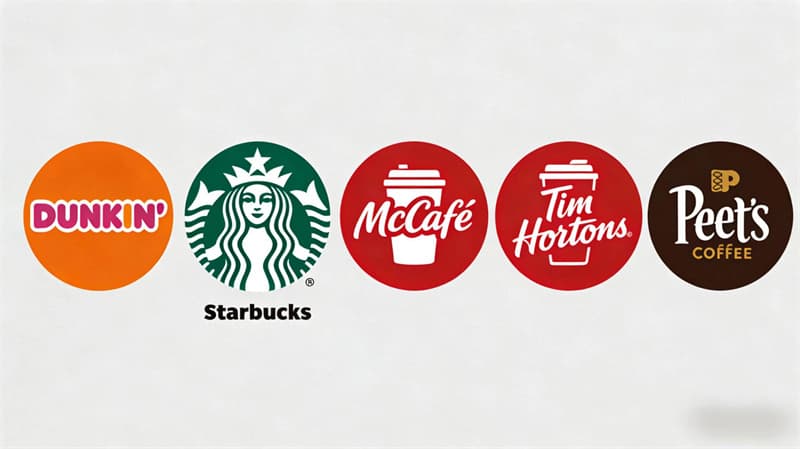
Understanding cup sizes and paper cup specifications across different chains isn't just trivia—it's a direct window into each brand's strategy and a cheat sheet for your own packaging solutions. For businesses comparing wholesale paper cup prices and OEM cup manufacturing, this knowledge is crucial to see where you fit in the market.
Let's see how Dunkin' stacks up.
Dunkin’ vs. Starbucks: A Tale of Two Philosophies
This is the classic showdown. Starbucks uses unique names (Tall, Grande, Venti) to create a distinct experience, while Dunkin' keeps it simple with Small, Medium, Large. The real difference is in the ounces and their approach to branded cup design.
Hot Beverage Showdown:
| Brand | Small / Entry | Medium / Core | Large / Premium | Extra-Large |
| Dunkin' | 10 oz (Small) | 14 oz (Medium) | 20 oz (Large) | 24 oz (X-Large) |
| Starbucks | 12 oz (Tall) | 16 oz (Grande) | 20 oz (Venti) | — |
The Takeaway: Starbucks starts stronger, with its smallest hot size being larger. However, Dunkin' wins on the top end for hot drinks, offering a substantial 24 oz option for those who want the most volume, often served in a 24oz paper hot cup. They meet squarely at the 20 oz "Large/Venti" mark, a common paper coffee cup size.
Iced Beverage Showdown:
| Brand | Small | Medium | Large | Extra-Large / Max |
| Dunkin' | 16 oz (Small) | 24 oz (Medium) | 32 oz (Large) | — |
| Starbucks | 12 oz (Tall) | 16 oz (Grande) | 24 oz (Venti) | 30 oz (Trenta) |
The Takeaway: Here, Dunkin' plays the value card aggressively. Its "Small" iced is the same as a Starbucks "Grande," and its 32 oz "Large" actually surpasses Starbucks' largest 30 oz "Trenta." This makes Dunkin' a powerful choice for the customer looking for the most iced coffee for their money, highlighting the importance of large-size paper cup offerings in your paper cup catalog.
Dunkin’ vs. McCafé & Peet’s Coffee: The Volume Game
Comparing to McCafé and Peet’s Coffee reveals a common pattern among brands that compete on accessibility and quality, all requiring reliable paper cup manufacturers.
Hot Drink Comparison:
| Brand | Small | Medium | Large | Extra-Large |
| Dunkin' | 10 oz | 14 oz | 20 oz | 24 oz |
| McCafé (McDonald's) | 12 oz | 16 oz | 20 oz | — |
| Peet’s Coffee | 12 oz | 16 oz | 20 oz | — |
The Takeaway: Both McCafé and Peet's offer a more generous starting point for their small and medium hot drinks compared to Dunkin'. All three brands converge at the 20 oz Large, a universal food service cup size. Dunkin’s key differentiator remains its 24 oz Extra-Large, catering to the segment that prioritizes maximum volume above all else—a niche served by specialized extra-large disposable cups.
Dunkin’ vs. Tim Hortons: A Harmonized Standard
This comparison shows remarkable alignment in industry standard sizes, highlighting a standardized expectation in the North American market for paper cup wholesalers.
Hot Drink Comparison:
| Brand | Small | Medium | Large | Extra-Large |
| Dunkin' | 10 oz | 14 oz | 20 oz | 24 oz (X-Large) |
| Tim Hortons | 10 oz | 14 oz | 20 oz | ~24 oz (X-Large) |
The Takeaway: For standard hot coffee, Dunkin' and Tim Hortons are nearly identical. This creates a seamless experience for customers and shows a harmonized approach to serving sizes, which simplifies bulk paper cup purchasing and inventory management for chains and their paper cup vendors.
What This Means for Your Business
These comparisons aren't just about ounces. They reveal strategic positioning crucial for your packaging strategy:
Dunkin' & Value: Uses larger sizes to own the "more for your money" position, requiring durable high-volume paper cups.
Starbucks & Experience: Uses unique naming, influencing custom cup printing and design.
The Middle Ground: Brands compete on perceived generosity at entry-level sizes.
Market Standards: Alignment shows widely accepted ranges, informing your paper cup product line.
As a cup manufacturer or packaging buyer, this intelligence is gold. It allows you to advise on or choose not just a size, but a strategic packaging solution. Are they competing on value (needing cost-effective bulk cups)? Crafting a premium experience (needing high-quality printed cups)? You can now make data-driven decisions that align with brand positioning.
Part 3: Beyond Coffee – The Smoothie & Bubble Tea Drink Blueprint for cups
The beverage landscape and its demand for specialty paper cups extend far beyond coffee. To understand the demands of other major segments, we can look to industry leaders like Smoothie King. Historically, they relied heavily on plastic cups for strength.
However, the market is undergoing a decisive shift. Driven by consumer demand for sustainability and stringent new regulations like the EU's Plastic Tax, the industry is rapidly moving away from traditional plastics. The future lies in high-performance, eco-friendly paper cup alternatives, with paper cups—especially those using advanced, plant-based linings like PLA coating—emerging as the leading sustainable solution that doesn't compromise on functionality for smoothie cups or bubble tea cups.
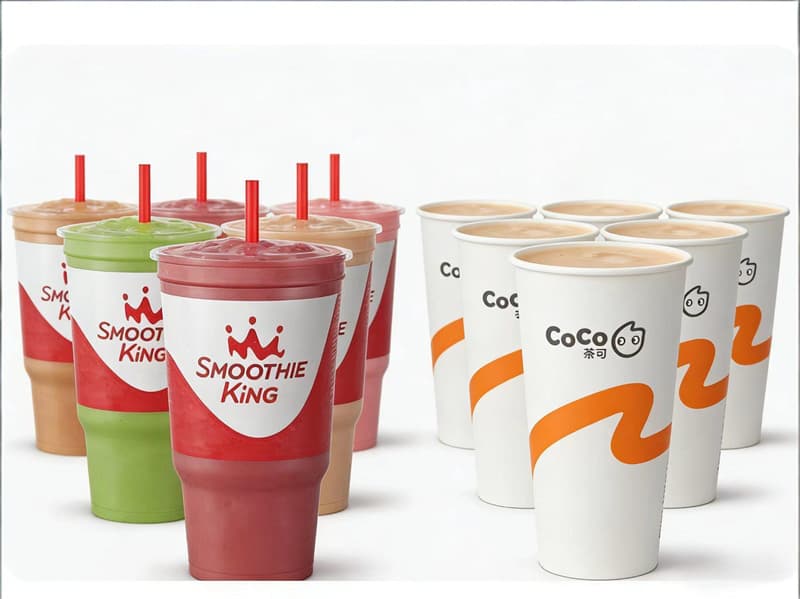
Smoothie King's sizing directly reflects its product mission:
12 oz (Snack): The core size for small-volume cold drinking, also good for kids. A common small paper cup size.
32 oz (The Classic): Another core size—a full meal in a cup. The container here is critical: it must be a sturdy, leak-proof, condensation-resistant tank capable of handling dense blends—a true test for heavy-duty paper cups.
44 oz (The biggest size): A brand statement of abundance.
The 12oz and 32oz are the most popular sizes for this brand. For smoothies, shops often offer both small and big sizes to meet different customer requests. Your packaging must be engineered for your product's specific physical demands—its viscosity, temperature, and intended use case. This is where partnering with a paper cup factory that understands product-fit is key.
In the North American market, popular sizes for cold drinking are 12oz, 16oz, 22oz, 24oz, 32oz and 44oz paper cups. Many smoothie stores and milkshake stores still use plastic cups. But the trend is clear: plastic will be banned step by step, and the focus will shift to eco-friendly compostable paper cups or other more environmentally friendly options like sugarcane fiber cups or PLA lined paper cups.
Case in Point: The Bubble Tea Revolution & CoCo’s Sizing Strategy
We've talked about coffee and smoothies. But there's another huge player in the game: bubble tea. We can't ignore them and their unique need for boba tea cups.
Take CoCo. Their key sizes are 16oz (standard) and 22oz (large). The 16oz is the perfect, satisfying portion. The 22oz is a value play—more drink for a little more money.
It's smart, just like Dunkin's sizing, and defines their paper cup size offerings.
But there's a bigger story. For years, bubble tea lived in plastic cups. They were clear, tough, and cheap, perfect for showing off the drink.
The Plastic Era is Over
That's changing for good. Driven by consumer demand and laws like China's 2020 plastic ban, brands like CoCo are switching fast to paper-based packaging.
Today's Solution: Paper That Works
Now, the goal isn't just to replace plastic. It's to find paper cups that actually work. For a 22oz boba tea, that means cups that are:
Strong & Leak-Proof (for shaking and heavy toppings) – requiring double-walled paper cups or reinforced paper cups.
Made with Advanced Materials (like PLA linings that are compostable) – i.e., compostable paper cups.
Your Takeaway
CoCo's story is the same as smoothies and coffee. Moving to paper is a universal rule, not a trend. No matter what you sell, you now need packaging that is:
Functionally Tough (leakproof paper cups)
Truly Sustainable (biodegradable paper cups)
Brand-Enhancing (custom branded paper cups)
This is where the opportunity lies: providing next-generation paper cups that match or exceed the performance of the plastic cups they replace, while aligning with the irreversible global trend towards sustainable packaging. This is the core of modern paper cup manufacturing.
Part 4: The Future of Sustainable Packaging: – From Plastic to compostable Paper Packaging
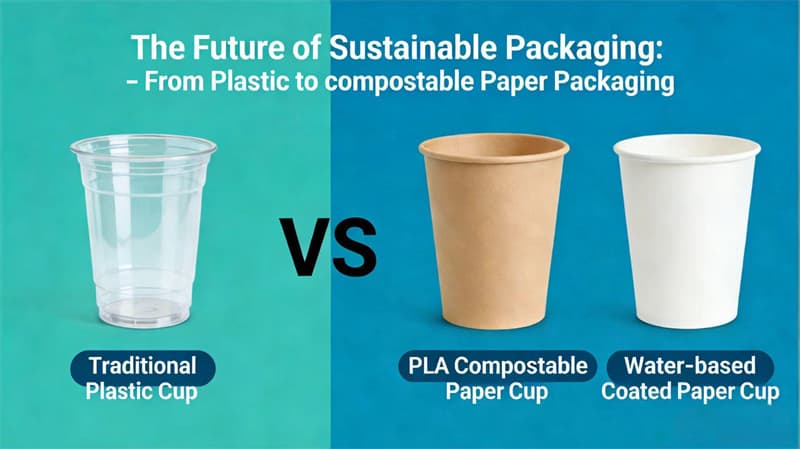
This brings us to the billion-dollar question for packaging sourcing: what should that cup be made of? For years, the default was plastic.
That era is over.
The shift isn't just trending; it's being enforced. The EU's Plastic Tax and new Packaging Waste Regulations (PPWR) are making traditional, hard-to-recycle plastics a financial liability. Consumers are voting with their wallets against brands that appear wasteful.
But the alternative can't suck. The goal isn't just to replace plastic. It's to find a better performing, sustainable successor in the disposable cup market.
This is the gap in the market. Brands need a cup that:
Performs: Has structural integrity; features leak-proof seals; offers insulation. Think insulated paper cups for hot or coated paper cups for cold.
Complies: Uses certified, truly sustainable materials (like PLA or other bio-based linings) that meet regulations. This means sourcing from a certified paper cup supplier.
Elevates: Looks premium, prints beautifully (high-quality cup printing), and actively tells the brand's sustainability story.
Part 5: Your Strategic Playbook – Cost, Inventory, and Partnership
So, how do you turn this insight into action for your paper cup procurement?
1. The "Hidden Math" of Cup Sizing & Cost
You can't calculate exact drink cost without recipe software, but you can master the logic. Larger sizes have a better cost-per-ounce for ingredients but a higher absolute cost. The profit sweet spot is usually the Medium (or its equivalent).
Actionable Tip: Ensure the price jump from Medium to Large is strategic to encourage upgrade while protecting margin on your most popular size, affecting your paper cup price list decisions.
2. Mastering Inventory: The 70/20/10 Rule
Running out of your main cup is a disaster. Overstocking niche sizes ties up cash.
70% of Your Order: Your "Hero" Size. The cup 7 out of 10 customers ask for. Never run out.
20%: Your "Supporting" Size. The other common choice.
10%: Your "Niche" Size.
For cold drinking, the most popular sizes are often 12oz, 16oz, 24oz, 32oz and 44oz paper cups. They are often sold as paper cups with lids and straws together—a complete paper cup set. This rule is vital for cup inventory management.
3. Choosing a Partner, Not Just a Vendor
This is the most critical decision. When evaluating a paper cup supplier or paper cup factory in China, move beyond price-per-unit. You need a solutions partner. Ask these questions:
1)"Can you engineer a cup that won't fail?" (They should talk about double walls, reinforced bases.)
2)"What certifications do your bio-based cups carry for export compliance?"
3)"Can you ensure supply chain reliability and support custom paper cup design?"
Conclusion: The Cup as Your Competitive Edge
Let's be clear: the future belongs to brands that see packaging as an integrated component of their strategy.
The journey from Dunkin's precise sizing to Smoothie King's robust vessels maps out the opportunity. Your cup is the last piece of your product a customer experiences.
We built our business to be the partner for this new era. Our Smile packaging is Chinese paper cups factory supplier and we don't just sell cups; we provide performance-engineered, sustainably-advanced, brand-ready disposable paper packaging solutions such as disposable coffee paper cups, paper bags, paper straws and PLA straws.
We help you navigate sizing strategy, shoulder compliance, and deliver quality.
Let's talk. We're here to build that future with you, one smart, sustainable paper cup at a time. Contact your paper cup factory supplier today for a quote
LATEST POST
Let’s create something amazing together
contact usFeatured Products
-

16oz(500ml)PLA Biodegradable Single-Wall Paper Cup
-
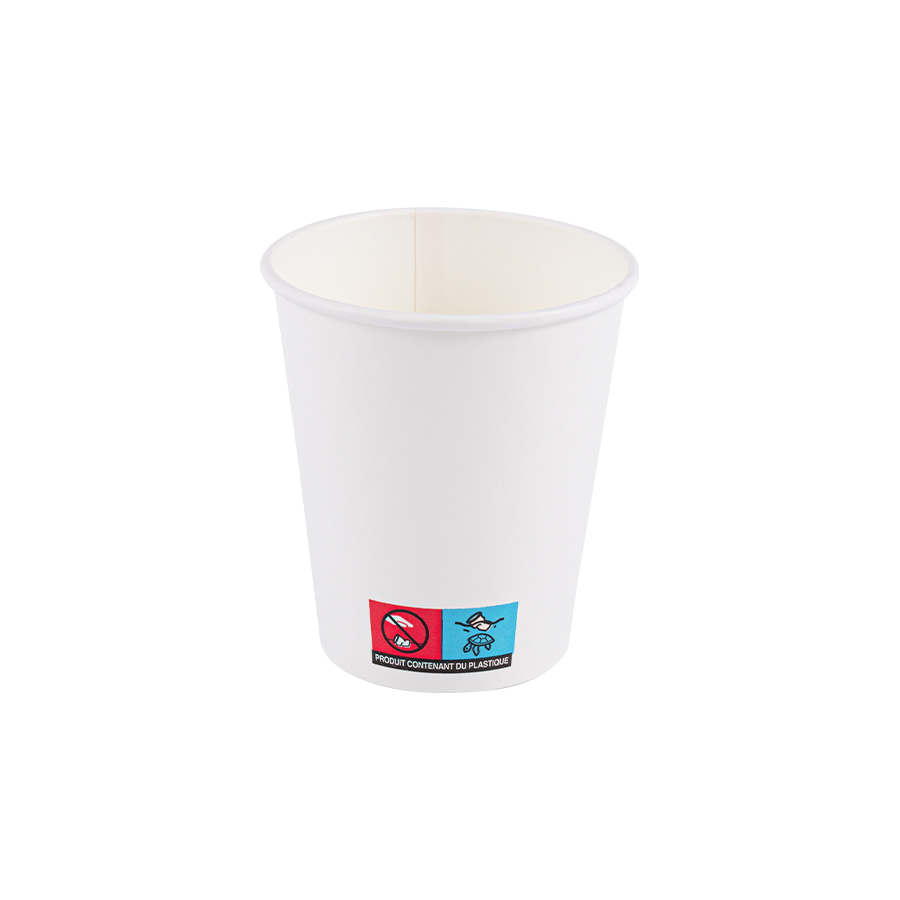
7.5oz Disposable Single-Wall Paper Cup for Automatic Vending Cup
-
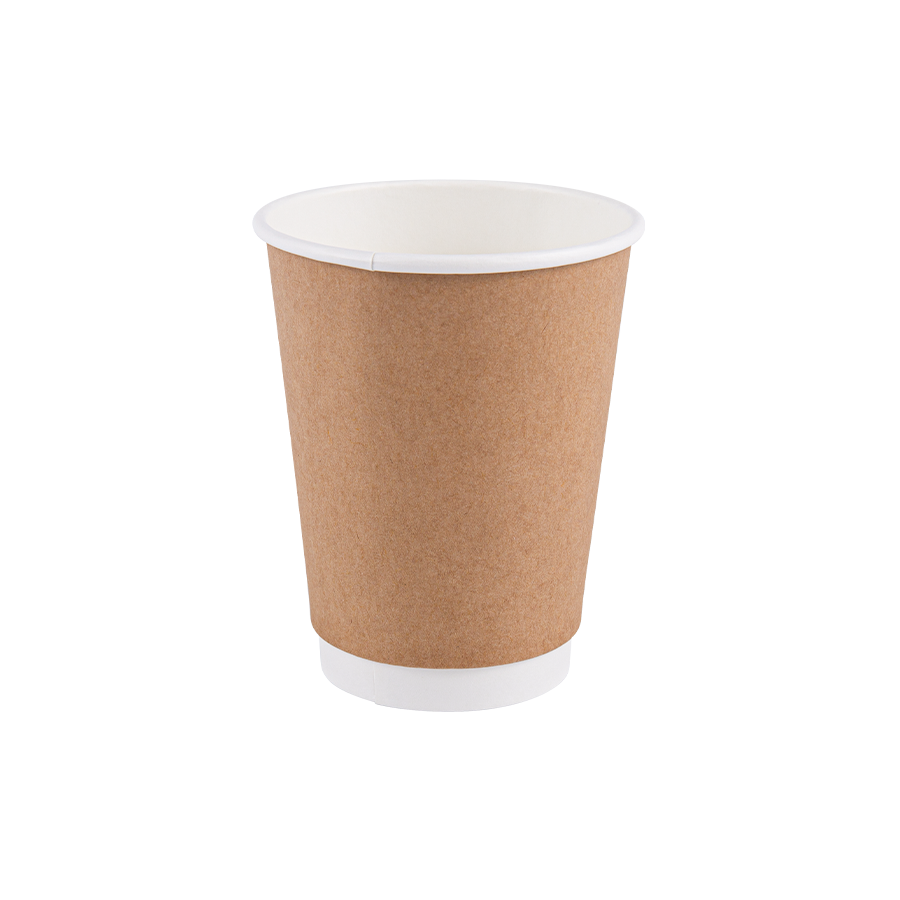
8oz Double-Wall Kraft Paper Cup with Home-Compostable Plastic-Free Coating & Thermal Insulation
-
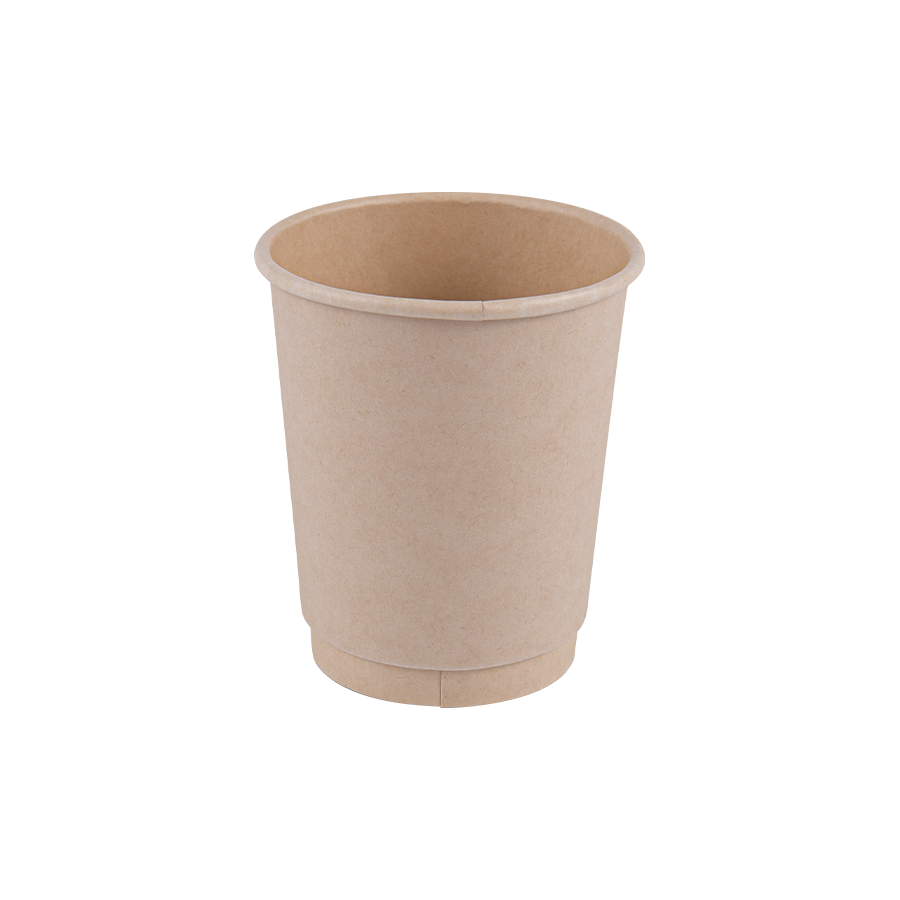
12oz (420ml) Bamboo Pulp Fiber Paper Cup with PLA Coating
-
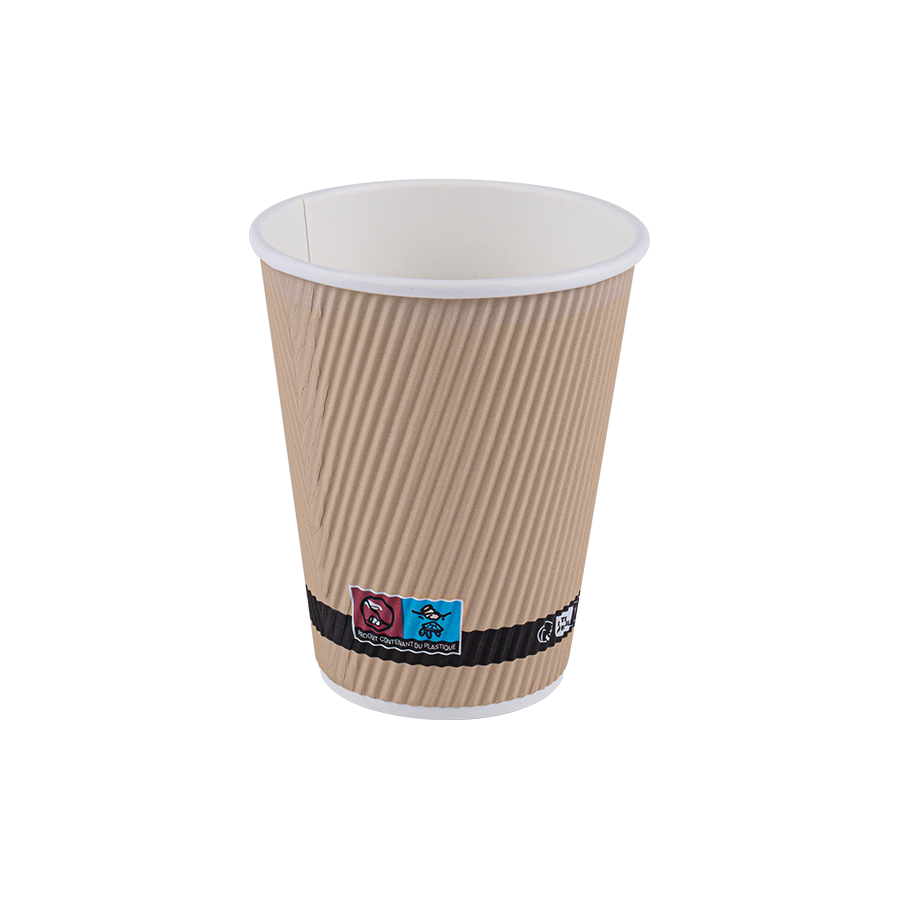
4oz Ripple Wall Paper Cup
-
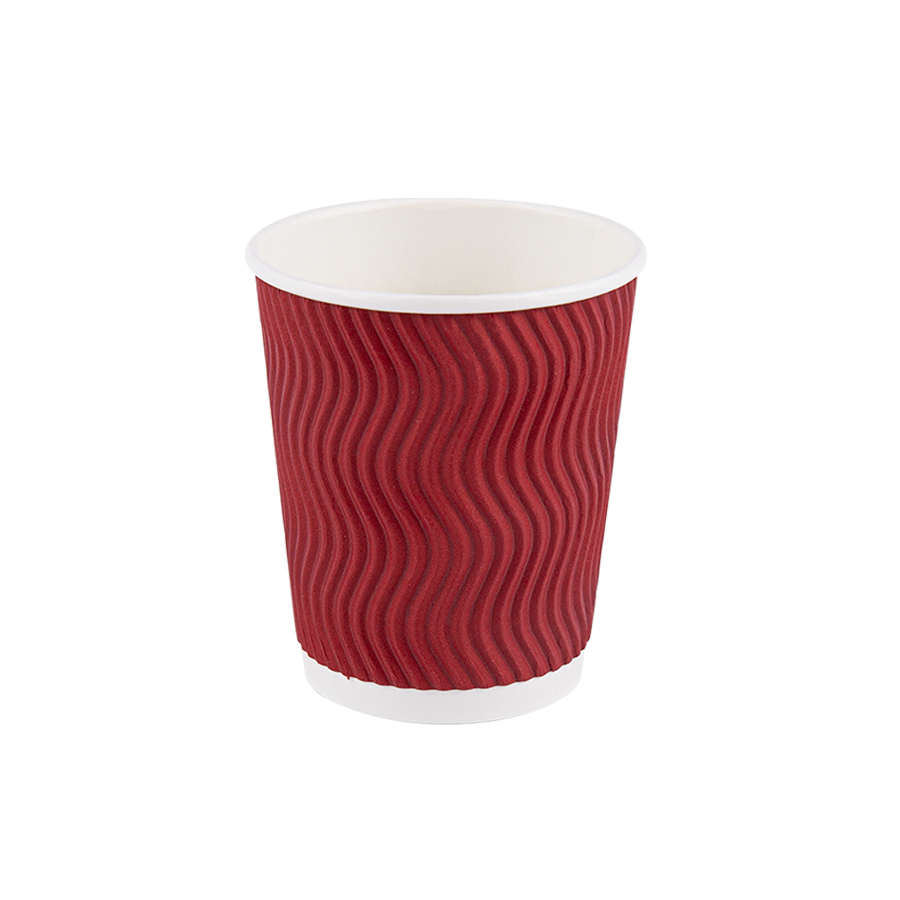
8oz 'S' Ripple Wall Paper Cup

- No. 9 Qilidian Road, Honglan Industrial Park, Lishui District, Nanjing Ctiy. China
- [email protected]
- ( +86 ) - 13327730591
Copyright © 2025 Nanjing smilepacking co., Ltd.
All Rights Reserved.

-
+86-15727116558
