
 English
 中文简体
中文简体 русский
 Español
 عربى
عربى


Double Wall Paper Coffee Cups Wholesale: What Every Buyer Needs to Know Before Ordering
Content
- 1 What Are Double Wall Paper Coffee Cups and How Do They Work?
- 2 Double Wall vs. Single Wall vs. Ripple Wall: Choosing the Right Cup
- 3 Standard Sizes Available in Wholesale Double Wall Paper Cups
- 4 Material and Lining Options: PE, PLA, and Aqueous Coatings
- 5 Custom Printing on Wholesale Double Wall Cups: What to Know
- 6 Minimum Order Quantities and Pricing Structure for Wholesale Buyers
- 7 Key Certifications and Compliance Standards to Check
- 8 Finding and Evaluating Reliable Wholesale Suppliers
What Are Double Wall Paper Coffee Cups and How Do They Work?
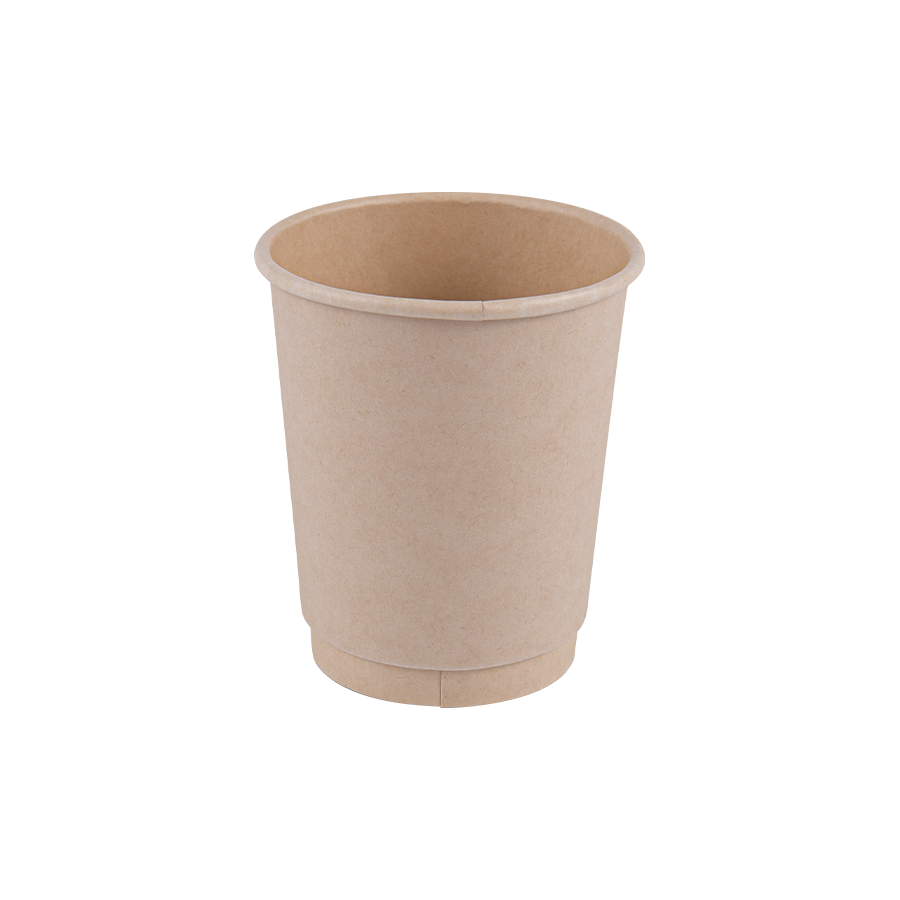
Double wall paper coffee cups are hot beverage cups constructed from two separate layers of paperboard bonded together with a small air gap between them. This air gap acts as a thermal insulation barrier, slowing the transfer of heat from the hot liquid inside the cup to the outer surface that the customer holds. The result is a cup that remains comfortable to hold without a separate cardboard sleeve, even when filled with coffee, tea, or other hot beverages at serving temperatures of 70–85°C. The double wall construction also slows the rate at which the beverage loses heat to the environment, keeping drinks warmer for longer compared to single wall alternatives.
The structural composition of a standard double wall cup consists of an inner wall made from food-grade paperboard coated on its interior surface with a thin layer of polyethylene (PE) or polylactic acid (PLA), which provides a moisture barrier preventing the paper from becoming saturated by the hot liquid. The outer wall is a separate layer of paperboard — typically with a slightly lighter grammage than the inner wall — that is wrapped around the inner cup body during manufacture. The two layers are bonded at the rim and base but maintain separation along the body sidewall, preserving the insulating air pocket. The base of the cup is a separate die-cut disc crimped into the inner wall to form a leak-proof bottom.
Double Wall vs. Single Wall vs. Ripple Wall: Choosing the Right Cup
Buyers purchasing coffee cups wholesale frequently compare double wall cups against single wall and ripple wall alternatives. Each construction has distinct performance and cost characteristics that suit different service environments and customer experience goals. Understanding these differences before committing to a wholesale order prevents costly mismatches between cup specification and operational requirements.
| Cup Type | Insulation Level | Sleeve Needed? | Relative Cost | Best For |
| Single Wall | Low | Yes | Lowest | Budget operations, low-volume events |
| Double Wall | High | No | Medium | Cafés, offices, specialty coffee |
| Ripple Wall | Medium–High | No | Medium | Bakeries, hot chocolate, seasonal drinks |
| Triple Wall | Very High | No | Highest | Premium venues, extremely hot beverages |
For most specialty coffee businesses, cafés, and corporate catering operations, double wall cups represent the optimal balance of insulation performance, customer comfort, and cost per unit. Eliminating the need for a separate sleeve reduces both the material cost and the barista time required to prepare each drink, while the clean exterior surface of the double wall cup provides an ideal canvas for custom printing — a significant advantage over ripple wall cups where the corrugated outer texture limits print quality.
Standard Sizes Available in Wholesale Double Wall Paper Cups
Double wall paper coffee cups are manufactured in a range of standard sizes that correspond to the drink formats served in the coffee industry. When ordering wholesale, it is essential to specify the correct size — or range of sizes — for the drinks on your menu, as cup sizing affects lid compatibility, cup-holder fit, and the visual presentation of the finished beverage.
- 4 oz (120ml): Espresso and macchiato size. Used in specialty coffee service for straight espresso shots and small tasting servings. Compact and elegant, these are frequently used with lids in takeaway espresso service.
- 8 oz (240ml): The standard small or "short" coffee cup size. Suitable for flat whites, small cappuccinos, short lattes, and Americanos. One of the highest-volume sizes in specialty coffee wholesale.
- 12 oz (350ml): Medium or "tall" size, the most universally popular cup size across coffee formats globally. Covers most standard latte, cappuccino, and filter coffee serve sizes and is the single highest-volume SKU for most wholesale coffee cup buyers.
- 16 oz (480ml): Large or "grande" size. Used for large lattes, hot chocolates, chai lattes, and supervened specialty drinks. Increasingly popular as average drink sizes grow in takeaway coffee markets.
- 20 oz (600ml) and 22 oz (660ml): Extra-large sizes used for meal deal coffee programs, large hot chocolates, and high-volume drive-through operations where customers prefer the largest available format.
Lid compatibility is a critical consideration when selecting cup sizes. Most wholesale cup ranges are engineered so that a single lid diameter fits multiple cup sizes within the range — for example, a common 90mm rim lid fitting both 12 oz and 16 oz cups — simplifying stock management. Always verify lid-to-cup compatibility before ordering, as not all suppliers use standardized rim diameters, and mixing cups and lids from different supplier ranges can result in poorly fitting, leaking, or detaching lids that are a safety hazard and a customer experience failure.
Material and Lining Options: PE, PLA, and Aqueous Coatings
The interior lining of a double wall paper coffee cup determines its liquid resistance, food safety compliance, and end-of-life recyclability or compostability. This is an area where wholesale buyers are increasingly scrutinized by their own customers and by local authority regulations, making an informed material choice important beyond simply sourcing the lowest-cost option.
PE (Polyethylene) Lined Cups
The majority of standard double wall paper coffee cups available at wholesale use a thin polyethylene coating on the inner paperboard surface. PE lining provides excellent liquid barrier performance, is chemically stable at hot beverage temperatures, and is cost-effective to apply during manufacture. The practical limitation of PE-lined cups is recyclability: the plastic lining must be separated from the paper fiber for either to be recycled, which requires specialist paper cup recycling facilities. Standard kerbside paper recycling streams cannot process PE-lined cups, meaning they end up in general waste in most regions without access to dedicated cup recycling programs.
PLA (Polylactic Acid) Lined Cups
PLA is a bio-based plastic derived from corn starch or sugarcane that can replace PE as a cup lining. PLA-lined cups are certified compostable under industrial composting conditions (EN 13432 standard), making them suitable for venues with access to commercial composting infrastructure. The important caveat is that PLA requires industrial composting facilities operating at specific temperatures to break down within the certified timeframe — it does not compost effectively in home compost bins or in standard municipal organic waste streams in most regions. PLA cups also have a slightly lower temperature resistance than PE, which should be verified against the maximum serving temperature of your beverages before specifying PLA for wholesale ordering.
Aqueous (Water-Based) Coatings
A growing number of specialty cup manufacturers are developing paper cups with aqueous dispersion coatings — water-based barrier coatings applied to the inner surface that disperse during the pulping process in standard paper recycling, making the cups genuinely recyclable in mainstream paper recycling streams without specialist facilities. These cups carry premium pricing over PE-lined alternatives but are increasingly demanded by brands with sustainability commitments and by operators in regions where cup recyclability is a regulatory or customer expectation requirement.
Custom Printing on Wholesale Double Wall Cups: What to Know
The smooth outer wall of a double wall paper coffee cup is one of its most commercially valuable features — it provides a clean, uninterrupted surface for high-quality custom brand printing. For cafés, coffee chains, corporate catering operations, and event organizers, custom-printed double wall cups transform a functional disposable item into a branded touchpoint that reinforces brand identity with every drink served.
Custom printing on wholesale double wall cups is typically executed by flexographic printing — a high-speed rotary printing process that applies water-based or UV-cured inks to the flat cup blank before it is formed into a cup. Flexographic printing produces vivid, consistent color reproduction across large print runs and is cost-effective at the volumes typical of wholesale custom cup orders. Digital printing is available from some suppliers for shorter runs and for designs with photographic complexity or very high color detail, but at a higher per-unit cost than flexographic production.
- Minimum order quantities for custom printing: Most cup manufacturers require minimum print run quantities of 5,000 to 10,000 cups per size and design for flexographic printing, reflecting the setup cost of printing plates and press configuration. Some suppliers offer lower minimums of 1,000–2,000 cups using digital printing for smaller businesses or seasonal design runs.
- Color limitations and Pantone matching: Flexographic printing typically supports up to 6 colors per print run. Pantone color matching ensures brand color consistency across print runs and is essential for branded cups where logo color accuracy is a brand standards requirement. Always request a printed proof or press approval before authorizing a full production run.
- Artwork preparation requirements: Cup artwork must be supplied as vector files (AI, EPS, or PDF) with all fonts converted to outlines and images embedded at 300 dpi or higher. Artwork must be set up to the supplier's provided cup template, accounting for the conical geometry of the cup blank — designs that appear correctly proportioned on the flat blank will distort slightly when the cup is formed, and experienced cup suppliers provide guidelines for adjusting artwork to compensate.
- Lead times for custom printed wholesale orders: Standard lead times for custom flexographic-printed double wall cup orders range from 4 to 8 weeks from artwork approval to delivery, including plate production, press scheduling, cup manufacturing, and shipping. Peak season ordering — particularly October through December — often extends lead times, so planning custom cup procurement well in advance of major trading periods is essential.
Minimum Order Quantities and Pricing Structure for Wholesale Buyers
Understanding how wholesale pricing and minimum order quantities (MOQs) are structured helps buyers optimize their procurement strategy and avoid over-ordering stock that ties up cash flow and storage space, or under-ordering and losing the per-unit cost benefit of bulk purchasing.
For stock (non-printed) double wall paper coffee cups, most wholesale distributors operate without strict MOQs for standard sizes, selling in case quantities of 25, 50, or 500 cups per carton. Price breaks occur at defined volume thresholds — commonly at 1 carton, 5 cartons, 10 cartons, and pallet quantities — with per-unit costs decreasing significantly at each break point. Buyers with consistent high-volume demand benefit from negotiating forward purchase agreements or blanket orders with their supplier, locking in favorable pricing in exchange for committed volume across a defined period without requiring full upfront payment and immediate delivery of the total quantity.
When comparing wholesale pricing across suppliers, the per-unit cost must be evaluated in the context of total delivered cost — including carriage charges, import duties for overseas-sourced products, and any minimum invoice value requirements — rather than the headline unit price alone. A supplier offering a marginally lower per-cup price but charging significant freight costs may be more expensive than a domestic distributor on a total cost basis, particularly for smaller initial orders.
Key Certifications and Compliance Standards to Check
Double wall paper coffee cups sold for food service use must comply with food contact material regulations applicable in the market where they will be used. Buyers have a legal and reputational responsibility to verify that cups sourced wholesale meet the relevant standards before putting them into service.
- FDA compliance (USA): Cups sold in the United States must use paperboard, coatings, inks, and adhesives that comply with FDA 21 CFR regulations for food contact materials. Reputable wholesale suppliers serving the US market provide documentation confirming FDA compliance for their cup components.
- EU Regulation 10/2011 (Europe): The European framework for plastic materials and articles in contact with food governs the PE and PLA coatings used in paper cups sold within the EU and UK markets. Migration testing documentation should be available from compliant suppliers.
- FSC or PEFC chain of custody certification: For buyers with sustainability commitments or operating under procurement policies that require sustainably sourced paper products, Forest Stewardship Council (FSC) or Programme for the Endorsement of Forest Certification (PEFC) certification on the paperboard used in the cup confirms that the virgin fiber content originates from responsibly managed forests.
- EN 13432 certification for compostable cups: If ordering PLA-lined cups marketed as compostable, verify that the cups carry EN 13432 (Europe) or ASTM D6400 (North America) certification from an accredited third-party certifier such as TÜV Austria or BPI. Self-declared compostability claims without third-party certification are unreliable and may constitute greenwashing under consumer protection regulations in several jurisdictions.
- Food-safe ink certification: For custom-printed cups, confirm that the inks used in the printing process are certified food-safe and comply with the relevant food contact material standards for the cup's market destination. Printing inks applied to the outer surface of food packaging must meet migration limits for components that could transfer through the packaging material to the food contact surface.
Finding and Evaluating Reliable Wholesale Suppliers
The wholesale double wall paper cup market includes a wide range of supplier types — from large national distributors and dedicated cup manufacturers to smaller regional importers and online marketplace sellers. The right supplier type depends on the buyer's order volume, customization requirements, lead time sensitivity, and sustainability priorities.
- Request physical samples before ordering: Always request free samples of the specific cup sizes and specifications you intend to order before placing a wholesale purchase. Evaluate the cup's rigidity, the quality of the inner and outer wall bond, the smoothness of the interior coating, and the performance with your actual beverages at serving temperature. A cup that feels flimsy, shows delamination between the walls, or allows exterior condensation does not meet the standard required for professional food service use.
- Verify compliance documentation: Ask for copies of food contact material compliance documentation, FSC or PEFC chain of custody certificates, and — for compostable cups — EN 13432 or equivalent certification before placing your first order. Reputable suppliers provide this documentation readily; reluctance to share compliance paperwork is a significant warning sign.
- Assess supply reliability and stock availability: For high-volume buyers, supply reliability — the supplier's ability to fulfill repeat orders on time and in full — is often more commercially important than the lowest possible unit price. Ask about the supplier's stock holding policy for your key sizes, their lead time for replenishment orders, and their contingency arrangements for supply disruption.
- Compare total delivered cost, not just unit price: Build a full cost comparison that includes carriage, import duties, minimum order surcharges, and payment terms across at least three suppliers before making a final procurement decision. The lowest headline price does not always translate to the lowest total cost of ownership when all procurement-related expenses are accounted for.
LATEST POST
Let’s create something amazing together
contact usFeatured Products
-

16oz(500ml)PLA Biodegradable Single-Wall Paper Cup
-
7.5oz Disposable Single-Wall Paper Cup for Automatic Vending Cup
-
8oz Double-Wall Kraft Paper Cup with Home-Compostable Plastic-Free Coating & Thermal Insulation
-

12oz (420ml) Bamboo Pulp Fiber Paper Cup with PLA Coating
-
4oz Ripple Wall Paper Cup
-
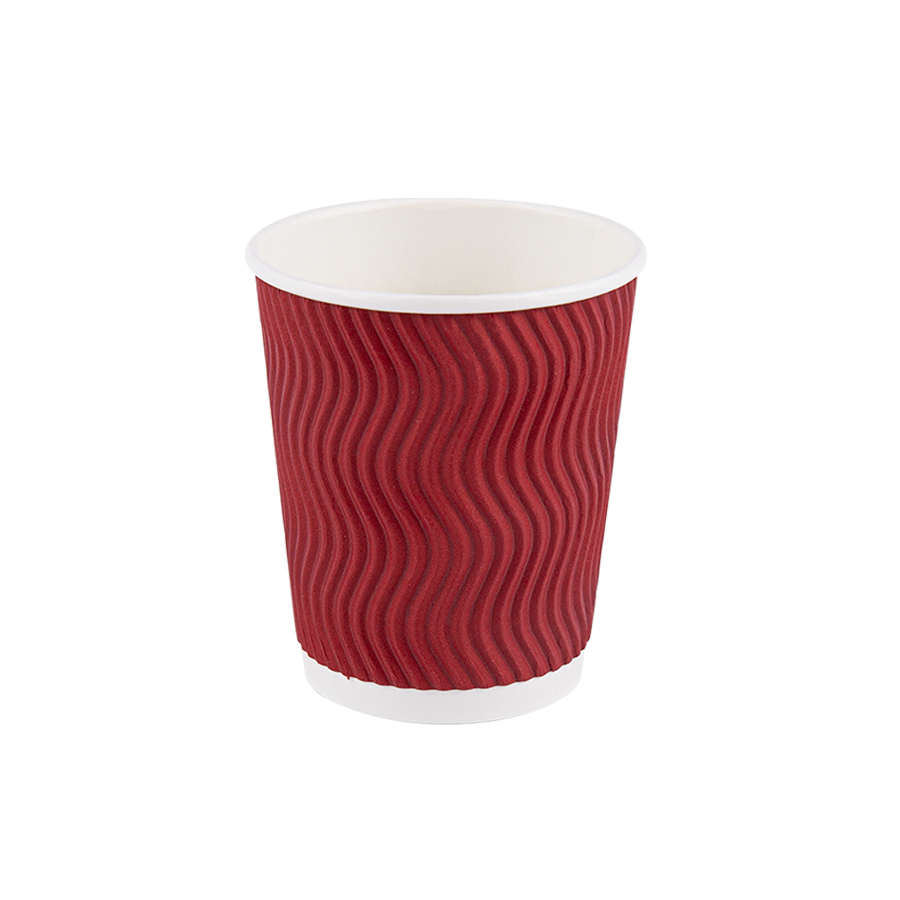
8oz 'S' Ripple Wall Paper Cup

- No. 9 Qilidian Road, Honglan Industrial Park, Lishui District, Nanjing Ctiy. China
- [email protected]
- ( +86 ) - 13327730591
Copyright © 2025 Nanjing smilepacking co., Ltd.
All Rights Reserved.

-
+86-15727116558
