
 English
 中文简体
中文简体 русский
 Español
 عربى
عربى


Do You Know How Many Cups Are in 12 oz and 32 oz for Your Paper Cup Orders?
Content
- 1 The Basic Conversion: How Many Cups Is 12 oz?
- 2 How Many Cups Is 32 Ounces?
- 3 Ounces to Cups: A Quick Reference Conversion Table
- 4 What Are Double Wall Paper Cups and Why Do They Use These Sizes?
- 5 Why the 12 oz Size Is the Most Important in Coffee Service
- 6 The 32 oz Cup in Cold Beverage Service: Practical Considerations
- 7 Choosing the Right Double Wall Paper Cup Size for Your Business
- 8 Using Cup Size Knowledge in Everyday Measurement Situations
Understanding fluid ounces and how they convert to cups is one of those practical questions that comes up constantly — in kitchens, coffee shops, office break rooms, and anywhere drinks are measured and served. Whether you are trying to figure out how many cups is 12 oz for a recipe, working out how many cups is 32 ounces for a large beverage order, or selecting the right double wall paper cup size for your café or catering business, the connection between ounces, cups, and real-world cup sizes is more useful to understand than most people realize. This article addresses the conversion questions directly, places them in the practical context of paper cup sizing, and explains how double wall paper cups use these measurements across the most common serving formats.
The Basic Conversion: How Many Cups Is 12 oz?
The standard US cup measurement is 8 fluid ounces. This is the foundational conversion that all other ounce-to-cup calculations build from. Using this baseline, the calculation for 12 oz is straightforward: 12 divided by 8 equals 1.5 cups. So 12 oz is equal to 1½ cups — one full cup plus half a cup more.
In practical terms, 12 oz is one of the most common serving sizes in the beverage world. A standard tall coffee at a major coffee chain is 12 oz. A typical single-serve juice box for adults is often 12 oz. Many canned beverages — including some craft beers and specialty sodas — come in 12 oz cans. When a recipe calls for 1½ cups of liquid and you are measuring with a liquid measuring cup marked in ounces, filling to the 12 oz line gives you the exact quantity needed. For anyone using double wall paper cups in a food service setting, a 12 oz cup holds precisely 1½ cups of beverage — useful to know when portioning drinks for catering events or calculating how many servings a batch recipe will yield.
How Many Cups Is 32 Ounces?
Applying the same 8 oz per cup conversion, 32 ounces equals exactly 4 cups. This is a clean, whole-number conversion that makes 32 oz a particularly convenient reference point. Four cups is also equal to 2 pints, 1 quart, or approximately 946 milliliters — just under 1 liter.
In the context of beverages and paper cups, 32 oz is a large-format serving size used primarily for cold drinks — fountain sodas, iced teas, smoothies, and cold brew coffee. A 32 oz paper cup holds 4 full measuring cups of liquid, which makes it easy to scale recipes: if a smoothie recipe makes 2 cups (16 oz), a 32 oz cup will hold exactly two servings. For event catering, knowing that a 32 oz cup holds 4 cups means a 1-gallon (128 oz) beverage dispenser will fill exactly four 32 oz cups — a useful calculation when planning how many large cups are needed for a service.
Ounces to Cups: A Quick Reference Conversion Table
For anyone working regularly with beverage measurements, recipe scaling, or paper cup selection, the following conversion table covers the most commonly encountered fluid ounce quantities and their cup equivalents:
| Fluid Ounces (oz) | Cups | Milliliters (approx.) | Common Beverage Context |
| 4 oz | ½ cup | 118 ml | Espresso, small juice, sample cup |
| 8 oz | 1 cup | 237 ml | Short coffee, small hot drink |
| 10 oz | 1¼ cups | 296 ml | Medium hot drink, flat white |
| 12 oz | 1½ cups | 355 ml | Tall coffee, standard latte |
| 16 oz | 2 cups | 473 ml | Grande coffee, large hot drink |
| 20 oz | 2½ cups | 591 ml | Venti coffee, large iced drink |
| 24 oz | 3 cups | 710 ml | Large cold drink, meal deal cup |
| 32 oz | 4 cups | 946 ml | Extra-large cold drink, party cup |
What Are Double Wall Paper Cups and Why Do They Use These Sizes?
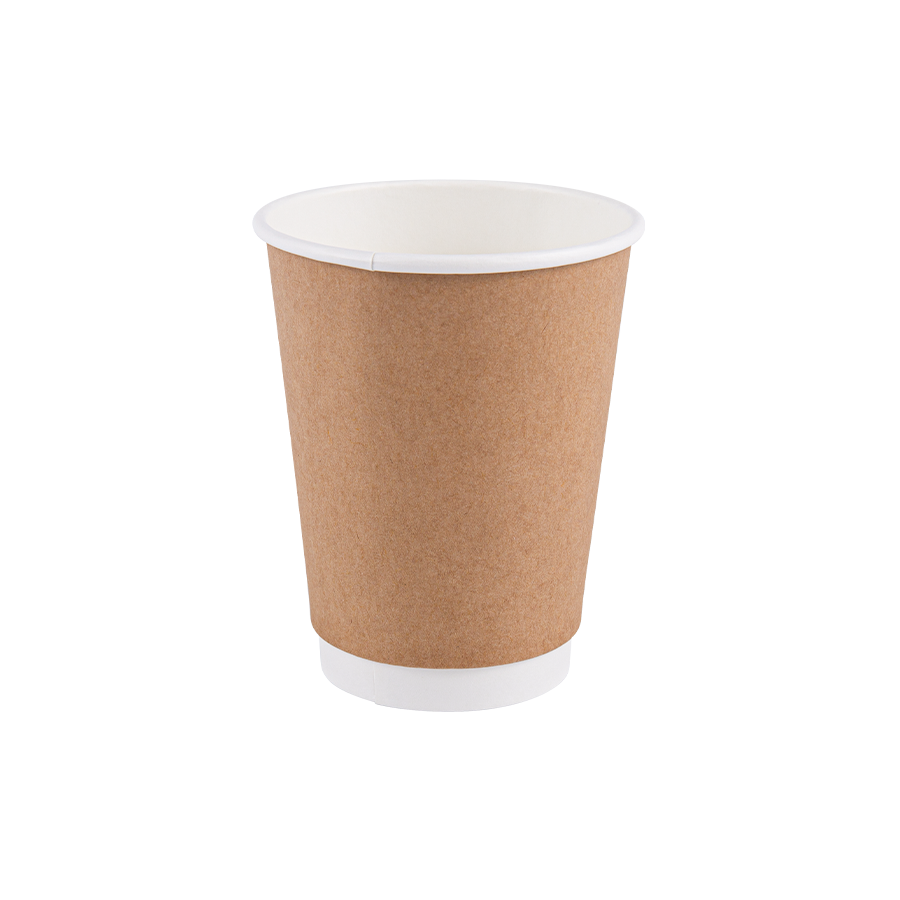
Double wall paper cups are a specific construction of disposable hot beverage cup in which two layers of paperboard are formed concentrically, creating an insulating air gap between the inner and outer walls. This air gap provides thermal insulation that keeps hot drinks hot longer while also protecting the user's hand from the heat of the beverage — eliminating the need for a separate cardboard sleeve on most drinks. Double wall cups are the standard format for quality coffee service in independent cafés, specialty coffee shops, and premium hospitality environments where a sleeve-free, premium-feeling cup experience is desired.
The most common sizes for double wall paper cups align directly with the ounce-to-cup conversions discussed above. An 8 oz double wall cup (1 cup) is used for espresso-based drinks such as flat whites, cortados, and small cappuccinos. A 12 oz double wall cup (1½ cups) is the standard size for a medium latte, cappuccino, or filter coffee. A 16 oz double wall cup (2 cups) serves larger hot drinks including Americanos with extra water, large lattes, and hot chocolates. These three sizes cover the vast majority of hot beverage service needs in a café or coffee shop environment.
Why the 12 oz Size Is the Most Important in Coffee Service
Among all paper cup sizes, 12 oz — equivalent to 1½ cups — occupies a particularly central position in coffee service. It is the size that most café menus describe as their "regular" or "medium" drink, the format around which many espresso recipes are calibrated, and the size that represents the intersection of sufficient volume for a satisfying drink and a manageable amount of milk for achieving good latte art and milk texture. For specialty coffee shops using double wall 12 oz cups, the cup is typically filled with approximately 200–220 ml of prepared drink (leaving headspace to prevent spillage through the lid), which corresponds to a double espresso plus steamed milk in proportions that deliver a well-balanced espresso-to-milk ratio.
From a procurement perspective, 12 oz double wall paper cups represent the highest volume SKU for most coffee businesses — they go through more 12 oz cups per day than any other size. Getting the 12 oz cup specification right — in terms of quality, sleeve compatibility (if used), lid fit, print quality, and sustainability credentials — has a direct impact on both customer experience and operating cost. A poorly fitting lid on a 12 oz cup generates customer complaints and potential liability; a premium double wall cup with excellent branding and a satisfying tactile quality reinforces the perceived value of the beverage it contains.
The 32 oz Cup in Cold Beverage Service: Practical Considerations
While double wall construction is primarily associated with hot beverages, 32 oz paper cups — holding 4 cups of liquid — are primarily used for cold drink service in quick service restaurants, convenience stores, and event catering. Single-wall construction is standard for cold cups because condensation on the exterior of a cold cup is less of a handling problem than heat from a hot cup, and the cost savings of single-wall construction are significant at the volumes that 32 oz cold cups are typically purchased.
For event catering specifically, 32 oz cups occupy a useful functional role as large-format serving vessels for self-serve beverage stations. At a party or corporate event where guests serve themselves from a dispenser, a 32 oz cup allows guests to fill once and refill less frequently — reducing queue formation at the beverage station and decreasing the total number of cups consumed per event. Understanding that 32 oz equals exactly 4 cups makes it straightforward to calculate beverage quantities needed: if each guest is expected to consume approximately 2 cups of a beverage over the course of an event, each 32 oz cup serves two guests' expected consumption, and the number of cups needed is half the guest count.
Choosing the Right Double Wall Paper Cup Size for Your Business
For café owners, caterers, and food service operators selecting double wall paper cups, the size range decision should be guided by the specific drink menu being served rather than defaulting to a standard assortment. The following practical guidance helps align cup size selection with actual service requirements:
- Map your menu to cup sizes before ordering: List every hot drink on your menu and note the volume at which it is served. A flat white served at 160 ml (approximately 5.5 oz) fits comfortably in an 8 oz cup; a large latte served at 350–380 ml (approximately 12–13 oz) requires a 12 oz cup at minimum, or a 16 oz cup if the recipe is adjusted for the larger format. Ordering cups that match your actual recipe volumes reduces waste and the awkward appearance of a cup that is either overfilled or obviously too large for the drink.
- Standardize lid specifications across your size range: Many cup suppliers offer families of cups in which 8 oz, 12 oz, and 16 oz sizes all share the same lid diameter, meaning a single lid SKU covers multiple cup sizes. This simplifies inventory management, reduces storage space requirements, and eliminates the risk of selecting the wrong lid in a busy service environment. Confirm lid compatibility across sizes when placing initial orders.
- Consider print and branding investment at 12 oz priority: If budget allows for only one custom-printed cup size, 12 oz is the highest-priority size for most coffee businesses due to its volume dominance in daily usage. A branded 12 oz double wall cup maximizes brand impression per unit cost because it is the cup most frequently in customers' hands, on tables, and visible in social media photographs of café visits.
- Evaluate sustainability credentials when sourcing: Double wall paper cups use more material than single wall equivalents, and the inner PE or PLA coating required for waterproofing has historically complicated recycling. When sourcing double wall cups, look for products certified by the Sustainable Forestry Initiative (SFI) or Forest Stewardship Council (FSC) for the paperboard, and confirm whether the supplier offers cups with a fully recyclable or compostable lining if environmental performance is a business priority.
Using Cup Size Knowledge in Everyday Measurement Situations
Beyond professional food service, the ounce-to-cup conversions covered in this article are genuinely useful in everyday home and kitchen situations. Knowing that 12 oz equals 1½ cups means that if a recipe calls for 1½ cups of stock and you only have measuring cups (not a liquid measuring pitcher with ounce markings), you can measure one full cup plus a half cup precisely. Conversely, if you have a kitchen scale that measures in ounces and a recipe specifies cups, you can convert with confidence.
The 32 oz to 4 cups conversion is particularly useful when working with larger quantities — making cold brew coffee concentrate, preparing large batches of lemonade, or measuring water for soaking dried legumes. A standard 32 oz wide-mouth jar or container is a common kitchen vessel, and knowing it holds exactly 4 cups makes it a convenient measuring container when a large liquid measuring cup is not available. For anyone who drinks from a 32 oz water bottle as a daily hydration target, understanding that 32 oz equals 4 cups provides an easy mental framework for tracking water intake against the commonly recommended 8 cups (64 oz) per day — two full 32 oz bottles covers the daily recommendation exactly.
LATEST POST
Let’s create something amazing together
contact usFeatured Products
-

16oz(500ml)PLA Biodegradable Single-Wall Paper Cup
-
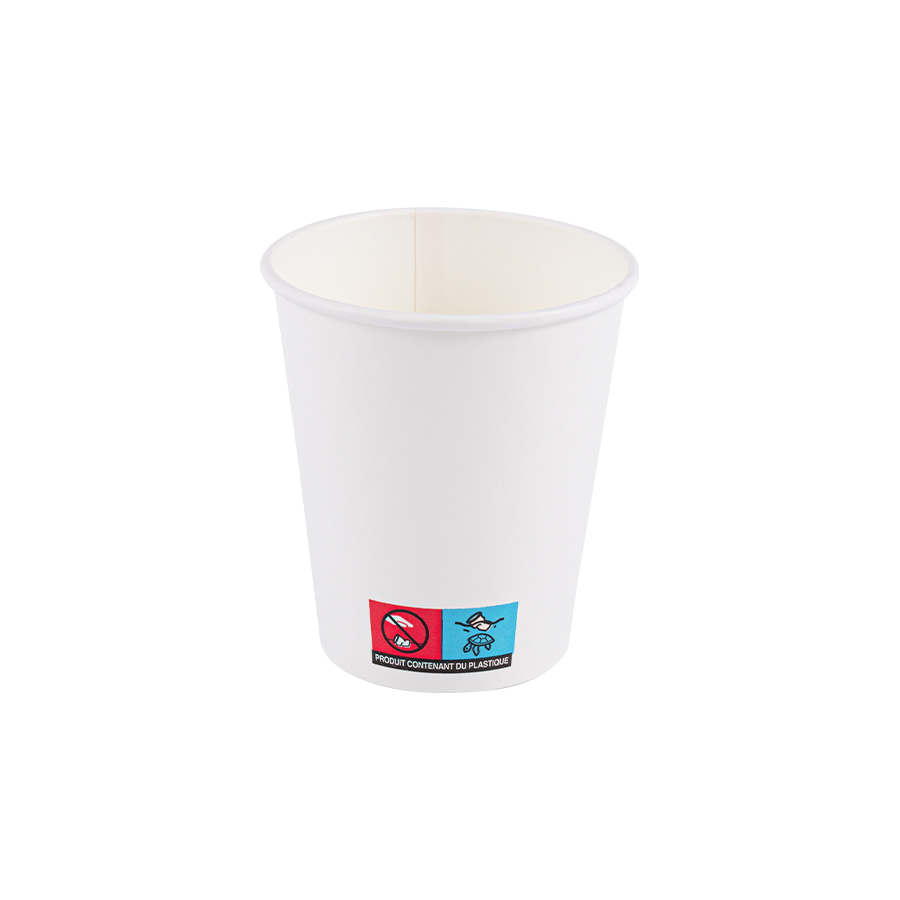
7.5oz Disposable Single-Wall Paper Cup for Automatic Vending Cup
-

8oz Double-Wall Kraft Paper Cup with Home-Compostable Plastic-Free Coating & Thermal Insulation
-
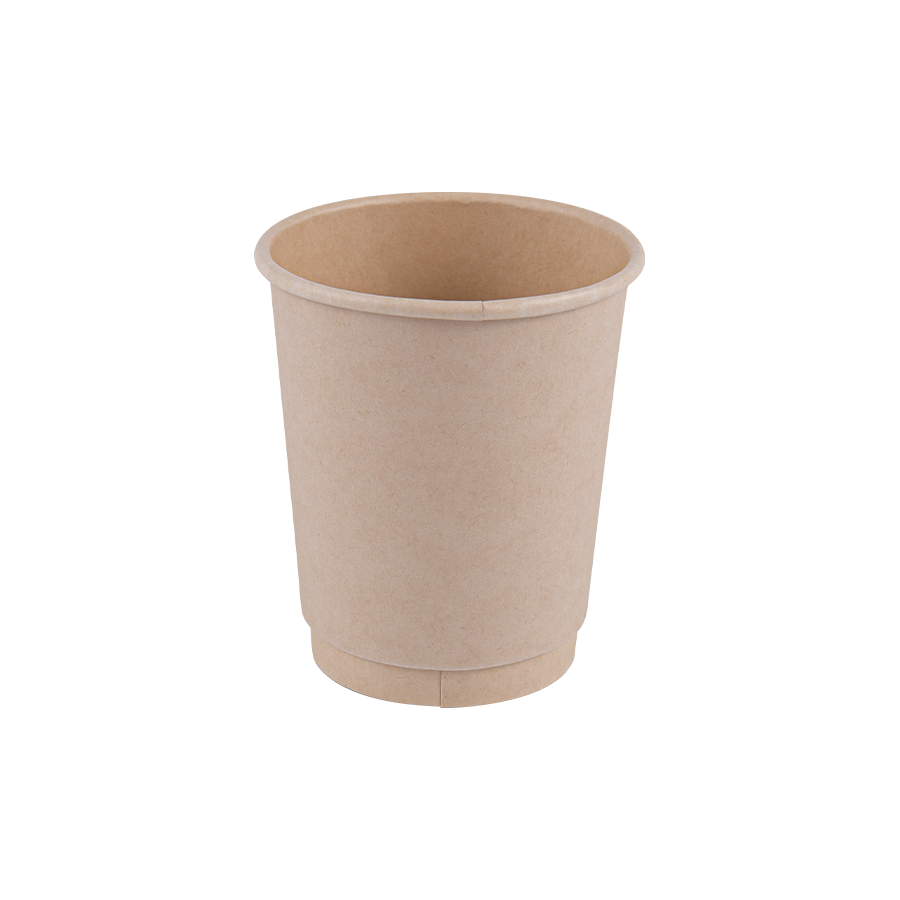
12oz (420ml) Bamboo Pulp Fiber Paper Cup with PLA Coating
-
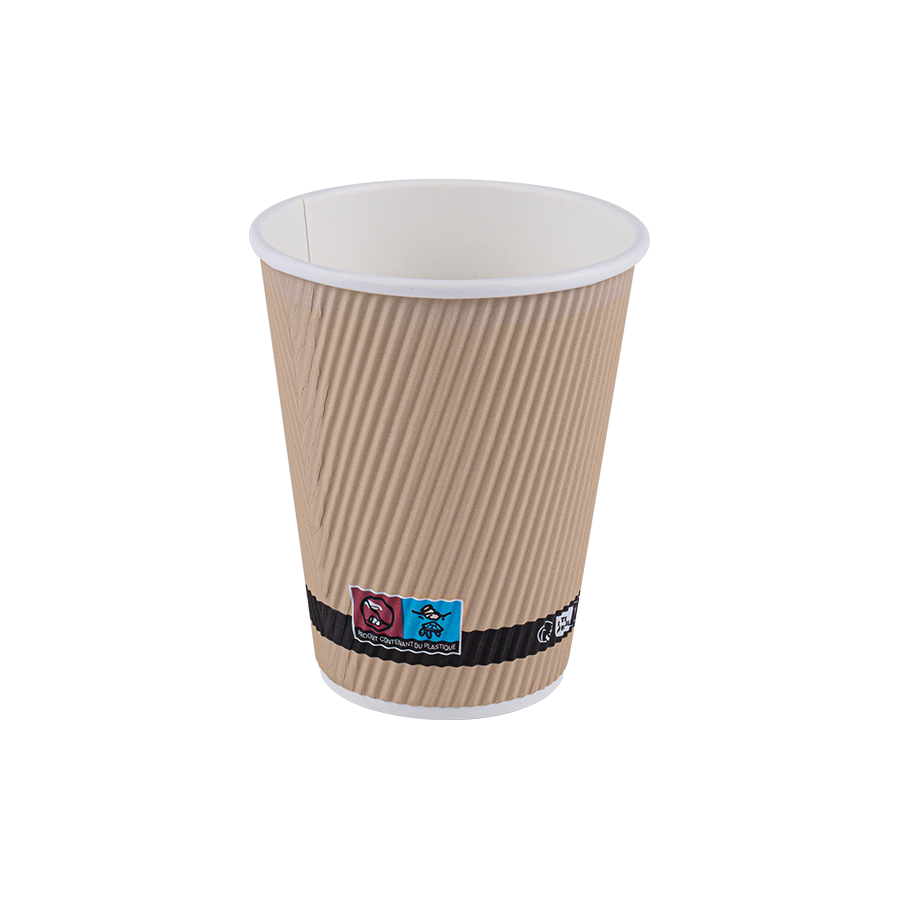
4oz Ripple Wall Paper Cup
-
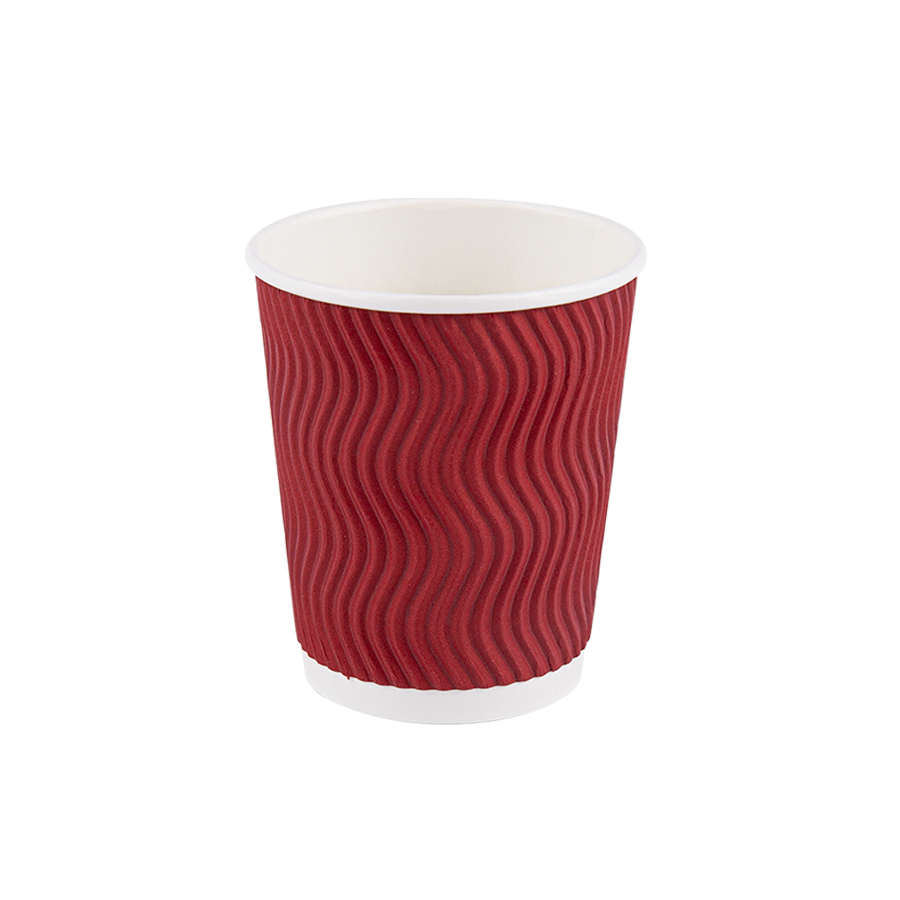
8oz 'S' Ripple Wall Paper Cup

- No. 9 Qilidian Road, Honglan Industrial Park, Lishui District, Nanjing Ctiy. China
- [email protected]
- ( +86 ) - 13327730591
Copyright © 2025 Nanjing smilepacking co., Ltd.
All Rights Reserved.

-
+86-15727116558
