
 English
 中文简体
中文简体 русский
 Español
 عربى
عربى


Convert 8oz Or 240-250ml To Cups? Quickly Clarify Here!
Content
- 1 The Exact Answer: How Many ML Is 8 oz?
- 2 US Fluid Ounce vs. Imperial Fluid Ounce: A Practical Comparison
- 3 Why 8 oz Is the Most Popular Paper Cup Size
- 4 Understanding Paper Cup Sizing: Nominal vs. Actual Capacity
- 5 Common Paper Cup Sizes and Their Best Applications
- 6 Hot vs. Cold Paper Cups: Construction Differences That Matter
- 7 How to Choose the Right 8 oz Paper Cup for Your Needs
- 8 Quick Reference: 8 oz Conversion Facts to Remember
The Exact Answer: How Many ML Is 8 oz?
The answer depends on which type of ounce you are working with, and this distinction matters more than most people realize. In the US customary system, 1 fluid ounce equals exactly 29.5735 milliliters. This means that 8 US fluid ounces equals approximately 236.6 ml, which is almost universally rounded to 240 ml in practical applications such as nutrition labeling, medical dosing, and beverage packaging. In the UK imperial system, however, 1 imperial fluid ounce equals 28.4131 ml, making 8 imperial fluid ounces equal to approximately 227.3 ml. In most global commercial contexts — including paper cup manufacturing — the US fluid ounce definition is the standard used, so when a cup is labeled "8 oz," you can reliably expect it to hold between 236 ml and 250 ml depending on whether the measurement refers to the nominal fill capacity or the brim-full volume.
The reason you often see 8 oz described as "240 ml" or even "250 ml" in product listings and kitchen guides is due to rounding conventions and the difference between fill line capacity and total cup volume. A paper cup labeled as 8 oz typically has a brim-full capacity of around 250 ml, but is designed to be comfortably filled to approximately 236–240 ml to prevent spills. Understanding this gap between nominal and actual volume is essential when selecting cups for specific applications like coffee service, juice dispensing, or clinical nutrition measurement.
US Fluid Ounce vs. Imperial Fluid Ounce: A Practical Comparison
Many people are surprised to learn that the fluid ounce is not a universal unit — it differs between the United States and the United Kingdom, and this has real consequences when converting ounces to milliliters for everyday use. The table below clarifies the most common ounce-to-milliliter conversions using both systems so you can quickly identify the right figure for your specific context.
| Volume in oz | US Fluid oz (ml) | Imperial oz (ml) | Common Rounded Value |
| 4 oz | 118.3 ml | 113.7 ml | 120 ml |
| 6 oz | 177.4 ml | 170.5 ml | 180 ml |
| 8 oz | 236.6 ml | 227.3 ml | 240–250 ml |
| 10 oz | 295.7 ml | 284.1 ml | 300 ml |
| 12 oz | 354.9 ml | 341.0 ml | 355 ml |
| 16 oz | 473.2 ml | 454.6 ml | 475 ml |
For all practical purposes when buying or specifying paper cups in the United States, Canada, Australia, and most of Asia, use the US fluid ounce conversion. The imperial ounce is only relevant when working with recipes or specifications originating from the United Kingdom. When in doubt, always check whether a product's milliliter rating matches the US or imperial conversion to avoid over- or under-filling errors, especially in food service, laboratory, and clinical settings where precision matters.
Why 8 oz Is the Most Popular Paper Cup Size
Among all available paper cup sizes on the market, the 8 oz (240–250 ml) cup holds a uniquely dominant position. It is considered the "standard" serving size for hot beverages in North America, and for very good reasons rooted in both consumer behavior and physiology. A standard brewed coffee serving from most drip coffee machines and single-serve pod systems dispenses between 170 ml and 240 ml, making an 8 oz paper cup the ideal match with comfortable headspace for cream, sugar, or foam. The 8 oz size is also perfectly aligned with the recommended single-serving size for fruit juices and other beverages as defined by the US Food and Drug Administration (FDA) in nutrition labeling guidelines, where 240 ml (8 fl oz) is the reference amount customarily consumed (RACC) for most beverages.
From an ergonomic standpoint, 8 oz hits a sweet spot — it is large enough to feel satisfying as a drink serving but small enough to be comfortably held in a single hand without strain, and it fits standard cup holders in vehicles, office desks, and conference room settings. This makes 8 oz paper cups the go-to choice for corporate offices, coffee shops, schools, hospitals, and fast food chains that want to offer a practical, cost-effective single-use beverage solution without over-serving.
Understanding Paper Cup Sizing: Nominal vs. Actual Capacity
One of the most common points of confusion when buying paper cups is the difference between the nominal (labeled) capacity and the actual usable fill volume. Paper cup manufacturers size their products based on brim-full capacity — the maximum volume the cup can physically hold when filled to the very top edge. However, in real-world use, cups are never filled to the brim. Standard food service practice is to fill cups to approximately 90–95% of their labeled capacity to allow for lids, prevent spillage, and accommodate liquid expansion in hot beverages.
This means that an 8 oz paper cup with a brim-full capacity of 250 ml will typically be filled to around 225–236 ml in actual service. For dispensing machines and coffee equipment with fixed portion sizes, it is important to verify that the dispensed volume does not exceed 90% of the cup's labeled capacity. If your espresso machine dispenses a 240 ml long black, for example, you should select a cup with a nominal capacity of at least 10 oz (295 ml) rather than an 8 oz cup, to ensure a safe fill level with room for lid placement.
Common Paper Cup Sizes and Their Best Applications
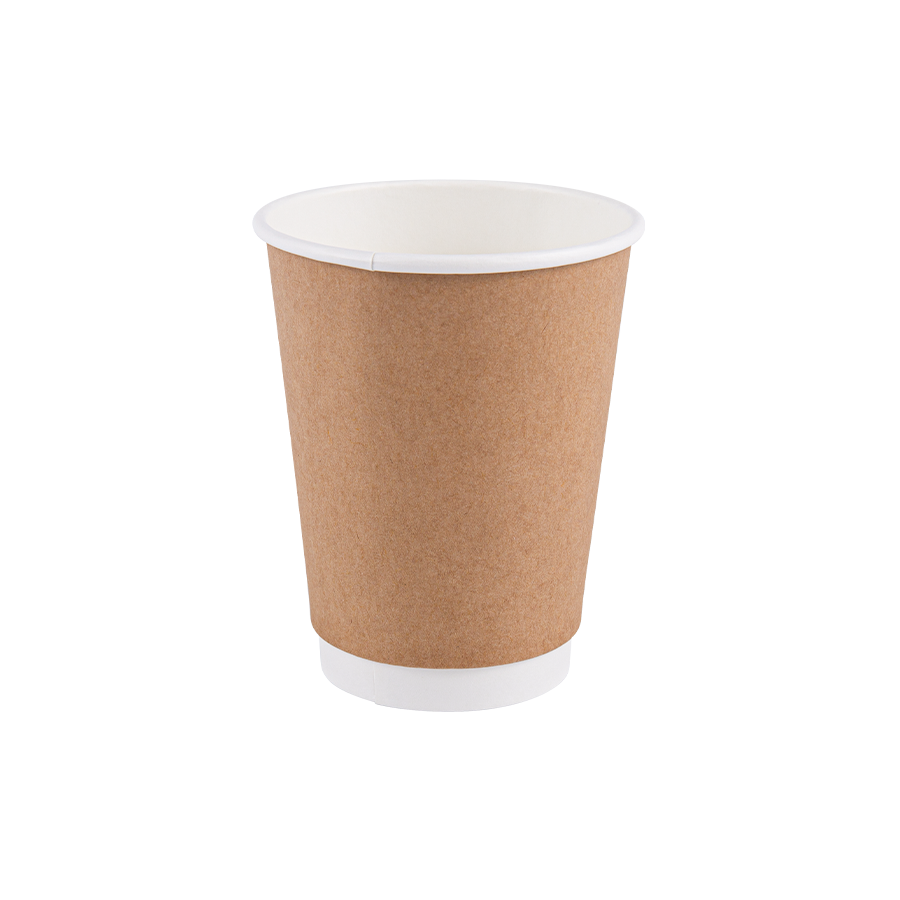
Paper cups come in a wide range of sizes beyond the popular 8 oz, each suited to different beverage types, serving occasions, and customer expectations. Choosing the right size for your application reduces waste, improves the customer experience, and ensures your beverage equipment and lids are compatible with your cup selection.
- 3 oz (90 ml) — Bathroom / Water Cooler Cups: These small, conical or flat-bottomed disposable cups are designed for single sips of water, mouthwash, or medication. They are standard in medical facilities, dental offices, and office water cooler stations. They are not suitable for hot beverages and are not typically fitted with lids.
- 4 oz (120 ml) — Espresso and Sample Cups: The 4 oz cup is the correct size for double espresso shots, juice tastings, and food sample servings at events or supermarkets. In coffee culture, these are also used for cortados and macchiatos where the total volume including milk is under 120 ml.
- 6 oz (180 ml) — Specialty Coffee and Children's Drinks: The 6 oz size is popular in specialty coffee shops for flat whites and cappuccinos where the drink is intentionally smaller and more concentrated. It is also an appropriate size for children's juice servings in school cafeterias and daycare centers.
- 8 oz (240–250 ml) — Standard Coffee and Hot Drinks: As discussed, the 8 oz cup is the universal standard for regular hot beverages. It works equally well for drip coffee, Americano, tea, hot chocolate, and soup. It is the most stocked size in offices, cafés, convenience stores, and catering operations worldwide.
- 10–12 oz (295–355 ml) — Large Coffee and Iced Beverages: These sizes are preferred by consumers who want a larger hot coffee serving or need space for iced drinks with ice cubes. Most take-away coffee chains offer a "medium" size in the 10–12 oz range. Iced beverage cups in these sizes are typically made from single or double-wall paper with a cold-resistant coating.
- 16–20 oz (475–590 ml) — Large Cold Drinks and Smoothies: The 16 oz and 20 oz sizes are designed for large cold beverage servings including smoothies, iced teas, large iced coffees, and fountain drinks. These cups are typically constructed with a heavier board weight and a waterproof PE or PLA inner lining to handle extended cold liquid contact.
Hot vs. Cold Paper Cups: Construction Differences That Matter
Not all paper cups are built the same, and using the wrong cup type for a beverage temperature can result in structural failure, burns, or customer complaints. Hot and cold paper cups use fundamentally different wall constructions optimized for their respective temperature ranges.
Single-Wall Hot Cups
Standard single-wall hot paper cups are constructed from a single layer of paperboard coated on the interior with polyethylene (PE) to create a moisture barrier that prevents the cup from becoming soggy and leaking. The board weight is typically between 190 gsm and 280 gsm depending on the cup size. Single-wall 8 oz hot cups are the most economical option for hot beverages and are the standard for most office coffee stations. However, because they have only one layer of insulation, they can become uncomfortably hot to hold when filled with boiling-temperature beverages, which is why cup sleeves or double-wall cups are often preferred in coffee shop environments.
Double-Wall Hot Cups
Double-wall paper cups feature an inner cup and an outer sleeve bonded together with an air gap between them that acts as thermal insulation. This design significantly reduces heat transfer to the outer surface, allowing customers to hold hot beverages comfortably without a separate sleeve. Double-wall 8 oz cups are the preferred choice for premium coffee brands, artisan cafés, and any setting where customer comfort and brand image are priorities. The additional material makes them roughly 30–50% more expensive than single-wall equivalents, but the elimination of separate sleeve costs often offsets this difference in high-volume settings.
Cold Drink Cups
Cold paper cups are coated differently from hot cups — they use a heavier PE coating or a bio-based PLA (polylactic acid) coating specifically engineered to resist condensation and remain structurally sound when in prolonged contact with cold, moisture-heavy beverages. Cold cups should never be used for hot beverages, as the thinner board weight and coating formulation are not designed for heat resistance and may allow the cup to deform, leak, or lose structural integrity when filled with liquid above 60°C.
How to Choose the Right 8 oz Paper Cup for Your Needs
With so many variations of the 8 oz paper cup available — different wall constructions, coatings, lid compatibilities, and print options — selecting the right product requires thinking through several practical factors specific to your use case.
- Beverage temperature: Always match the cup type to your beverage temperature. For hot beverages above 60°C, use single-wall or double-wall hot cups with PE or wax coating. For cold beverages and iced drinks, use cold cups with appropriate moisture-resistant coating.
- Lid compatibility: Verify that the cup's rim diameter matches your lid supplier's sizing. The most common 8 oz hot cup rim diameter is 80mm, while cold cups often use a wider 90mm or 98mm rim. Mismatched lids are one of the most common and easily avoidable purchasing mistakes in food service.
- Environmental credentials: If sustainability is a priority, look for cups with FSC-certified paperboard, compostable PLA inner lining instead of conventional PE, or cups certified by third-party programs such as the Rainforest Alliance or Seedling (compostability) certification. Many food service operators now require documentation of these certifications from their cup suppliers.
- Print and branding: Custom-printed 8 oz paper cups with your logo and brand colors are available from most cup manufacturers for minimum order quantities typically starting at 1,000 to 5,000 units. Branded cups significantly improve the perceived quality of your beverage offering and serve as mobile marketing that extends your brand visibility beyond the point of sale.
- Volume purchasing and storage: Paper cups are bulky to store, and buying in very large quantities creates inventory management challenges. Balance the cost savings from bulk purchasing against your available storage space and monthly consumption rate. Most operators find that a 1–3 month supply on hand is the practical optimum for 8 oz cup inventory management.
Quick Reference: 8 oz Conversion Facts to Remember
To wrap up all the conversion and sizing information in this guide, here is a concise reference summary of the most important facts about 8 oz and its milliliter equivalents that you can return to whenever you need a fast answer.
- 8 US fluid oz = 236.6 ml, rounded to 240 ml in most commercial and nutritional contexts. This is the standard conversion to use for paper cups, recipe measurements, and beverage servings in the United States and most international markets.
- 8 imperial fluid oz = 227.3 ml, relevant only for UK-origin recipes and specifications. For all paper cup purchasing decisions outside the UK, use the US fluid ounce definition.
- An 8 oz paper cup has a brim-full capacity of approximately 250 ml but should only be filled to around 225–236 ml (90–95% full) in normal service to prevent spills and accommodate lids.
- 8 oz equals exactly 1 US cup in the volumetric measurement system, which is why it appears so frequently in recipe contexts. One US cup = 8 fl oz = 16 tablespoons = 48 teaspoons = approximately 236.6 ml.
- The most common rim diameter for 8 oz hot paper cups is 80mm, while cold drink versions may vary. Always confirm rim diameter before ordering lids separately to ensure a proper, leak-resistant fit.
LATEST POST
Let’s create something amazing together
contact usFeatured Products
-

16oz(500ml)PLA Biodegradable Single-Wall Paper Cup
-
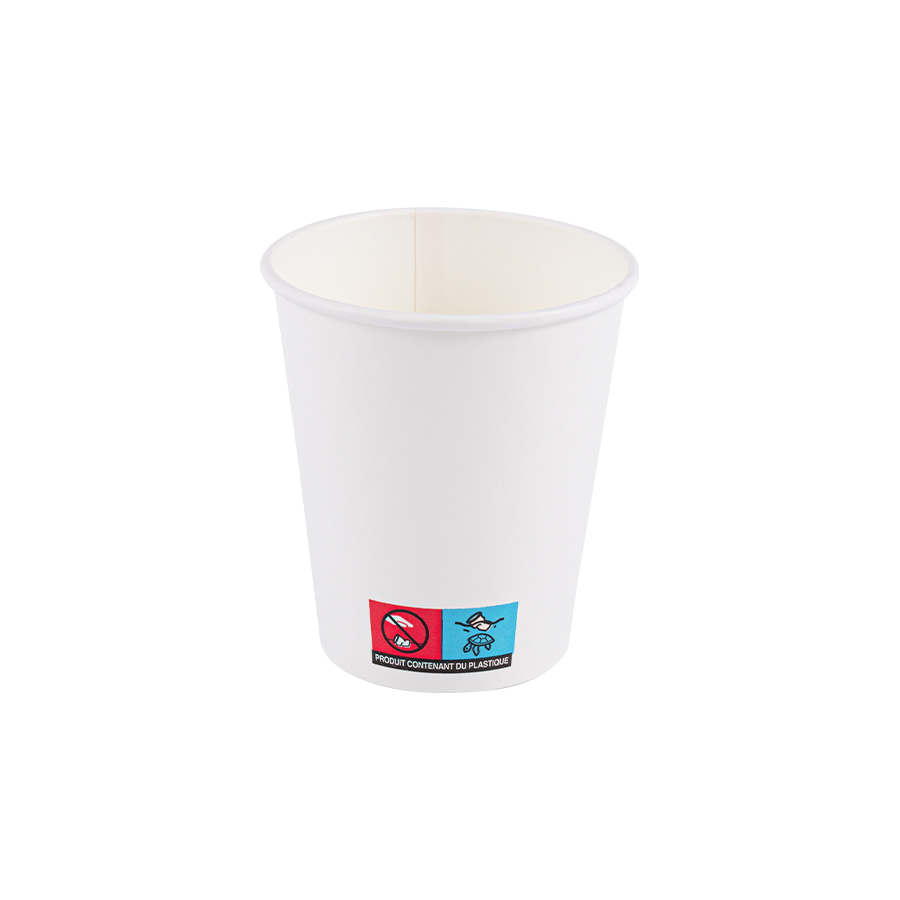
7.5oz Disposable Single-Wall Paper Cup for Automatic Vending Cup
-

8oz Double-Wall Kraft Paper Cup with Home-Compostable Plastic-Free Coating & Thermal Insulation
-
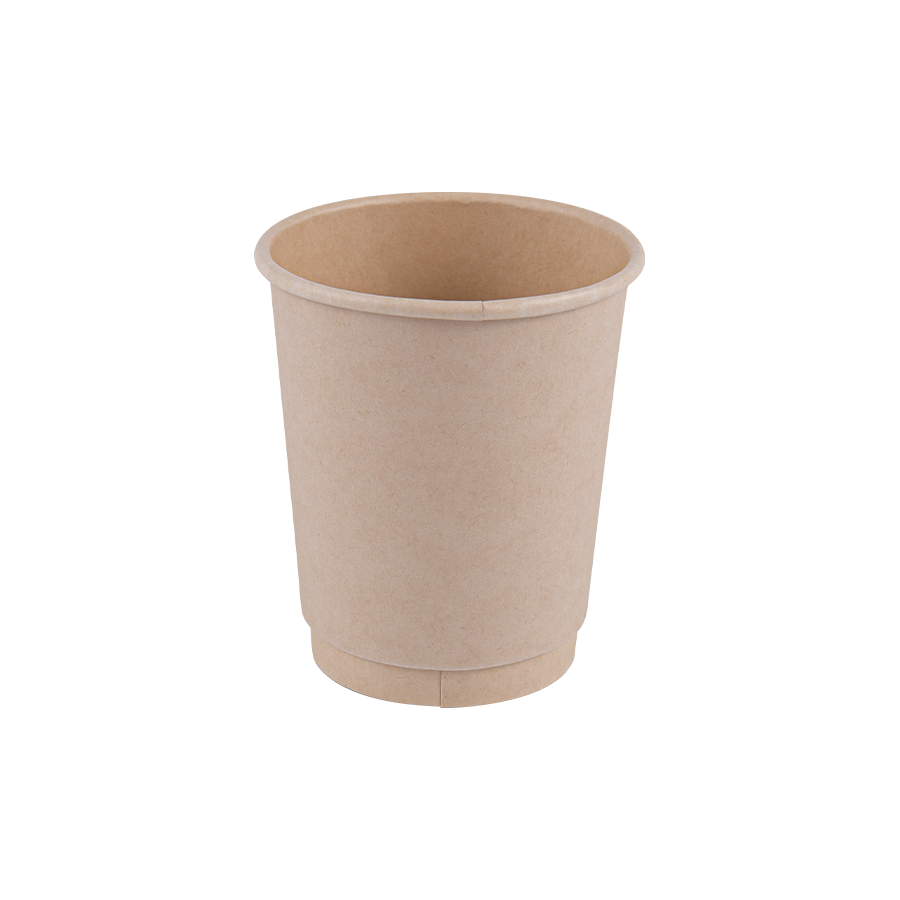
12oz (420ml) Bamboo Pulp Fiber Paper Cup with PLA Coating
-
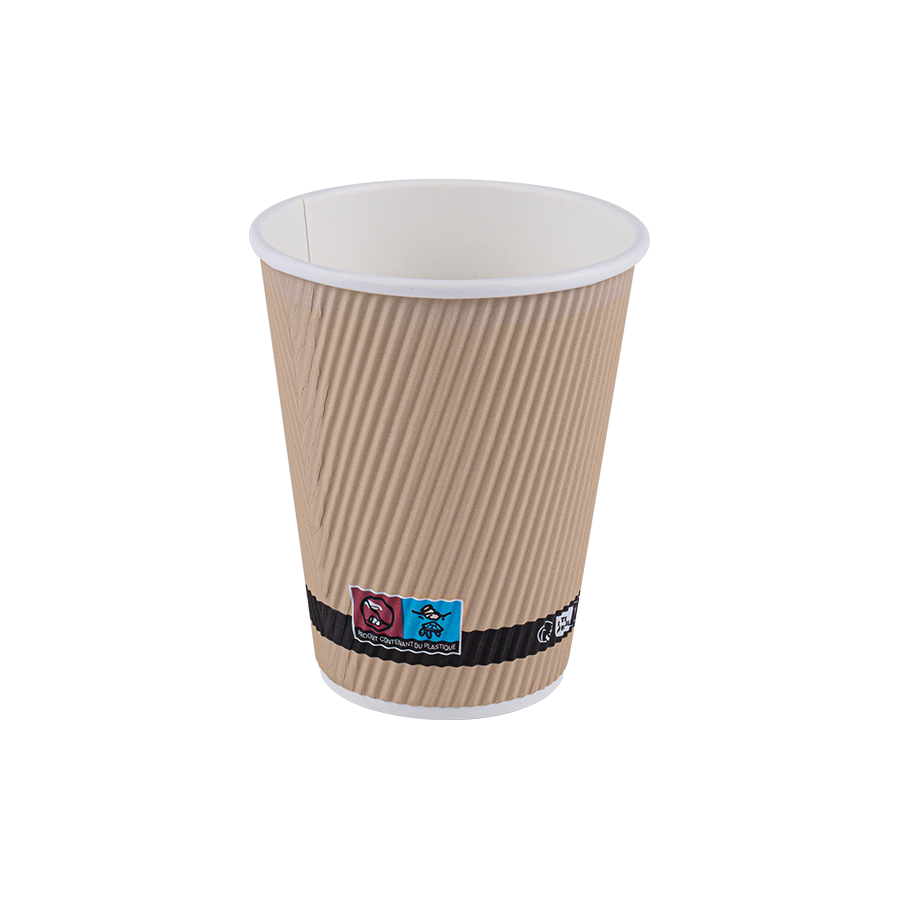
4oz Ripple Wall Paper Cup
-
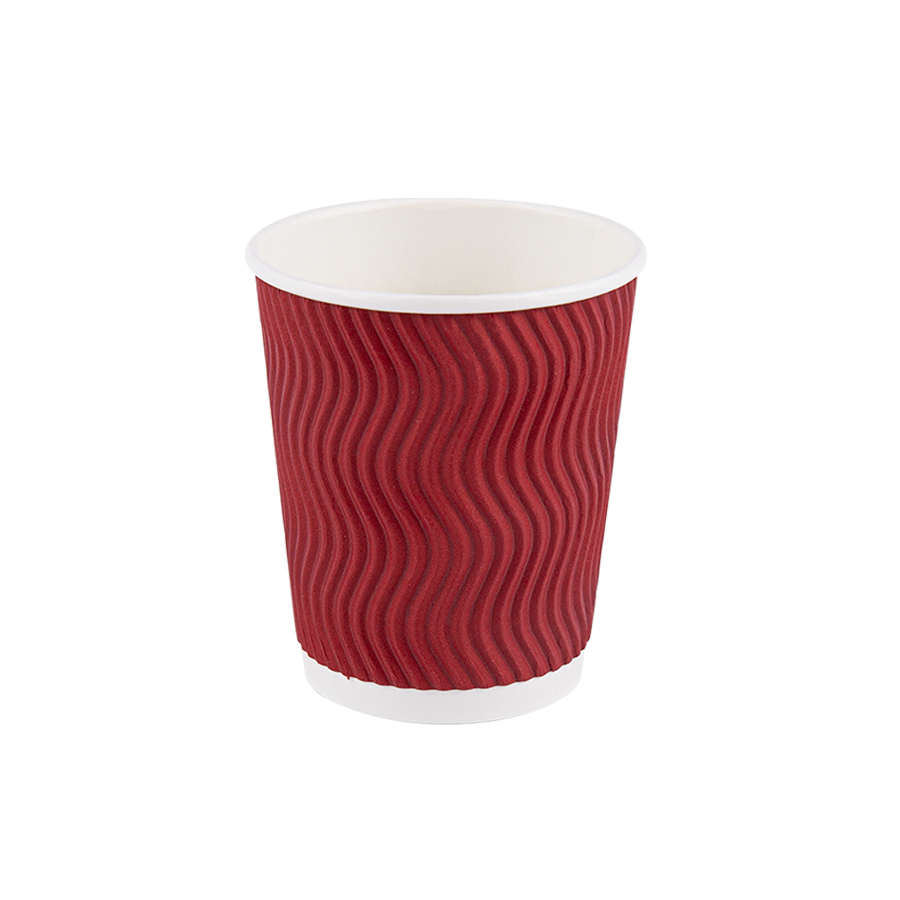
8oz 'S' Ripple Wall Paper Cup

- No. 9 Qilidian Road, Honglan Industrial Park, Lishui District, Nanjing Ctiy. China
- [email protected]
- ( +86 ) - 13327730591
Copyright © 2025 Nanjing smilepacking co., Ltd.
All Rights Reserved.

-
+86-15727116558
