
 English
 中文简体
中文简体 русский
 Español
 عربى
عربى


PLA Biodegradable Single Wall Paper Cups: Eco-Friendly Choice for Modern Consumers
Content
- 1 Introduction
- 2 What is PLA?
- 2.1 Benefits of PLA Biodegradable Single Wall Paper Cups
- 2.2 Features of Single Wall Paper Cups
- 2.3 Applications: Where You’ll See Them
- 2.4 Comparing PLA Cups with Other Eco-Friendly Options
- 2.5 Addressing Concerns and Misconceptions
- 2.6 Environmental Impact and Certifications
- 2.7 Tips for Choosing and Using PLA Biodegradable Single Wall Paper Cups
- 2.8 Conclusion
- 2.9 FAQs
In an era where convenience often comes at a cost to the planet, the humble disposable cup has become a focal point of environmental discussion. Every day, millions of people grab a quick coffee on their way to work, contributing to a global waste problem that is increasingly difficult to ignore.
Introduction
Single wall paper cups have long been the standard for the food and beverage industry. They are lightweight, cost-effective, and provide a convenient vessel for everything from morning lattes to chilled water. However, there is a hidden environmental toll. Traditional paper cups are usually lined with a thin layer of polyethylene (PE)—a petroleum-based plastic—to prevent the liquid from soaking through the paper.
This plastic lining makes traditional cups incredibly difficult to recycle, as the plastic cannot be easily separated from the paper fibers. Consequently, billions of these cups end up in landfills or as litter in our oceans, where they can take decades to break down.
Fortunately, a sustainable shift is occurring. Enter PLA (Polylactic Acid): a revolutionary, plant-based alternative that offers the same functionality as plastic lining but with a significantly lower environmental footprint.
What is PLA?
To understand why PLA is a game-changer, we first need to look at what it is and where it comes from. Unlike traditional plastics derived from petroleum, PLA is a bioplastic made from 100% renewable resources.
Source and Manufacturing Process
PLA is typically derived from fermented plant starch, most commonly cornstarch, though it can also be produced from sugarcane or cassava.
Harvesting: Plants like corn are harvested for their starch.
Fermentation: The starch is converted into dextrose (sugar) and then fermented using bacteria to produce lactic acid.
Polymerization: Through a chemical process, the lactic acid is transformed into lactide monomers, which are then linked together to form long chains of Polylactic Acid polymers.
Application: These polymers are then processed into pellets, which can be extruded into the thin, waterproof lining used inside your paper cup.
Biodegradability and Compostability
The defining characteristic of PLA is its ability to return to nature. While traditional plastic is “biodisintegrable” (it just breaks into smaller microplastics), PLA is truly biodegradable. Under the right conditions, microorganisms can consume the material, breaking it down into water, carbon dioxide, and organic matter.
It is important to note that PLA is specifically designed for industrial composting. This means that when it is processed in a professional facility with controlled heat and moisture, it can break down completely within months, leaving no toxic residue behind.
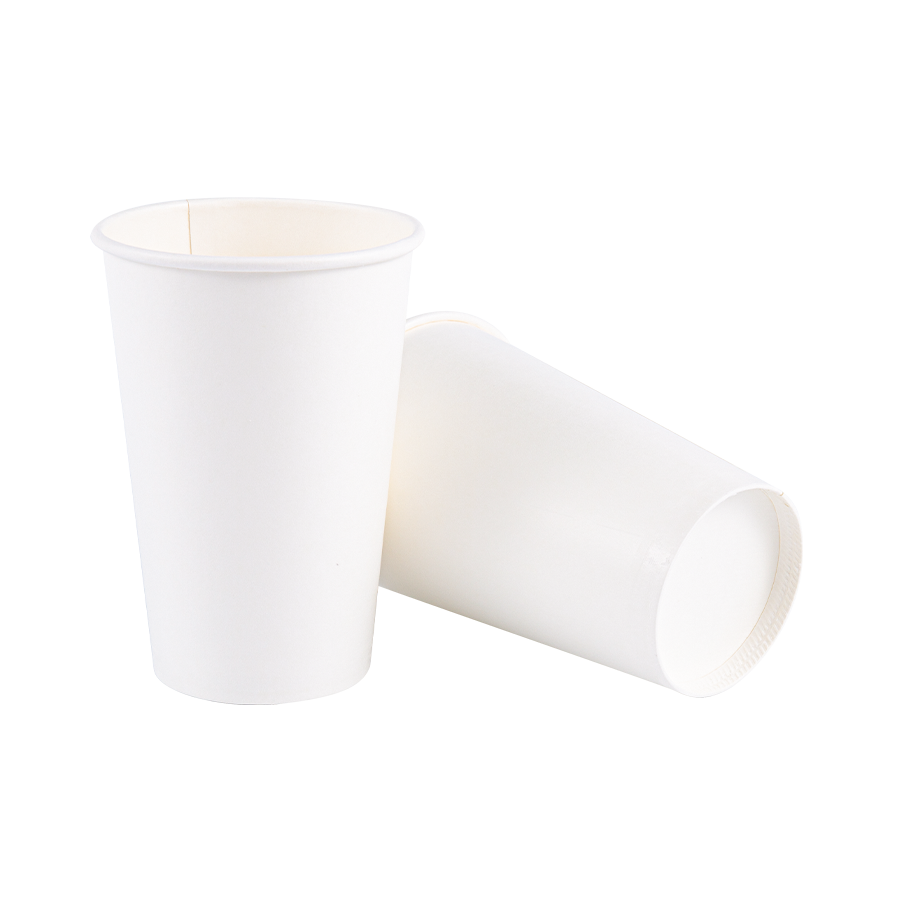
Benefits of PLA Biodegradable Single Wall Paper Cups
Choosing PLA-lined cups isn’t just about following a trend; it’s about making a measurable impact on the health of our planet. Here is why businesses and consumers are making the switch:
- Eco-Friendliness: The most immediate benefit is the reduction in plastic waste. By replacing petroleum-based linings with PLA, we prevent long-lasting plastic pollutants from entering our ecosystems.
- Lower Carbon Footprint: The production of PLA emits significantly fewer greenhouse gases compared to traditional oil-based plastics. Because the plants used to make PLA (like corn and sugarcane) absorb as they grow, the overall lifecycle of the cup is much closer to being carbon-neutral.
- Renewable Resources: Unlike fossil fuels, which are finite, the materials used for PLA are harvested annually. This supports sustainable agriculture and reduces our global dependency on oil.
- Health and Safety: PLA is FDA-approved and generally recognized as safe (GRAS). It is non-toxic and contains no BPA or phthalates, ensuring that no harmful chemicals leach into your hot coffee or tea.
Features of Single Wall Paper Cups
While the “green” credentials are the headline, these cups are also designed to perform. Single wall cups are the go-to choice for businesses that prioritize efficiency and sleek design.
- Lightweight & Convenient: Their slim profile makes them easy to stack, store, and carry, making them the gold standard for “to-go” culture.
- Versatile Temperature Use: While “single wall” refers to the single layer of paperboard, when combined with a PLA lining, these cups are sturdy enough for both steaming hot beverages and ice-cold drinks.
Note: For very hot drinks, many users pair these with a corrugated sleeve for extra heat insulation.
- Highly Customizable: The smooth exterior surface of single wall cups is a perfect canvas for high-quality printing. Businesses can use eco-friendly, soy-based inks to display logos, brand colors, or sustainability messages.
- Variety of Sizes: From a 4oz espresso cup to a 16oz large latte, PLA single wall cups come in all standard industry sizes.
Applications: Where You’ll See Them
You don’t have to look far to find PLA single wall cups in action. They have become the preferred choice across various sectors:
- Coffee Shops and Cafes: The heart of the “eco-cup” movement. Many independent cafes use PLA cups to align with their brand’s ethical values.
- Restaurants and Food Service: Quick-service restaurants use them for water, soda, and hot drinks to reduce their environmental footprint.
- Events and Catering: For festivals, weddings, or conferences, using compostable cups simplifies cleanup and helps event planners meet “Zero Waste” goals.
- Offices and Corporate Use: Modern workplaces are increasingly replacing plastic kitchenware with PLA options to boost their Corporate Social Responsibility (CSR) ratings.
Comparing PLA Cups with Other Eco-Friendly Options
To truly appreciate the value of PLA-lined single wall cups, it helps to see how they stack up against the competition. While many products claim to be “green,” their performance and environmental impact vary.
| Feature | PLA-Lined Paper Cup | Traditional PE Paper Cup | Plastic (PET/PS) Cup | Bagasse (Sugarcane) Cup |
| Material Source | Renewable (Corn/Cane) | Paper + Petroleum | 100% Petroleum | Agricultural Waste |
| Biodegradable | Yes (Industrial) | No | No | Yes (Home/Industrial) |
| Carbon Footprint | Low | High | Very High | Very Low |
| Heat Resistance | Good (up to 85°C) | Excellent | Poor (melts) | Excellent |
| Recyclability | Low (needs composting) | Very Low/Difficult | High (if clean) | N/A (Compost only) |
- PLA vs. Traditional Paper: While both look identical, the PLA version is compostable, whereas the traditional PE-lined cup will persist in a landfill for decades.
- PLA vs. Plastic: Plastic cups are made from non-renewable oil. PLA provides the same “barrier” protection (preventing leaks) without the long-term pollution.
- PLA vs. Bagasse: Bagasse is an excellent compostable material, but it has a textured, “pulp” feel. PLA single wall cups offer a smoother, more premium surface for high-end branding and a more familiar “coffee shop” feel.
Addressing Concerns and Misconceptions
Despite their benefits, it is important to be transparent about how to use and dispose of PLA products correctly.
1. Composting Requirements
A common misconception is that PLA will disappear if thrown in the trash or a backyard compost bin. PLA requires the high-heat environment (-°C) found in industrial composting facilities to break down efficiently. Without this specific environment, it can take much longer to degrade.
2. Cost Considerations
Yes, PLA cups currently carry a slightly higher price tag than traditional plastic-lined cups. However, this is an investment in brand equity. Modern consumers are often willing to pay a small premium for a brand that aligns with their environmental values, and many businesses find that the long-term loyalty outweighs the initial cent-per-cup difference.
3. Shelf Life and Storage
Because PLA is plant-based, it is sensitive to extreme heat and moisture during storage. To maintain their integrity, these cups should be stored in a cool, dry place away from direct sunlight.
Environmental Impact and Certifications
When purchasing PLA cups, look for the “seal of approval.” Certifications ensure that the product has been rigorously tested and meets international standards for compostability.
- BPI Certified: The Biodegradable Products Institute (BPI) logo is the gold standard in North America, indicating the cup will break down in a commercial compost facility.
- ASTM D6400 / D6868: These are the scientific standards that define a product as “compostable” in municipal and industrial facilities.
- EN 13432: The European equivalent standard for compostable packaging.
Choosing certified products ensures you aren’t falling victim to “greenwashing”—where products claim to be eco-friendly without meeting the necessary requirements to actually protect the environment.
Tips for Choosing and Using PLA Biodegradable Single Wall Paper Cups
Making the transition to sustainable packaging is a big step. To ensure you’re getting the most out of your investment and truly helping the environment, keep these tips in mind:
- Verify the Certifications: Don’t just take the “eco-friendly” label at face value. Look for the BPI or TÜV AUSTRIA (OK Compost) logos on the bottom of the cup or the packaging to ensure it meets industrial composting standards.
- Educate Your Customers: A PLA cup only fulfills its environmental promise if it ends up in the right bin. Use signage in your shop or text on the cup itself to let customers know it belongs in a compost bin, not a recycling or trash bin.
- Consider the Lids: To make your beverage service 100% compostable, pair your single wall cups with CPLA (Crystallized PLA) lids. Standard plastic lids will contaminate the compost stream.
- Monitor Storage Temperatures: Since PLA is designed to break down, avoid storing your stock in hot warehouses or near kitchen ovens. Keep them in a cool, dry environment to prevent the lining from softening.
Conclusion
PLA biodegradable single wall paper cups represent a vital bridge between modern convenience and environmental responsibility. By replacing traditional petroleum-based plastics with renewable, plant-based Polylactic Acid, we can significantly reduce landfill waste and lower our collective carbon footprint.
For businesses, switching to PLA is more than a logistical choice—it’s a powerful statement of values. For consumers, it’s a simple way to enjoy a favorite beverage without leaving a lasting mark on the planet. As composting infrastructure continues to expand globally, the adoption of PLA is a clear path toward a truly circular economy.
Call to Action: Ready to make the switch? Start by replacing your standard disposables with certified PLA alternatives and join the movement toward a plastic-free future.
FAQs
Are PLA cups really biodegradable?
Yes. PLA is made from plant starches and is designed to biodegrade into water, , and organic matter. However, this process happens most efficiently in industrial composting facilities.
Where can I compost PLA cups?
You should dispose of them in a dedicated organic waste or compost bin that is sent to a commercial composting facility. Check with your local waste management provider to see if they accept “ASTM D6400” compostable plastics.
Are PLA cups safe for hot liquids?
Absolutely. PLA-lined single wall cups are designed to handle standard hot beverage temperatures (typically up to 85°C or 185°F). They are food-safe and non-toxic.
Can PLA cups be recycled?
No. PLA is a bioplastic and can contaminate the traditional petroleum-plastic recycling stream (like PET). They should be composted rather than recycled.
What is the shelf life of PLA cups?
When stored in a cool, dry place out of direct sunlight, PLA cups typically have a shelf life of 12 to 24 months.
LATEST POST
Let’s create something amazing together
contact usFeatured Products
-

16oz(500ml)PLA Biodegradable Single-Wall Paper Cup
-
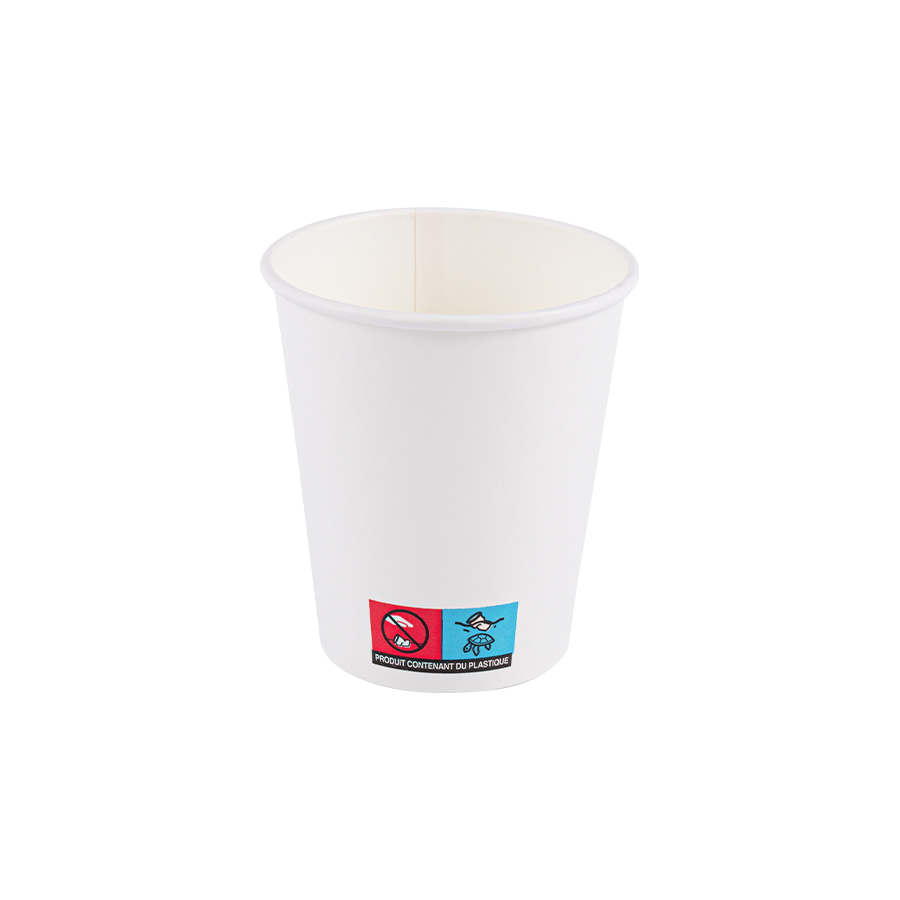
7.5oz Disposable Single-Wall Paper Cup for Automatic Vending Cup
-
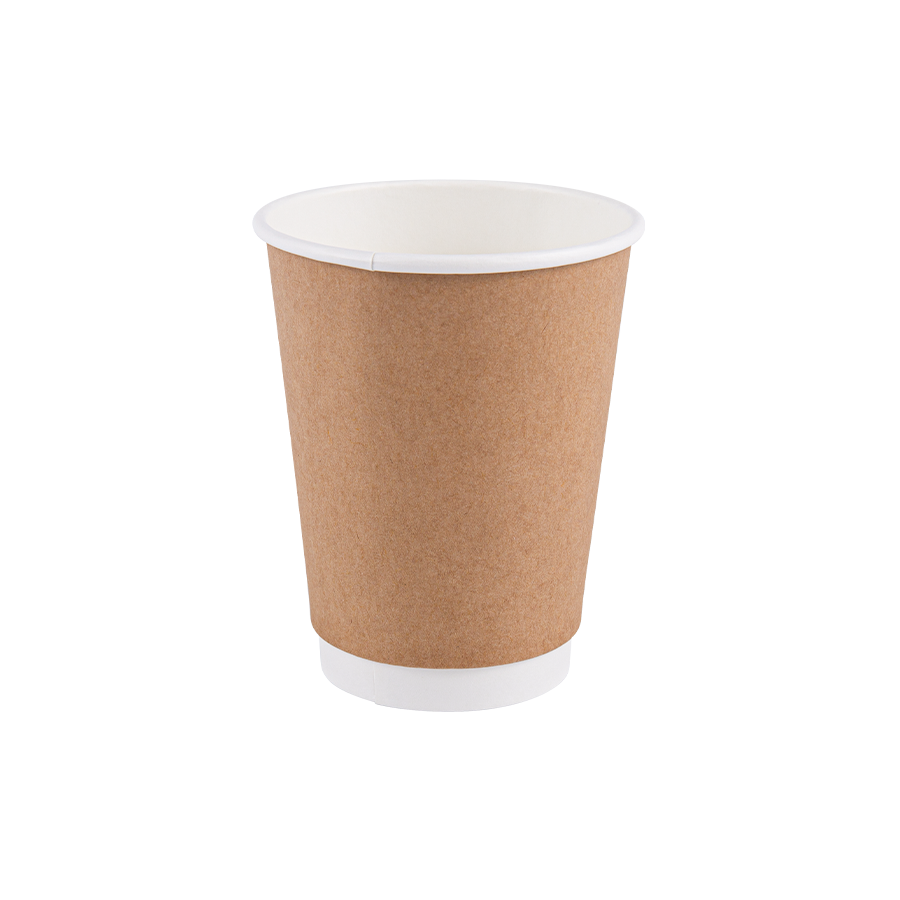
8oz Double-Wall Kraft Paper Cup with Home-Compostable Plastic-Free Coating & Thermal Insulation
-
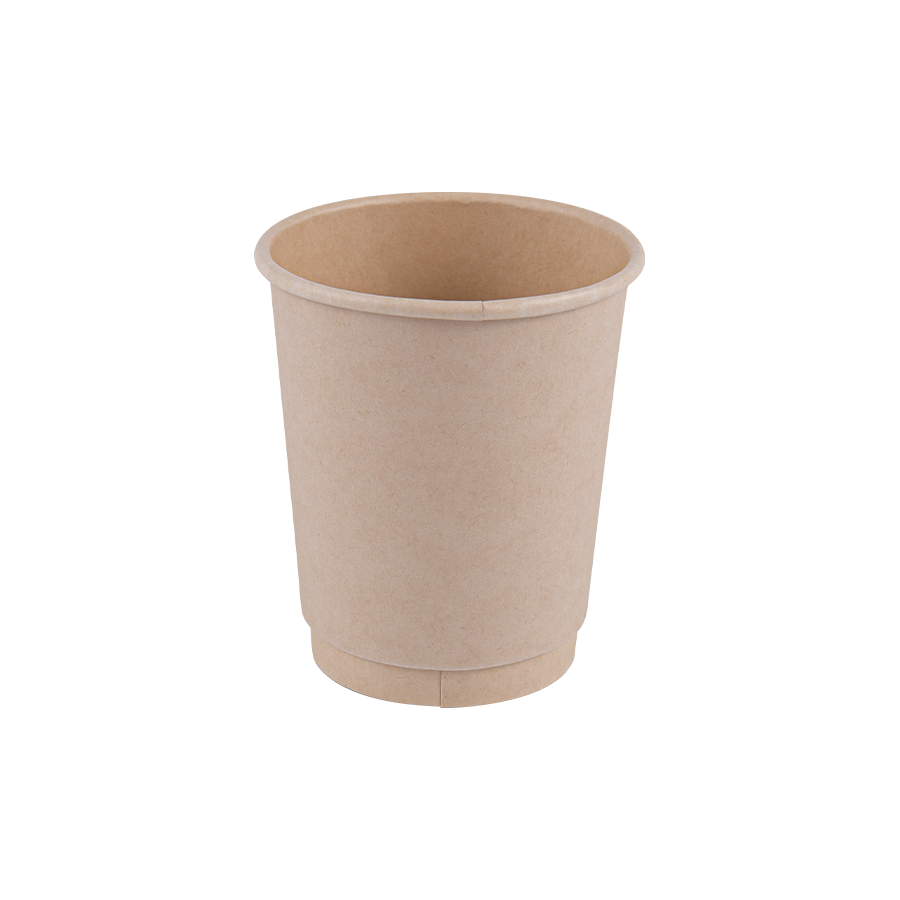
12oz (420ml) Bamboo Pulp Fiber Paper Cup with PLA Coating
-
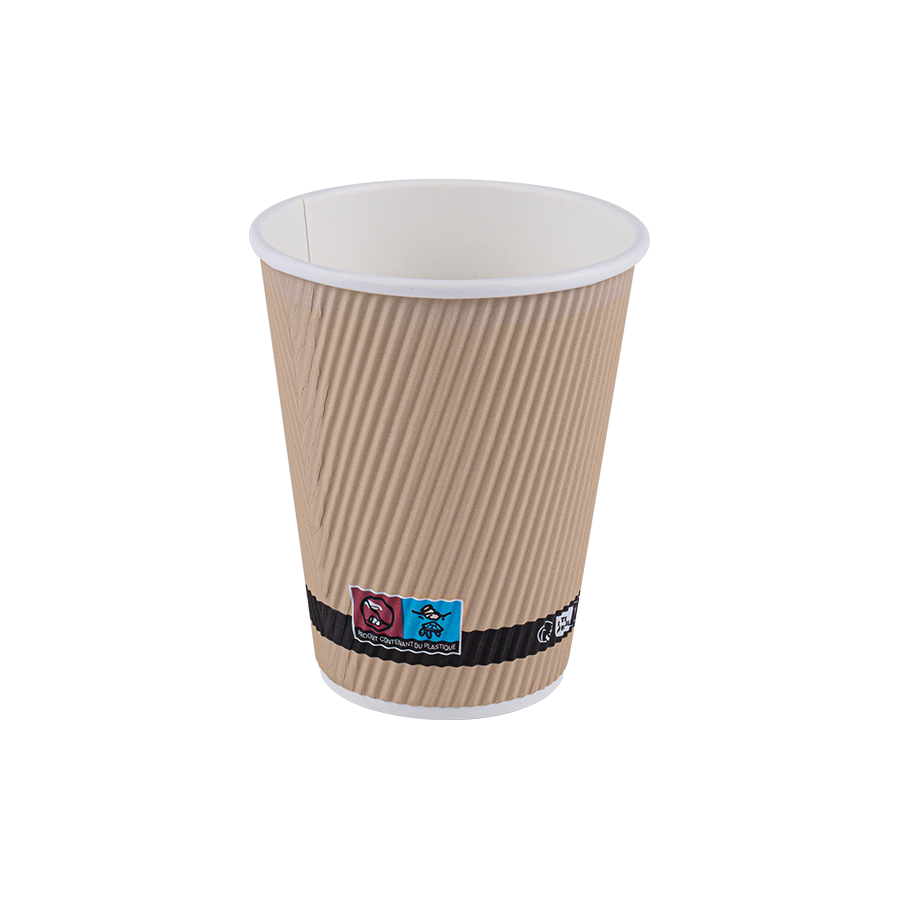
4oz Ripple Wall Paper Cup
-
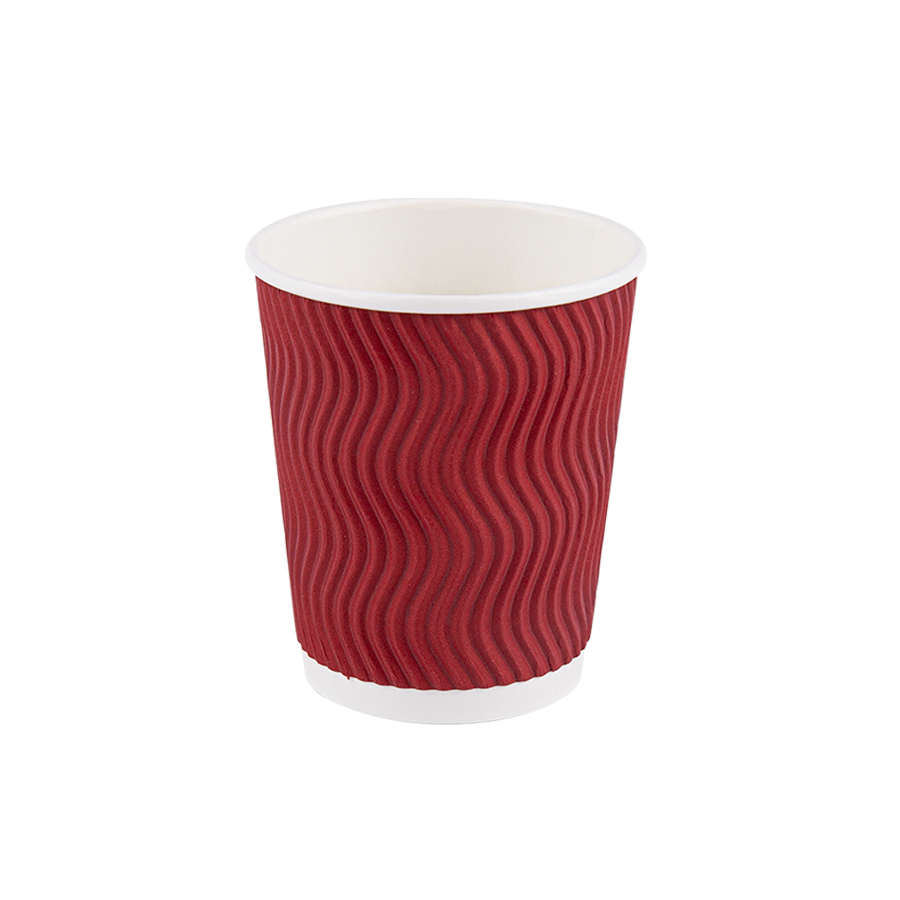
8oz 'S' Ripple Wall Paper Cup

- No. 9 Qilidian Road, Honglan Industrial Park, Lishui District, Nanjing Ctiy. China
- [email protected]
- ( +86 ) - 13327730591
Copyright © 2025 Nanjing smilepacking co., Ltd.
All Rights Reserved.

-
+86-15727116558
