
 English
 中文简体
中文简体 русский
 Español
 عربى
عربى


Disposable Paper Cups OZ TO CUPS: EASY GUIDE & TIPS
Content
- 1 Quick Reference Conversion Chart
- 2 Selecting the Right Cup Size for Different Beverages
- 3 Practical Considerations Beyond Basic Measurements
- 4 Cost-Effective Purchasing Strategies
- 5 Environmental Considerations and Sustainable Options
- 6 Tips for Event Planning and Office Use
- 7 Storage and Handling Best Practices
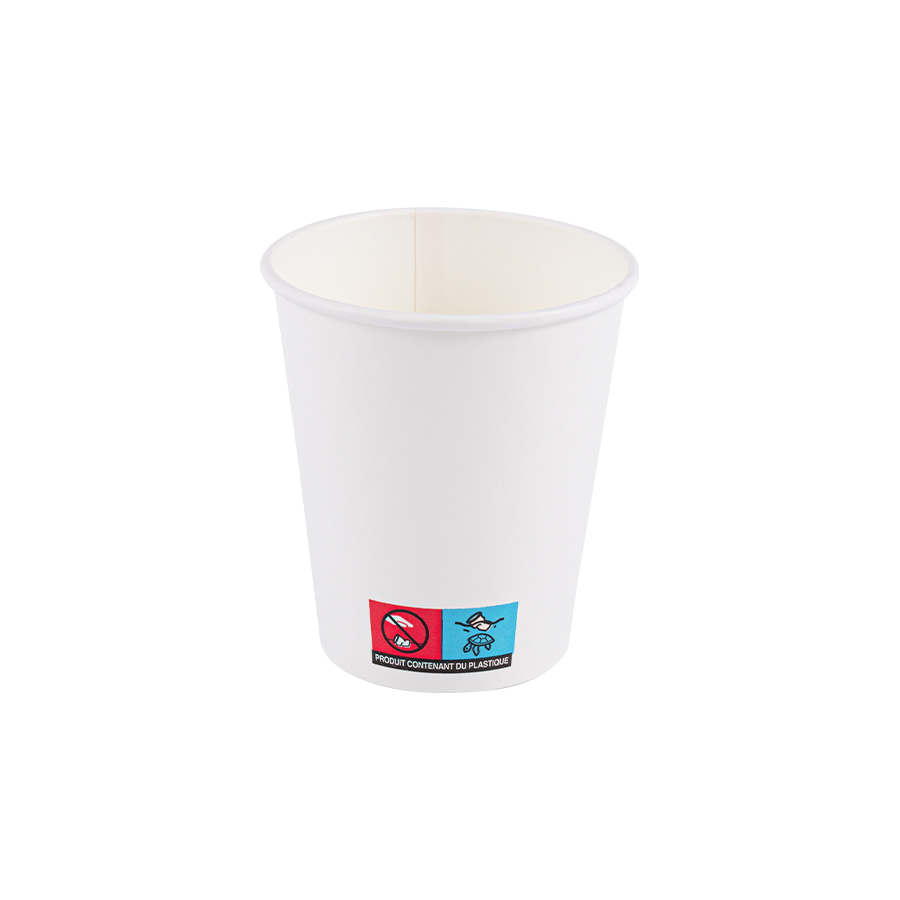
Disposable paper cups are universally measured in fluid ounces, a system that often confuses consumers accustomed to thinking in terms of standard cup measurements used in cooking and baking. The fluid ounce measurement stamped on disposable paper cups indicates the maximum capacity the cup can hold when filled to the absolute brim, though practical fill levels typically reach only eighty to ninety percent of this stated capacity to prevent spills and allow room for lids. Understanding the relationship between fluid ounces and standard cup measurements empowers consumers and businesses to select appropriate cup sizes for specific beverages, events, and serving requirements while avoiding the waste and expense associated with incorrectly sized containers.
The standard United States cup measurement equals eight fluid ounces, providing the baseline for all conversions between disposable cup sizes and familiar kitchen measurements. However, the paper cup industry primarily uses fluid ounce designations rather than cup measurements, resulting in common sizes like four ounce, eight ounce, twelve ounce, sixteen ounce, and twenty ounce cups that don't always align perfectly with whole cup measurements. This ounce-based system originated from beverage industry standards where precise portion control and consistent serving sizes matter significantly for inventory management, pricing structures, and customer expectations. Recognizing how these fluid ounce measurements translate to standard cups helps consumers make informed purchasing decisions and ensures event planners, office managers, and hospitality professionals order appropriate quantities and sizes for their specific needs.
Quick Reference Conversion Chart
Converting between fluid ounces and standard cup measurements requires simple division, as eight fluid ounces equal one standard cup. The most commonly available disposable paper cup sizes and their cup equivalents are presented in the comprehensive chart below, providing quick reference for various applications.
| Cup Size (Fluid Ounces) | Cup Measurement | Milliliters | Common Uses |
| 4 oz | 1/2 cup | 118 ml | Espresso, samples, condiments |
| 8 oz | 1 cup | 237 ml | Hot coffee, tea, small beverages |
| 12 oz | 1.5 cups | 355 ml | Standard coffee, soft drinks |
| 16 oz | 2 cups | 473 ml | Large coffee, iced beverages |
| 20 oz | 2.5 cups | 591 ml | Extra large drinks, smoothies |
| 24 oz | 3 cups | 710 ml | Fountain drinks, party beverages |
Selecting the Right Cup Size for Different Beverages
Choosing appropriate disposable paper cup sizes depends on beverage type, serving temperature, and consumption context. Matching cup capacity to beverage characteristics ensures optimal drinking experience while minimizing waste from oversized containers or customer dissatisfaction from inadequate portions.
Hot Beverages
Hot coffee and tea typically require smaller serving sizes compared to cold beverages due to concentrated flavor profiles and the practical consideration that hot drinks are consumed more slowly. Eight ounce cups represent the traditional coffee shop "small" size, providing one standard cup of coffee suitable for espresso-based drinks like cappuccinos or lattes where milk volume balances concentrated espresso. Twelve ounce cups accommodate standard drip coffee servings preferred by many consumers who want more than a single cup without committing to large portions. Sixteen ounce cups serve as the "large" option for coffee enthusiasts and those requiring substantial caffeine doses, equivalent to two standard cups. Twenty ounce sizes work best for specialty drinks with extensive milk, foam, or flavor additions where the actual coffee content remains moderate while total volume increases substantially.
Cold Beverages and Iced Drinks
Cold beverages generally require larger cup sizes because ice displaces significant liquid volume and consumers typically drink cold beverages faster than hot ones, expecting more generous portions. Twelve ounce cups work adequately for children's drinks or modest servings of juice, lemonade, or iced tea. Sixteen ounce cups represent the standard size for iced coffee, soft drinks, and fountain beverages at most quick-service restaurants. Twenty ounce and twenty-four ounce cups suit party settings, outdoor events, or situations where refills are inconvenient, providing ample beverage volume even after ice melt. Consider that ice typically occupies forty to fifty percent of cup volume in properly prepared iced drinks, meaning a sixteen ounce cup filled with ice holds only eight to nine ounces of actual liquid beverage.
Practical Considerations Beyond Basic Measurements
Effective use of disposable paper cups extends beyond simple size selection to encompass numerous practical factors affecting functionality, cost efficiency, and user satisfaction. Understanding these additional considerations optimizes purchasing decisions and improves overall beverage service quality.
Fill Line and Actual Capacity
The stated ounce capacity of disposable paper cups represents absolute brim-full volume that proves impractical for actual use. Industry standards typically recommend filling cups to approximately eighty percent capacity for hot beverages to prevent spills and allow safe handling of hot containers. Cold beverages with lids can safely reach ninety percent capacity, though leaving headspace facilitates easier lid application and prevents overflow when straws are inserted. Some manufacturers print fill lines on cups indicating recommended maximum levels for different beverage types, helping servers and consumers achieve appropriate portions. When calculating beverage needs for events or establishments, factor in these practical fill limitations rather than assuming stated cup capacity represents usable volume.
Wall Thickness and Insulation Properties
Paper cup wall construction significantly affects thermal properties and hand comfort, particularly for hot beverages. Single-wall cups provide basic functionality suitable for cold drinks or brief hot beverage service but often feel uncomfortably warm when holding hot coffee or tea. Double-wall cups incorporate an air gap between inner and outer paper layers, creating insulation that maintains beverage temperature while keeping exterior surfaces comfortably cool to touch. Ripple-wall or corrugated cups feature textured outer surfaces providing both insulation and improved grip. These enhanced construction methods increase manufacturing costs reflected in higher per-unit prices but eliminate the need for separate cup sleeves and improve customer experience with hot beverages.
Cost-Effective Purchasing Strategies
Strategic purchasing of disposable paper cups balances quality requirements against budget constraints while ensuring adequate inventory for anticipated usage patterns. Implementing systematic approaches to cup selection and procurement reduces waste and controls expenses.
- Bulk purchasing from wholesale suppliers delivers substantial per-unit savings compared to retail pricing, with case quantities typically ranging from five hundred to one thousand cups depending on size
- Standardizing on fewer cup sizes simplifies inventory management and often qualifies for volume discounts while reducing confusion during service
- Generic white or kraft paper cups cost significantly less than custom printed designs, making them ideal for internal office use or budget-conscious events
- Seasonal purchasing before peak demand periods avoids price increases and ensures product availability during high-consumption seasons
- Evaluating total cost including lids, sleeves, and stirrers provides accurate expense comparison rather than focusing solely on cup pricing
Environmental Considerations and Sustainable Options
Growing environmental awareness has driven development of more sustainable disposable paper cup options addressing concerns about waste generation, resource consumption, and end-of-life disposal challenges. Understanding available eco-friendly alternatives enables environmentally conscious purchasing decisions that reduce ecological impact.
Compostable and Biodegradable Cups
Traditional paper cups feature polyethylene plastic linings preventing liquid absorption and maintaining cup integrity, but this plastic coating prevents recycling in standard paper streams and biodegradation in landfills. Compostable cups substitute plant-based polylactic acid linings derived from corn starch or other renewable resources, breaking down completely in commercial composting facilities within sixty to ninety days under proper conditions. These cups carry certifications from organizations like the Biodegradable Products Institute verifying compostability claims. However, compostable cups require access to commercial composting infrastructure uncommon in many areas, potentially ending in landfills where they provide limited environmental advantage. Biodegradable cups offer intermediate solutions degrading faster than conventional plastics though not meeting strict compostability standards.
Recycled Content and Recyclability
Cups manufactured from post-consumer recycled paper reduce virgin material consumption and lower manufacturing carbon footprints. Products labeled with recycled content percentages indicate the proportion of recycled versus new materials used in production, with higher percentages representing greater environmental benefits. Some manufacturers have developed cups with water-based coatings or reduced plastic linings making them more compatible with existing recycling systems, though consumers must verify local recycling programs actually accept these products. True recyclability depends on regional infrastructure capabilities rather than just material composition, requiring investigation of local waste management guidelines before assuming eco-labeled cups will actually be recycled.
Tips for Event Planning and Office Use
Effectively managing disposable cup supplies for events, office environments, or food service operations requires planning that accounts for consumption patterns, storage capacity, and service logistics beyond simple quantity calculations.
Estimating Quantities for Events
Calculating appropriate cup quantities for events prevents shortages causing service disruptions while avoiding excessive surplus leading to waste and storage challenges. General guidelines suggest planning for one and a half cups per person per hour for events under three hours, accounting for initial servings plus partial refills. Events exceeding three hours may require two to three cups per person per hour as guests discard partially consumed beverages and obtain fresh servings. Consider beverage variety when determining size distribution, allocating sixty percent of cups to the most popular size, thirty percent to the next most common, and ten percent to specialty sizes. Build in ten to fifteen percent additional inventory as safety margin accommodating higher than expected attendance or consumption rates.
Office Supply Management
Office environments benefit from systematic cup management reducing waste while ensuring adequate supplies for staff and visitors. Designating primary cup sizes for coffee stations, water coolers, and general use prevents proliferation of multiple sizes creating confusion and waste. Implementing marked cup systems where employees write names on cups encourages reuse throughout the day rather than discarding partially empty cups and taking fresh ones for each beverage. Positioning cup dispensers to release single cups rather than allowing handfuls to be grabbed reduces unnecessary consumption. Monitoring usage patterns over several weeks establishes baseline consumption rates informing reorder timing and quantity decisions. Consider supplementing disposable cups with reusable mugs for regular staff while maintaining paper cup inventory for visitors and occasional use, balancing convenience against environmental impact and long-term cost savings.
Storage and Handling Best Practices
Proper storage and handling of disposable paper cups maintains product quality, prevents contamination, and ensures cups perform as intended when put into service. Following established protocols protects inventory investment and delivers consistent user experience.
Store paper cups in clean, dry environments away from direct moisture exposure that could compromise cup integrity or promote bacterial growth. Humidity levels should remain below sixty percent to prevent paper from absorbing atmospheric moisture causing cups to lose structural rigidity. Keep cups in original packaging until needed, as manufacturer sleeves and boxes protect against dust, debris, and handling contamination. Rotate inventory using first-in-first-out principles ensuring older stock gets used before newer purchases, preventing extended storage that could degrade cup quality even under proper conditions. Position cup storage away from strong odors as paper readily absorbs ambient smells potentially transferring to beverages. Dispense cups from clean holders or dispensers rather than leaving stacks exposed on countertops where contamination from hands, airborne particles, or liquid splashes can occur. When transporting bulk cup supplies, protect packages from crushing or compression that could deform cups making them unusable. These straightforward storage and handling practices preserve cup quality from purchase through final use, ensuring reliable performance and protecting the health and satisfaction of everyone who drinks from them.
LATEST POST
Let’s create something amazing together
contact usFeatured Products
-

16oz(500ml)PLA Biodegradable Single-Wall Paper Cup
-

7.5oz Disposable Single-Wall Paper Cup for Automatic Vending Cup
-
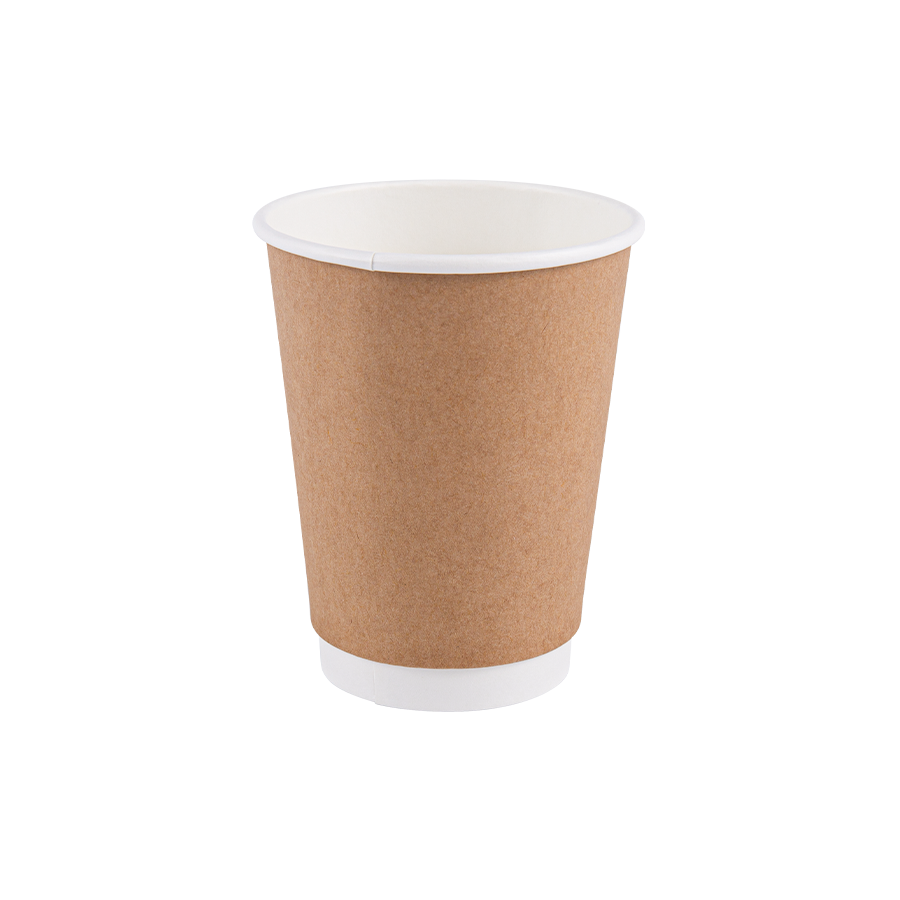
8oz Double-Wall Kraft Paper Cup with Home-Compostable Plastic-Free Coating & Thermal Insulation
-
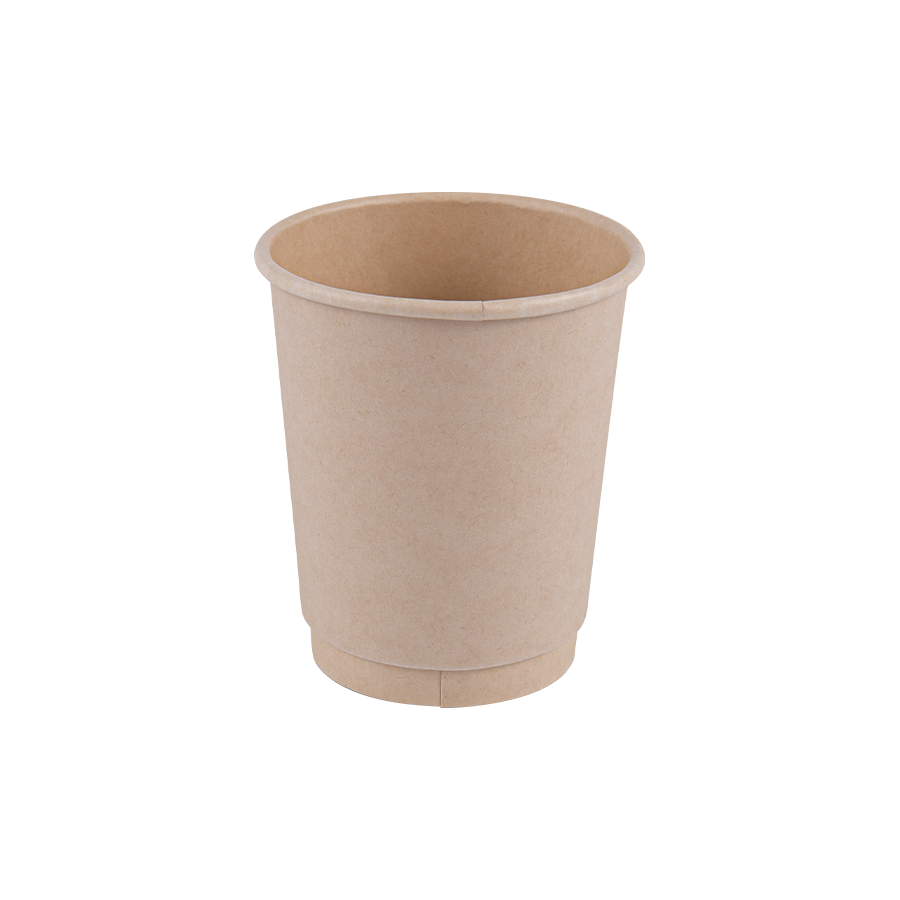
12oz (420ml) Bamboo Pulp Fiber Paper Cup with PLA Coating
-
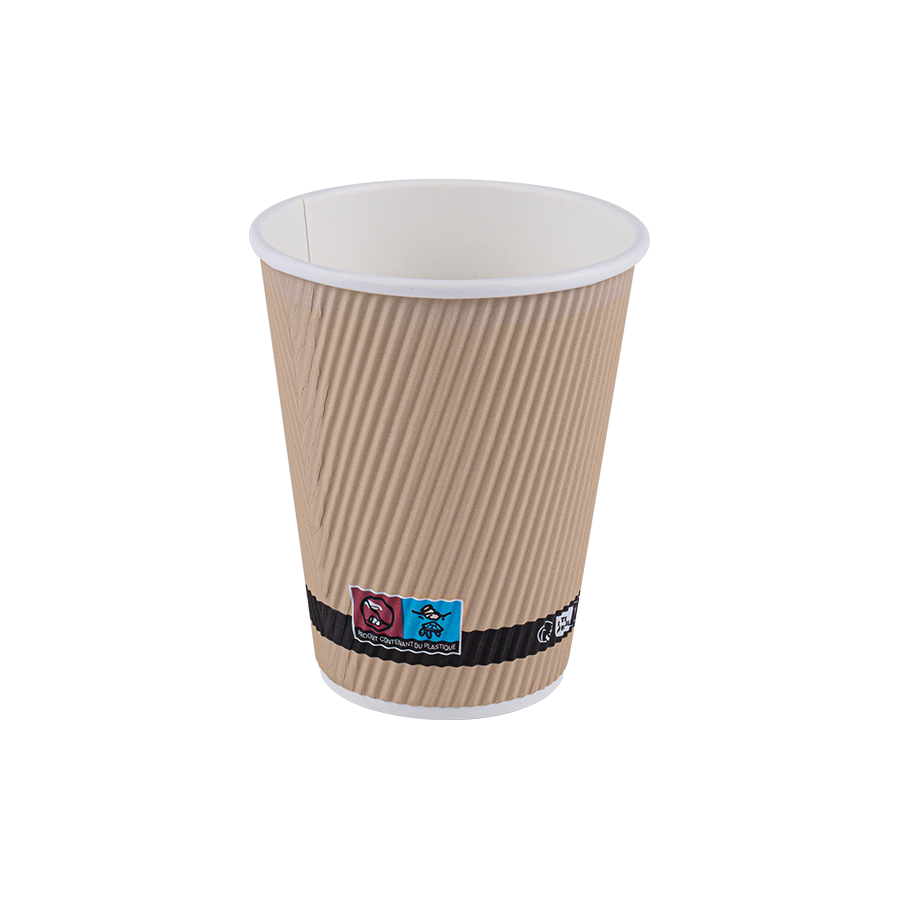
4oz Ripple Wall Paper Cup
-
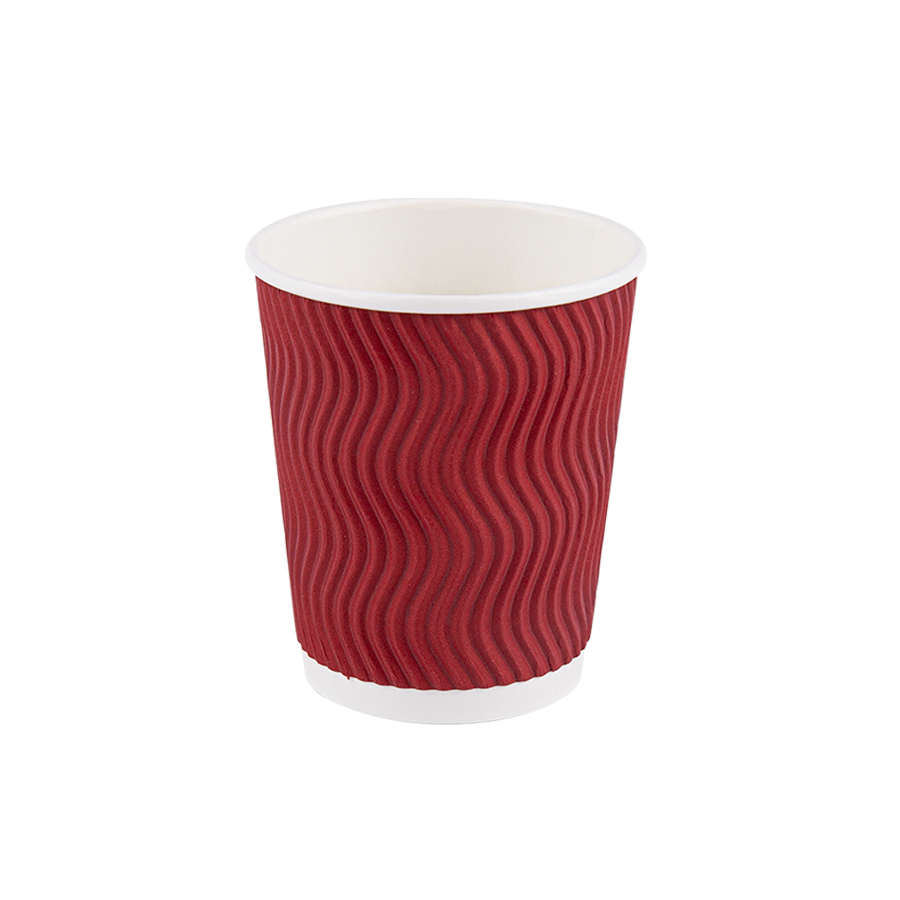
8oz 'S' Ripple Wall Paper Cup

- No. 9 Qilidian Road, Honglan Industrial Park, Lishui District, Nanjing Ctiy. China
- [email protected]
- ( +86 ) - 13327730591
Copyright © 2025 Nanjing smilepacking co., Ltd.
All Rights Reserved.

-
+86-15727116558
