
 English
 中文简体
中文简体 русский
 Español
 عربى
عربى


How Do Eco-Friendly Take-Out Containers and Paper Cups Actually Work?
Content
- 1 Why Restaurants and Cafes Are Switching to Eco-Friendly Take-Out Packaging
- 2 Materials Used in Eco-Friendly Take-Out Containers
- 3 What Makes Paper Cups a More Sustainable Choice
- 4 Comparing Common Eco-Friendly Packaging Materials
- 5 Choosing the Right Containers and Cups for Your Menu
- 6 Cost Considerations When Switching to Eco-Friendly Packaging
- 7 Helping Customers Dispose of Packaging Correctly
- 8 Certifications That Confirm Genuine Sustainability Claims
Why Restaurants and Cafes Are Switching to Eco-Friendly Take-Out Packaging
Food service businesses are under growing pressure from customers, local regulations, and supply chain partners to reduce single-use plastic waste. Eco-friendly take-out containers and paper cups have become the most visible way for a restaurant, cafe, or catering business to show that pressure is being addressed in a practical way. Beyond the environmental argument, many cities and states have already passed restrictions on polystyrene foam containers and plastic-lined cups, which means switching to compliant materials is no longer optional in many regions but a legal requirement for continuing operations.
Customers also notice packaging choices more than business owners sometimes expect. Surveys from sustainability research groups consistently show that diners are willing to choose one restaurant over another based on visible eco-conscious packaging, even when the food itself is comparable. This makes the switch to sustainable take-out containers and cups both a compliance decision and a competitive one.
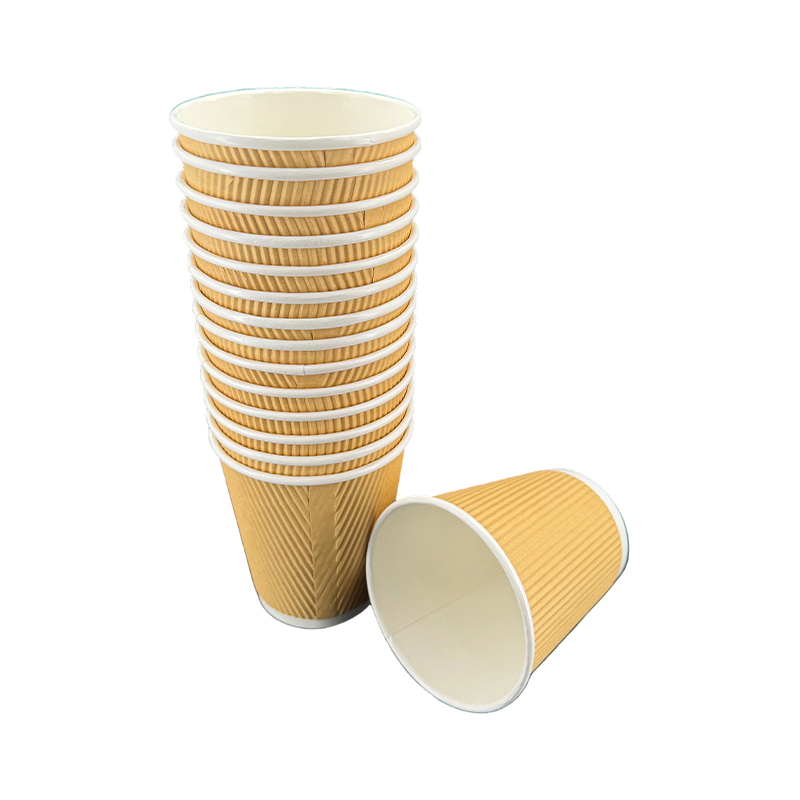
Materials Used in Eco-Friendly Take-Out Containers
Not all containers marketed as "eco-friendly" perform the same way once food, grease, and moisture are involved, so understanding the material categories helps avoid containers that look sustainable but leak or break down during transport.
Plant-Based and Compostable Materials
Containers made from sugarcane fiber, also called bagasse, are one of the most widely used compostable options because they handle hot, greasy, and liquid foods well without becoming soggy quickly. Polylactic acid, known as PLA, is another common plant-based plastic alternative derived from corn starch, often used for clear container lids or cold food packaging since it does not perform as well under high heat. Both materials are designed to break down in commercial composting facilities within a matter of months, though they generally do not compost effectively in a backyard pile without consistent heat and moisture.
Recycled Paperboard and Molded Fiber
Recycled paperboard containers are typically used for drier foods such as sandwiches, baked goods, or salads, since paperboard alone has limited resistance to oil and moisture without an added coating. Molded fiber containers, often made from recycled cardboard or newspaper pulp, are a sturdier alternative used for heavier takeout orders and can usually be both recycled and composted depending on local facility capabilities. The main advantage of these materials is that they are widely accepted in standard recycling streams, unlike some compostable plastics that require specific industrial composting access.
What Makes Paper Cups a More Sustainable Choice
Paper cups have long been viewed as the more sustainable alternative to foam or plastic cups, but the sustainability of a paper cup actually depends heavily on its internal lining. Traditional paper cups use a thin polyethylene plastic coating to prevent liquid from soaking through the paper, but this coating makes the cup difficult to recycle through standard paper recycling streams and prevents it from composting at a normal rate.
Cup Liners and Coatings to Watch For
Newer paper cup designs use a PLA-based lining instead of polyethylene, which allows the cup to be composted in commercial facilities along with the paper body. Some manufacturers have also developed water-based or aqueous coatings that eliminate plastic lining altogether, making the cup both recyclable and compostable in more facilities. When sourcing paper cups for a business, it is worth asking suppliers directly which lining type is used, since "eco-friendly" labeling on packaging does not always specify whether the cup is recyclable, compostable, or both.
Comparing Common Eco-Friendly Packaging Materials
| Material | Best Use Case | Disposal Method | Heat Resistance |
| Sugarcane Bagasse | Hot, greasy entrees | Commercial compost | High |
| PLA Plastic | Cold items, clear lids | Commercial compost | Low |
| Molded Fiber | Heavier takeout orders | Recycle or compost | Moderate to high |
| PLA-Lined Paper Cups | Hot and cold beverages | Commercial compost | Moderate |
Choosing the Right Containers and Cups for Your Menu
Matching the packaging material to the actual menu items reduces complaints about leaking, sogginess, or container failure during delivery. Soups and saucy dishes need containers with secure, leak-resistant lids, which makes bagasse or molded fiber with a tight-fitting top a better choice than thin paperboard. Cold salads and bakery items can use lighter recycled paperboard since moisture resistance is less critical. For beverages, hot drinks generally need a double-walled or insulated paper cup to prevent heat transfer to the customer's hand, while cold drink cups can use a single-wall design with a PLA or wax-based lining instead.
- Use bagasse or molded fiber containers for hot, oily, or saucy food items that need strong moisture resistance.
- Use recycled paperboard for dry items such as sandwiches, pastries, or packaged snacks.
- Use double-walled paper cups for hot beverages to improve insulation without needing a separate sleeve.
- Pair compostable containers with compostable lids and utensils, since mixing material types can contaminate composting streams.
Cost Considerations When Switching to Eco-Friendly Packaging
Eco-friendly containers and paper cups typically cost more per unit than conventional plastic or foam alternatives, often between ten and thirty percent higher depending on the material and order volume. Buying in bulk through a wholesale supplier rather than a retail packaging distributor usually narrows this gap significantly, and many distributors offer tiered pricing once monthly order volume passes a certain threshold. Some local governments also offer rebate programs or tax incentives for food businesses that switch away from foam and plastic packaging, which can offset part of the higher upfront cost.
Businesses can also manage costs by reserving the more expensive compostable containers for dine-in or delivery orders where presentation matters most, while using simpler recycled paperboard options for high-volume takeout orders where the cost difference adds up faster across thousands of units per month.
Helping Customers Dispose of Packaging Correctly
The environmental benefit of compostable containers and cups is lost if customers throw them into a regular trash bin destined for a landfill, since most compostable materials require the higher heat and microbial activity found in industrial composting facilities to break down properly. Clear labeling on containers, such as a printed note indicating "commercially compostable" rather than just "eco-friendly," helps customers understand what disposal method actually applies. Businesses operating in cities with municipal composting pickup can include a small card or sticker in takeout bags directing customers to their local composting guidelines, which improves the chance that packaging ends up in the correct waste stream.
Certifications That Confirm Genuine Sustainability Claims
Because "eco-friendly" is not a regulated term, looking for third-party certifications is the most reliable way to confirm a product's actual environmental performance. The Biodegradable Products Institute, often shown as the BPI logo, certifies that a container or cup meets specific compostability standards in industrial facilities. The Forest Stewardship Council certification, shown as the FSC logo, confirms that paper or fiber-based packaging comes from responsibly managed forests rather than unregulated logging. Checking for these certifications on product packaging or supplier documentation helps avoid paying a premium for products that use sustainability language without independent verification behind it.
Featured Products
-

16oz(500ml)PLA Biodegradable Single-Wall Paper Cup
-
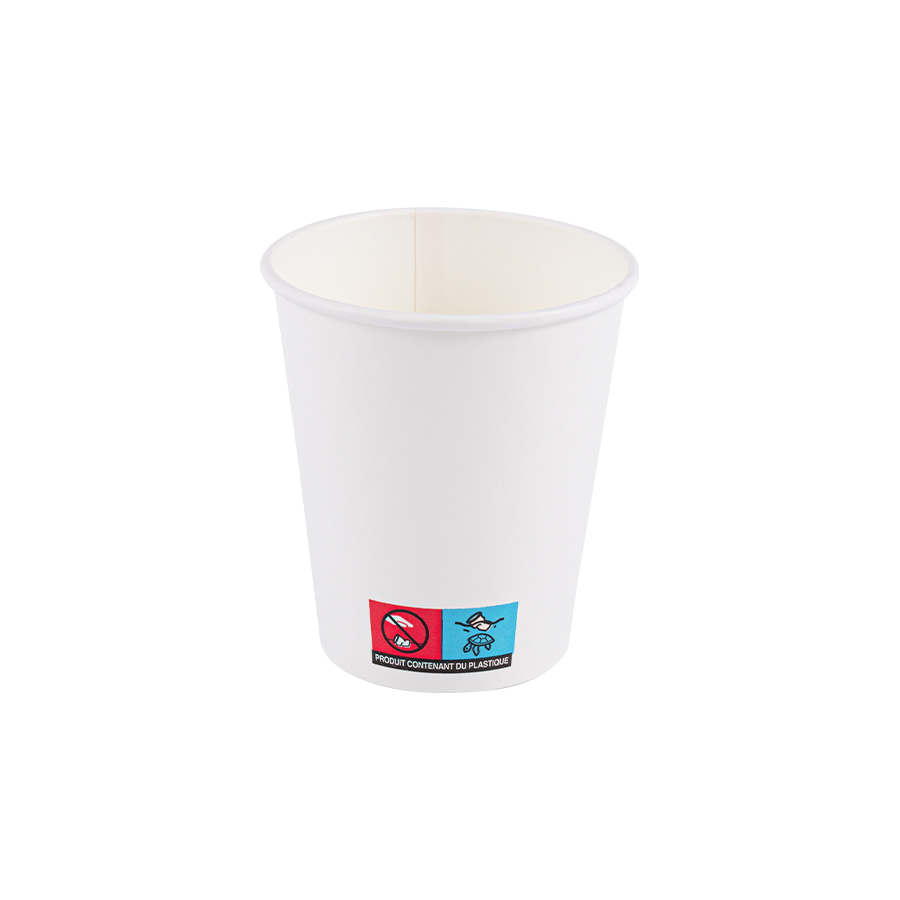
7.5oz Disposable Single-Wall Paper Cup for Automatic Vending Cup
-
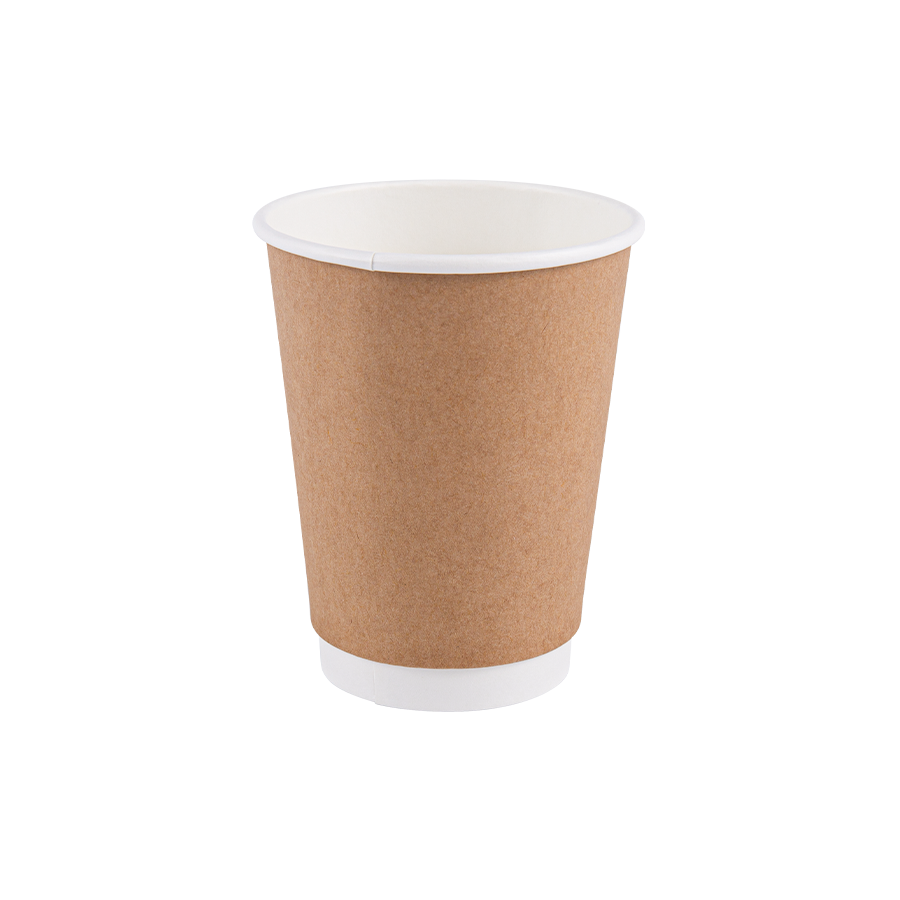
8oz Double-Wall Kraft Paper Cup with Home-Compostable Plastic-Free Coating & Thermal Insulation
-
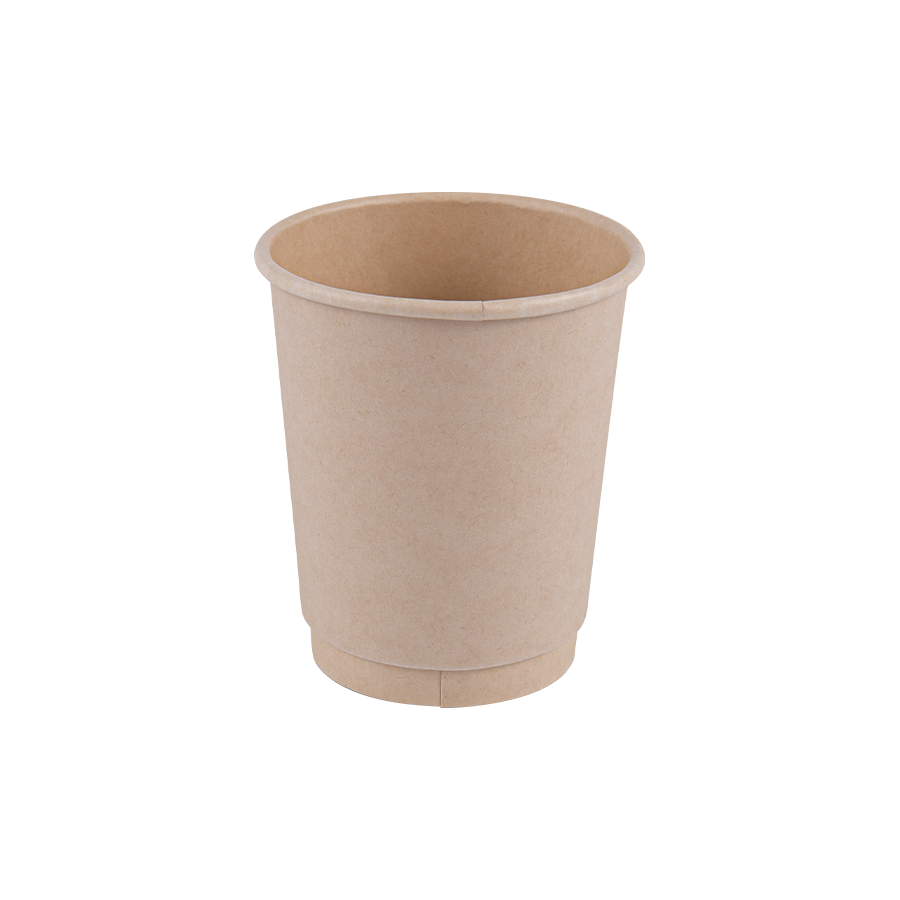
12oz (420ml) Bamboo Pulp Fiber Paper Cup with PLA Coating
-
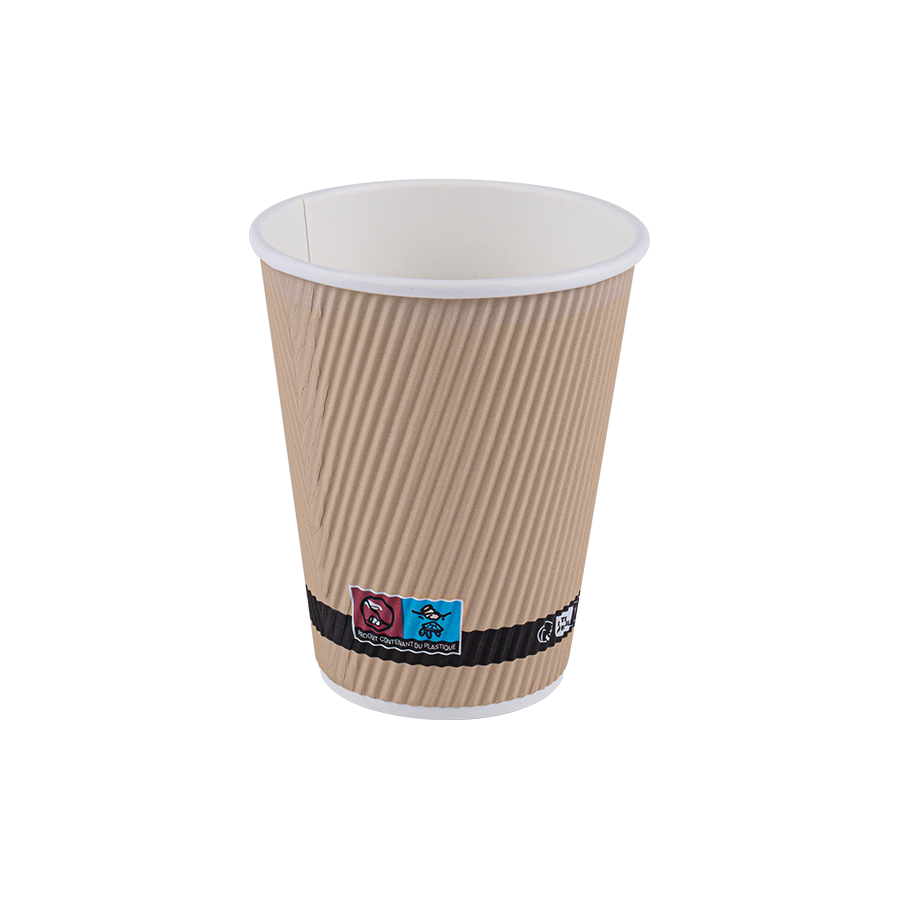
4oz Ripple Wall Paper Cup
-
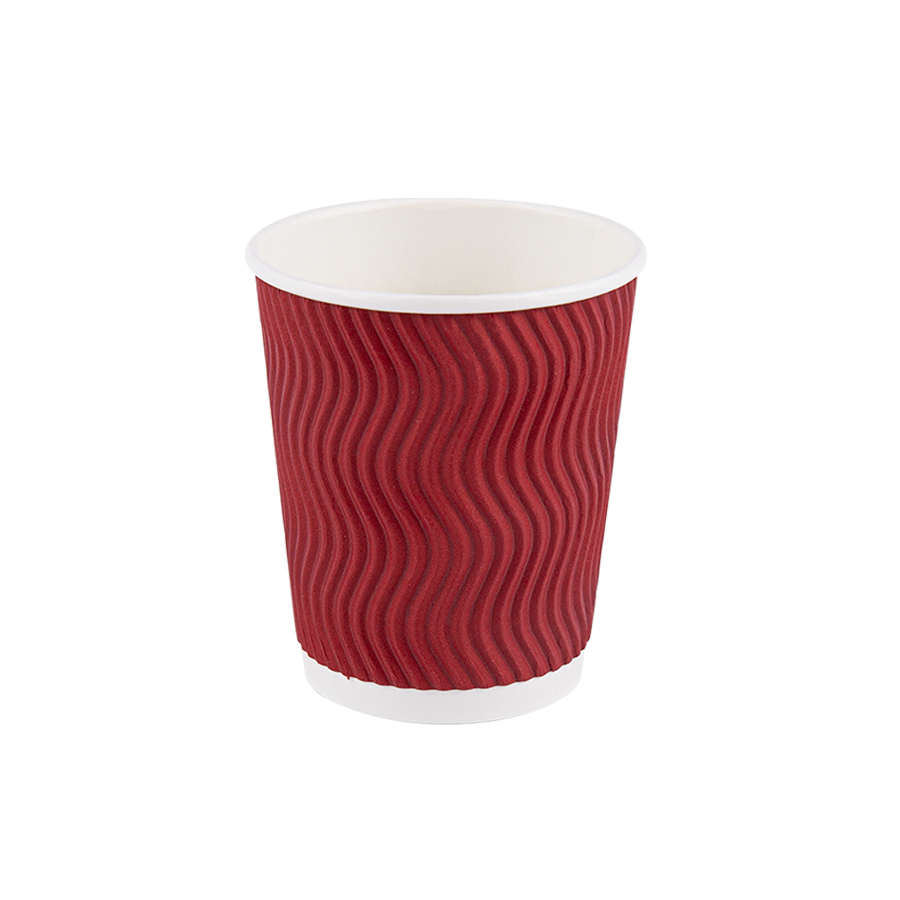
8oz 'S' Ripple Wall Paper Cup

- No. 9 Qilidian Road, Honglan Industrial Park, Lishui District, Nanjing Ctiy. China
- [email protected]
- ( +86 ) - 13327730591
Copyright © 2025 Nanjing smilepacking co., Ltd.
All Rights Reserved.

-
+86-15727116558
