
 English
 中文简体
中文简体 русский
 Español
 عربى
عربى


1.5 Cups Is How Many Ounces — and Why Does the Answer Depend on What You're Measuring?
Content
- 1 The Direct Answer: 1.5 Cups in Fluid Ounces
- 2 Fluid Ounces vs. Weight Ounces: Why the Difference Matters
- 3 1.5 Cups to Ounces for Common Ingredients
- 4 How to Measure 1.5 Cups Accurately Without a Measuring Cup
- 5 Quick Reference: Cup-to-Ounce Conversions Around 1.5 Cups
- 6 Where This Conversion Comes Up Most in Cooking and Baking
- 7 Common Measuring Mistakes to Avoid
- 8 Converting 1.5 Cups for International Recipes
The Direct Answer: 1.5 Cups in Fluid Ounces
In the US customary measurement system, 1 cup equals exactly 8 fluid ounces. That means 1.5 cups equals 12 fluid ounces. This conversion is fixed and applies to any liquid when you are measuring by volume — water, broth, juice, milk, oil, or any other pourable ingredient. If a recipe calls for 1.5 cups and you only have a liquid measuring cup marked in ounces, fill it to the 12 fl oz line and you have the exact same amount.
This is the answer most people are looking for, and it is reliable for any volume-to-volume conversion in a US kitchen. However, a common source of confusion arises when recipes or food labels express quantities in weight ounces (oz) rather than fluid ounces (fl oz). These are two fundamentally different units, and 1.5 cups does not equal 12 weight ounces for most ingredients. Understanding the distinction prevents measuring errors that can noticeably affect the outcome of a dish or baked good.
Fluid Ounces vs. Weight Ounces: Why the Difference Matters
A fluid ounce measures volume — how much space a substance occupies. A weight ounce (avoirdupois ounce) measures mass — how heavy something is. For water, these happen to be very close: 1 fluid ounce of water weighs approximately 1.04 weight ounces at room temperature, which is close enough that the two are often treated as equivalent for water-based liquids. But for any ingredient denser or lighter than water, the numbers diverge significantly.
All-purpose flour, for example, is much lighter than water. One cup of flour measured by volume holds about 4.25 ounces by weight, not 8. So 1.5 cups of flour weighs approximately 6.4 ounces — not 12. Conversely, honey is denser than water, so 1.5 cups of honey weighs around 18 ounces by weight. When a baking recipe lists ingredients in weight ounces, always use a kitchen scale rather than assuming the cup-to-fluid-ounce conversion applies to solid or semi-solid ingredients.
1.5 Cups to Ounces for Common Ingredients
The table below shows how many ounces 1.5 cups equals for a range of frequently used ingredients, distinguishing between fluid ounces (volume) and weight ounces (mass). These figures assume standard US measuring cups and typical room-temperature ingredient density.
| Ingredient | 1.5 Cups in Fluid Oz | 1.5 Cups in Weight Oz |
| Water | 12 fl oz | ≈ 12.5 oz |
| Whole Milk | 12 fl oz | ≈ 12.9 oz |
| All-Purpose Flour | 12 fl oz (volume) | ≈ 6.4 oz |
| Granulated White Sugar | 12 fl oz (volume) | ≈ 10.6 oz |
| Brown Sugar (packed) | 12 fl oz (volume) | ≈ 11.5 oz |
| Powdered Sugar (sifted) | 12 fl oz (volume) | ≈ 5.3 oz |
| Honey | 12 fl oz | ≈ 18 oz |
| Vegetable Oil | 12 fl oz | ≈ 11.2 oz |
| Rolled Oats | 12 fl oz (volume) | ≈ 4.8 oz |
| Butter (melted) | 12 fl oz | ≈ 11.4 oz |
How to Measure 1.5 Cups Accurately Without a Measuring Cup
Sometimes the right measuring cup is not at hand. Knowing equivalent measures in other tools makes it easy to hit 1.5 cups precisely using whatever is available in the kitchen.
Using Tablespoons
One cup equals 16 tablespoons, so 1.5 cups equals 24 tablespoons. This is a practical option when measuring small amounts of a thick ingredient like sour cream or peanut butter that won't pour easily into a liquid cup. Count out 24 level tablespoons and you have exactly 1.5 cups.
Using a Kitchen Scale
For water or water-density liquids, 1.5 cups weighs approximately 355 grams (or about 12.5 ounces). For dry ingredients, refer to the weight-ounce column in the table above and weigh directly. A kitchen scale is the most accurate method for baking, where small measurement errors in flour or sugar compound across a recipe and affect texture and rise.
Using Smaller Cup Measures
If you only have a ½-cup measure, fill it three times to get 1.5 cups. If you only have a ¼-cup measure, fill it six times. A ⅓-cup measure does not divide evenly into 1.5 cups, so it is not a good substitute here. A ¾-cup measure filled twice gives exactly 1.5 cups and is the fastest shortcut if that size is available.
Quick Reference: Cup-to-Ounce Conversions Around 1.5 Cups
It is useful to have a mental map of nearby conversions so you can scale recipes up or down quickly without recalculating each time. The table below covers common cup measures from ¼ cup to 3 cups with their fluid ounce equivalents.
| Cups | Fluid Ounces | Tablespoons | Milliliters |
| ¼ cup | 2 fl oz | 4 tbsp | 59 ml |
| ½ cup | 4 fl oz | 8 tbsp | 118 ml |
| ¾ cup | 6 fl oz | 12 tbsp | 177 ml |
| 1 cup | 8 fl oz | 16 tbsp | 237 ml |
| 1.5 cups | 12 fl oz | 24 tbsp | 355 ml |
| 2 cups | 16 fl oz | 32 tbsp | 473 ml |
| 2.5 cups | 20 fl oz | 40 tbsp | 591 ml |
| 3 cups | 24 fl oz | 48 tbsp | 710 ml |
Where This Conversion Comes Up Most in Cooking and Baking
The 1.5-cup quantity appears frequently in standard recipe yields, making it one of the more practical conversions to know by memory. A classic béchamel sauce for a four-serving pasta dish typically calls for 1.5 cups of milk. Many brownie and bar cookie recipes call for 1.5 cups of sugar. Rice dishes commonly specify 1.5 cups of dry rice to serve three to four people, and soup and stew recipes often list 1.5 cups of broth as a base liquid quantity for a single serving of sauce.
In beverage contexts, 1.5 cups — or 12 fluid ounces — is exactly the size of a standard tall coffee drink or a can of soda (which is also 12 fl oz). This makes the conversion easy to visualize: a full standard can is 1.5 cups. For cocktail and mocktail recipes, 12 fluid ounces split across two servings gives 6 fl oz or ¾ cup per glass, which is another useful scaling point.
Common Measuring Mistakes to Avoid
Even simple conversions like cups to ounces trip people up in practice. These are the most frequent errors that lead to incorrect measurements:
- Using a liquid measuring cup for dry ingredients: Liquid cups have a spout and are designed to be filled to a line and read at eye level. Dry measuring cups are designed to be filled to the brim and leveled off. Using the wrong type for flour or sugar introduces air or compression errors.
- Scooping flour directly from the bag: Scooping compacts the flour into the cup, adding 10–20% more weight than a properly spooned and leveled cup. For 1.5 cups of all-purpose flour, this can mean an extra half-ounce or more, which toughens baked goods.
- Confusing fluid ounces and weight ounces on packaging: A 12 oz can of evaporated milk contains 12 weight ounces, not 12 fluid ounces — the actual volume is slightly less than 1.5 cups. Always check whether the label is using fl oz or oz.
- Reading a liquid measuring cup from above instead of at eye level: The meniscus — the slight curve at the liquid surface — causes a parallax error when viewed from above. Reading from eye level at the bottom of the meniscus gives a true 12 fl oz reading.
- Applying US cup conversions to UK or Australian recipes: The US cup is 237 ml. The UK imperial cup (now rarely used) is 284 ml, and the metric cup used in Australia and Canada is 250 ml. A recipe specifying 1.5 metric cups contains 375 ml, not 355 ml — a difference of about 3 teaspoons that can affect delicate recipes.
Converting 1.5 Cups for International Recipes
If you are following a recipe from outside the United States, the cup measurement may not align exactly with the US standard. For most savory recipes, the difference between a US cup (237 ml) and a metric cup (250 ml) is small enough to ignore. But for precision baking — particularly recipes that depend on the ratio of wet to dry ingredients — the distinction matters. When working from a metric recipe that specifies 1.5 cups, use 375 ml rather than 355 ml to match the author's intent.
The safest approach when cooking from international recipes is to work in grams and milliliters rather than cups whenever the recipe provides those values. Most professional and tested recipes from the UK, Europe, and Australia are written primarily in metric units, with cup measurements included only as a secondary reference. Prioritizing the metric quantities gives you the most accurate result regardless of which country's cup definition you're working with.
To summarize: 1.5 cups is 12 fluid ounces by volume, 355 milliliters, and 24 tablespoons. In weight, it equals 12.5 ounces for water, but varies substantially for every other ingredient based on its density. Keeping these benchmarks in mind — and knowing when to reach for a scale instead of a cup — is what separates consistently accurate kitchen measuring from guesswork.
Featured Products
-

16oz(500ml)PLA Biodegradable Single-Wall Paper Cup
-

7.5oz Disposable Single-Wall Paper Cup for Automatic Vending Cup
-
8oz Double-Wall Kraft Paper Cup with Home-Compostable Plastic-Free Coating & Thermal Insulation
-
12oz (420ml) Bamboo Pulp Fiber Paper Cup with PLA Coating
-
4oz Ripple Wall Paper Cup
-
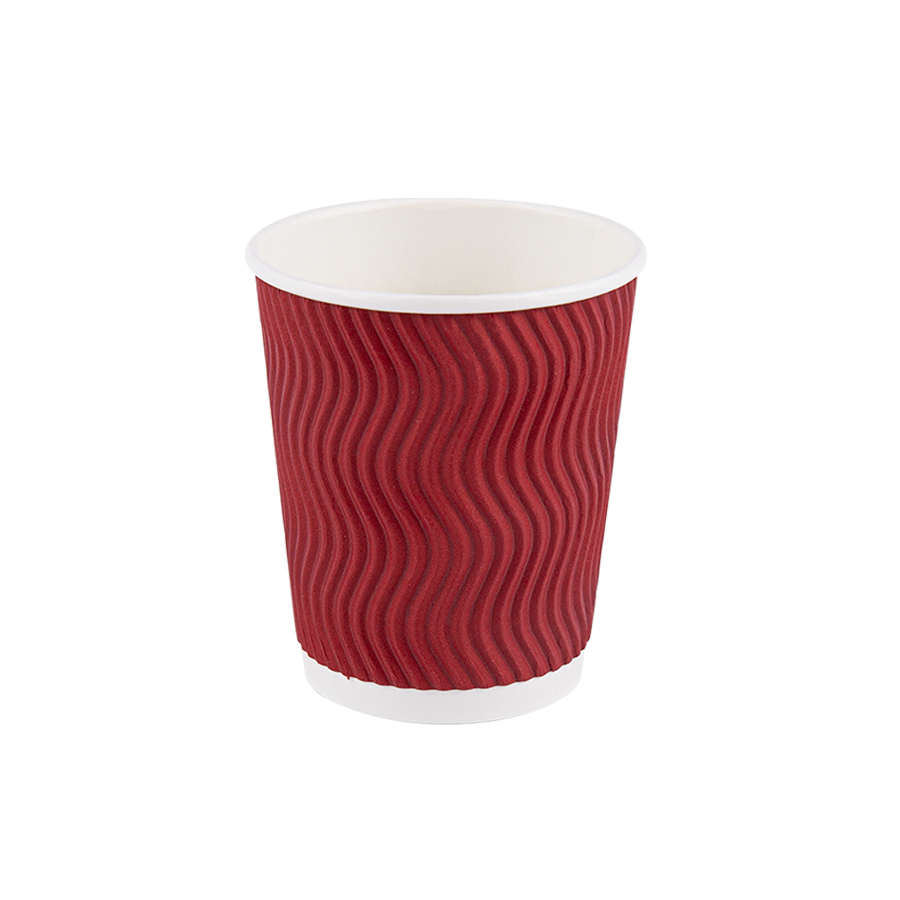
8oz 'S' Ripple Wall Paper Cup

- No. 9 Qilidian Road, Honglan Industrial Park, Lishui District, Nanjing Ctiy. China
- [email protected]
- ( +86 ) - 13327730591
Copyright © 2025 Nanjing smilepacking co., Ltd.
All Rights Reserved.

-
+86-15727116558
