
 English
 中文简体
中文简体 русский
 Español
 عربى
عربى


Complete Guide to Paper Bowl Takeout Boxes: Ideal Size
Content
- 1 I: Definitions and Standards – Understanding the Capacity and Dimensions of Paper Cups
- 2 II: Ideal Dimensions and Functional Design: Tailored for Dishes
- 3 III: The Evolution of Materials - How to Choose a Truly Environmentally Friendly Paper Bowl
- 4 IV : Optimization Strategies for Restaurants - Balancing Cost, Experience, and Sustainability
- 5 Conclusion: Smart packaging is a strategy, not an expense
Introduction: Beyond Containers, an Extension of the Dining Experience
When a steaming hot takeout meal is delivered to the customer, the first thing perceived is often not the aroma of the food, but the packaging—paper bowls takeout boxes. These have long transcended their simple serving function, becoming conveyors of brand image, food safety, consumer experience, and even environmental commitments. From a bowl of thick soup noodles to a refreshing salad, the choice of paper bowls directly impacts the dish’s presentation, temperature, and customer satisfaction.
Driven by the booming food delivery economy and the global environmental movement, selecting the right paper bowls for restaurants has become more crucial than ever. This article will delve into the ideal dimensions and designs for paper bowl takeout containers, analyze the selection of eco-friendly materials, and provide a comprehensive set of procurement and optimization strategies for restaurants, helping food industry professionals make informed decisions.
I: Definitions and Standards – Understanding the Capacity and Dimensions of Paper Cups
1. Common Capacity Standards (Using US Liquid Ounces as an Example)
8-12 oz (approximately 240-350 mL): Suitable for small portions of soup, desserts, side dishes, or children’s meals. For example, a single serving of miso soup, oatmeal congee, or ice cream.
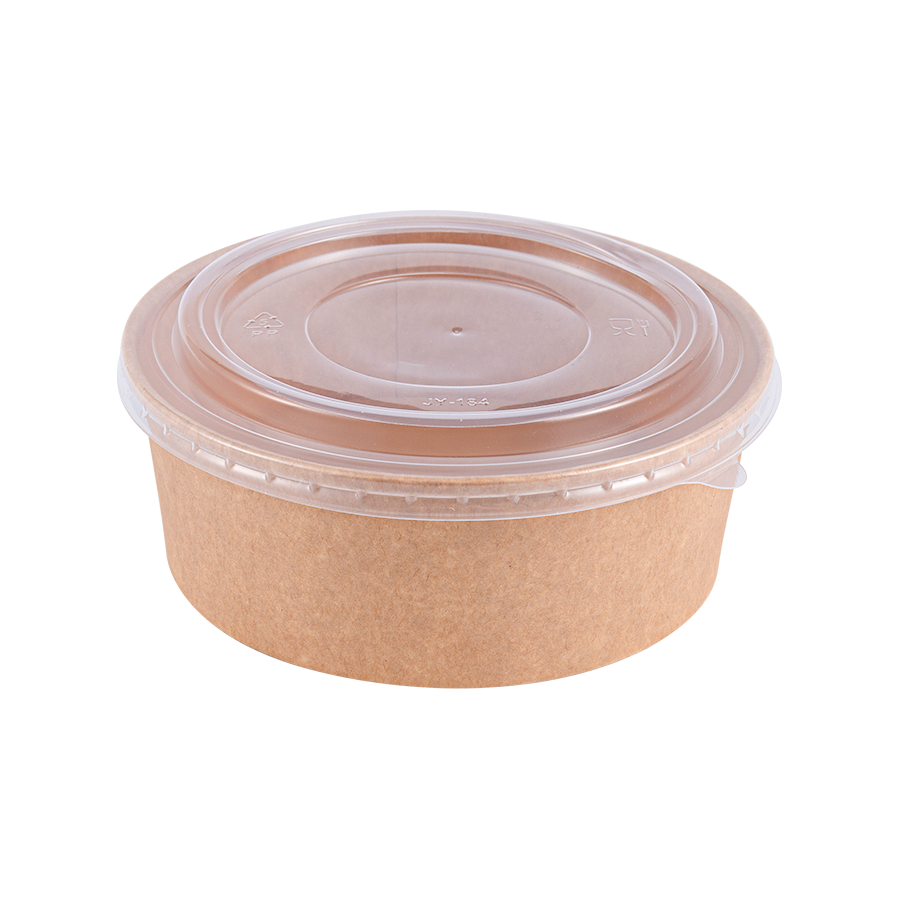
16 oz (approximately 473 mL, or 1 pint): This is the most common single-serving size for main meals. It perfectly accommodates a standard portion of fried rice, noodles, salad, or rice with stewed meat.
24-32 oz (approximately 700-946 mL, i.e., 1 quart): Suitable for large main meals, shared portions for two, or family bulk packaging. Commonly used for pickled Chinese cabbage fish, spicy hot pot, large salads, or family-sized soups.
Over 32 oz: Mostly designed for specialized categories, such as large salad bowls for parties or full-sized soup takeout containers.
2. Physical Dimensions and Design Considerations
The physical dimensions of paper bowls (diameter, base diameter, and height) are closely related to their capacity and directly affect their stability and stacking efficiency.
Wide-mouth shallow bowl: More suitable for dishes like salads and mixed rice that require stirring or appear more substantial, making it easier for customers to serve themselves.
Narrow-mouth deep bowl: More suitable for noodles and soups with liquid, it helps retain heat, prevent spills, and gives a sense of substantial content.
Enhanced leak-proof lid design: The inner side of the lid features a circular groove or raised dome, providing space for ingredients (especially noodles and side dishes) to prevent compression and soup leakage.
II: Ideal Dimensions and Functional Design: Tailored for Dishes
Choosing paper bowls is essentially about finding the most suitable “home” for each dish. Below are the key design considerations based on different needs:
| Design considerations | Recommended design and size characteristics | Examples of applicable dishes | Core Value |
| Leak prevention and sealing | Double leak-proof structureBowl with rolled rim and a snap-on lid;Heat-sealable film or snap-on easy-tear filmAs an additional seal. | Spicy wontons, hot and sour soup, beef noodles | Ensuring transportation safety and enhancing customer trustTo avoid negative reviews and customer complaints. |
| Thermal insulation | Thickened cup wall (double-layer structure);Built-in PE coating or aluminum foil layerTo block heat conduction; combined withInsulated baguse. | Various soups, porridges, and stews | To maintain optimal taste upon deliveryThis is the key to competitiveness in the hot food delivery market. |
| Stacking and Storage | Scientific taper designThe upper and lower bowls can be stably stacked, saving more than 80% of storage and transportation space. | All dishes, especially those prepared during peak season. | Significantly reduces warehousing costs and improves kitchen packaging efficiency.. |
| Display and Branding | Excellent whiteness or custom original color;High-quality printed surfaceLogos can be printed in single or multiple colors;Matte or glossy texturechoose. | All dishes, especially those from boutique restaurants that emphasize brand image. | Advertising from the moment you open the boxThis enhances brand professionalism and memorability, and encourages sharing on social media. |
III: The Evolution of Materials - How to Choose a Truly Environmentally Friendly Paper Bowl
The material selection for paper bowls is at the core of environmental commitments. Here are several key concepts that need to be clarified:
1. Analysis of mainstream environmentally friendly materials
Bagasse: made from plant fiber waste after sugar production. Durable, oil resistant, fully biodegradable, and home compostable, it is an excellent choice for soup based takeout.
Bamboo pulp: Bamboo grows quickly and is renewable. The paper bowl made of fibers is tough, naturally antibacterial, and has advanced visual effects.
Wood pulp cardboard (including recycled components): Choose pulp with FSC (Forest Stewardship Council) certification to ensure sustainable sources. Using cardboard with a high proportion of recycled fibers is also an environmentally friendly choice.
PLA coating: Traditional paper bowls are coated with a layer of PE plastic film on the inner wall to prevent leakage, which seriously hinders recycling. PLA (polylactic acid) film is derived from plant starch such as corn and can be degraded under industrial composting conditions, making it an important environmental upgrade to replace traditional plastic film.
2. Essential environmental certification
When choosing, please be sure to identify authoritative third-party certification marks, which are the “identity cards” of your environmental claims:
Compostable certification: such as BPI (USA), ABA (Australia), DIN CERTCO (Europe) or Chinese national standard GB/T. This proves that the product can be completely decomposed into water and carbon dioxide in specific composting facilities.
FSC certification: Ensure that pulp comes from responsibly managed forests.
OK Compost HOME: More stringent, indicating that the product can degrade under backyard composting conditions at home.
3. Provide a green selection list for the restaurant
Preferred: Sugarcane pulp/bamboo pulp bowls without plastic coating or PLA coating, and ensure composting certification.
Second choice: Use FSC certified paper bowls with high recycled pulp and minimize the amount of PE coating used.
Should avoid: traditional paper bowls that cannot distinguish material sources, have no environmental certification, and use thick PE coating.
IV : Optimization Strategies for Restaurants - Balancing Cost, Experience, and Sustainability
Choosing a paper bowl is a comprehensive decision that requires aligning operational, marketing, and environmental goals.
- In depth cost-benefit analysis
The unit price of eco-friendly paper bowls is usually 10% -30% higher than traditional paper bowls. But this should not be seen as a simple ‘cost increase’, but rather as a ‘value investment’.
Explicit costs: purchase unit price, warehousing and logistics fees.
Hidden costs and value: customer loyalty and repurchase rate brought by brand enhancement; Meet environmental regulations and avoid potential fines in the future; Attract consumers who value sustainable development and are highly loyal customers.
Data analysis driven: Based on the sales data of the food delivery platform, accurately analyze the sales volume of each dish, reserve paper bowls with main capacity (such as 16oz) according to the 80/20 principle, and supplement with small and large capacity.
Collaborative design of menu and packaging: Launch 16oz set meals suitable for “one person eating” and 32oz set meals suitable for “family sharing”, guide consumption with packaging, and achieve inventory optimization.
2. Communicate the environmental value with customers
Simply using eco-friendly packaging is not enough, you must tell customers about your efforts to achieve the ultimate transmission of value:
Print environmental labels and simple disposal guidelines on the bowl or sealing sticker, such as: "This product is made from sugarcane bagasse and is compostable and biodegradable. Please classify and dispose of it
Share your story and original intention of choosing eco-friendly packaging on food delivery platform store announcements and social media.
Small scale marketing activities, such as the “Bring Your Own Tableware Carbon Reduction Plan”, can be considered to form a linkage with environmental protection actions.
Conclusion: Smart packaging is a strategy, not an expense
In the fiercely competitive food delivery market, a seemingly simple paper bowl choice is actually the intersection of product thinking, user operation, and social responsibility. The ideal paper bowl is the “ultimate container” that can perfectly safeguard food flavors, efficiently adapt to operational processes, clearly convey brand values, and shoulder environmental responsibilities.
From the precise matching of dish functionality design, to a deep understanding of the nature and certification of environmentally friendly materials, to the strategic planning of converting packaging costs into brand value, every step reflects the wisdom of the operator. Investing in the right paper bowl is not only investing in the safe arrival of a takeaway, but also investing in the long-term trust of customers and the green future we share together.
LATEST POST
Let’s create something amazing together
contact usFeatured Products
-

16oz(500ml)PLA Biodegradable Single-Wall Paper Cup
-
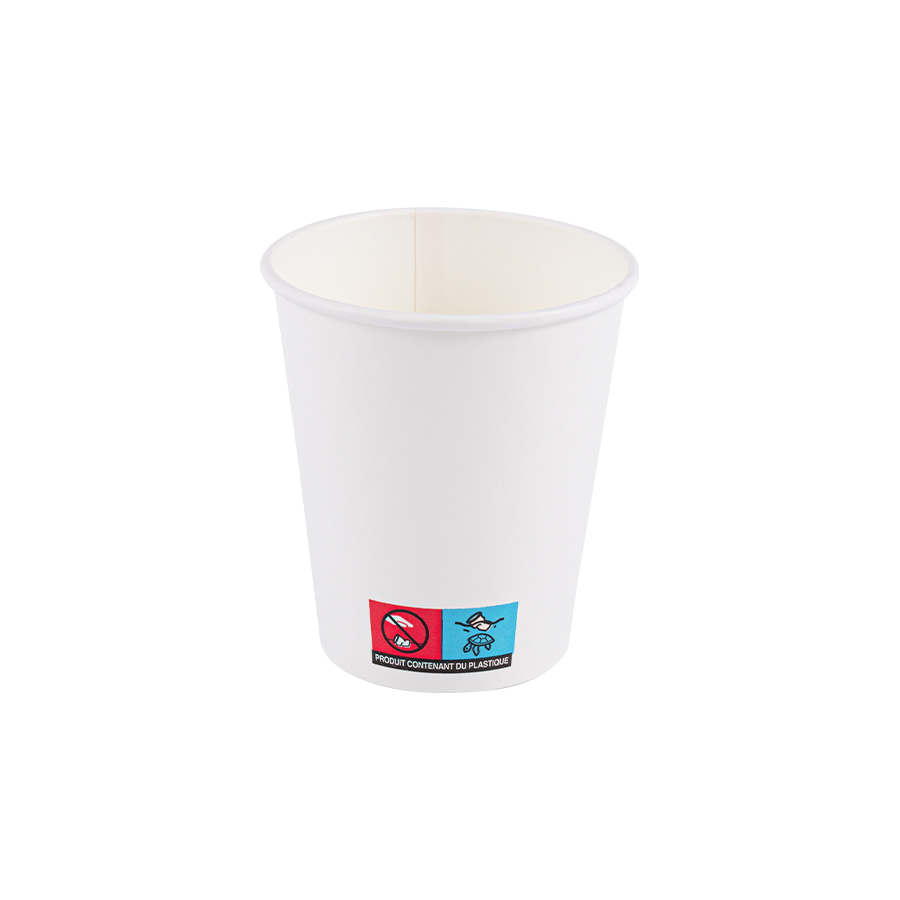
7.5oz Disposable Single-Wall Paper Cup for Automatic Vending Cup
-
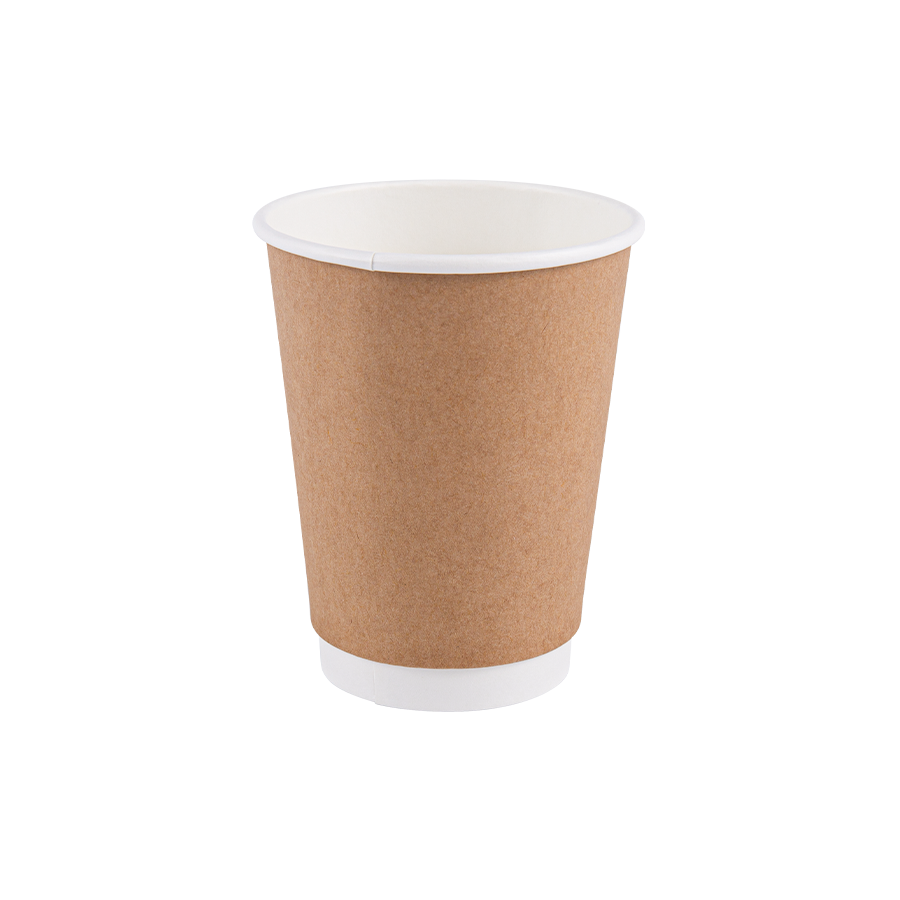
8oz Double-Wall Kraft Paper Cup with Home-Compostable Plastic-Free Coating & Thermal Insulation
-
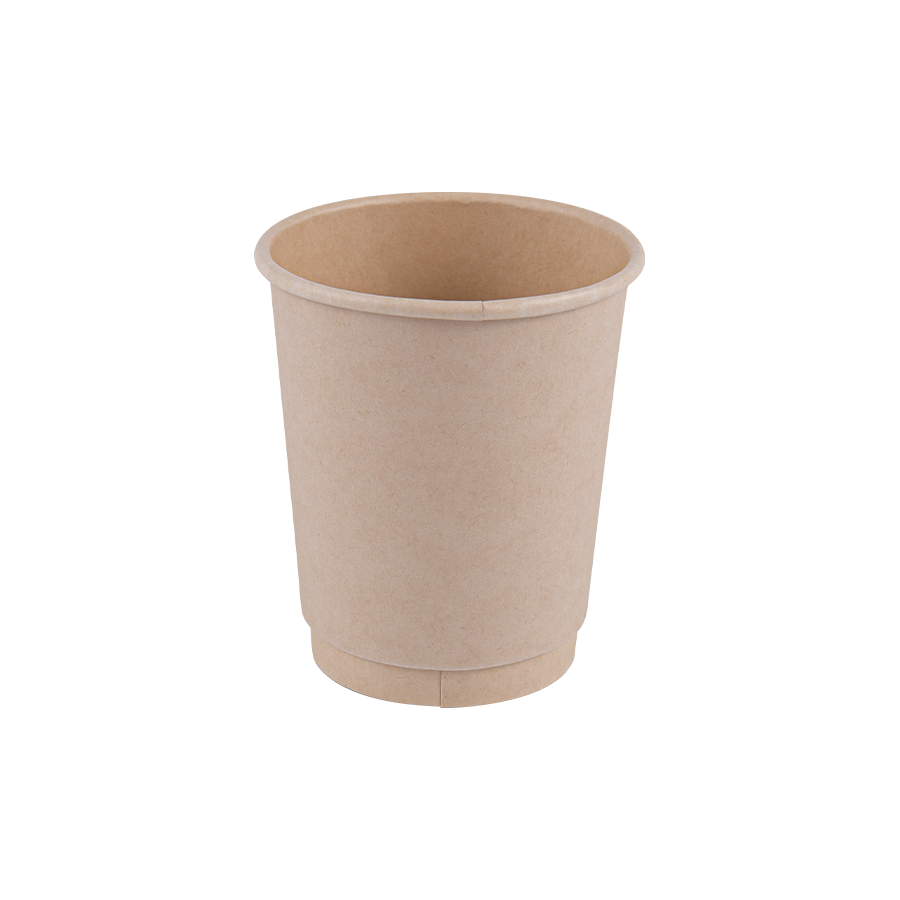
12oz (420ml) Bamboo Pulp Fiber Paper Cup with PLA Coating
-
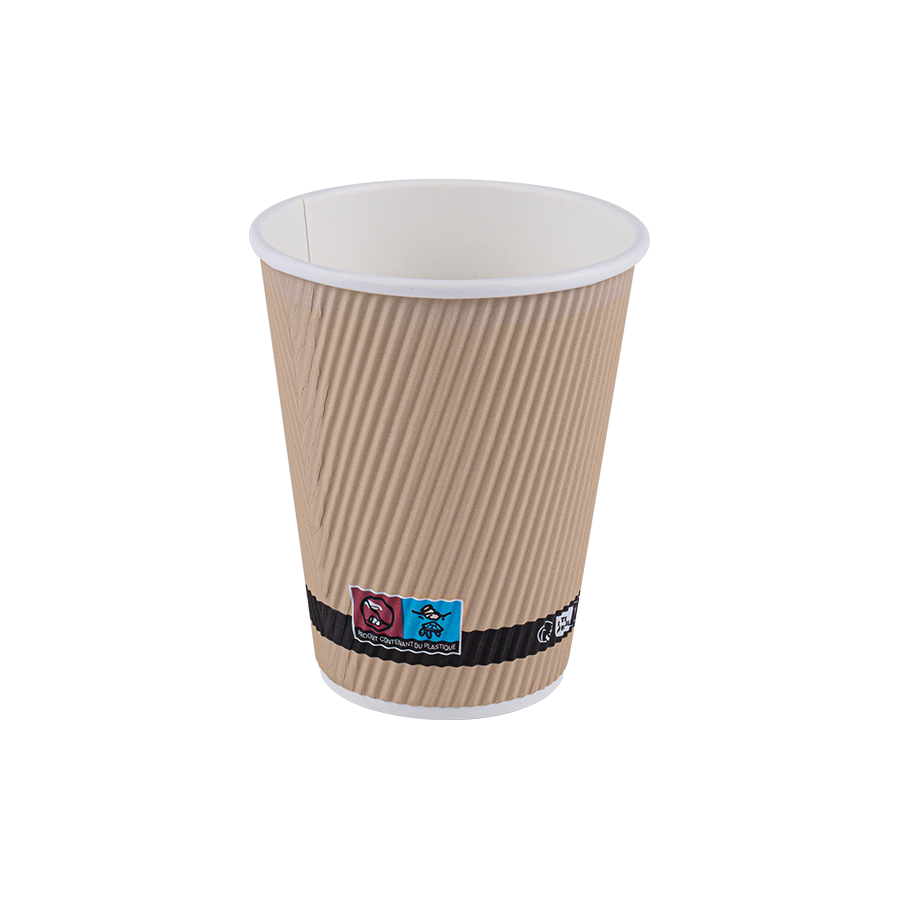
4oz Ripple Wall Paper Cup
-
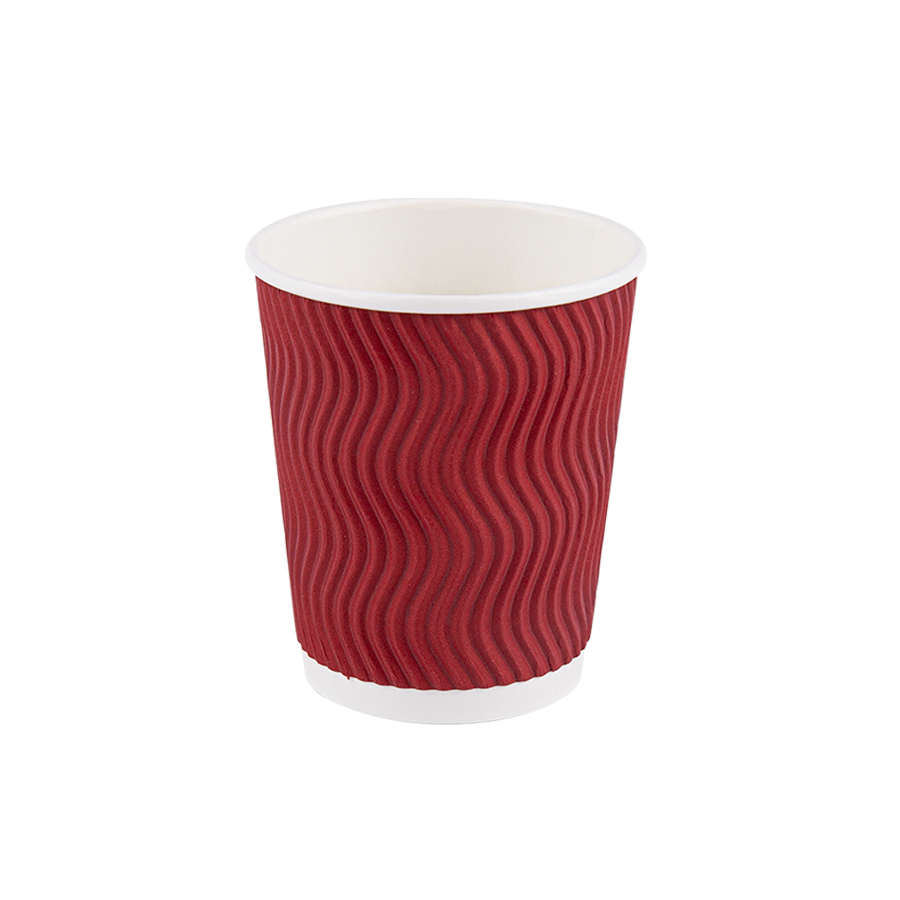
8oz 'S' Ripple Wall Paper Cup

- No. 9 Qilidian Road, Honglan Industrial Park, Lishui District, Nanjing Ctiy. China
- [email protected]
- ( +86 ) - 13327730591
Copyright © 2025 Nanjing smilepacking co., Ltd.
All Rights Reserved.

-
+86-15727116558
