
 English
 中文简体
中文简体 русский
 Español
 عربى
عربى


Are Disposable Paper Cups Safe for Hot Beverages?
Content
Understanding Disposable Paper Cups
Disposable paper cups are widely used in cafes, offices, and events for serving hot and cold beverages. They are designed for single-use convenience, providing a hygienic and practical option for serving drinks without the need for washing. Typically, these cups are made of paper with a polyethylene or biodegradable lining to prevent liquid absorption.
Materials Used in Hot Beverage Paper Cups
The primary material for disposable paper cups is paperboard, which is coated with a thin layer of polyethylene (PE) or polylactic acid (PLA) to make it waterproof. The PE lining is common for standard cups, whereas PLA lining is used in eco-friendly cups that are compostable. Both materials are designed to prevent leakage while holding hot liquids.
Paperboard Quality
High-quality paperboard ensures structural integrity when holding hot liquids. Cups with thicker paperboard are less likely to deform, spill, or cause discomfort when handled.
Plastic vs Biodegradable Linings
Plastic linings provide excellent heat resistance and durability but are not biodegradable. PLA linings are eco-friendly but may have a lower tolerance for very high temperatures, which could lead to deformation if used with extremely hot beverages.
Heat Resistance of Disposable Paper Cups
Disposable paper cups are generally designed to hold hot beverages up to 90-95°C. The heat resistance depends on the paperboard thickness and the type of lining used. While PE-coated cups handle hot drinks well, users should be cautious with PLA-lined cups, especially with boiling water, as they can soften under extreme heat.
Temperature Guidelines
Most disposable paper cups indicate a maximum recommended temperature on the packaging. Following these guidelines ensures safety, prevents burns, and maintains the structural integrity of the cup.
Insulation and Double-Wall Cups
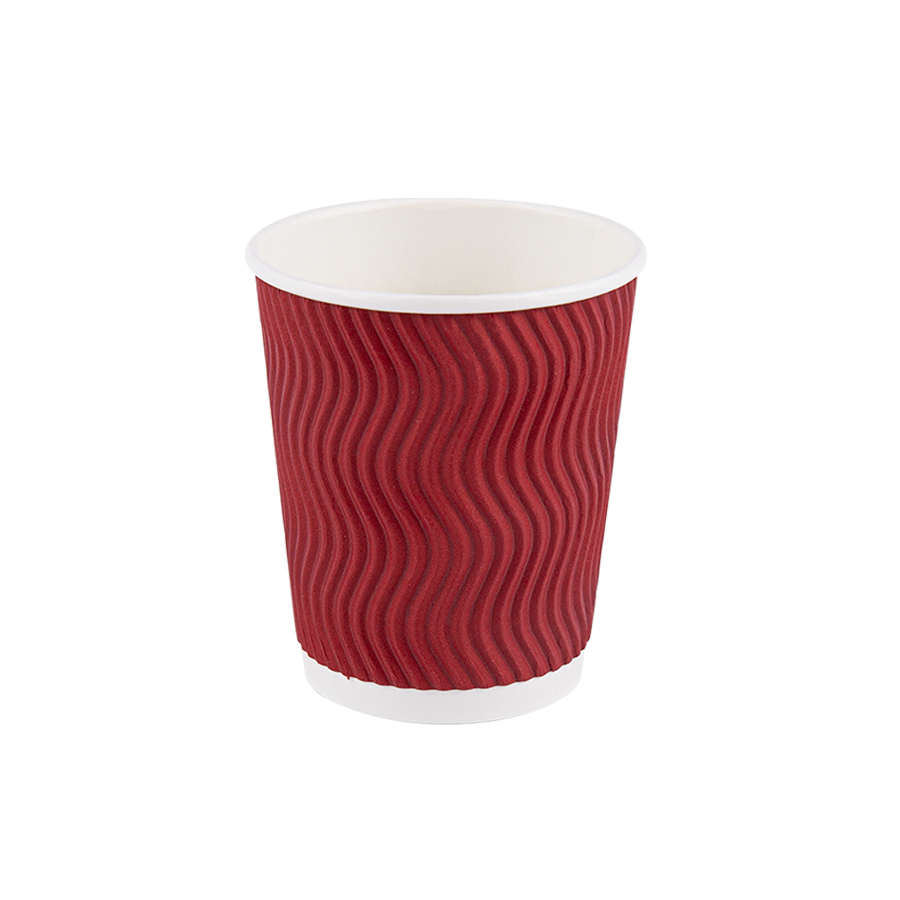
Double-wall or sleeve designs improve heat insulation, allowing users to hold hot beverages comfortably. Single-wall cups can become very hot to the touch, increasing the risk of burns if not handled carefully.
Health Considerations When Using Paper Cups
Health concerns regarding paper cups generally focus on chemical leaching from the lining materials. Studies suggest that PE-lined cups are stable under normal use, while PLA cups are safe if used below recommended temperatures. Avoid using damaged or scratched cups, as this may increase the chance of chemical migration into beverages.
Potential Chemical Exposure
Polyethylene is considered food-safe and does not release harmful chemicals under typical hot beverage conditions. PLA is made from plant-based materials and is also considered safe. However, overheating or microwaving these cups can increase chemical leaching.
Best Practices for Health Safety
- Use cups according to the recommended temperature limits.
- Avoid reheating beverages directly in disposable paper cups.
- Check for cracks or damage before use.
- Prefer biodegradable cups for environmental and health considerations.
Environmental Impact of Hot Beverage Cups
While disposable paper cups offer convenience, their environmental footprint is significant. PE-coated cups are challenging to recycle due to the plastic lining. Biodegradable cups with PLA linings are compostable in industrial facilities, reducing long-term waste. Choosing the right cup depends on balancing convenience, safety, and environmental impact.
Recycling and Disposal Tips
Many municipal recycling programs do not accept PE-lined cups. Compostable cups should be sent to industrial composting facilities rather than home composts to ensure proper breakdown. Always check local disposal guidelines to minimize environmental harm.
Eco-Friendly Alternatives
- Reusable mugs or thermoses for daily use
- Biodegradable cups with PLA linings
- Paper cups certified by environmental organizations
Conclusion: Safe Usage of Disposable Paper Cups
Disposable paper cups are generally safe for hot beverages if used according to recommended guidelines. Understanding the materials, heat limits, and handling precautions ensures a safe and enjoyable drinking experience. For health-conscious and eco-conscious users, opting for biodegradable or double-wall cups enhances safety and reduces environmental impact.
Tips for Consumers
- Always check the maximum recommended temperature on the cup packaging.
- Use sleeves or double-wall designs for better heat insulation.
- Choose high-quality cups from reputable manufacturers to minimize chemical exposure.
- Consider reusable or compostable options for sustainable usage.
LATEST POST
Let’s create something amazing together
contact usFeatured Products
-

16oz(500ml)PLA Biodegradable Single-Wall Paper Cup
-
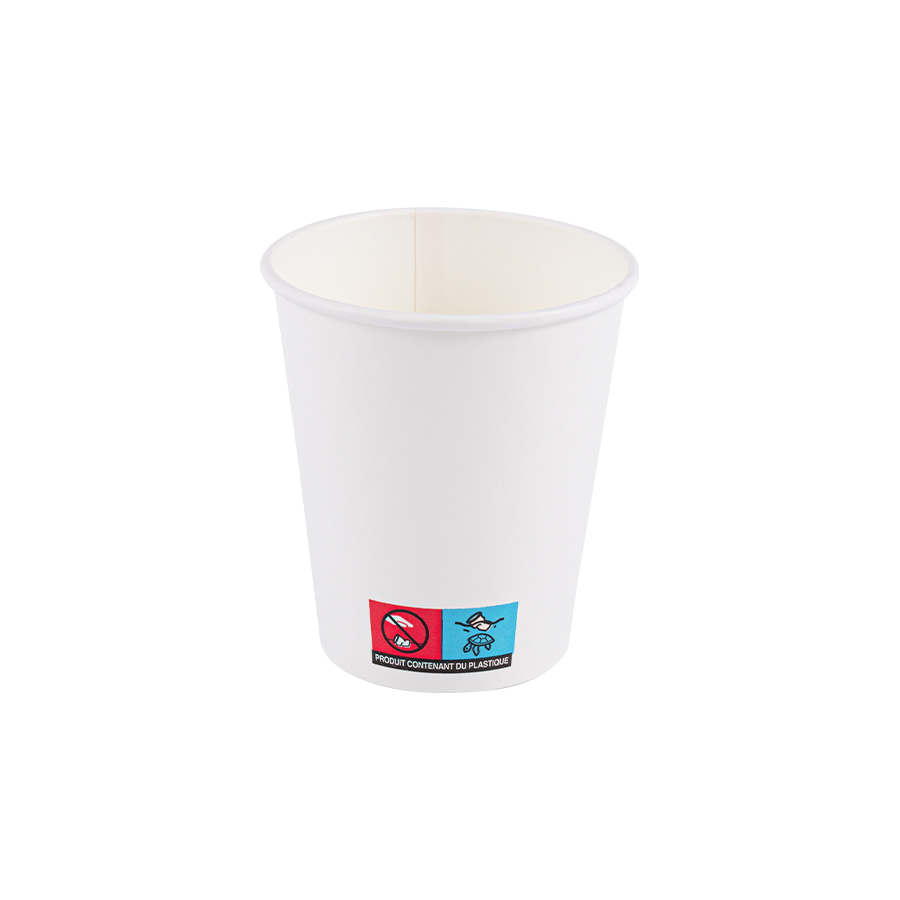
7.5oz Disposable Single-Wall Paper Cup for Automatic Vending Cup
-
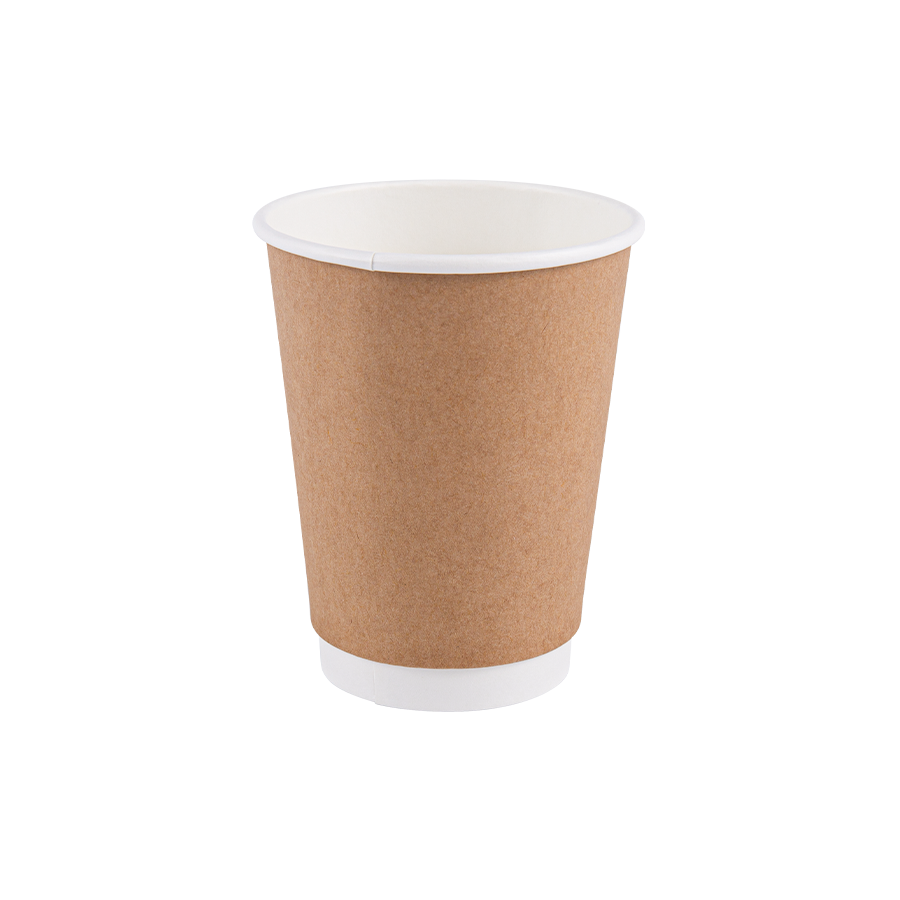
8oz Double-Wall Kraft Paper Cup with Home-Compostable Plastic-Free Coating & Thermal Insulation
-
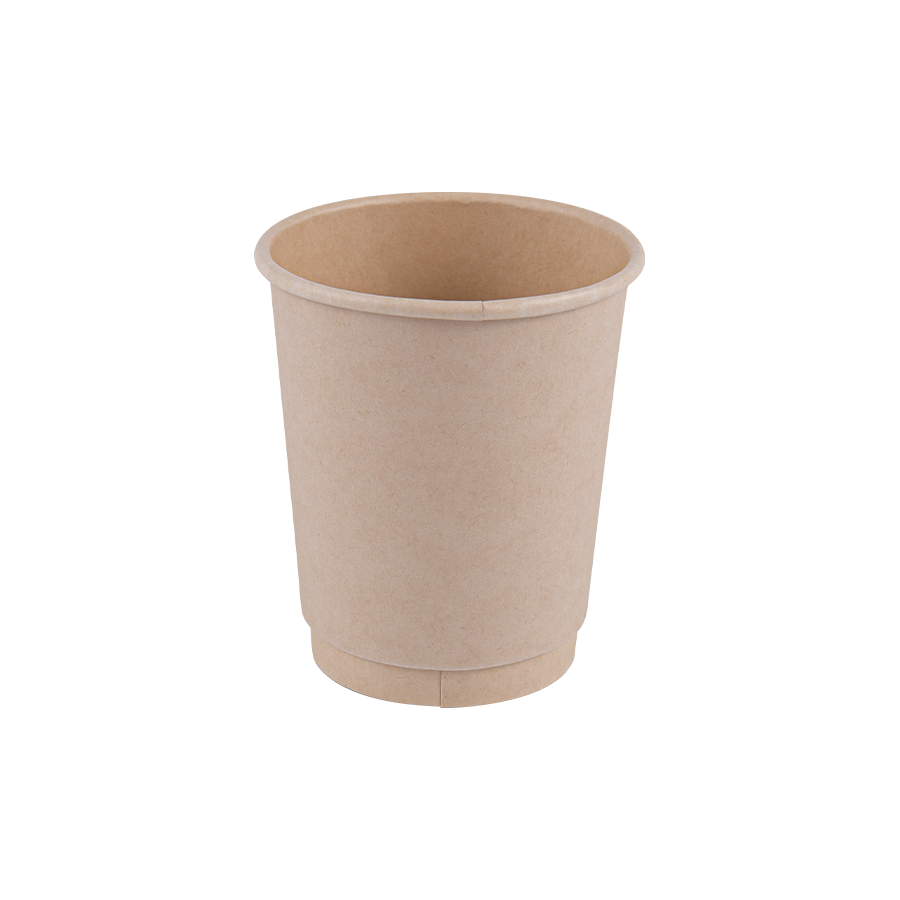
12oz (420ml) Bamboo Pulp Fiber Paper Cup with PLA Coating
-
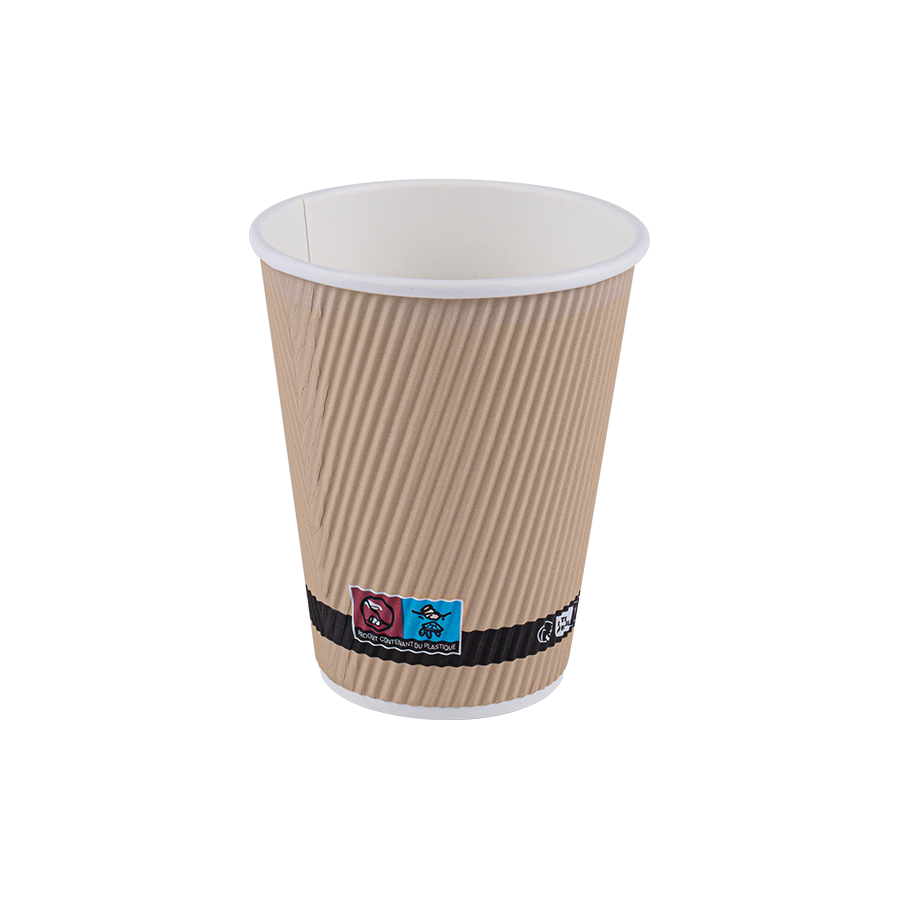
4oz Ripple Wall Paper Cup
-

8oz 'S' Ripple Wall Paper Cup

- No. 9 Qilidian Road, Honglan Industrial Park, Lishui District, Nanjing Ctiy. China
- [email protected]
- ( +86 ) - 13327730591
Copyright © 2025 Nanjing smilepacking co., Ltd.
All Rights Reserved.

-
+86-15727116558
