
 English
 中文简体
中文简体 русский
 Español
 عربى
عربى


How Durable Are Sawtooth Paper Bags Compared to Plastic or Flat-Top Bags?
Content
- 1 Introduction: what we mean by “durability” for packaging
- 2 Construction and anatomy of sawtooth paper bags
- 3 How plastics compare: inherent strengths and weaknesses
- 4 Flat-top paper bags versus sawtooth paper bags: structural differences
- 5 Standard tests and metrics that quantify bag durability
- 6 Practical comparisons by use-case
- 7 Enhancing sawtooth bag durability: coatings, laminates and reinforcements
- 8 Testing protocol recommendations for buyers
- 9 Practical recommendations: choosing the right bag for durability
- 10 Conclusion: durability is context-dependent—optimize for the failure mode
Introduction: what we mean by “durability” for packaging
Durability in packaging is multi-dimensional: it includes tensile strength, tear and burst resistance, moisture tolerance, resistance to abrasion and puncture, performance under repeated handling, and integrity during storage and transport. Sawtooth paper bags—recognizable by their serrated (sawtooth) top edge—are widely used for food, retail, and specialty packaging. This article compares their real-world durability to that of common plastic bags (HDPE, LDPE, co-extruded, and biodegradable options) and to flat-top paper bags, focusing on material construction, testing metrics, reinforcement options, environmental exposure, and practical guidance for selecting the right bag type for specific use-cases.
Construction and anatomy of sawtooth paper bags
Sawtooth paper bags are most often made from kraft paper or coated paperboards and are available with flat or gusseted bases. The sawtooth edge is typically aesthetic and functional (easy tear opening), and the overall durability depends on substrate grammage (g/m²), fiber quality, machine direction orientation, and whether the bag has added lamination or reinforcement (such as glued or stitched handles, reinforced bottom boards, or internal liners).
Common substrate options
Kraft paper (bleached or unbleached) is common due to its long fibers and high tear resistance. Coated papers (SBS or CPP laminated) add surface strength and moisture resistance. Multi-ply constructions—e.g., two plies of kraft laminated together—improve crush and tear resistance while maintaining foldability. The grammage range for durable sawtooth bags typically sits between 80–240 g/m² depending on application.
Handles, bottoms, and finishing
Handles (twisted paper, flat paper, cotton, or rope) and bottom reinforcement (folded double bottoms or separate cardboard inserts) are the main features that influence functional durability. Reinforced handles and glued or stitched joints prevent pull-off failures, while bottom boards distribute point loads and prevent puncture from heavy or irregular items.
How plastics compare: inherent strengths and weaknesses
Plastic bags—especially HDPE and LDPE—excel in puncture resistance, moisture impermeability, and flexibility under low temperatures. HDPE is stiff and puncture-resistant at thin gauges; LDPE is more flexible and tear-resistant in certain orientations. Co-extruded films can combine barrier layers with strength layers. However, plastics are more prone to UV degradation (if not stabilized), can puncture under sharp edges, and often lack aesthetic or tactile qualities that paper provides.
Barrier and moisture performance
Plastics provide near-complete moisture and vapor barrier at modest thickness (15–50 µm typical for grocery bags), which prevents weakening due to humidity. Paper requires lamination, wax coating, or PE lining to match this performance; otherwise paper absorbs moisture and loses strength.

Flat-top paper bags versus sawtooth paper bags: structural differences
Flat-top paper bags typically use a straight-cut opening and often share the same substrates and handle options as sawtooth bags. The main differences are functional: sawtooth tops are easier to tear open and are often associated with retail/food presentation. Structurally, flat-top bags sometimes allow for larger printed areas and can be sealed more cleanly for tamper evidence. Durability differences are negligible if substrates, grammage, handle types, and bottom reinforcements are identical.
Standard tests and metrics that quantify bag durability
Objective comparisons rely on standard tests: Mullen (hydrostatic burst) or equivalent burst tests, Elmendorf tear resistance, tensile strength (machine and cross direction), puncture resistance, seam or handle pull tests, and drop/impact testing for filled bags. Each test corresponds to a failure mode—burst and tensile for overloading, tear for propagation from small cuts, puncture for point loads, and seam/handle pull for handling stresses.
| Test | Measures | Relevance |
| Tensile strength | Max load before break | Overall load capacity |
| Elmendorf tear | Resistance to tear propagation | Durability under nick/puncture |
| Puncture resistance | Force to puncture | Resistance to sharp goods |
Practical comparisons by use-case
Below are real-world comparisons that help choose bag types for common scenarios: retail gift bags, bakery/cafe food bags, grocery produce bags, and industrial lightweight component bags.
- Retail/gift: Sawtooth paper bags with 120–180 g/m² kraft and reinforced handles provide a premium feel and sufficient durability for clothing or boxed goods. Plastic alternatives may handle heavier loads but lack the premium appearance.
- Food-to-go/bakery: Paper breathability can be advantageous for hot goods (reduces condensation). Sawtooth bags with grease-resistant inner coatings are durable for deliveries. Plastic bags prevent heat loss but trap moisture.
- Grocery/produce: Thin plastic films excel in moisture exposure and puncture resistance for leafy produce; however, heavy root vegetables benefit from paper bags with reinforced bottoms to prevent puncture through the base.
- Industrial components: For repeated reuse and abrasion resistance, laminated kraft or plastic are preferred; paper works if internal packing and edge protection are added.
Enhancing sawtooth bag durability: coatings, laminates and reinforcements
Paper durability can be significantly improved through PE/PP lamination, cold or solvent coatings, wax treatments, or adhesive-laminated liners. Reinforced bottoms, double-stitched or glued handles, and internal corrugated inserts increase load-bearing capacity. For moisture-heavy environments, full-laminate or PE-lined paper bags approach the moisture endurance of thin plastic films.
Trade-offs: cost, recyclability and compostability
Lamination and plastic coatings boost performance but reduce recyclability unless separation is practised or recyclable laminates are used. Wax or biodegradable coatings offer middle-ground options. Consider lifecycle impact: a heavier, long-lasting paper bag reused multiple times may have a lower footprint than many single-use plastic alternatives.
Testing protocol recommendations for buyers
Specify testing criteria in procurement: minimum tensile strength, Elmendorf tear value, handle pull-out force, bottom board puncture resistance, and moisture absorption after X hours. Insist on sample drop tests with filled product and collect photographic evidence under expected transport conditions. For food contact, require grease and migration testing where relevant.
Practical recommendations: choosing the right bag for durability
If exposure to moisture, repeated reuse, or puncture risk is high, choose laminated or PE-lined sawtooth bags or select plastic films. If branding, sustainability perception, or breathability for food is paramount, choose kraft sawtooth bags with reinforced bottoms and handles, and consider instructing customers on reuse. For general retail, a 120–180 g/m² kraft with reinforced handle balances cost and durability.
Conclusion: durability is context-dependent—optimize for the failure mode
Sawtooth paper bags can be very durable when specified correctly—proper grammage, fiber quality, coatings, handle reinforcement, and bottom inserts all matter. Plastic bags still outperform raw paper on moisture and puncture resistance per unit weight, but lamination narrows that gap at the expense of recyclability. Flat-top and sawtooth paper bags have similar baseline strength when built from the same materials; the choice is therefore driven by opening method, branding, and user experience rather than inherent durability. Define the likely failure mode—moisture, puncture, handle pull-off, or tear—and specify materials and tests to mitigate it. With appropriate specification, sawtooth paper bags provide a durable, attractive, and often more sustainable packaging solution for many practical applications.
LATEST POST
Let’s create something amazing together
contact usFeatured Products
-

16oz(500ml)PLA Biodegradable Single-Wall Paper Cup
-
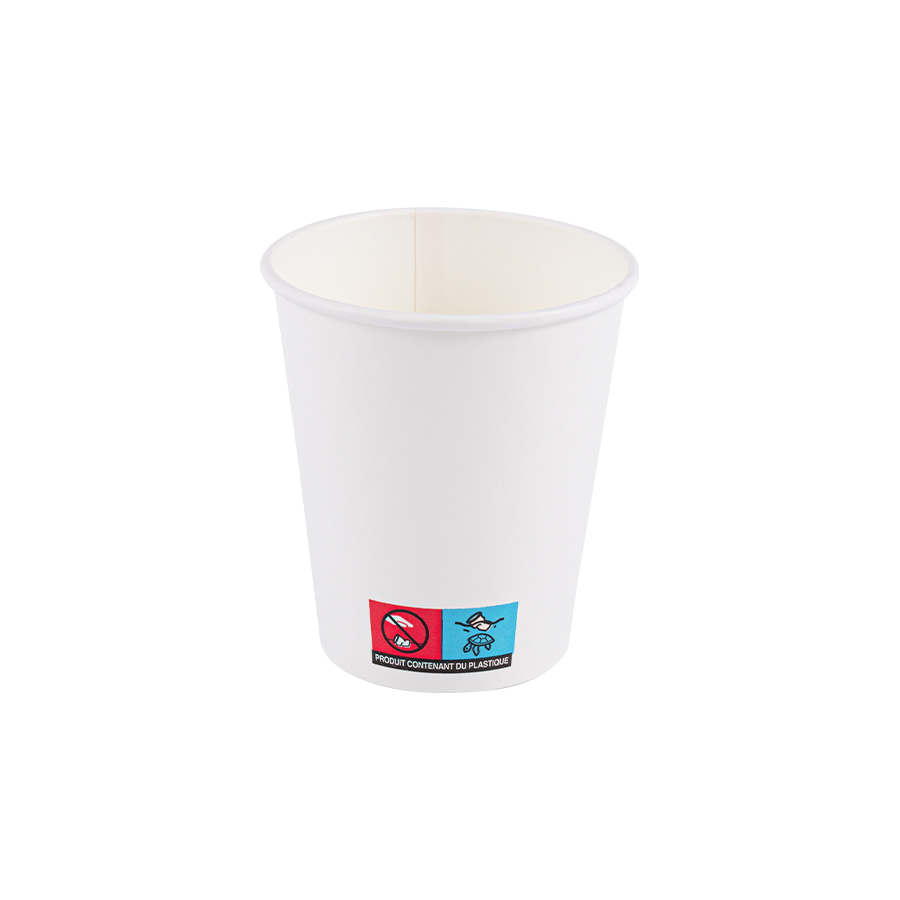
7.5oz Disposable Single-Wall Paper Cup for Automatic Vending Cup
-
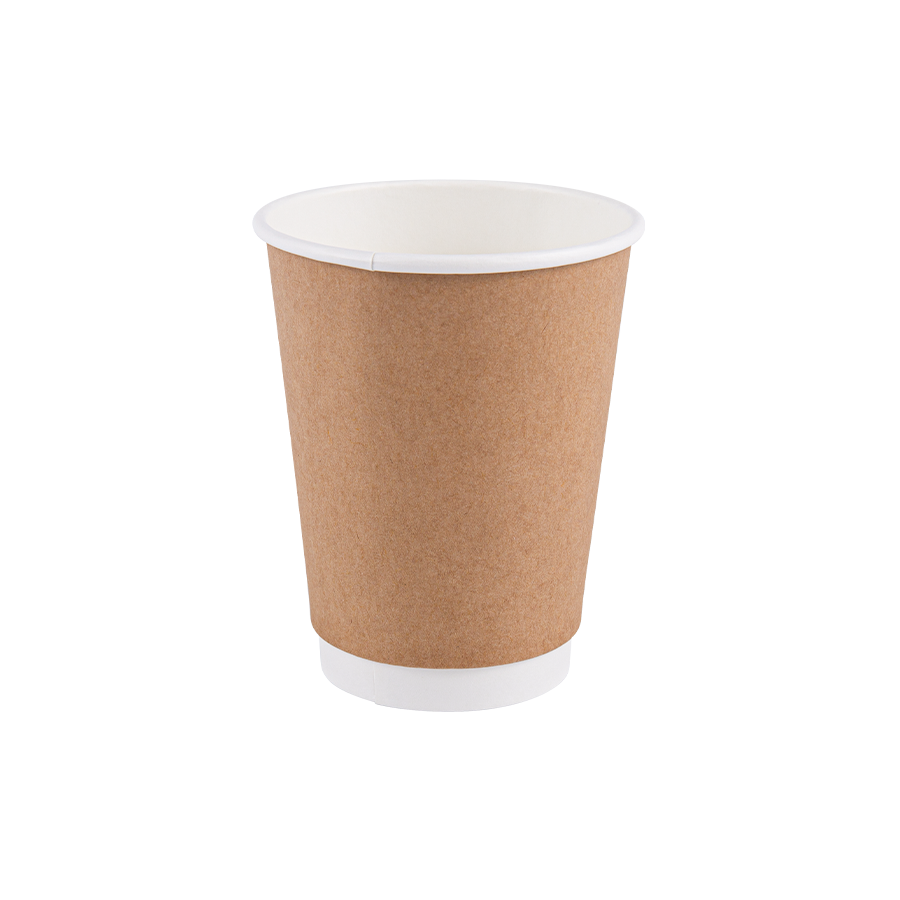
8oz Double-Wall Kraft Paper Cup with Home-Compostable Plastic-Free Coating & Thermal Insulation
-
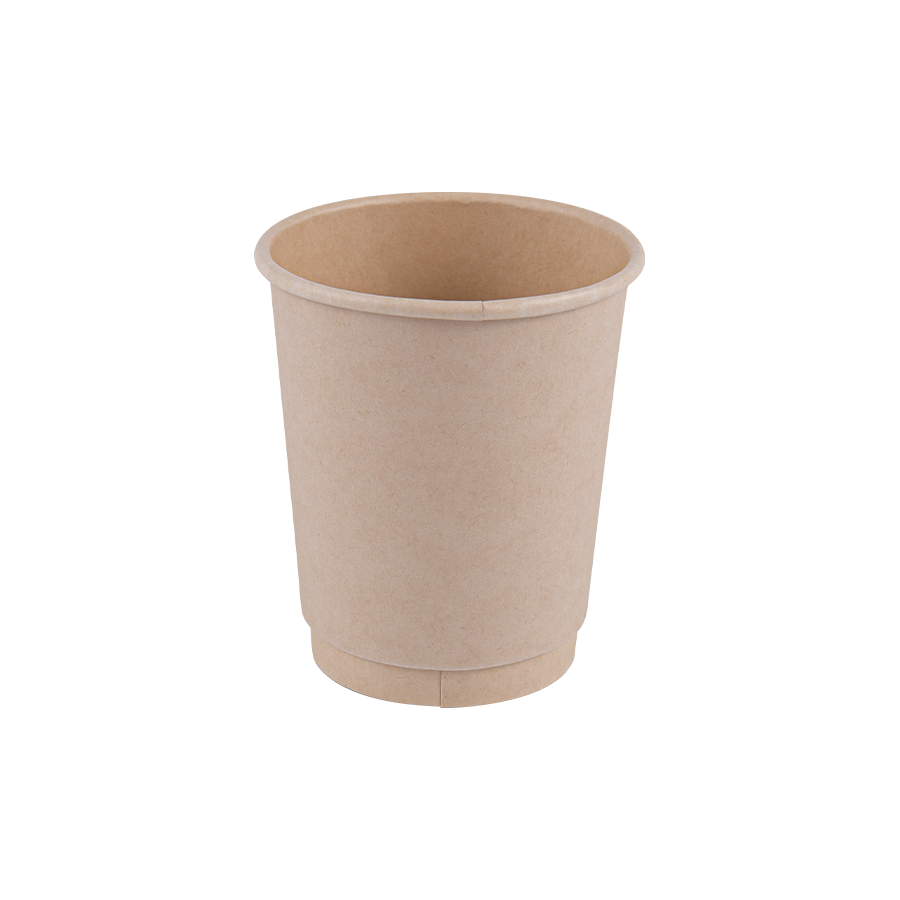
12oz (420ml) Bamboo Pulp Fiber Paper Cup with PLA Coating
-
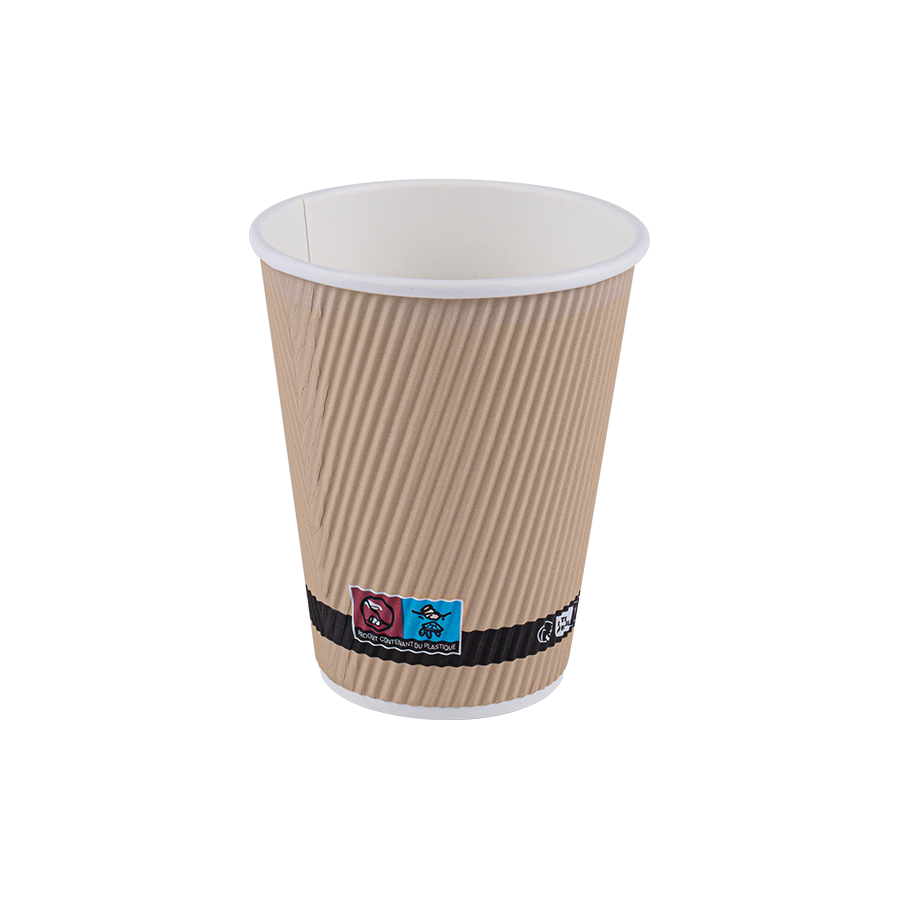
4oz Ripple Wall Paper Cup
-
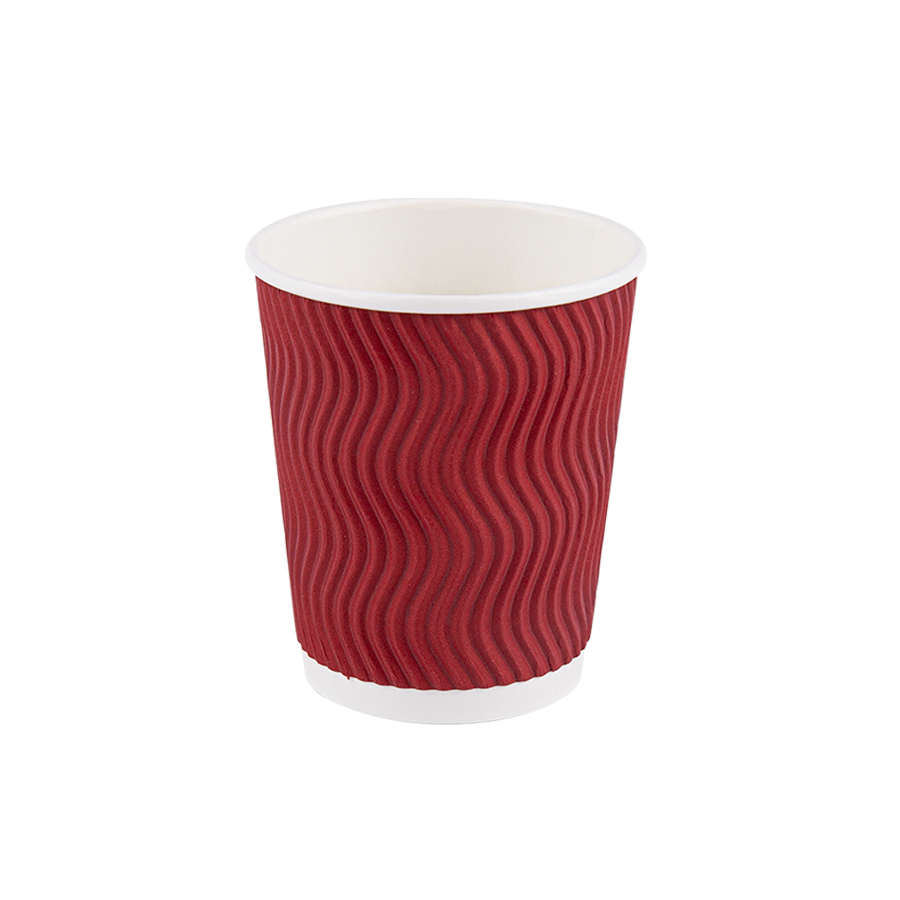
8oz 'S' Ripple Wall Paper Cup

- No. 9 Qilidian Road, Honglan Industrial Park, Lishui District, Nanjing Ctiy. China
- [email protected]
- ( +86 ) - 13327730591
Copyright © 2025 Nanjing smilepacking co., Ltd.
All Rights Reserved.

-
+86-15727116558
