
 English
 中文简体
中文简体 русский
 Español
 عربى
عربى


How Do Ripple Wall Paper Cups Compare to Foam or Plastic Cups?
Content
- 1 Quick summary: why compare ripple wall, foam, and plastic cups?
- 2 Materials and basic construction
- 3 Thermal insulation and user comfort
- 4 Structural integrity, spill resistance, and usability
- 5 Printability, branding, and consumer perception
- 6 Environmental impact and end-of-life options
- 7 Cost, supply chain, and storage
- 8 Health, safety, and regulatory concerns
- 9 Feature-by-feature comparison table
- 10 Recommendations and best-use cases
- 11 Final considerations for procurement
Quick summary: why compare ripple wall, foam, and plastic cups?
Ripple wall paper cups, foam cups (expanded polystyrene), and single-use plastic cups serve the same basic function—transport and contain beverages—but they differ dramatically in how they perform and how they impact cost, the environment, and user experience. This article compares the three across measurable criteria: thermal insulation, structural strength, spill resistance, weight and stackability, printability and branding, regulatory and environmental profiles, cost and supply-chain considerations, and recommended use cases. The goal is to give practical guidance so businesses and event planners can choose the right cup for their priorities.
Materials and basic construction
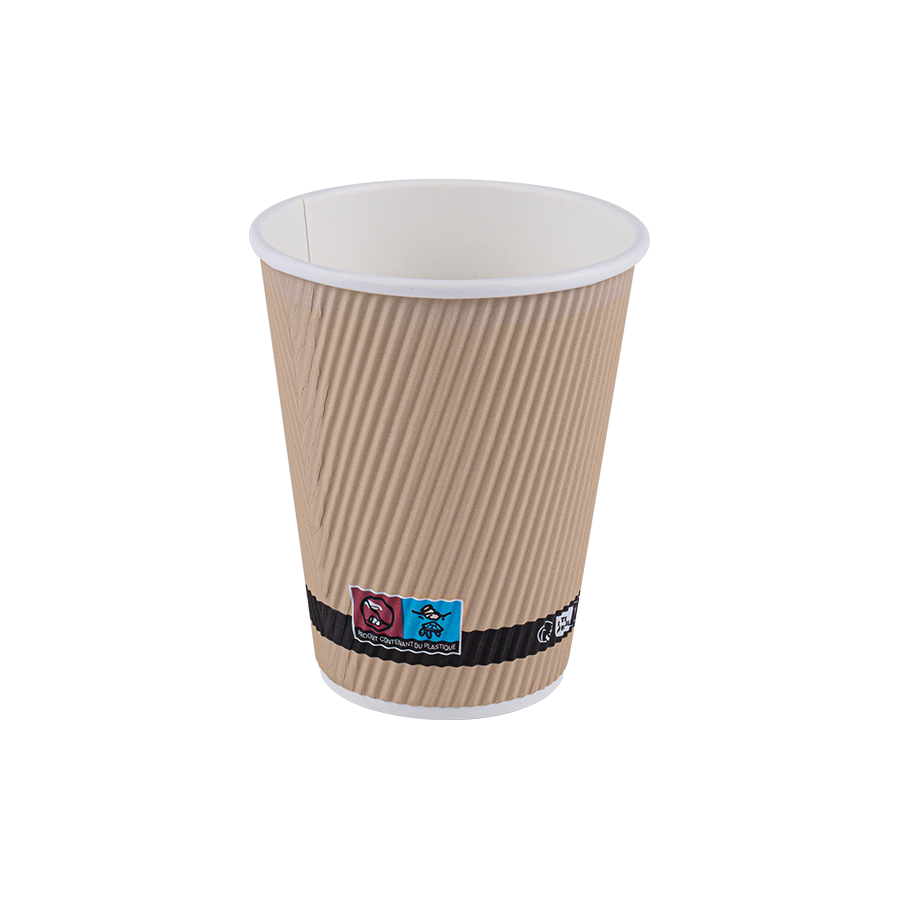
Understanding construction clarifies performance differences. Ripple wall paper cups are typically made from a paperboard body laminated with a polyethylene (PE) or compostable PLA layer and an external corrugated or "ripple" sleeve formed from molded paper. Foam cups are molded from expanded polystyrene (EPS), a lightweight insulating plastic foam. Single-use plastic cups are usually injection-molded from PET, PP, or PS and are a single uniform material without insulation features.
Key material implications
Paper-based cups deliver a tactile, premium feel and accept high-quality printing; foam cups provide excellent intrinsic insulation but perform poorly in recycling systems; plastic cups are durable and clear (for cold drinks) but have poor heat insulation unless double-walled or insulated versions are used.
Thermal insulation and user comfort
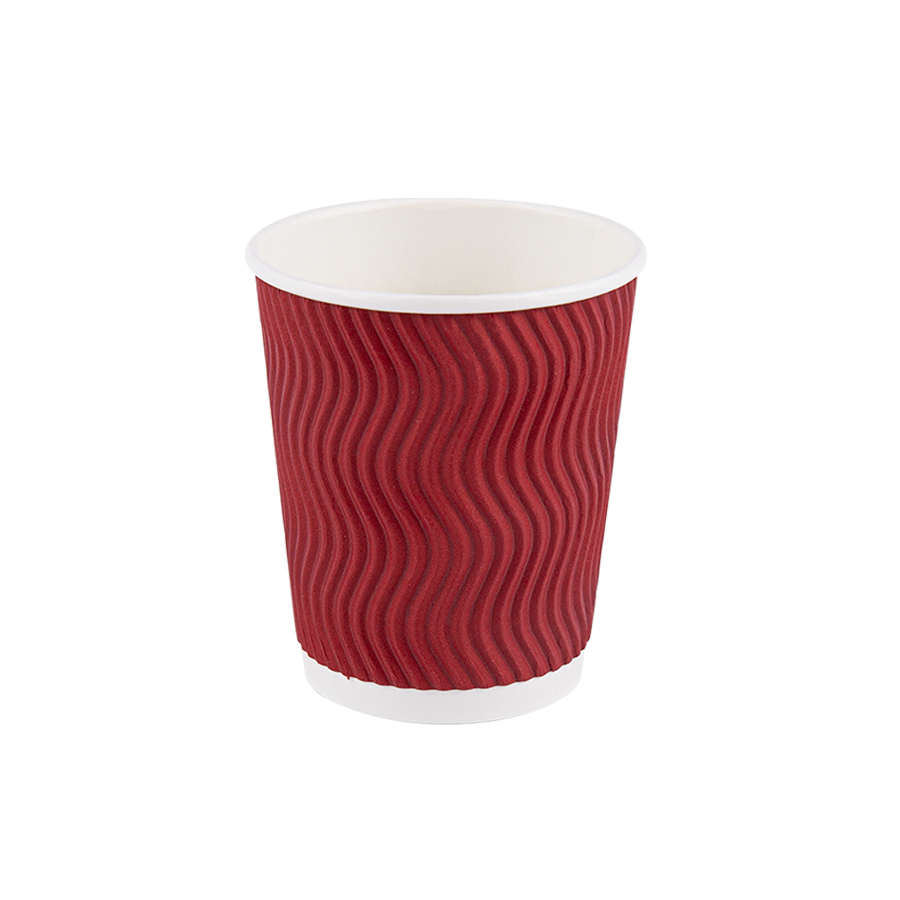
Insulation is one of the main concerns for hot-beverage service. Ripple wall cups combine a thin paperboard inner cup with an outer rippled sleeve or formed single-piece ripple wall that traps air and reduces heat transfer. The result is better hand comfort than single-wall paper cups without the need for a separate cardboard sleeve.
How they compare in practice
- Ripple wall paper cups: Good insulation for hot beverages; users can hold the cup without a secondary sleeve in most cases.
- Foam cups: Excellent insulation — among the best for hot drinks — with low external temperature transfer but can feel brittle at thin walls.
- Plastic cups (single-wall): Poor insulation for hot drinks; better suited for cold beverages unless specially designed with double walls or insulating layers.
Structural integrity, spill resistance, and usability
Strength and resistance to deformation matter for transport and customer satisfaction. Foam cups are rigid and resistant to crushing but can snap under lateral stress. Ripple wall cups rely on the paperboard and the corrugated profile for rigidity; high-quality grades resist crushing and maintain shape when filled. Plastic cups excel at retaining shape and resisting impact, particularly important for cold, carbonated, or fizzy drinks where pressure and condensation occur.
Lid compatibility and spill control
All three types can be used with lids, but compatibility varies. Ripple wall cups are produced with standard rim profiles to accept snap-on plastic lids, while foam cups often require specially sized lids. Plastic cups for cold drinks use clear snap lids or PET dome lids. Proper lid choice reduces spillage and improves stackability for takeout.
Printability, branding, and consumer perception
Branding opportunities and perceived quality differ. Paper surfaces accept high-resolution printed artwork, embossing, and tactile finishes that elevate perceived value. Ripple wall cups often present as premium and eco-friendly to consumers. Foam cups are difficult to print with premium finishes and historically convey a low-cost or institutional image. Plastic cups can be printed or pre-colored but lack the warm, premium feel of paper.
Customization options
- Ripple wall: Full-wrap printing, matte or gloss lamination, custom sleeves or embossing available.
- Foam: Limited printing; mostly basic logos or single-color prints.
- Plastic: Can be clear for visual product display; screen printing and labeling options exist for branding.
Environmental impact and end-of-life options
Environmental considerations are increasingly decisive for procurement. Each cup type has a distinct environmental footprint influenced by raw material sourcing, manufacturing energy, and end-of-life disposal or recycling pathways.
Recyclability and compostability
Ripple wall cups with PE liners are theoretically recyclable in some systems but often are downcycled or rejected by single-stream recyclers due to the plastic lining; compostable PLA-lined variants need industrial composting. Foam cups are rarely recycled in municipal systems and persist in landfills for long periods. Plastic cold cups (PET, PP) are recyclable where facilities accept them, but contamination and local rules limit practical recycling rates.
Cost, supply chain, and storage
Cost per unit and logistics are practical purchasing drivers. Foam cups are often the lowest-cost option initially and are lightweight with excellent stack density. Ripple wall cups cost more than single-wall paper or foam per unit but can reduce accessory costs by eliminating the need for separate sleeves. Plastic cups for cold beverages are mid-range in cost but may require different lid inventories.
Health, safety, and regulatory concerns
Regulatory issues include food-contact approvals and potential chemical migration. Choose cups that meet FDA or EU food contact regulations; ensure PE/PLA linings and inks are certified. Foam cups face regulatory scrutiny in several regions due to environmental bans on EPS for foodservice, so verify local restrictions before procurement.
Feature-by-feature comparison table
| Feature | Ripple Wall Paper Cup | Foam Cup (EPS) | Plastic Cup (PET/PP) |
| Hot beverage insulation | Good — often no sleeve needed | Excellent — best insulation | Poor unless double-walled |
| Cold beverage suitability | Good — less condensation than plastic | Acceptable but not typical | Excellent — clear presentation |
| Printability / branding | Excellent — premium feel | Limited — basic logos | Good — colored or labeled |
| Recycling / composting | Mixed — PE-lined recyclable in some systems; PLA need industrial composting | Poor — limited recycling, landfill persistence | Variable — PET/PP recyclable where accepted |
| Unit cost | Moderate | Low | Low to moderate |
Recommendations and best-use cases
Choose ripple wall paper cups when you prioritize a premium look, decent hot insulation without a sleeve, and better consumer perception. Select foam cups for low-cost operations prioritizing insulation above environmental concerns (but check local bans). Use plastic cups for cold beverages, clear product presentation, and situations where condensation and leak resistance are primary concerns.
Final considerations for procurement
When specifying cups, collect sample testing data: insulation tests (time-to-comfort), lid fit tests, stackability and crush tests, and local recycling acceptance checks. Ask suppliers for material certifications, printing proofs, and minimum order quantities. Factor in lifecycle costs (accessories, disposal fees, and customer perception) rather than unit price alone for the most sustainable choice.
LATEST POST
Let’s create something amazing together
contact usFeatured Products
-

16oz(500ml)PLA Biodegradable Single-Wall Paper Cup
-
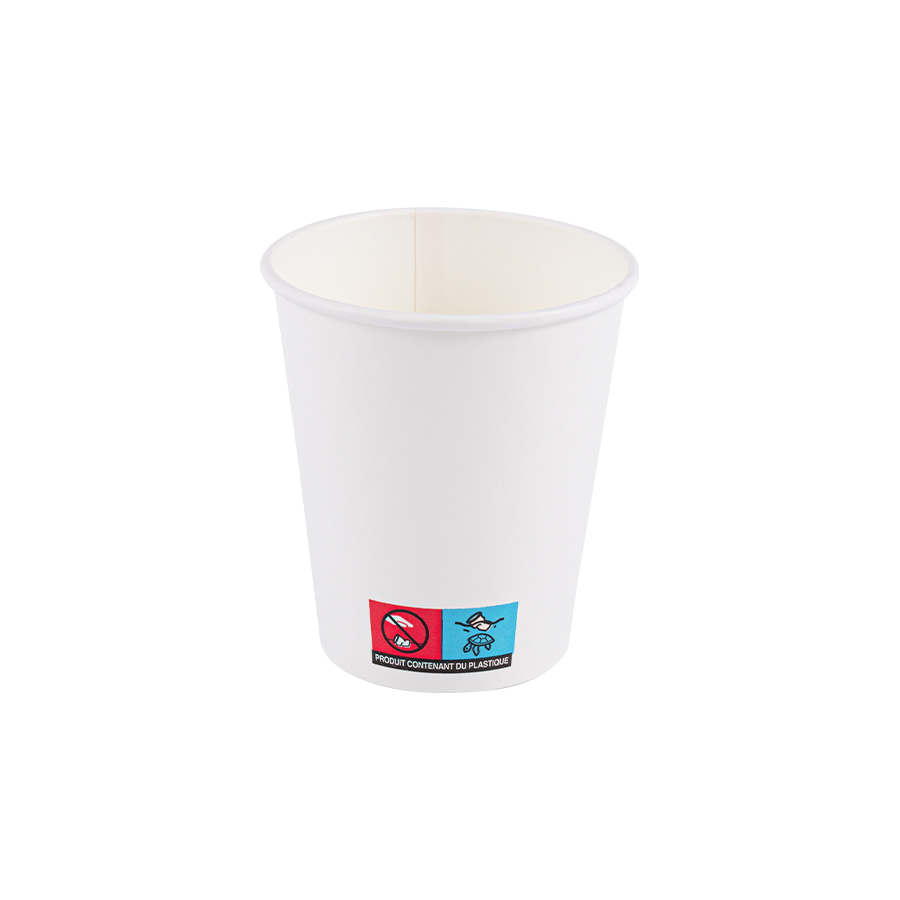
7.5oz Disposable Single-Wall Paper Cup for Automatic Vending Cup
-
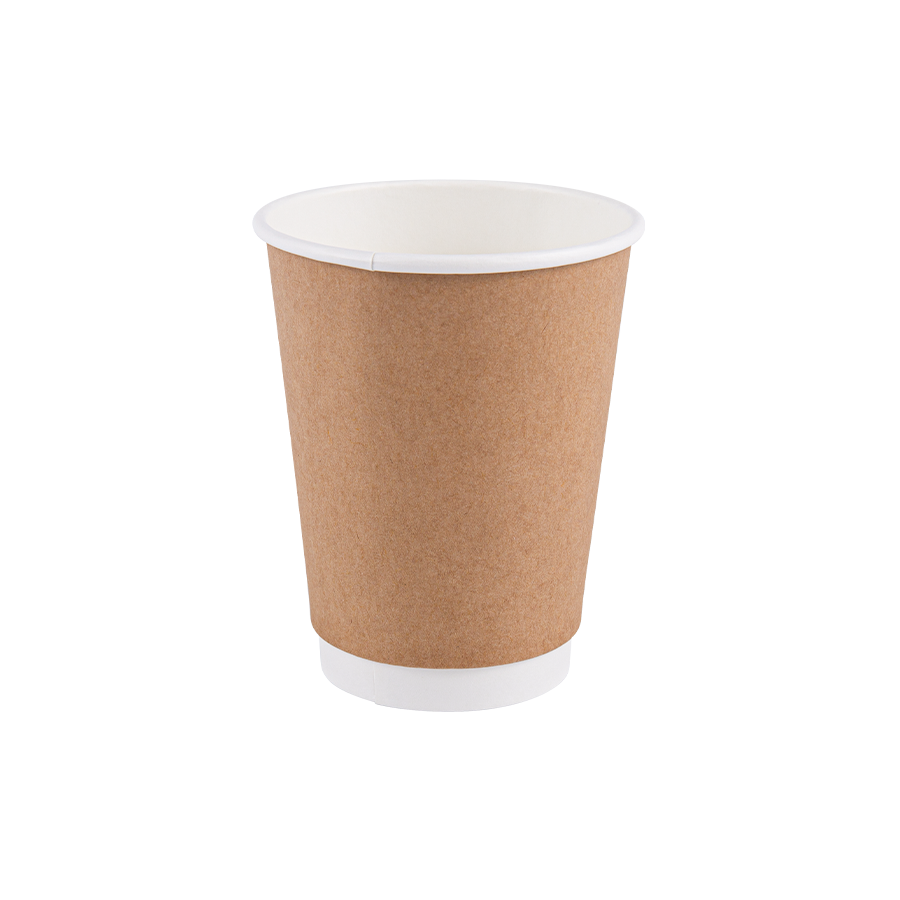
8oz Double-Wall Kraft Paper Cup with Home-Compostable Plastic-Free Coating & Thermal Insulation
-
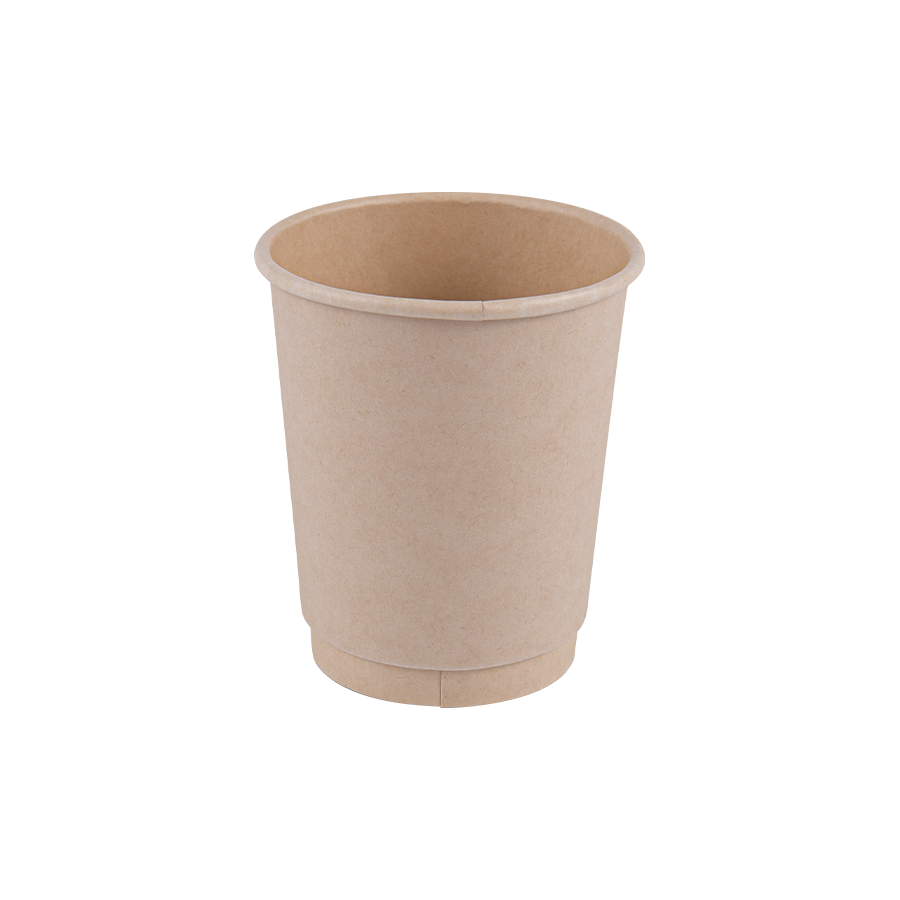
12oz (420ml) Bamboo Pulp Fiber Paper Cup with PLA Coating
-
4oz Ripple Wall Paper Cup
-

8oz 'S' Ripple Wall Paper Cup

- No. 9 Qilidian Road, Honglan Industrial Park, Lishui District, Nanjing Ctiy. China
- [email protected]
- ( +86 ) - 13327730591
Copyright © 2025 Nanjing smilepacking co., Ltd.
All Rights Reserved.

-
+86-15727116558
