
 English
 中文简体
中文简体 русский
 Español
 عربى
عربى


Double Wall Paper Cups: Design, Benefits, and Practical Applications
Content
- 1 Understanding Double Wall Cup Construction and Design
- 2 Manufacturing Process and Material Selection
- 3 Thermal Insulation Benefits and Performance Characteristics
- 4 Environmental Considerations and Sustainability Impact
- 5 Applications and Market Segments
- 6 Design Customization and Branding Opportunities
- 7 Quality Standards and Performance Metrics
Double wall paper cups represent a significant innovation in beverage packaging, combining practical functionality with consumer convenience through sophisticated design that addresses fundamental challenges in serving hot beverages. The distinctive construction featuring two layers of kraft paper separated by a thin air gap creates exceptional thermal insulation properties that keep beverages at optimal temperatures while protecting consumer hands from excessive heat. Understanding the design principles, manufacturing processes, material science, and performance characteristics of double wall paper cups enables businesses to make informed decisions about beverage service, environmental responsibility, and consumer satisfaction. This comprehensive guide explores every dimension of double wall paper cups, from fundamental construction principles through advanced manufacturing techniques, thermal performance advantages, environmental considerations, diverse applications across food service industries, and emerging innovations continuing to advance this essential packaging solution for modern beverage service.
Understanding Double Wall Cup Construction and Design
Double wall paper cups feature an innovative construction consisting of two concentric layers of kraft paper with a carefully engineered air gap between them creating a thermal barrier dramatically superior to single-wall alternatives. The inner layer maintains direct contact with beverage contents, selected for food safety, liquid resistance, and compatibility with hot liquids without flavor alteration or substance leaching. The outer layer provides structural protection, brand visibility through printing, and aesthetic appeal creating consumer-facing impression. The separation space between layers, typically 1-3 millimeters, creates an insulating air pocket that dramatically reduces thermal transfer compared to solid single-wall construction where heat conducts directly through the paper material.
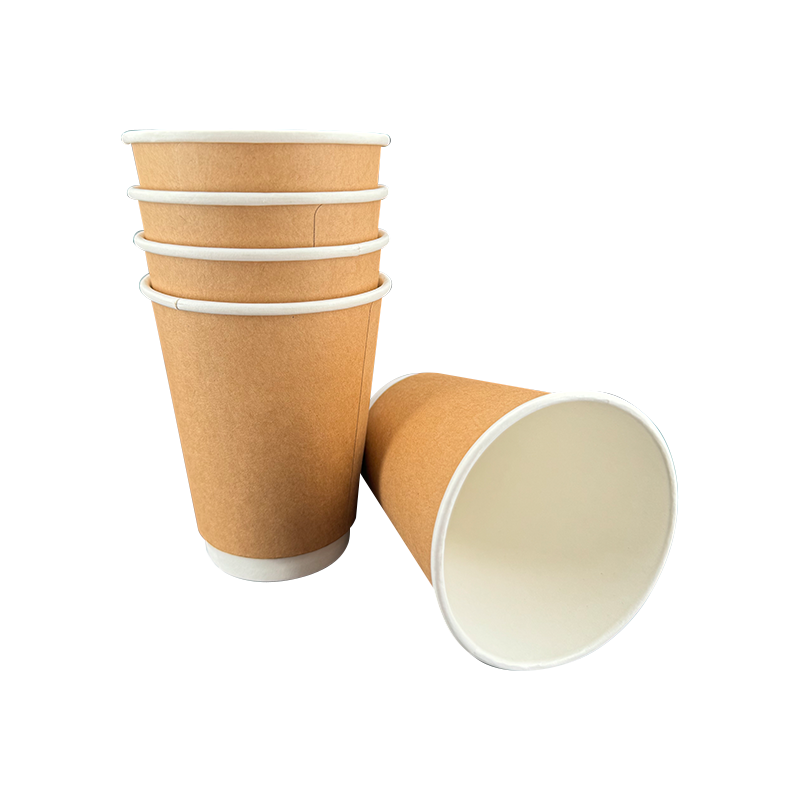
The paper selection for each layer reflects specific performance requirements, with inner layers typically employing food-grade kraft paper with polyethylene coating creating waterproof barrier preventing liquid penetration while maintaining structural integrity under hot liquid exposure. The coating prevents paper degradation from moisture, maintains temperature stability, and eliminates paperboard taste or odor contamination. Outer layer construction prioritizes printability, structural strength supporting cup shape and handling stresses, and visual appeal enabling brand expression and marketing communication. The careful orchestration of material properties across layers enables performance impossible through single-wall construction where every property must represent compromise between competing requirements.
Cup dimensions follow standardized sizing enabling compatibility with beverage dispensing equipment, lids, and accessories across the food service industry. Typical volumes range from 6 ounces for espresso through 20 ounces for standard coffee service and larger sizes for iced beverages. The height-to-width ratio balances structural stability, hand-holding comfort, and practical capacity within size constraints. Cup base design includes reinforced areas supporting structural loads from stacked cups during storage and transportation. The construction achieves surprising strength from paper material through strategic design that distributes forces and prevents localized stress concentrations that would cause structural failure or cup collapse under normal handling and use conditions.
Manufacturing Process and Material Selection
Double wall paper cup manufacturing begins with large rolls of kraft paper selected for specific functional properties required by inner and outer layers. The inner layer material undergoes polyethylene coating application creating waterproof barrier preventing liquid penetration while maintaining flexibility enabling cup formation. Multiple coating layers may be applied achieving optimal water barrier properties while minimizing coating thickness maintaining paper workability. Quality control during coating application monitors thickness uniformity, adhesion strength, and absence of defects that would compromise performance or create quality problems in finished cups.
The cup forming process utilizes specialized machinery laminating two paper layers around cylindrical mandrels creating the double wall structure. The gap between layers is maintained through careful engineering ensuring consistent air space throughout cup height and circumference. Adhesive application bonds outer layer to inner layer at strategic locations enabling air space maintenance while creating structural integrity. The adhesive selection proves critical, requiring food-safe formulations, adequate strength preventing delamination, and flexibility accommodating paper movement during thermal cycling or moisture exposure without creating brittleness or joint failure.
Printing occurs on outer surface after cup formation, with food-service-appropriate inks creating brand identity, product information, and consumer appeal. Digital printing technologies enable rapid changeovers between different designs, supporting short-run customization and rapid response to market demands. Color accuracy and image sharpness distinguish premium products, with quality printing processes producing vivid graphics and precise details enhancing brand perception. Post-printing operations include glossing or varnishing adding protective layers preventing ink smudging and enhancing visual appeal through controlled surface finishes.
Thermal Insulation Benefits and Performance Characteristics
The fundamental advantage of double wall construction derives from thermodynamic principles where air pockets create effective insulation reducing heat transfer rates between hot beverage contents and external environment. The air gap acts as thermal barrier because air possesses extremely low thermal conductivity compared to solid materials, dramatically reducing conductive heat loss. Testing demonstrates that double wall cups maintain beverage temperatures 15-20 degrees Fahrenheit higher than single-wall alternatives over comparable time periods, directly translating to superior consumer experience. Beverages remain pleasant to drink longer, maintaining optimal flavor expression and consumption satisfaction without requiring consumer to wait extended periods for unsafe temperatures to cool before safe hand-holding becomes possible.
Hand protection represents perhaps the most immediately obvious double wall advantage, as the insulation reduces external surface temperature dramatically compared to single-wall cups where intense heat conducts directly through paper to consumer hands. Double wall cups typically maintain safe hand-holding temperatures throughout beverage service, eliminating need for additional insulation sleeves or multi-napkin wrapping required for single-wall alternatives. Consumer satisfaction increases measurably when beverages remain comfortable to hold throughout consumption, avoiding the awkward experience of requiring supplemental insulation or patience for dangerous temperatures to cool to safe levels.
Environmental benefits emerge from improved insulation reducing energy consumption through extended beverage temperature maintenance without requiring consumer reheating or beverage waste from excessive cooling. The superior holding time reduces beverage spoilage or consumer dissatisfaction from temperature degradation, potentially increasing consumption rates and customer satisfaction. The insulation advantage proves particularly significant in food service where customers expect beverages to remain proper temperature throughout reasonable consumption periods, with double wall performance meeting customer expectations more reliably than single-wall alternatives.
| Cup Type | Initial Temperature | After 15 Minutes | Temperature Retention |
| Single Wall | 185°F | 155°F | 30 degrees loss |
| Double Wall | 185°F | 172°F | 13 degrees loss |
| External Temp (Double) | N/A | ~125°F | Safe to hold |
| External Temp (Single) | N/A | ~155°F | Burns risk |
Environmental Considerations and Sustainability Impact
Double wall paper cups employ kraft paper derived from renewable timber resources, creating significantly reduced environmental impact compared to plastic cups persisting in landfills for centuries without degradation. The paper material is fully biodegradable, compostable in appropriate facilities, and recyclable through existing paper waste management infrastructure. However, the polyethylene coating employed for waterproofing presents challenges for composting and recycling, requiring specialized processing or alternative coating materials to achieve fully recyclable or compostable status. Progressive manufacturers increasingly adopt advanced coating technologies including plant-based alternatives and water-resistant materials enabling complete biodegradability without compromising performance or food safety.
Life cycle analysis comparing double wall paper cups to plastic alternatives demonstrates significantly lower environmental impact when accounting for material sourcing, manufacturing energy, transportation, and end-of-life management. Plastic cup production relies on fossil fuels, generates persistent environmental contamination, and creates enormous waste disposal challenges affecting ecosystems and human health. Paper alternatives create temporary waste requiring management but avoiding permanent environmental contamination characteristic of plastic persistence. Manufacturing efficiency in paper production creates lower per-unit environmental cost compared to plastic transformation processes requiring higher energy input and chemical processing.
Water consumption considerations differentiate paper and plastic production, with paper manufacturing requiring water for processing while plastic production relies on fossil fuel extraction and chemical synthesis. Some analyses suggest paper production's water consumption creates environmental concerns, though recycled content utilization and improved processing technologies reduce water requirements substantially. Comparative analysis must account for complete production lifecycle including forestry management practices, water treatment and reuse, and ultimate waste disposal burden on natural systems. Sustainably managed forestry ensuring replanting and ecosystem management provides legitimate environmental advantage positioning paper as renewable resource compared to fossil fuel-dependent plastic alternatives.
Applications and Market Segments
Coffee shops represent the primary market for double wall paper cups, where hot beverage service demands superior thermal insulation, safety, and consumer satisfaction. The premium positioning of specialty coffee drives consumer expectations for quality presentation and performance, justifying double wall cup adoption despite higher costs compared to single-wall alternatives. Independent cafes and major chains increasingly standardize on double wall cups recognizing that superior performance creates customer satisfaction justifying premium pricing and supporting brand differentiation in competitive markets.
Tea service, particularly specialty and premium offerings, benefits from double wall cups enabling consumption of delicate infusions at optimal temperatures without requiring extended cooling periods. The insulation preserves subtle flavor profiles susceptible to temperature degradation, supporting premium positioning of specialty tea products. The elegant appearance of quality double wall cups with sophisticated branding enhances consumer perception aligning with premium tea market positioning and justifying higher price points reflecting superior product quality and service experience.
Institutional food service including hospitals, offices, and educational facilities increasingly adopt double wall cups for employee satisfaction and environmental responsibility. Cost considerations prove more significant in institutional contexts, though improved insulation reducing beverage waste and enhancing satisfaction often justifies modest cost premiums. Corporate environmental initiatives increasingly prioritize paper cup adoption supporting sustainability goals while demonstrating commitment to environmental responsibility valued by employees and customers.
Primary Applications for Double Wall Paper Cups
- Specialty coffee shops and premium café service
- Tea service particularly specialty and premium offerings
- Fast-casual restaurants serving hot beverages
- Institutional food service including offices and schools
- Corporate catering and event service
- Healthcare facilities serving patient and staff beverages
Design Customization and Branding Opportunities
Double wall paper cups provide exceptional canvas for brand expression through full-color printing enabling sophisticated design incorporating logos, company information, promotional messaging, or artistic imagery. The outer surface visibility throughout beverage consumption creates continuous brand exposure distinguishing double wall cups as superior branding investment compared to single-wall alternatives covered by disposable sleeves obscuring printed graphics. Custom sizing accommodates diverse beverage offerings from small 6-ounce espresso through large 20+ ounce formats serving various menu items with consistent branding and design identity.
Material selections enable customization beyond printing, with specialty papers, textured surfaces, and premium finishes creating distinctive tactile experiences reinforcing premium positioning. The outer surface finish can incorporate matte, gloss, or textured options creating visual and tactile differentiation supporting brand identity and consumer perception of quality. Sustainable branding through eco-friendly messaging and environmental certifications appeals to conscious consumers valuing environmental responsibility, enabling competitive differentiation within growing markets prioritizing sustainability.
Lids and accessories including compostable or recyclable options coordinate with cup design, creating complete branded systems supporting environmental messaging and visual cohesion. Sleeve designs provide additional branding opportunity enabling hand protection and insulation supplementary to double wall construction while supporting brand storytelling and consumer engagement.
Quality Standards and Performance Metrics
Double wall paper cup quality reflects material consistency, manufacturing precision, and performance validation ensuring reliable thermal insulation and structural integrity throughout beverage service. Testing standards measure thermal conductivity validating insulation properties, water resistance confirming barrier integrity preventing leakage, structural strength ensuring cups withstand stacking and handling, and printing quality guaranteeing brand expression clarity. Certification programs including ISO standards provide objective performance validation enabling informed purchasing decisions and assurance of product quality and consistency.
Double wall paper cups represent superior beverage packaging solution balancing functional performance, environmental responsibility, and branding opportunity enabling businesses to serve beverages safely, sustainably, and with distinguished presentation supporting premium positioning. The thermal insulation advantages create measurable consumer satisfaction improvements, while paper construction supports environmental responsibility increasingly central to consumer decision-making and corporate sustainability initiatives. As beverage service industries continue emphasizing quality, safety, and environmental responsibility, double wall paper cups position themselves as preferred solution for businesses committed to excellence across performance, sustainability, and brand expression dimensions.
LATEST POST
Let’s create something amazing together
contact usFeatured Products
-

16oz(500ml)PLA Biodegradable Single-Wall Paper Cup
-
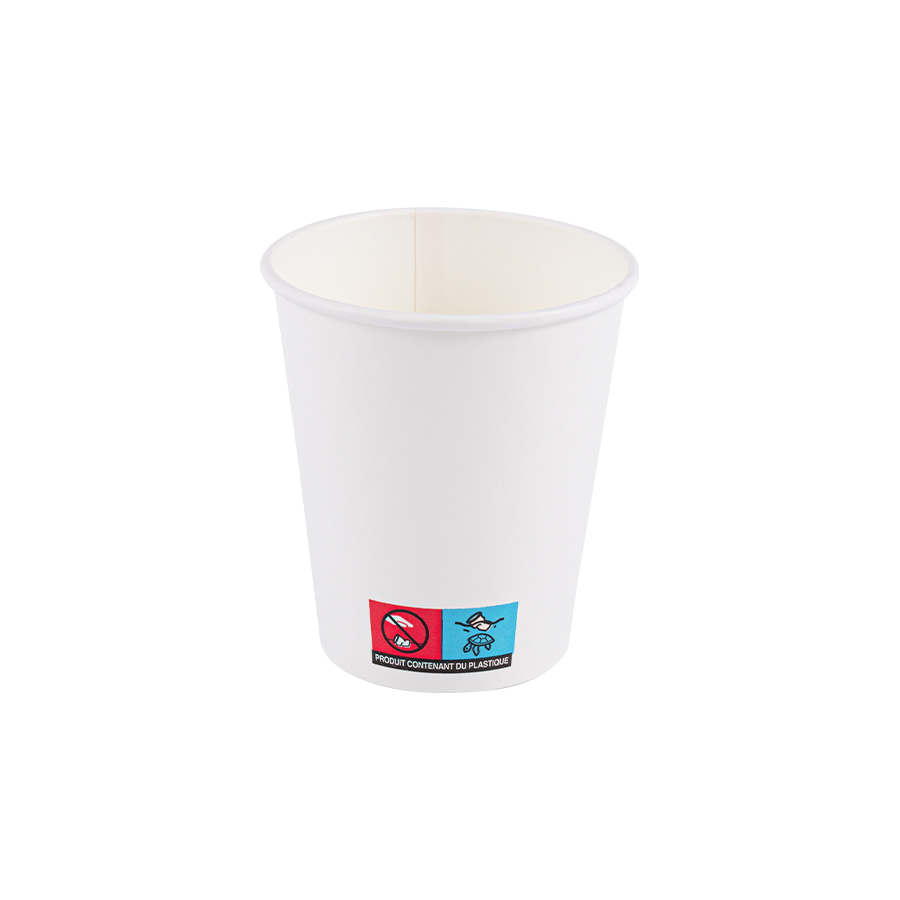
7.5oz Disposable Single-Wall Paper Cup for Automatic Vending Cup
-
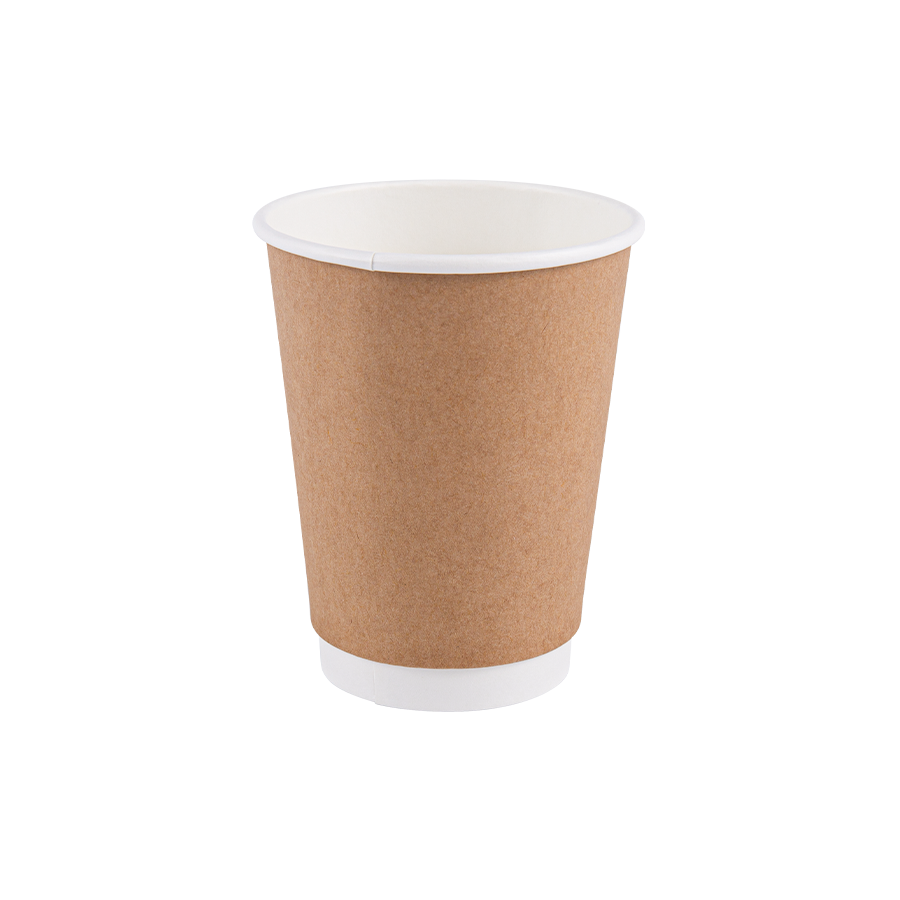
8oz Double-Wall Kraft Paper Cup with Home-Compostable Plastic-Free Coating & Thermal Insulation
-
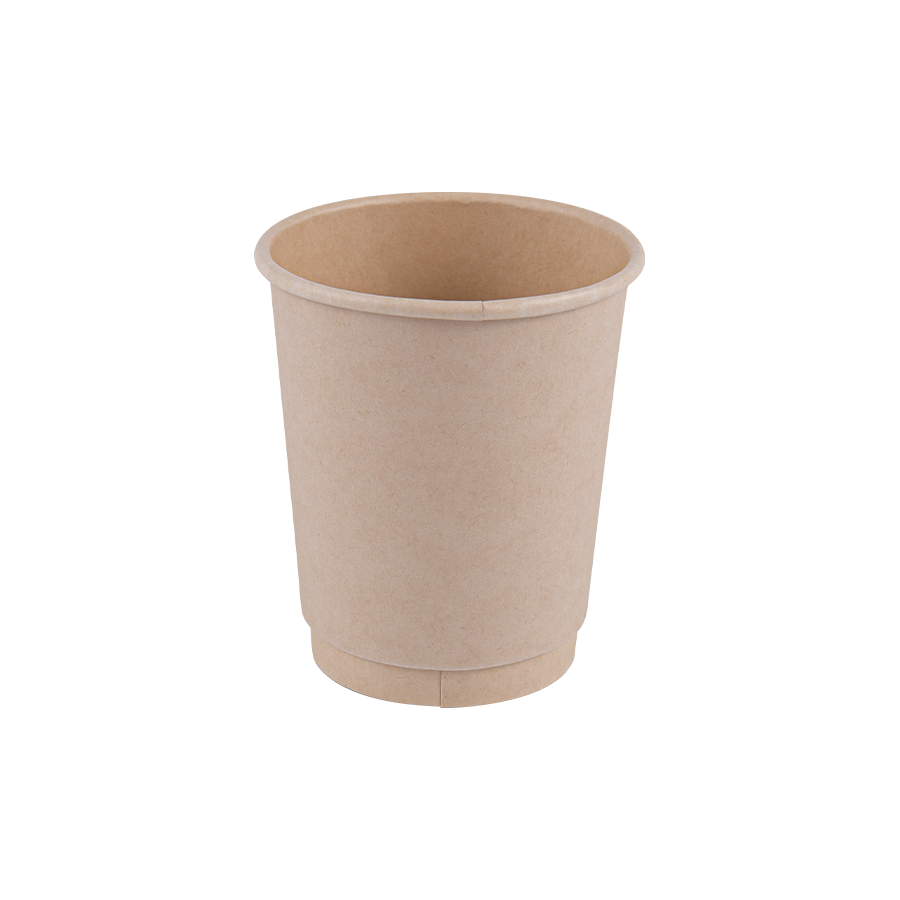
12oz (420ml) Bamboo Pulp Fiber Paper Cup with PLA Coating
-
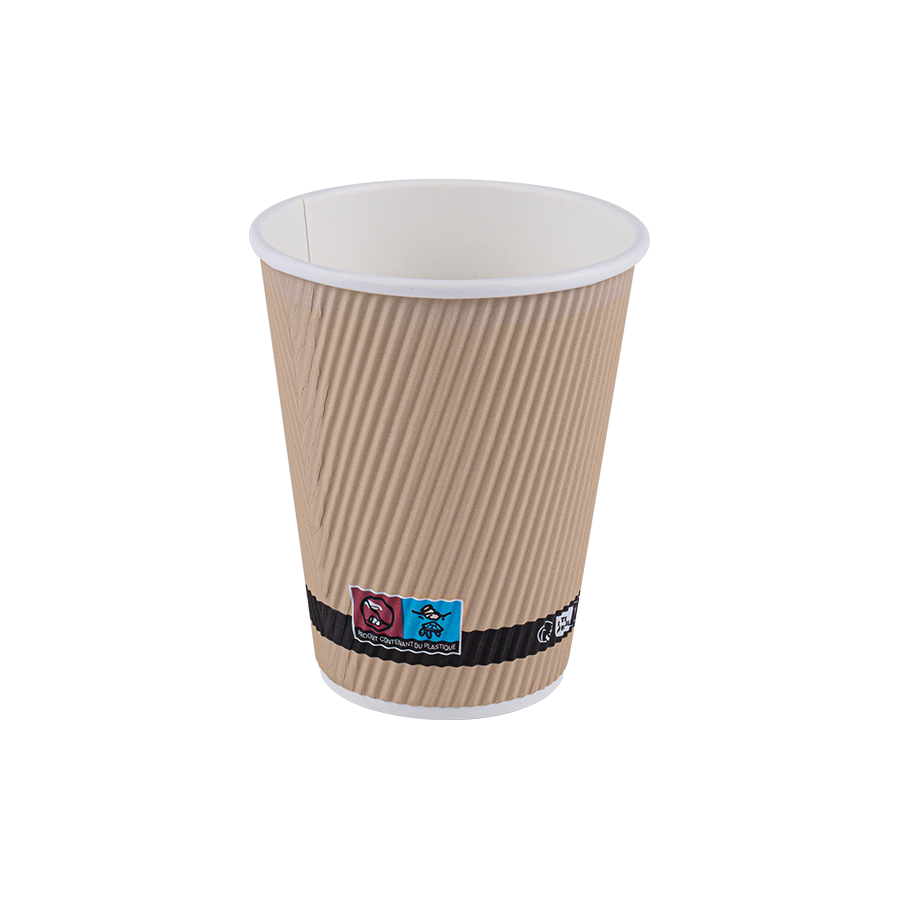
4oz Ripple Wall Paper Cup
-
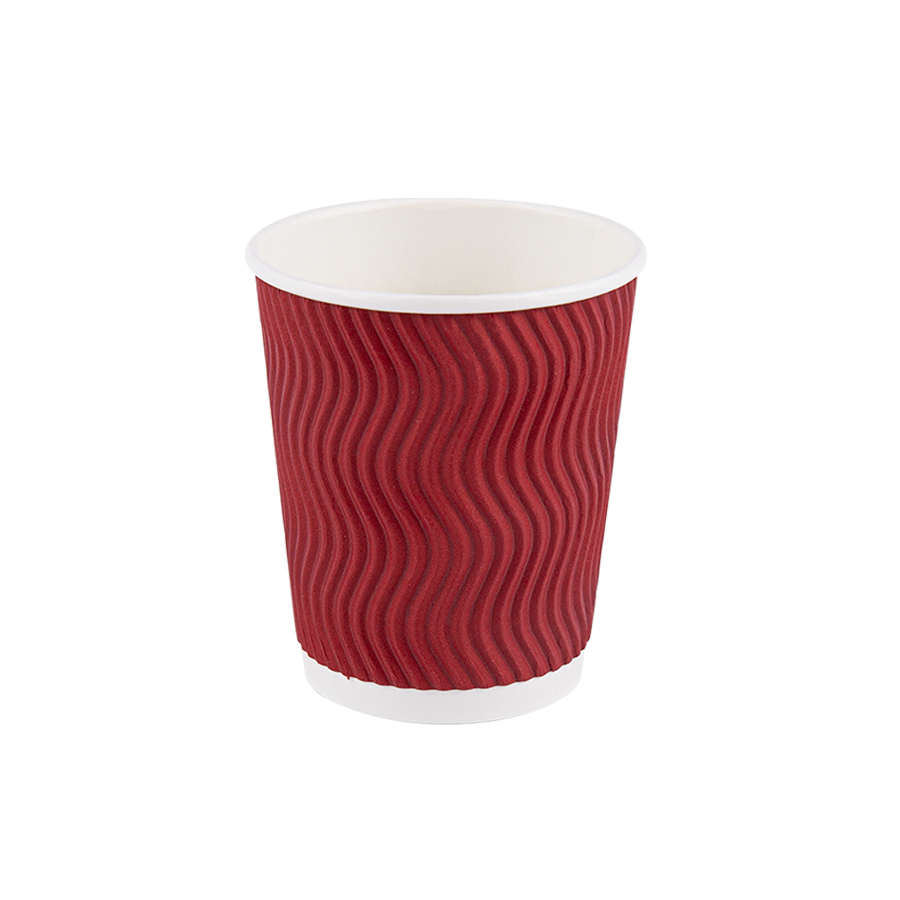
8oz 'S' Ripple Wall Paper Cup

- No. 9 Qilidian Road, Honglan Industrial Park, Lishui District, Nanjing Ctiy. China
- [email protected]
- ( +86 ) - 13327730591
Copyright © 2025 Nanjing smilepacking co., Ltd.
All Rights Reserved.

-
+86-15727116558
